
Cats have long held our fascination, oscillating elegantly between creatures of comfort cuddled on plush cushions and stealthy hunters prowling the night. Recently, a growing trend has been observed: a notable increase in domestic cats venturing outdoors. This article delves into the reasons behind this trend and explores its implications for both cats and their owners.
The Gradual Shift: From Domestic Dwellers to Outdoor Explorers

Over recent years, a shift in the lifestyles of domestic cats has been observed. Once content to lounge on household surfaces, more cats are now seeking the allure of the outdoors. This migration has puzzled many pet owners and experts alike.
The Call of the Wild: Instinctual Behaviors
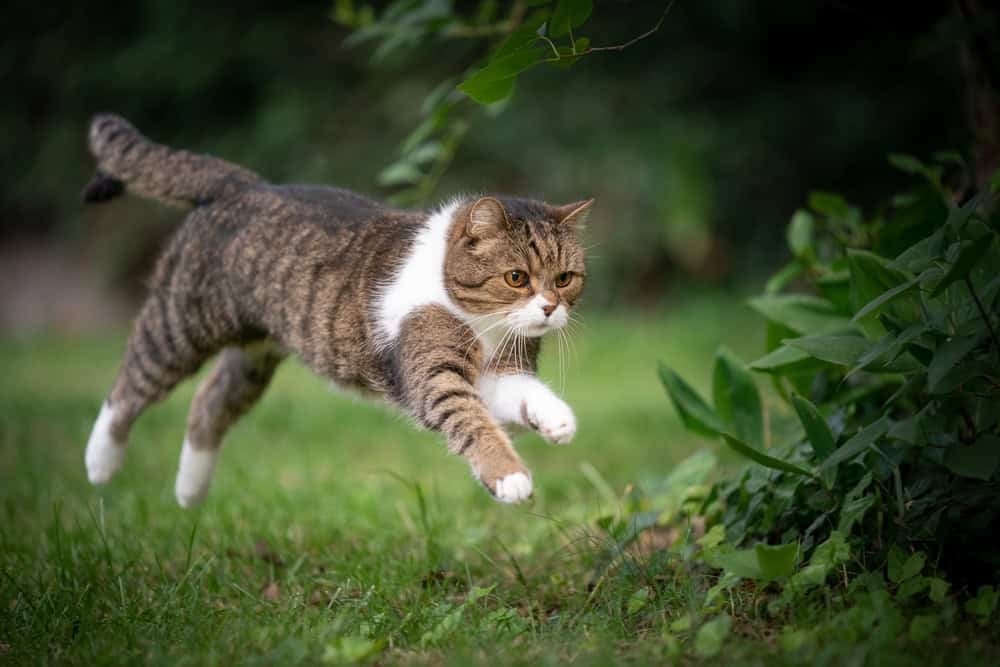
One of the primary drivers for this trend is rooted in the natural instincts of cats. Regardless of how domesticated they become, cats retain a strong predatory instinct inherited from their wild ancestors. The outdoors provides a rich environment to hone these skills, offering stimulation that indoor settings can’t match.
Urban Development: Fragmented Habitats
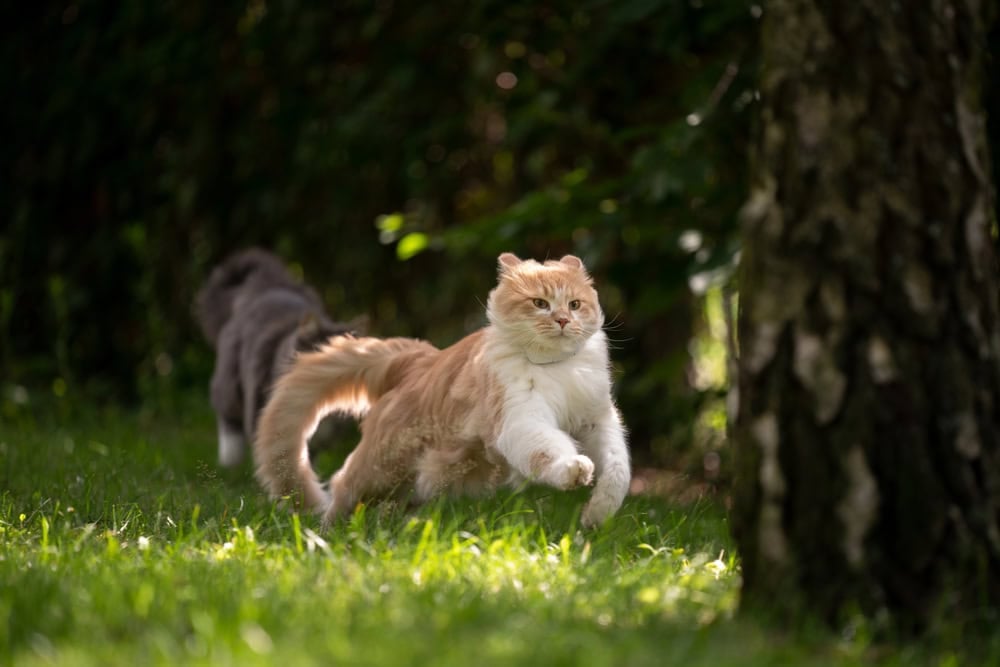
Urban expansion and habitat fragmentation inadvertently create new opportunities and pressures on local wildlife. Cats, being adaptable creatures, often take advantage of these semi-natural urban environments, moving outdoors to explore these evolving landscapes filled with new sights, sounds, and scents.
Environmental Enrichment: The Outdoor Experience

As awareness about feline well-being grows, many cat owners have learned about the benefits of environmental enrichment. Allowing their cats to explore outdoors can reduce stress and provide physical exercise, keeping them mentally and physically healthy.
The Role of Technology: Monitoring and Safety

The advent of technology, such as GPS trackers, has made cat owners more comfortable with letting their pets roam. These devices reassure caretakers by providing real-time updates on their cats’ whereabouts, reducing the fear of them getting lost or harmed.
Changing Perspectives on Cat Care

Attitudes toward pet care have evolved, with many owners valuing the quality of their pets’ life over strict safety. This mindset shift has encouraged more people to let their cats enjoy the outdoors, where they can engage with the natural world more fully.
Climate Change: Altering Patterns of Behavior

Climate change influences the behavior of all animals, cats included. Warmer temperatures can lead to longer periods of activity and exploration outdoors, prompting cats used to indoor living to venture out in milder seasons.
Social Forces: Peer Influence and Pet Culture

As more cats explore the outdoors, a cultural shift has taken place where outdoor time for cats is increasingly normalized. This social influence encourages pet owners to allow their indoor cats similar freedoms, perpetuating the trend.
Health Considerations: Weighing Pros and Cons

The debate continues on the health risks versus benefits of outdoor living for cats. While they gain physical fitness and reduced stress, they are also exposed to dangers such as traffic, predators, and diseases. Owners are tasked with weighing these factors.
The Role of Breeds: Natural Tendencies
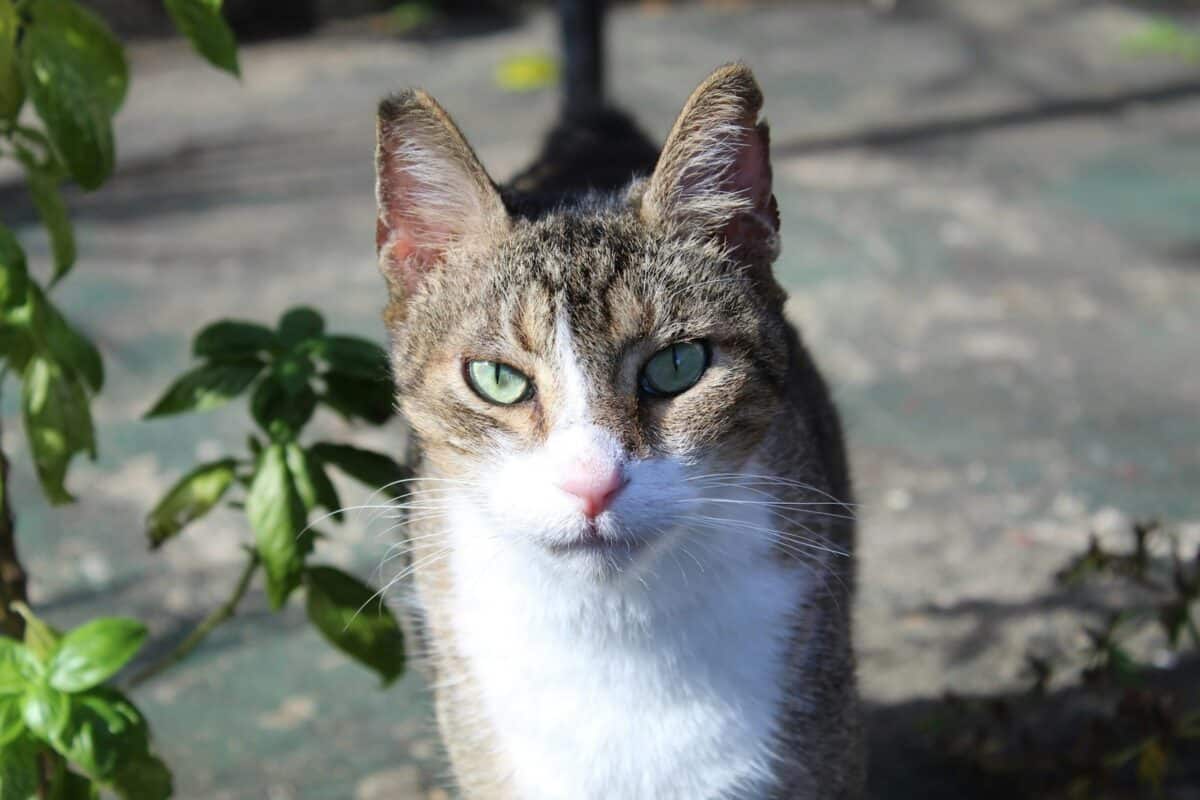
Some cat breeds have a predisposition towards outdoor activities. Breeds like the Bengal or Maine Coon have a higher affinity for exploring nature, driven by genetics and energy levels, thus naturally leading the trend of outdoor cat ventures.
Community Cats: Feral and Stray Populations
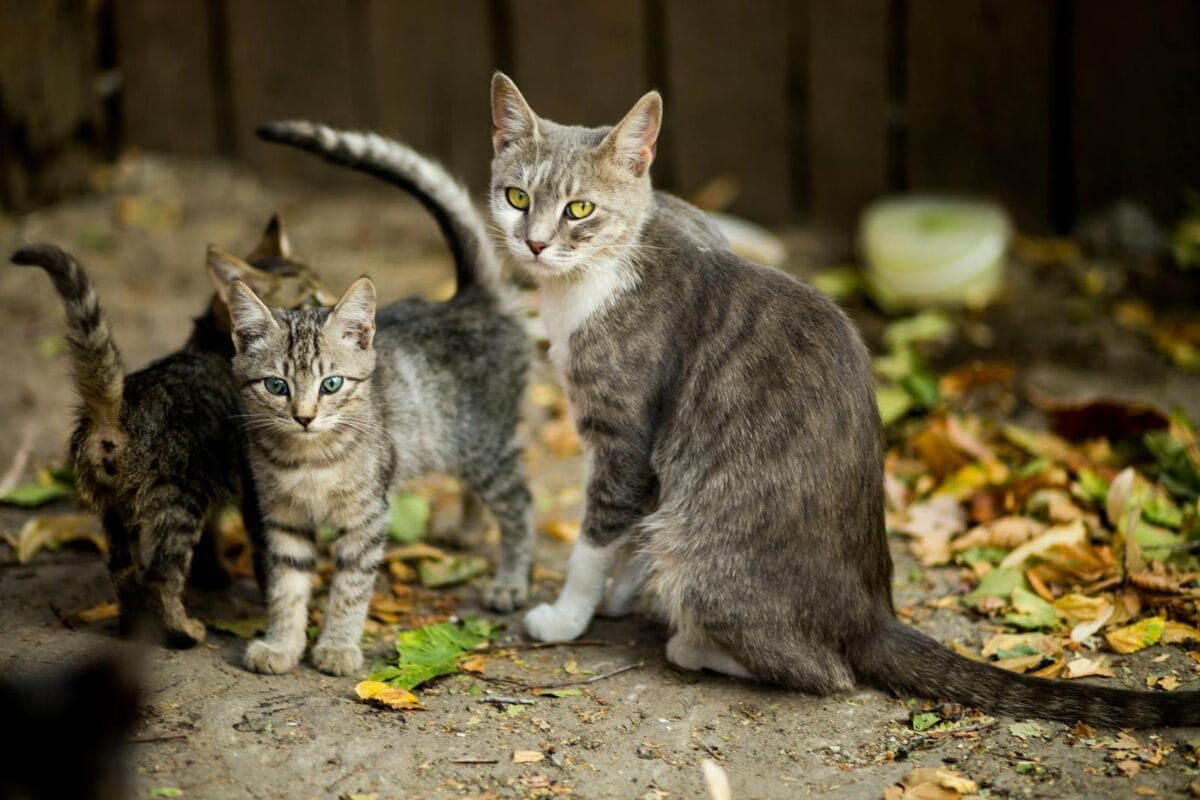
Community cats, which include both feral and stray cats, contribute to the outdoor populations. Efforts in trap-neuter-return (TNR) programs have increased their visibility and interaction with domestic cats, influencing pet owners’ perception of outdoor cat life.
Solutions for Safety: Creating Cat-Friendly Environments

Many cat owners, keen on balancing safety with the outdoors’ benefits, are investing in cat-friendly environments such as “catios” (cat patios). These enclosures allow cats to experience the outdoors without exposure to common hazards.
Conclusion: Embracing Change with Cautious Optimism

The trend of cats migrating outdoors in record numbers reflects broader shifts in understanding animal behavior, environmental changes, and societal attitudes toward pets. By embracing these changes with cautious optimism and fostering safe environments, owners can enable their feline companions to enjoy the best of both worlds. Thoughtful public discussions on this topic can further enhance our understanding and improve the welfare of our beloved pets.

- Why a Single Blue Whale Can Reshape an Entire Ecosystem - July 22, 2026
- The Truth About Giraffes’ Silent Communication Skills - July 22, 2026
- 10 Fierce Animals That Match Elon Musk’s Fearless Ambition - July 22, 2026