

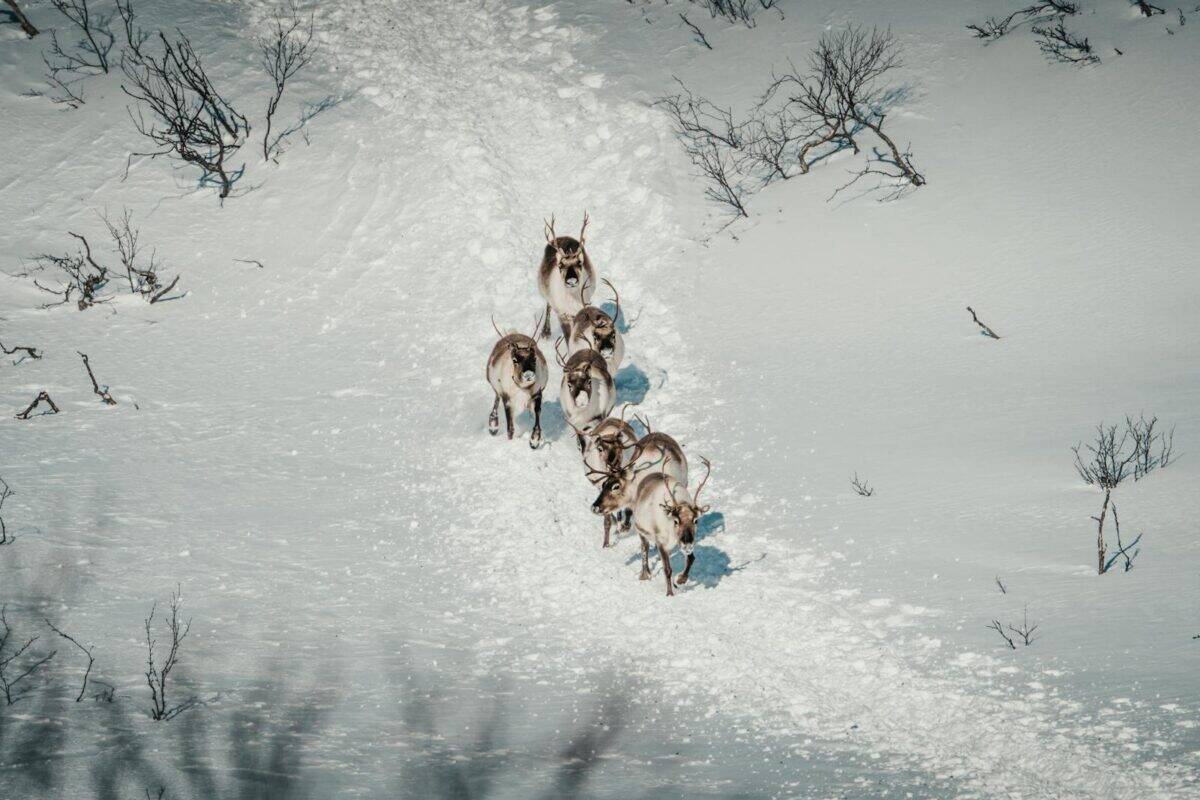
Deer are majestic creatures renowned for their graceful movements and seasonal migrations. These sophisticated migratory behaviors are not only mesmerizing but also provide crucial insights into understanding the ecological rhythms of various habitats. Studying these wandering creatures enlightens us on the delicate interplay between wildlife and environmental change. This article delves into what deer can teach us about seasonal movement, inviting you to explore the remarkable adaptability and survival strategies of these intriguing animals.
Understanding Deer Migration

Deer migration involves the movement of deer families to and from their breeding and feeding grounds in response to seasonal changes. Typically occurring twice a year, these migrations are initiated by instinctual needs to find more favorable weather and resources. The phenomenon of deer migration is a reflection of their innate ability to adapt to environmental pressures and exploit the diverse habitats that sustain them throughout the year.
The Role of Climate
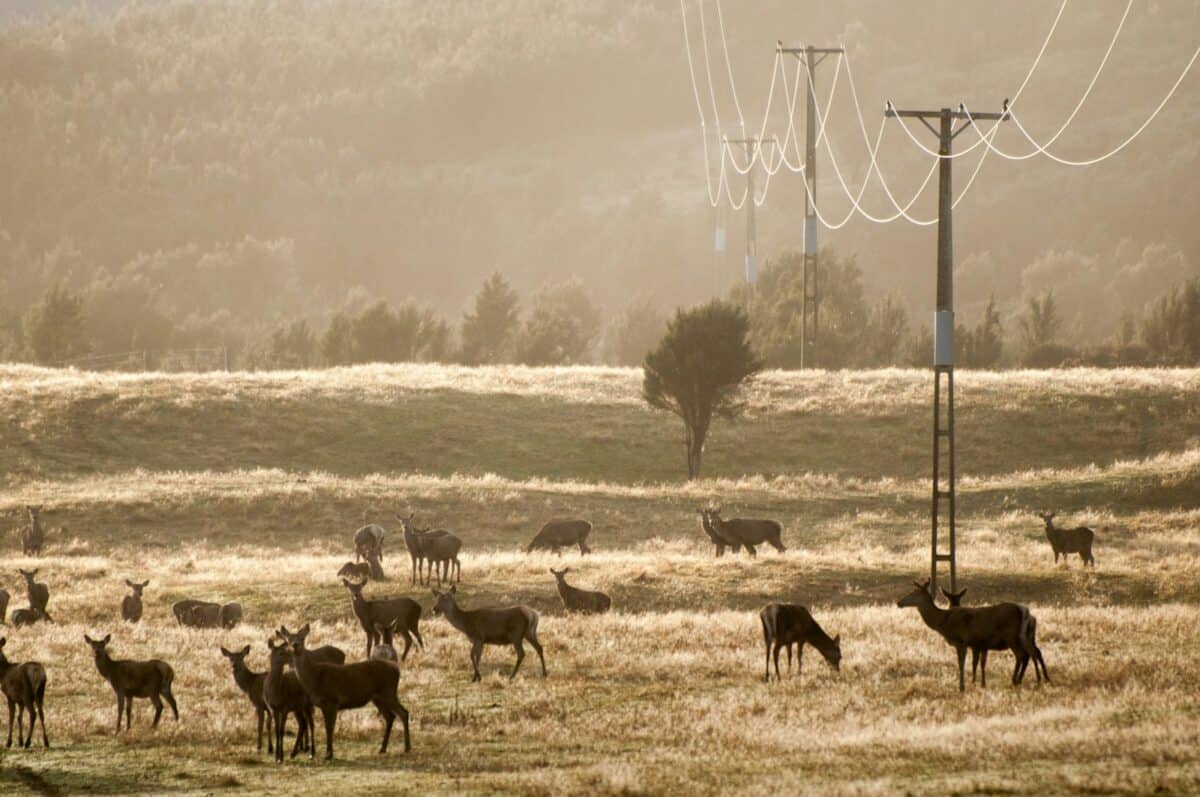
Climate plays a pivotal role in dictifying deer movement. As seasons change, the availability of food and suitable living conditions prompts deer to migrate. This migration ensures that deer have access to optimal feeding grounds during winter and summer. Slight changes in climate patterns can significantly affect these migratory patterns, emphasizing the sensitive balance between wildlife behavior and climate change.
Food Availability and Nutritional Needs

Food availability is another critical factor that dictates seasonal movement. During harsh winters, deer travel to regions where food is more accessible, such as areas with lower snow accumulation. This movement guarantees the consumption of essential nutrients necessary for their survival and reproductive success. Understanding these patterns aids in comprehending how deer populations maintain their health and vitality across seasons.
Breeding Influences on Migration

The reproductive cycle of deer is closely aligned with seasonal movement. Breeding season, or the rut, typically occurs in the fall. During this time, bucks actively seek out does, often traveling significant distances. After the rut, pregnant does find secluded areas to avoid predators, while bucks focus on restoring their energy reserves, further influencing migration patterns.
Navigation and Homing Abilities
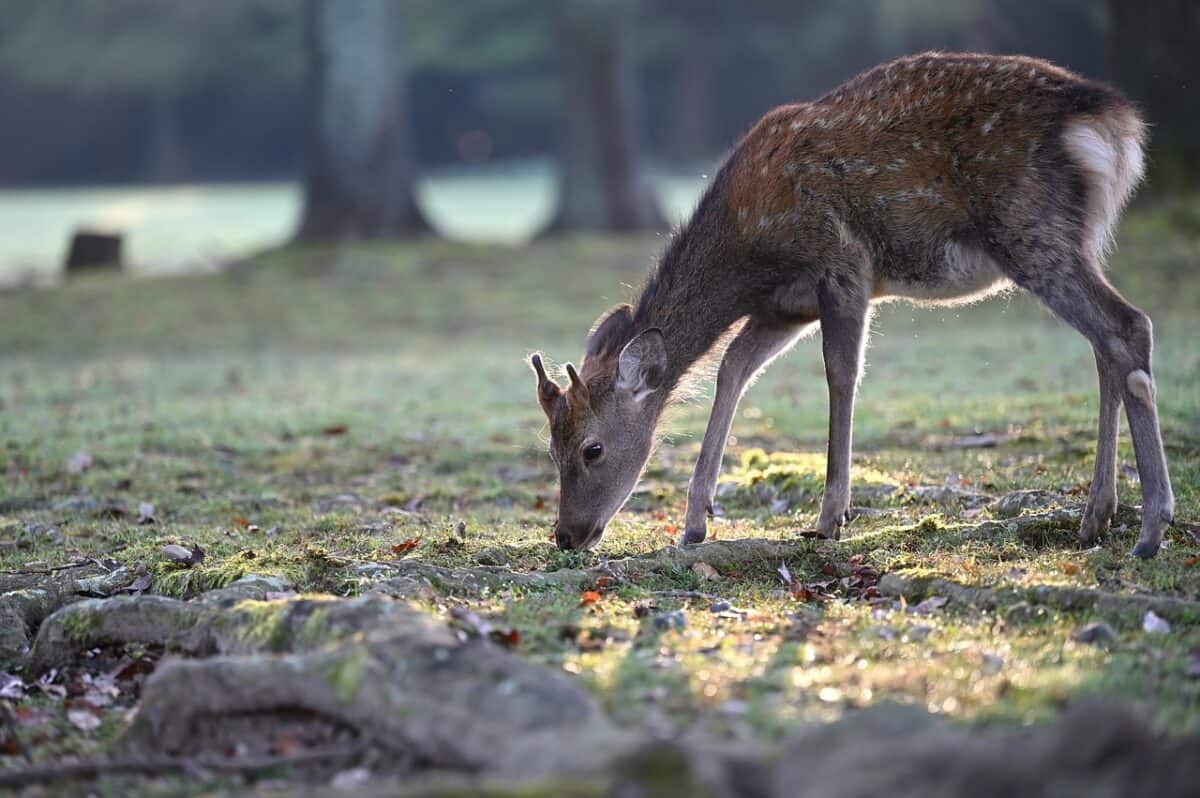
Deer possess remarkable navigational skills that guide their seasonal movements. They use landscape features as orientation cues, relying on their acute sense of smell, visual landmarks, and even the Earth’s magnetic field. These abilities enable deer to navigate vast distances with an astounding level of accuracy, demonstrating a natural intelligence worthy of study.
Impact of Human Development

Human encroachment on natural habitats significantly affects deer movement. Urbanization, roads, and fences create barriers that disrupt traditional migratory paths. These obstacles often lead to increased mortality due to vehicle collisions and habitat fragmentation. Understanding these impacts can guide the development of more wildlife-friendly structures and policies.
Utilizing Technology to Track Movement

Advancements in technology have revolutionized how researchers study deer migration. GPS collaring, drones, and GIS mapping allow for real-time tracking and detailed analysis of movement patterns. These tools provide invaluable data that contribute to conservation strategies, offering insights into the dynamic nature of deer ecology.
The Energetic Cost of Migration

Migration is energy-intensive. Deer accumulate fat reserves in preparation for long journeys, using them as energy sources during periods of limited food. Understanding this energy balance sheds light on the physiological adaptations that enable deer to travel extended distances and endure the strenuous conditions associated with seasonal movement.
The Social Structure of Deer Herds
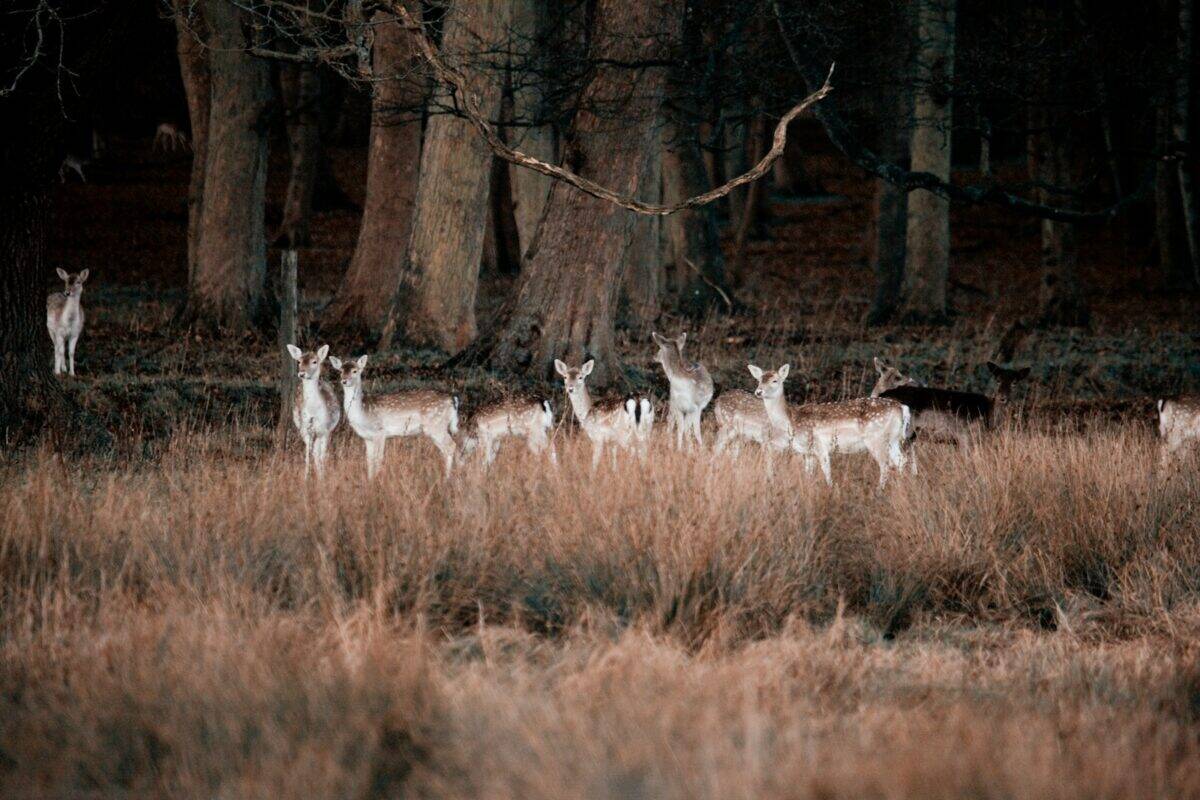
Deer are social animals that often migrate in groups. This collective movement offers protection against predators and facilitates the sharing of crucial information about resources and danger. Observing these social structures during migrations can reveal fascinating insights into group dynamics and cooperative behaviors among deer populations.
Conservation Implications of Migration Studies

Detailed studies of deer movements have profound conservation implications. Understanding migratory routes and the threats they face allows conservationists to craft effective management strategies. Protecting these routes is crucial for maintaining healthy deer populations and preserving ecosystem integrity.
Lessons in Adaptation and Resilience
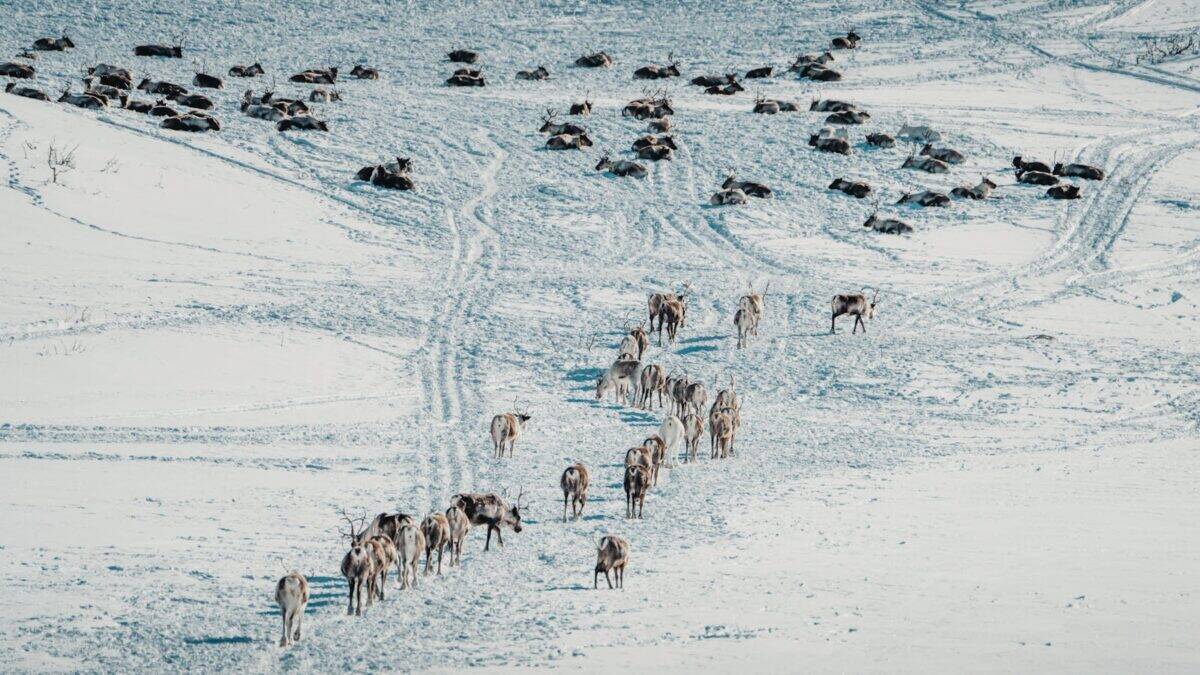
Deer migrations exemplify resilience and adaptability in the face of environmental changes. By observing and analyzing these patterns, we gain valuable lessons on how species have evolved mechanisms to withstand and thrive amidst challenges. These insights can inspire broader conservation efforts aimed at other migratory species facing similar threats.
A Gateway to Understanding Ecosystem Dynamics
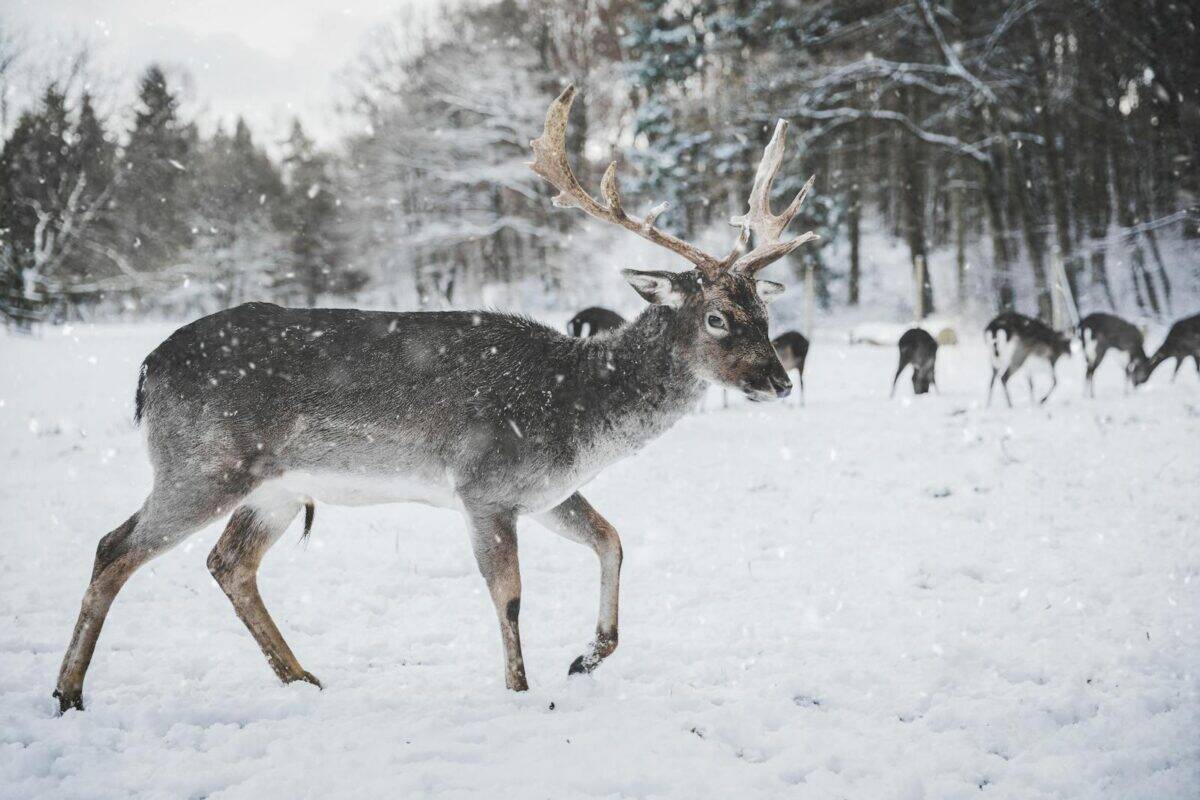
Ultimately, the study of deer migration serves as a gateway to understanding the broader dynamics of ecosystems. By unraveling the intricate web of interactions between deer and their environment, we gain a comprehensive view of the ecological processes that sustain biodiversity and the importance of preserving them in an ever-changing world.
In conclusion, the seasonal movements of deer provide an extraordinary lens through which to study ecological relationships and environmental change. From understanding migration triggers and navigation to recognizing the impacts of human activity, deer offer critical insights that extend beyond their own species. By exploring these rich narratives, we not only deepen our appreciation for these graceful creatures but also foster a more profound commitment to conserving the natural world they inhabit.

- How Rabbits Are Being Used in School Classrooms for Therapy - August 17, 2026
- These Dogs Have Been Trained to Protect Wildlife – Here’s How - August 17, 2026
- This Parrot Species Now Mimics City Sounds to Survive - August 17, 2026