
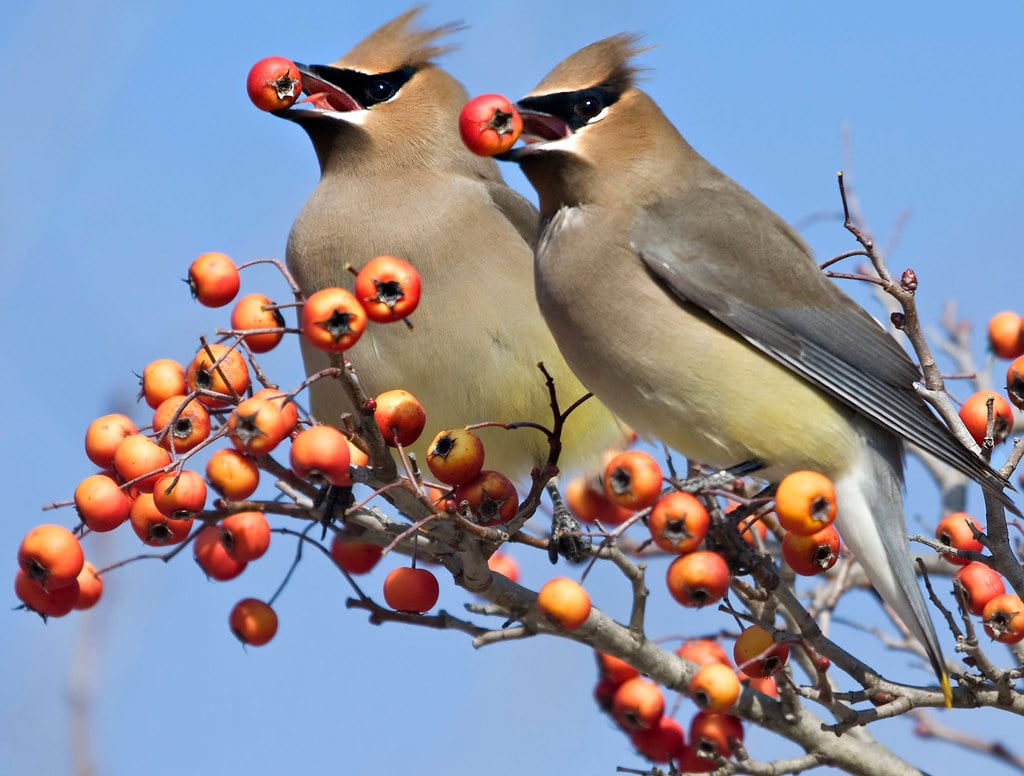
Imagine a line of sleek, masked birds perched on a branch, passing a berry from beak to beak, as if engaged in a delicate dance. This captivating behavior is a hallmark of the Cedar Waxwing, a bird renowned not only for its striking appearance but also for its intriguing social rituals. But why do these birds share berries in such a manner? Let’s delve into the fascinating world of Cedar Waxwings to uncover the reasons behind this communal act.
Social Creatures of the Avian World
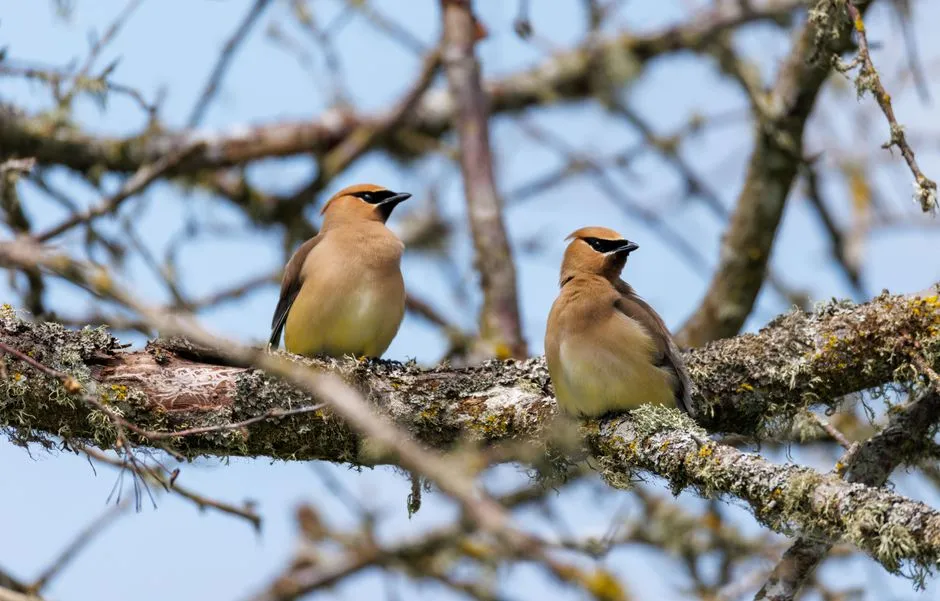
Cedar Waxwings are inherently social birds, rarely seen alone. They form tight-knit flocks that move together in search of food, often descending en masse upon berry-laden trees. This gregarious nature is not just about companionship; it’s a survival strategy. By foraging in groups, they can locate food sources more efficiently and keep a collective watch for predators.
Their synchronized movements and communal feeding habits underscore a deep-seated reliance on group dynamics. This collective behavior ensures that all members have access to nourishment, reinforcing the bonds within the flock.
The Berry-Passing Phenomenon
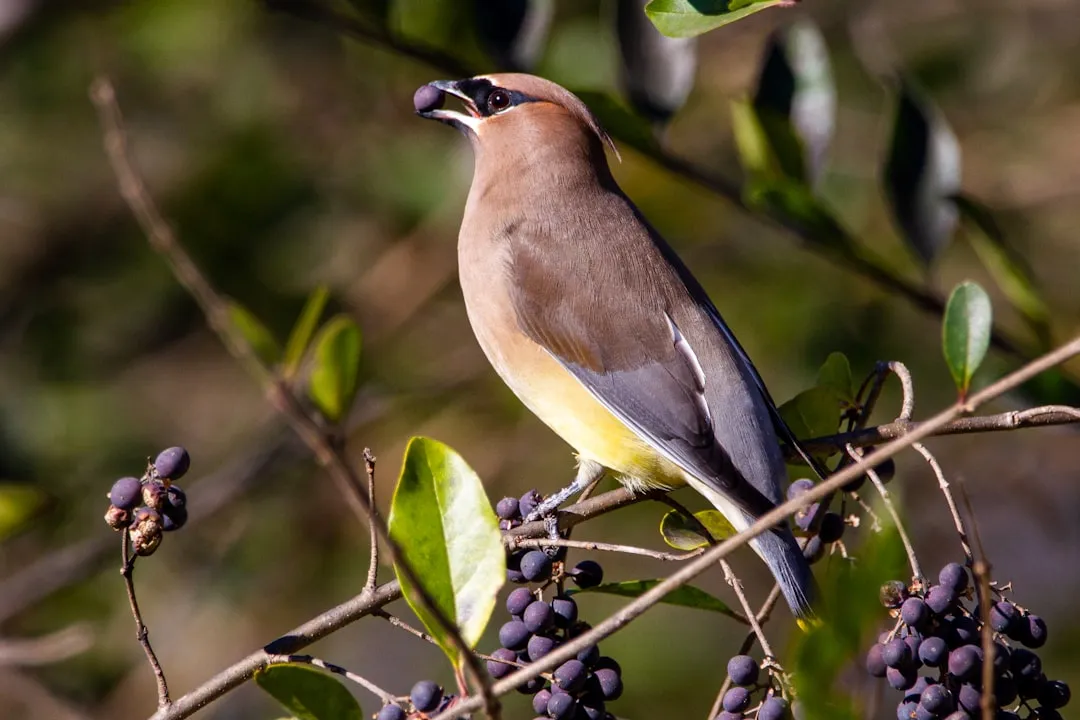
One of the most enchanting behaviors observed in Cedar Waxwings is their tendency to pass berries along a line of birds perched on a branch. This act, where a berry is transferred from beak to beak until one bird finally consumes it, is both puzzling and endearing. While the exact reason remains a subject of study, several theories offer plausible explanations.
Some ornithologists suggest that this behavior is a form of social bonding, strengthening the connections between individual birds. Others believe it may be a way to assess the ripeness or desirability of the fruit, ensuring that only the best berries are consumed. Regardless of the exact cause, this berry-passing ritual highlights the cooperative nature of these birds.
Courtship and Mate Selection

During the breeding season, the berry-passing behavior takes on a romantic hue. Males often present berries or other small objects to females as part of their courtship display. This exchange can continue back and forth multiple times, serving as a mutual display of interest and compatibility.
Such rituals are not merely ornamental; they play a crucial role in mate selection. By engaging in these exchanges, potential mates assess each other’s suitability, ensuring that both partners are committed to the cooperative nature required for raising offspring.
Ensuring Fair Distribution of Food
In situations where food is scarce or access is limited, the berry-passing behavior may serve a practical purpose. By sharing food in this manner, Cedar Waxwings can ensure that all members of the flock receive nourishment, maintaining the health and cohesion of the group.
This equitable distribution is vital, especially during harsh conditions when resources are limited. It reflects an intrinsic understanding among the birds that the survival of the individual is tied to the well-being of the group.
Adaptations to a Fruit-Based Diet
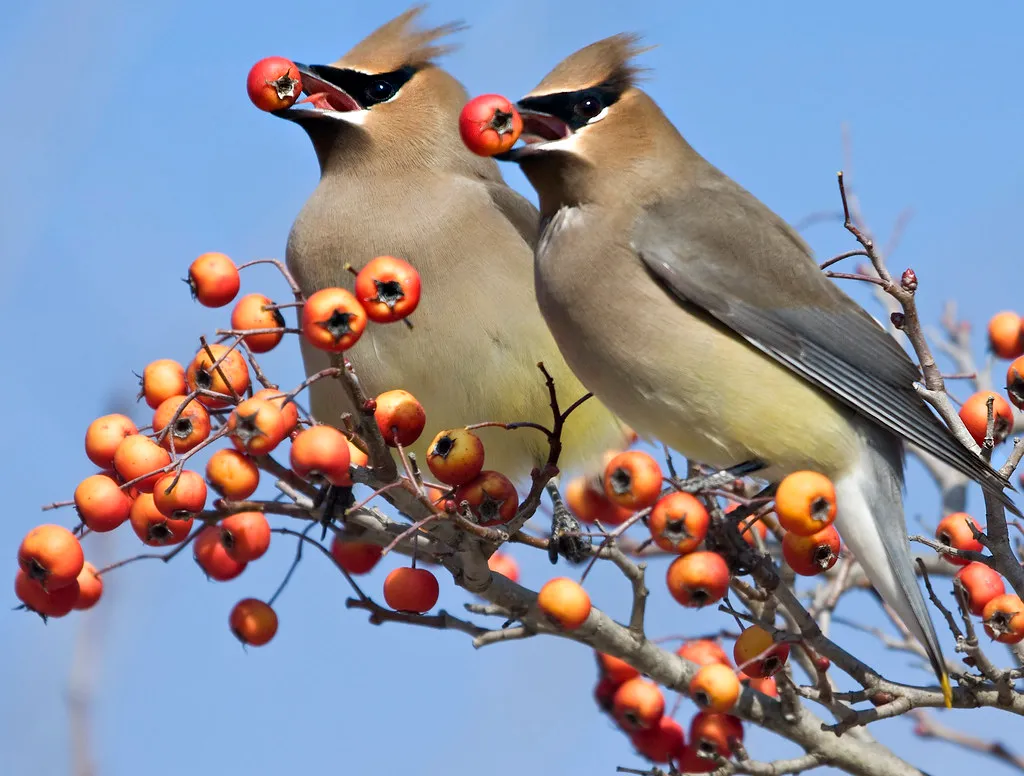
Cedar Waxwings have evolved to thrive on a diet predominantly composed of fruit. Their digestive systems are adept at processing sugary berries, allowing them to extract maximum nutrition. However, this diet also presents challenges, such as the risk of consuming fermented fruit, which can lead to intoxication.
The berry-passing behavior might also serve as a mechanism to assess the quality of the fruit. By passing a berry along, birds can collectively determine its suitability for consumption, reducing the risk of ingesting spoiled or harmful food.
Communication and Learning
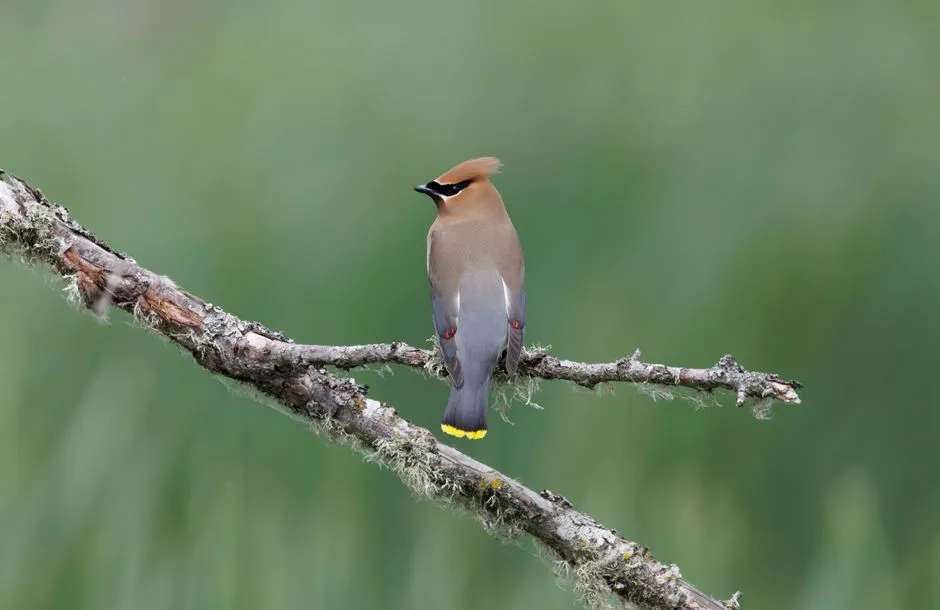
Beyond its immediate practical benefits, the berry-passing ritual may also function as a form of communication and learning within the flock. Younger or less experienced birds can observe and participate in this behavior, gaining insights into social dynamics and foraging strategies.
This communal activity fosters a culture of cooperation and shared knowledge, ensuring that essential survival skills are passed down through generations.
Conclusion
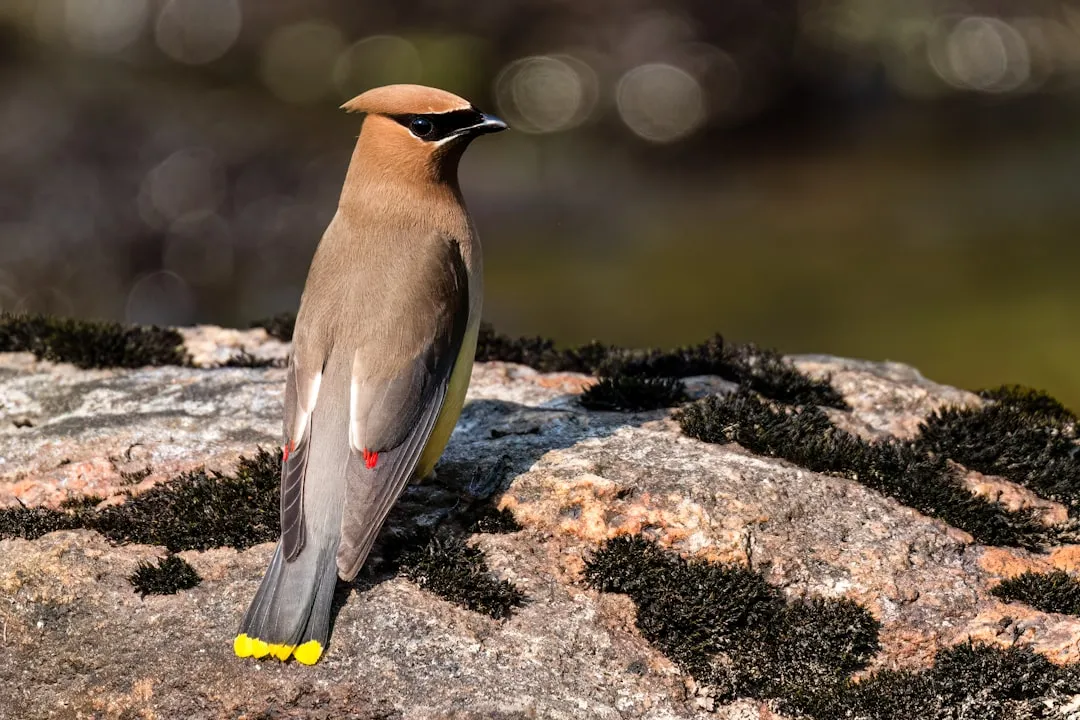
The berry-passing behavior of Cedar Waxwings is a testament to the intricate social structures and cooperative strategies that define their existence. Whether as a courtship ritual, a means of equitable food distribution, or a method of assessing fruit quality, this behavior underscores the importance of community and collaboration in the natural world. Observing such acts reminds us of the complex and often harmonious relationships that exist in nature. Isn’t it fascinating how even the simplest actions can reveal profound insights into the lives of these remarkable birds?
