

There’s a particular kind of silence that follows a volcanic eruption. Not the peaceful quiet of a forest at dawn, but something heavier. A stillness that reads more like an ending than a pause. When Mount St. Helens erupted in 1980, its fiery blast of molten rock and scorching ash left miles of the surrounding landscape in ruins. Every plant, tree, and living thing in its path was incinerated or buried under volcanic debris. It was hard, looking at what remained, to imagine that anything would return.
What did return, eventually, didn’t arrive on the wings of some grand environmental rescue effort. It came through tunnels no wider than a fist, dug by a small, furry, rather irritable rodent that most people would never think twice about. The story of how pocket gophers helped reboot one of the most devastated landscapes in American history is one of those rare ecological accounts that forces you to rethink what “small” really means in nature.
The Morning Everything Changed
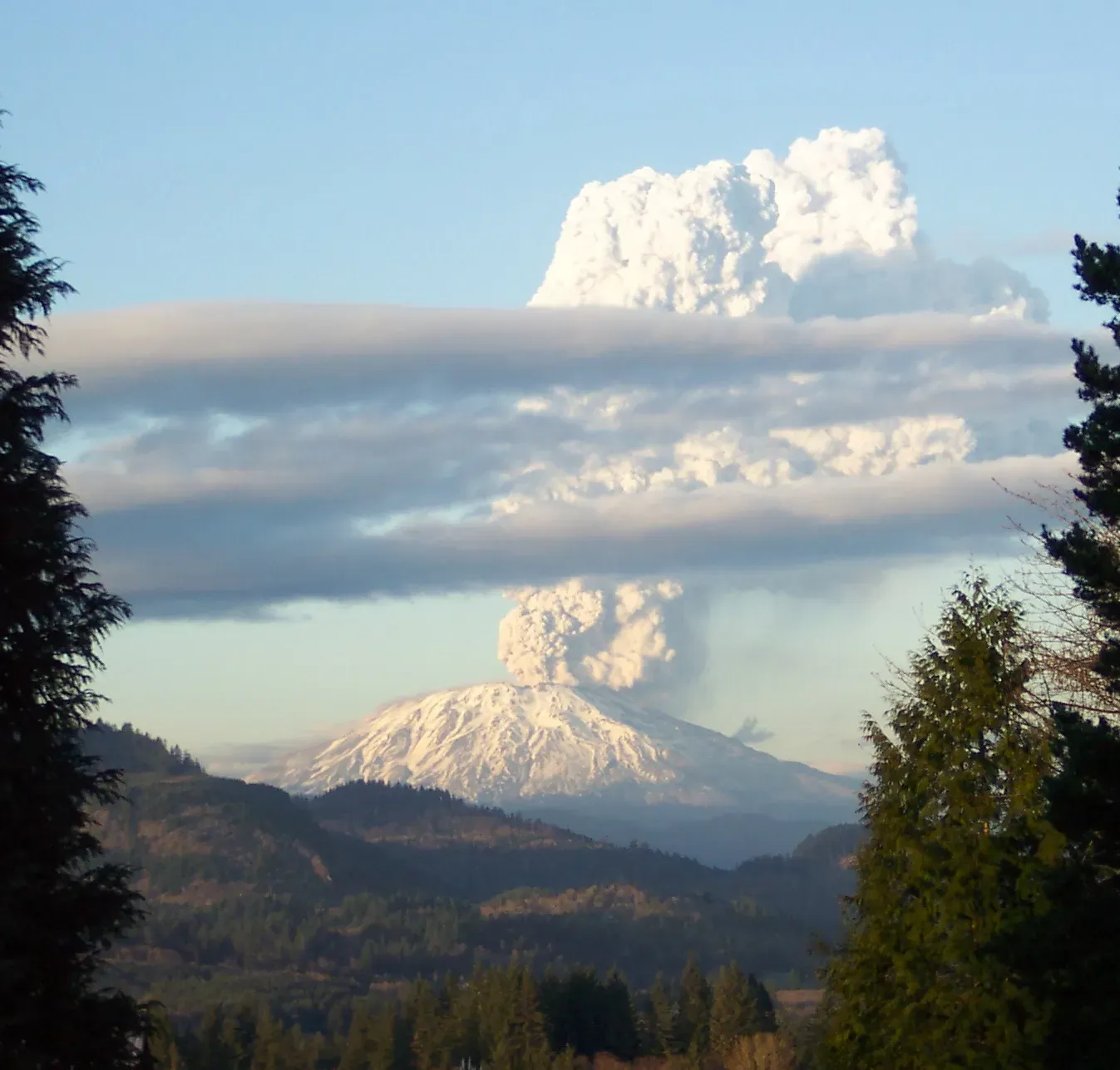
On May 18, 1980, at 8:32 a.m., Mount St. Helens in Skamania County, Washington, experienced a catastrophic explosive eruption. An earthquake caused the entire weakened north face to slide away in a sector collapse that was the largest subaerial landslide in recorded history.
The eruption of Mount St. Helens emitted 1.5 million metric tons of sulfur dioxide into the atmosphere while its pyroclastic lava flow incinerated virtually everything within a 230-square-mile radius. An eruption column rose 80,000 feet into the atmosphere and deposited ash in eleven U.S. states and various Canadian provinces.
Hundreds of square miles were reduced to wasteland, causing over one billion dollars in damage, thousands of animals were killed, and Mount St. Helens was left with a crater on its north side. About 57 people were killed directly from the blast, and 200 houses, 47 bridges, 15 miles of railways, and 185 miles of highway were destroyed.
A Landscape Stripped to Nothing
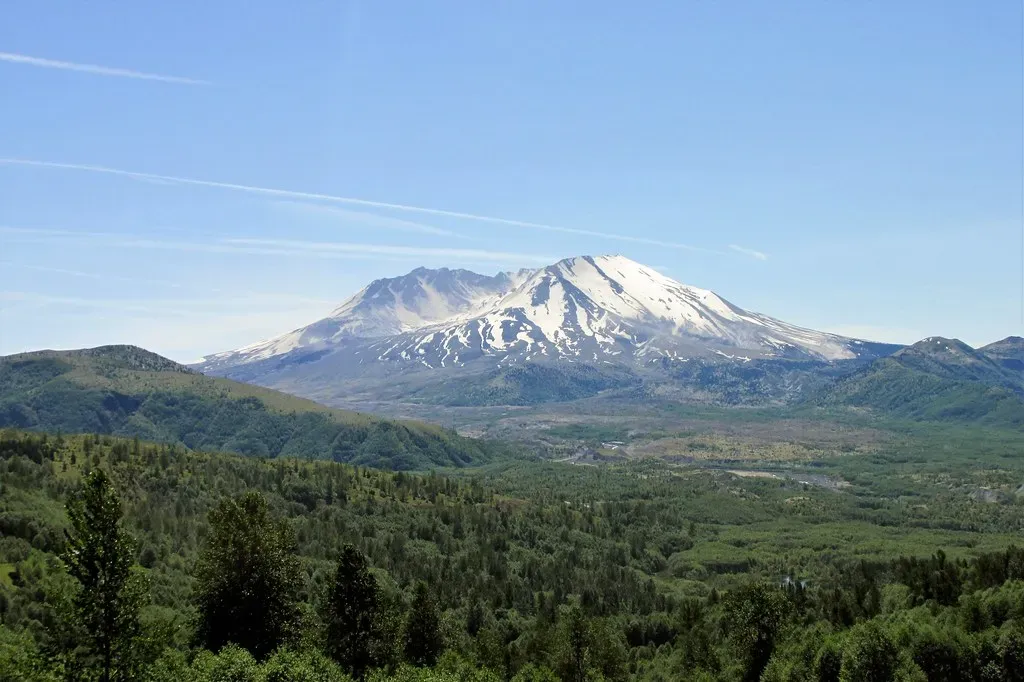
First, heat and poisonous gas from the volcano sterilized the land surface, and then the land was buried under many meters of ash, mud, and rock. Within a few miles of the collapsed Mount St. Helens, nearly every living creature perished.
Wildlife in the Mount St. Helens area also suffered heavily. The Washington State Department of Game estimated that nearly 7,000 big game animals, including deer, elk, and bear, perished in the area most affected by the eruption, as well as all birds and most small mammals.
The 1980 eruption left large areas of ash and pumice that were extremely low in organic matter and nutrients. The USGS records the ash cloud circled the Earth in about 15 days as high-altitude winds dispersed material globally. The volcanic ash deposited by Mount St. Helens was not inherently fertile. It was, in many ways, chemically hostile to plant life, lacking the organic matter and microbial communities that healthy soil depends on. Plants need more than just minerals; they need a living, breathing soil ecosystem.
A Blank Slate for Science
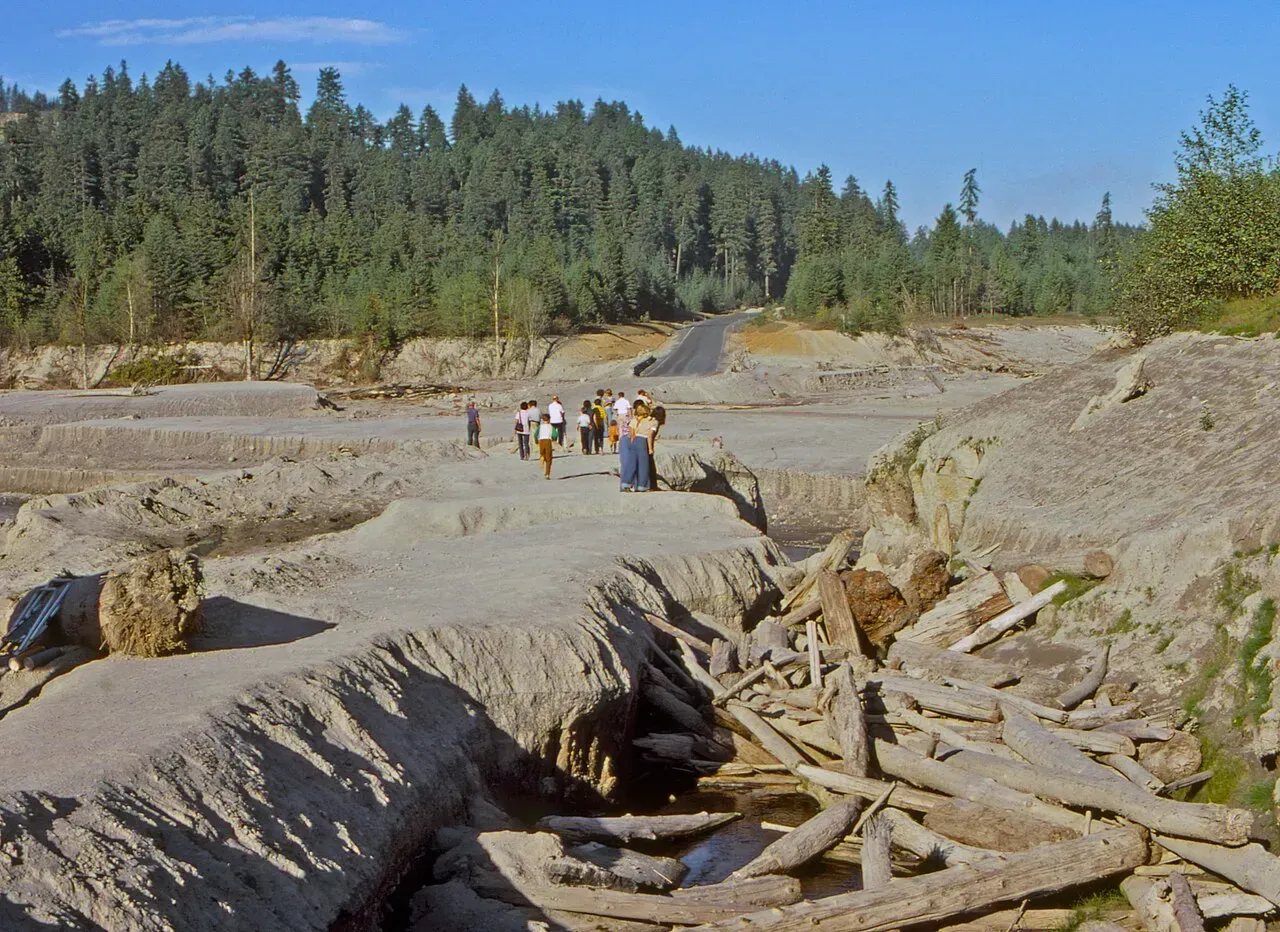
For scientists, this offered a unique natural laboratory to explore how life could begin anew on a landscape so thoroughly devastated. Mount St. Helens became one of the most studied ecosystems on the planet after the eruption precisely because it offered scientists a rare, large-scale natural experiment. The blast zone was essentially a blank slate, and researchers could watch ecological succession unfold in real time, something that’s almost impossible to observe in established ecosystems.
The role of small mammals, especially gophers, was not initially predicted to be so pivotal. Early ecological models focused on wind-dispersed seeds and pioneer plant species as the primary drivers of recovery. Nature, as it turned out, had other plans.
Even the seeds that birds had dropped in the area were struggling to grow. Once the blistering blast of ash and debris cooled, scientists theorized that by digging up beneficial bacteria and fungi, gophers might be able to help regenerate lost plant and animal life on the mountain.
The Experiment: Gophers by Helicopter
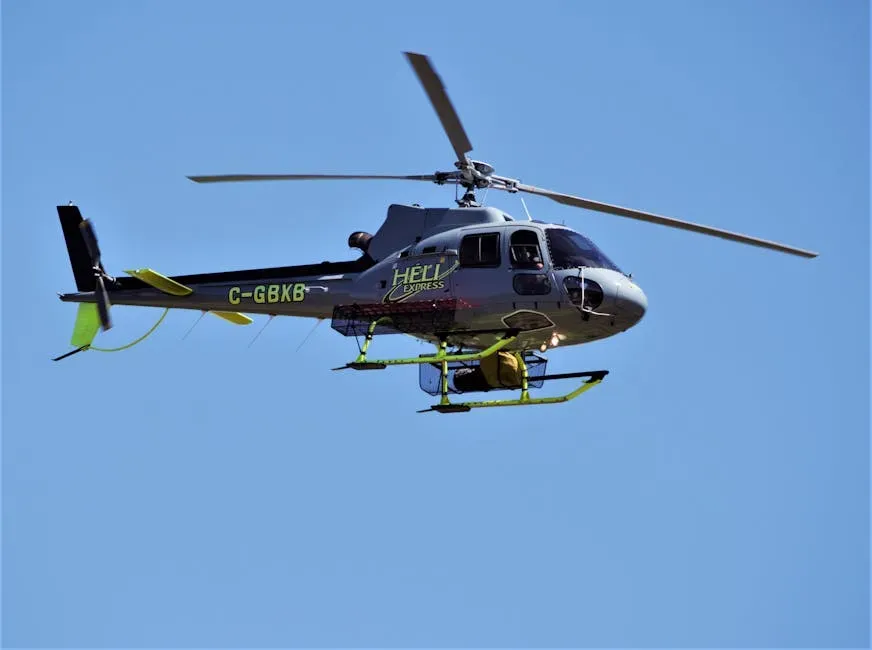
In the early 1980s, scientists transported northern pocket gophers into fenced pumice plots for a mere 24 hours, testing if tiny ecosystem engineers could jump-start a stalled landscape. Brought by helicopter to a barren landscape with pumice stones the size of marbles and golf balls, the animals did what they’ve always done: they started digging.
The gophers were grumpy about being taken from Butte Camp, their home on the southern side of the volcano, to the northern area known as the Pumice Plain. They were not exactly willing volunteers. In 1983, Allen and Utah State University ecologist James McMahon flew by helicopter to the experimental plots, now a harsh, pockmarked landscape of cooling lava and porous pumice. At that time, only a handful of plants managed to eke out a precarious existence in these conditions. A few seeds, scattered by passing birds, had sprouted, but with little nutrients available, the seedlings struggled to survive.
On two designated pumice plots, scientists released a few gophers for a single day to observe how their digging might affect the ecosystem. Within six years, the barren soil had transformed.
What Gophers Actually Did Underground
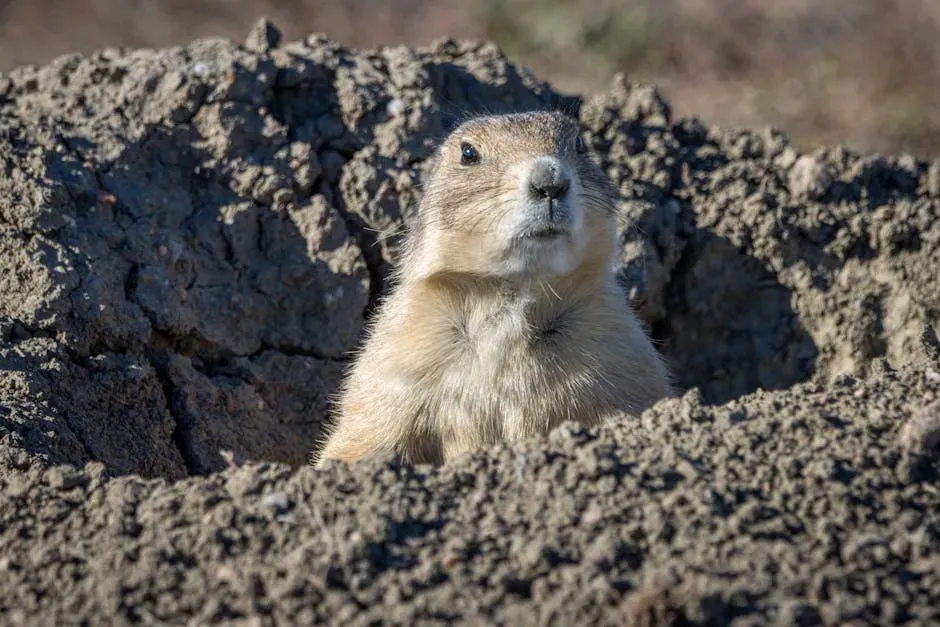
When pocket gophers began digging through the ash layer and mixing it with the older, biologically rich soil beneath, they created something far more hospitable. Their tunnels acted like tiny lifelines, connecting the barren surface to the surviving underground ecosystem. Seeds that fell onto this mixed substrate had a dramatically better chance of germinating and taking hold.
Part of the credit goes to the gopher’s diligent digging, which cycled fertile materials back toward the surface. They also left things behind, from their droppings to spores and fungi. The gophers brought a sampling of life-supporting material from their home forests, including soil spores and seeds held in their digestive tract, in their claws and on their fur.
Biologists estimate that one pocket gopher can move the equivalent of a ton of soil per year, which helped bring beneficial bacteria and fungi that survived the eruption closer to the surface. That’s a remarkable figure for a creature that weighs only a few ounces. Past research has shown how these animals are ecosystem engineers. In a study from 2022, gophers were described as doing simple “farming,” turning over the soil by tunneling, dispersing their waste within their burrows as a form of fertilizer, and harvesting roots for food, showing how their lifestyle can promote rich soils and root production.
The Results: 40,000 Plants from a Single Day
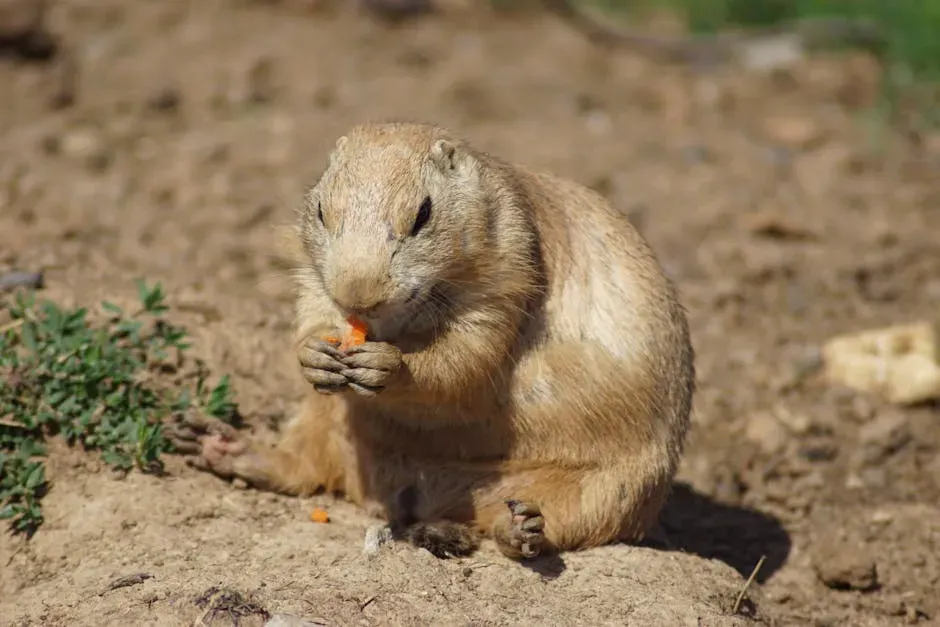
Six years after the gophers were brought in, the land they hadn’t touched remained largely barren, while 40,000 plants grew and thrived in the gopher plots. The contrast was stark enough that it was visible just walking between the two zones. Upon returning six years later, Allen and McMahon noted that the rodents’ work resulted in approximately 40,000 healthy plants across the Pumice Plain and Bear Meadow, as well as the return of native gopher populations. Meanwhile, nearby gopher-less areas remained largely inhospitable for flora.
Over four decades later, new soil samples taken from the same regions still indicated a better fungi and bacteria presence than the areas that did not host gophers. The significance of that finding is hard to overstate. Follow-up observations reported far more plant establishment in gopher-visited plots than in nearby controls. Recent microbiome analysis confirms persistent differences in soil carbon, nitrogen, and fungal communities consistent with a persistent legacy effect.
The study also shed light on how microbial networks affected other areas of the mountain’s recovery. On one side of Mount St. Helens, an old-growth forest lay under layers of ash. Initially, scientists feared that this thick coating would trap heat and destroy the needles of pine, spruce, and Douglas fir trees, potentially leading to a forest collapse. However, the opposite happened. Decades later, old-growth forest areas had more carbon and nitrogen and benefited from healthier fungal communities compared to clear-cut areas. Trees that lost their needles to the eruption’s dense ash coating also got a boost from mycorrhizal fungi, which ferried nutrients that helped the trees regrow.
What This Means for the Future of Ecosystem Restoration
The single-day effort from the gophers underscores how various parts of an ecosystem are interdependent, especially in landscapes destroyed by natural disasters. The team effort between these rodents and the invisible mycorrhizal fungi has helped restore habitat in the aftermath of the most disastrous volcanic eruption in U.S. history.
These ongoing studies in disturbance ecology have informed recovery planning and management for other disturbed areas, nationally and internationally, after large-scale environmental events, whether due to fires, floods, wind events, or volcanic eruptions. The lessons reach well beyond Washington State.
Mycologist Mia Maltz noted that we cannot ignore the interdependence of all things in nature, especially the things we cannot see like microbes and fungi. That insight carries practical weight. The lasting impact of the gopher visit holds lessons about helping habitats recover after a disaster. Scientists suggest we can mimic gophers by scarifying soils or digging with a gardening tool, and adding in local spores and soil from undisturbed ecosystems. It’s a low-tech, biology-first approach that costs very little and, as the data suggests, can reverberate for decades.
Conclusion: The Smallest Engineers Leave the Deepest Marks
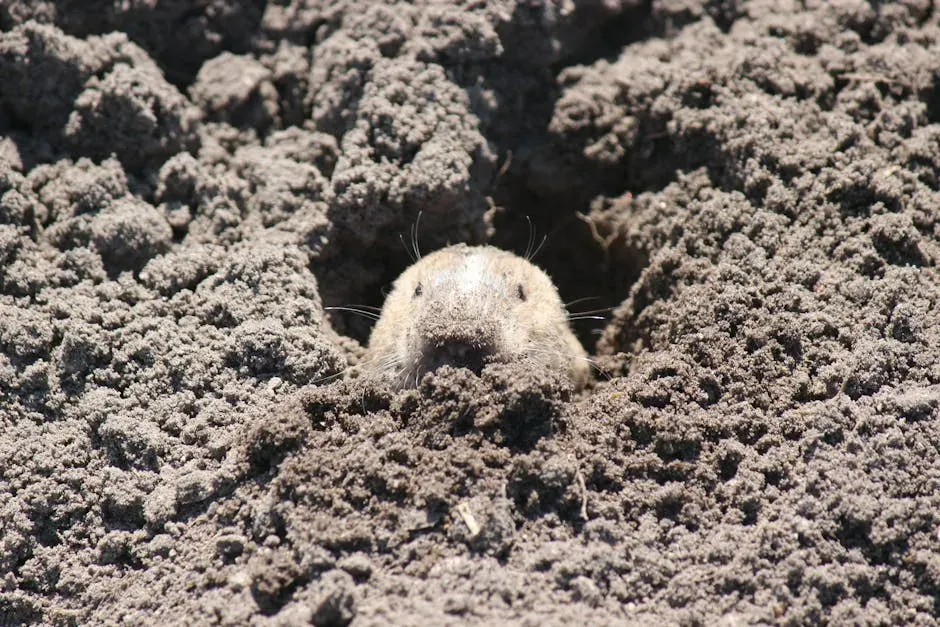
The gophers’ actions seemed small, even to the scientists who were studying them. After all, each one weighed just a handful of ounces. Yet the scale of their impact, measured four decades on in soil chemistry, plant diversity, and fungal communities, tells a very different story.
Ecologists increasingly talk about ecosystem engineers, organisms whose physical activities fundamentally reshape the environment around them. Pocket gophers deserve a spot on that list, even if they’ll never make the cover of a wildlife magazine.
There’s something genuinely humbling about the Mount St. Helens story. A mountain blew apart with the force of thousands of nuclear weapons, and part of what helped it come back to life was a grumpy little rodent, airlifted in against its will, given a single day to dig around. As researcher Michael Allen later reflected: “In the 1980s, we were just testing the short-term reaction. Who would have predicted you could toss a gopher in for a day and see a residual effect 40 years later?”
The answer, it turns out, was buried in the soil all along.
