

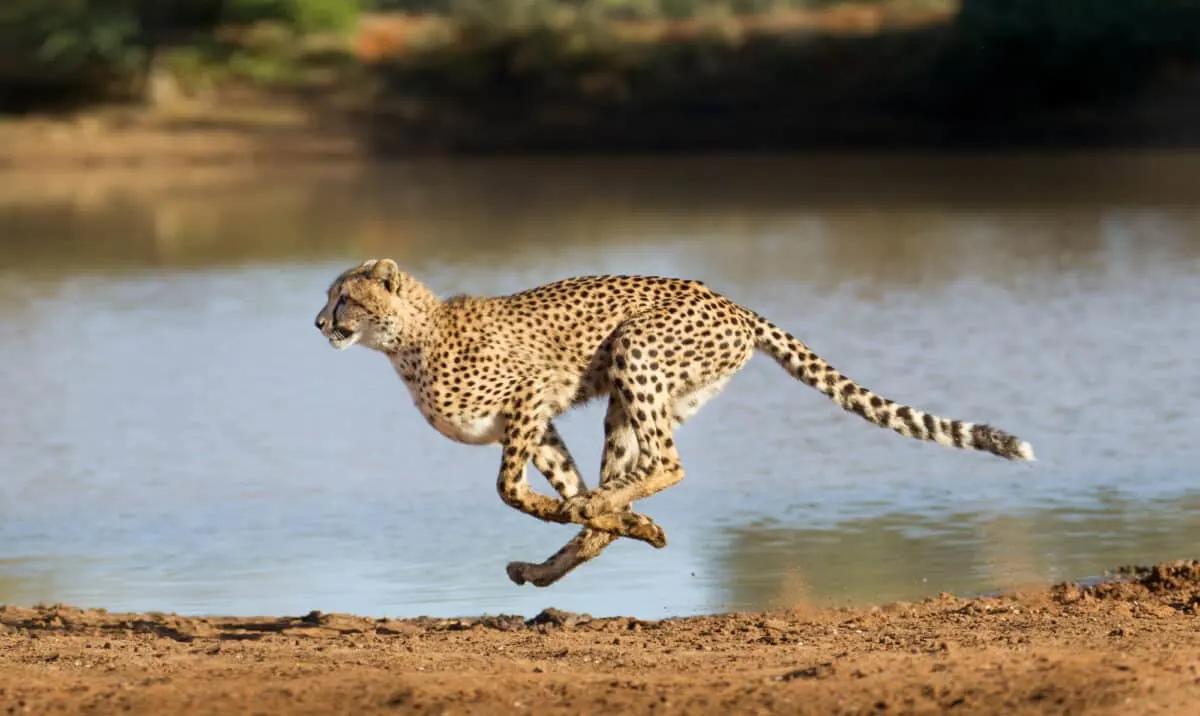
In the vast savannas of Africa, the cheetah stands as nature’s ultimate sprinter, capable of reaching speeds up to 70 mph (113 km/h) in just a few seconds. This remarkable ability, however, comes at a significant cost. Evolution has shaped the cheetah through millions of years of natural selection, crafting a predator that sacrificed brute strength for unparalleled acceleration and velocity. This evolutionary trade-off is evident in nearly every aspect of the cheetah’s anatomy, from its lightweight skeleton to its specialized muscle fibers.
Unlike lions or leopards that rely on power to take down prey, cheetahs represent a different evolutionary strategy altogether. Their adaptation for speed has come at the expense of the robust build that characterizes other big cats. This fundamental trade-off demonstrates a fascinating principle in evolutionary biology: specialization in one area often necessitates compromise in others. The cheetah’s entire existence is a testament to the evolutionary prioritization of velocity over power, creating a predator that relies on brief, explosive bursts of speed rather than sustained strength.
A Lightweight Frame Built for Velocity
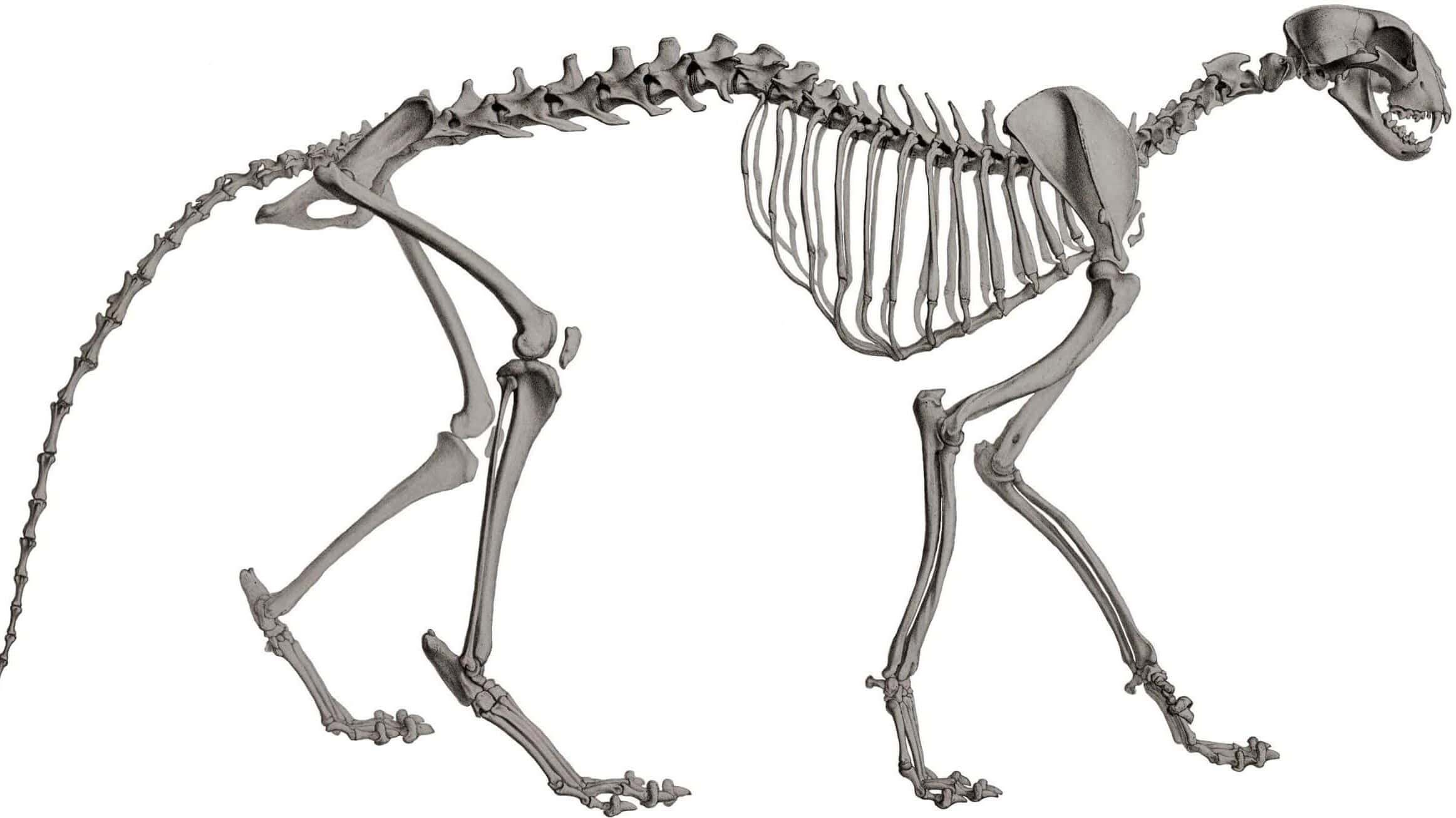
The cheetah’s skeleton is remarkably different from other big cats, designed for minimal weight and maximum speed. Weighing between 70-145 pounds (32-65 kg), cheetahs are significantly lighter than lions, which can weigh up to 420 pounds (190 kg). This lightweight frame is achieved through several adaptations, including hollow, thin bones that reduce overall mass while maintaining structural integrity. Even the cheetah’s skull is smaller and lighter than those of other similarly-sized predators, reducing frontal weight that would otherwise slow them down during high-speed pursuits.
This lighter skeletal structure creates an inherent fragility compared to other big cats. The trade-off is clear: what the cheetah gains in speed, it loses in robustness. The lightweight frame cannot withstand the same physical stresses that a lion or leopard’s skeleton can endure. This explains why cheetahs avoid physical confrontations with other predators and why they cannot drag heavy prey up trees like leopards. Their skeletons are literally built to minimize weight for maximum acceleration, not to endure the forces associated with power-based hunting or fighting.
Specialized Muscles: Quality Over Quantity

The cheetah’s musculature is specialized for explosive acceleration rather than sustained strength. Unlike other big cats that possess greater muscle mass for power, cheetahs have a higher percentage of fast-twitch muscle fibers. These fibers contract quickly and generate rapid force but fatigue faster than slow-twitch fibers. This specialization allows for the incredible burst of speed that characterizes a cheetah’s hunt but limits their endurance to just about 20-30 seconds of all-out sprinting before they must rest or risk dangerous overheating.
Research has shown that cheetahs have a remarkably high concentration of these fast-twitch fibers, particularly in their hindquarters and along their spine. The distribution of muscle across their body is also telling – with more development in areas that contribute to forward propulsion and less bulk in regions that would add unnecessary weight. Their muscles operate like finely-tuned racing engines that produce maximum power output for a limited time, rather than the “heavy-duty” muscles of lions that allow for sustained grappling with large prey. This muscle composition is perfect for their hunting strategy but renders them physically outmatched in direct confrontations with other predators.
The Cheetah’s Spine: A Biological Spring
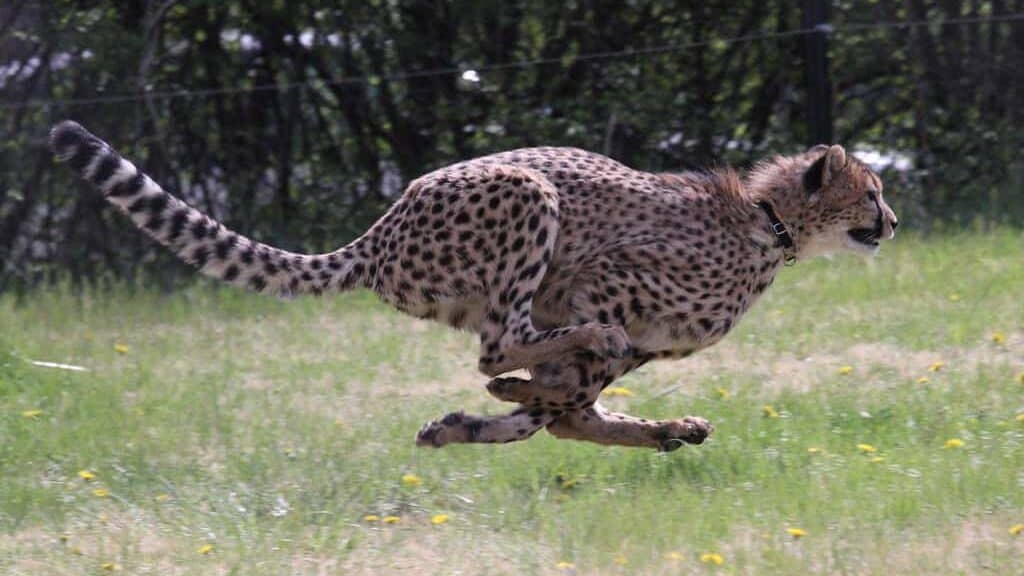
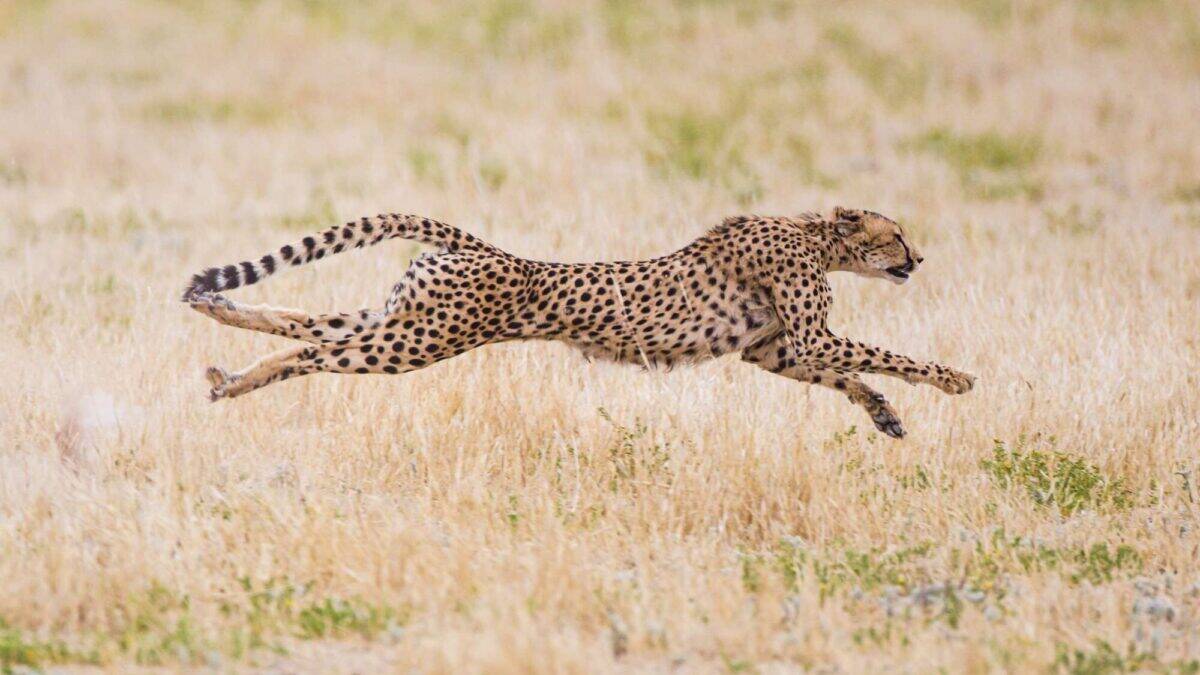
Perhaps the most remarkable adaptation in the cheetah’s body is its flexible spine, which acts as a biological spring during high-speed running. While most big cats have rigid spines that provide stability for powerful movements, the cheetah’s spine can flex and extend dramatically with each stride. This flexibility allows for stride lengths of up to 25 feet (7.6 meters) when running at full speed. During a sprint, the spine compresses and extends, working in conjunction with specialized muscles to propel the cheetah forward with extraordinary efficiency.
This highly flexible spine is complemented by a specialized hip structure that allows for greater rotation and extension of the hindlimbs. The vertebrae themselves are adapted to permit this extreme flexibility, with unique articular processes that facilitate the compression and extension movement. However, this adaptation that enables such impressive speed also means the spine lacks the rigidity needed for power-based activities. A cheetah cannot use its spine to generate the rotational force needed for wrestling large prey to the ground like a lion can. Once again, we see how evolutionary specialization for speed has traded away features that would contribute to strength.
Lean and Mean: The Cheetah’s Slender Body Profile
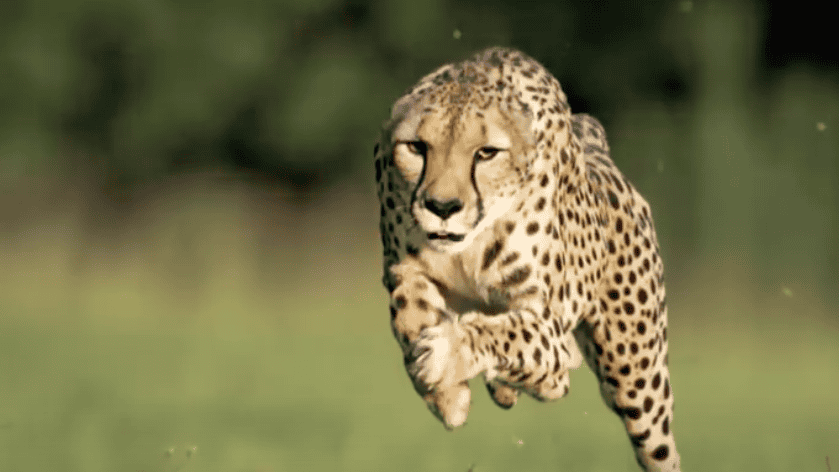
The cheetah’s body is streamlined to minimize air resistance during high-speed pursuits. Their slender profile, narrow waist, and deep chest create an aerodynamic form that slices through the air with minimal drag. This body shape stands in stark contrast to the bulkier, more muscular builds of lions and tigers, which are designed for power rather than aerodynamics. The cheetah’s lean physique allows it to maintain higher speeds but provides less muscle mass for generating raw strength.
Their body fat percentage is also significantly lower than other big cats, typically ranging between 5-10%. This reduced body fat contributes to their lightweight build but also means they have less energy reserves and less protection against injury. The lack of substantial fat and muscle mass makes cheetahs vulnerable to starvation during lean periods and offers less cushioning against impacts. This slender build exemplifies the evolutionary choice made: minimize everything that doesn’t directly contribute to speed, even at the cost of physical resilience and power generation capacity.
The Respiratory System: Built for Oxygen Delivery
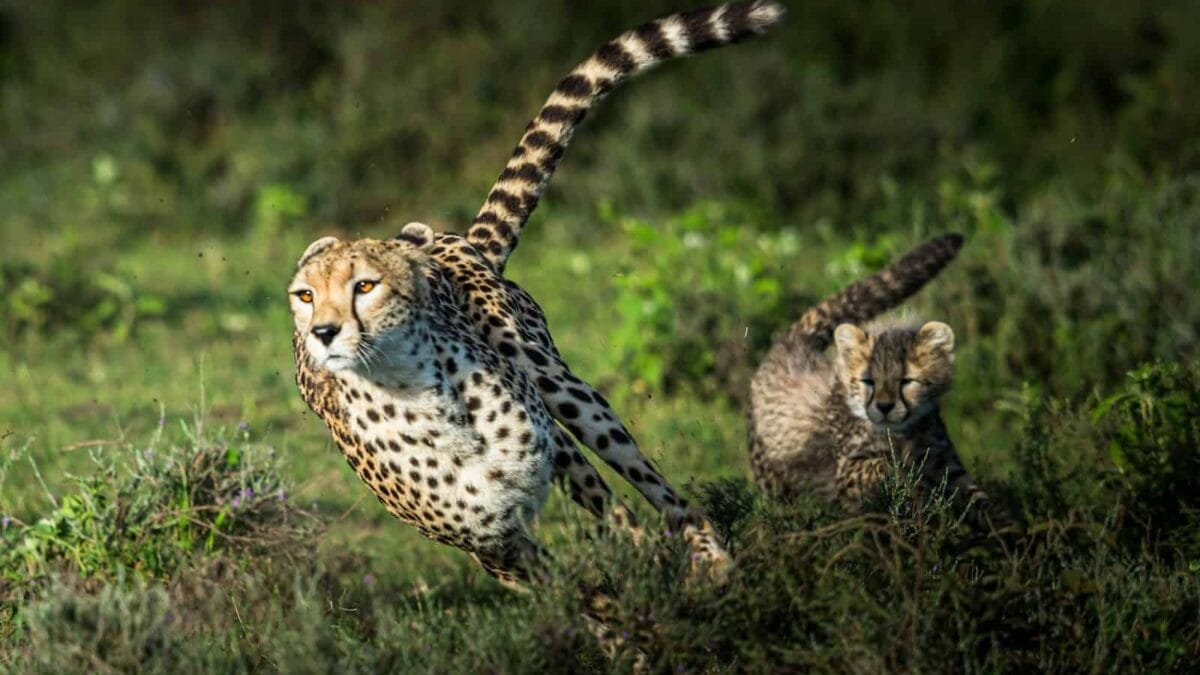
The cheetah’s respiratory system has evolved to support its high-speed lifestyle, featuring enlarged nasal passages, lungs, and heart that enable rapid oxygen uptake and delivery during sprints. Their heart, proportionally larger than in other big cats, can ramp up from about 120 beats per minute at rest to nearly 250 beats per minute during a chase. This enhanced cardiovascular system ensures that oxygen-rich blood reaches the muscles quickly during intense exertion, supporting the metabolic demands of high-speed pursuit.
However, this specialized respiratory system is optimized for short bursts of activity rather than prolonged exertion. Unlike endurance predators that can maintain a moderate pace for extended periods, cheetahs experience rapid oxygen debt during their sprints. After a chase, they must recover for up to 30 minutes before they can run again. This respiratory specialization illustrates another aspect of the speed-strength trade-off: the cheetah’s body prioritizes rapid, efficient oxygen delivery for explosive speed rather than the sustained output needed for protracted physical contests with prey or competitors.
Non-Retractable Claws: Traction Over Combat
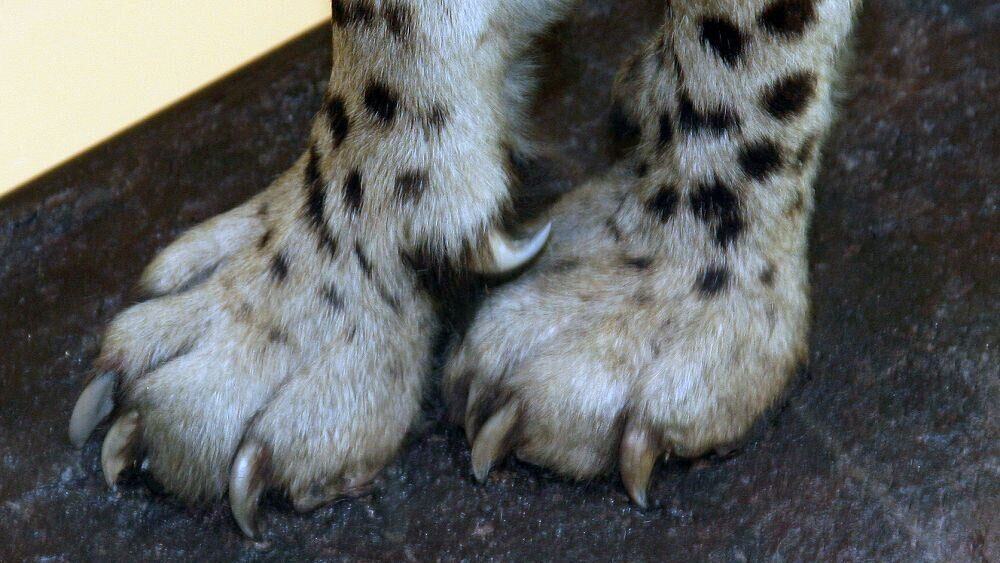
Unlike other felids, cheetahs possess semi-retractable claws that function more like the cleats on a sprinter’s shoes than weapons. These specialized claws provide crucial traction during high-speed turns and acceleration, digging into the ground to prevent slipping. This adaptation represents another evolutionary choice favoring speed over combat ability. While lions and leopards can fully retract their sharp claws to keep them honed for fighting and killing, cheetahs sacrifice this advantage for improved grip during pursuits.
The structure of the cheetah’s claws is also different, being blunter and thicker than the razor-sharp retractable claws of other big cats. This makes them less effective as weapons but more durable for the repeated impact of hitting the ground at high speeds. Additionally, the connective tissue and muscles that control the cheetah’s claws are adapted to keep them partially extended, ready to provide instant traction. This adaptation clearly illustrates how evolution has modified standard feline features to support the cheetah’s specialized hunting strategy at the expense of combat capability.
Small Jaws and Teeth: The Price of a Lightweight Skull

The cheetah’s head is notably smaller than those of other big cats, with a reduced jaw size and smaller teeth. This adaptation minimizes weight at the front of the body, which is crucial for maintaining balance during high-speed running and rapid directional changes. However, this smaller cranial structure means cheetahs have significantly weaker bite force compared to other felids. A cheetah’s bite generates approximately 475 PSI (pounds per square inch) of pressure, compared to a lion’s 650 PSI or a jaguar’s impressive 1,500 PSI.
This weaker bite force directly impacts hunting behavior. Cheetahs must kill their prey through suffocation by clamping their jaws around the throat and cutting off air supply, rather than crushing the windpipe or severing the spinal cord as other big cats can. They cannot break large bones or tear through tough hide as efficiently as their stronger relatives. The reduced dentition is yet another example of the speed-strength trade-off: the lighter skull facilitates the cheetah’s explosive acceleration but limits its ability to subdue large prey through raw power.
Hunting Strategy: Sprints Over Strength
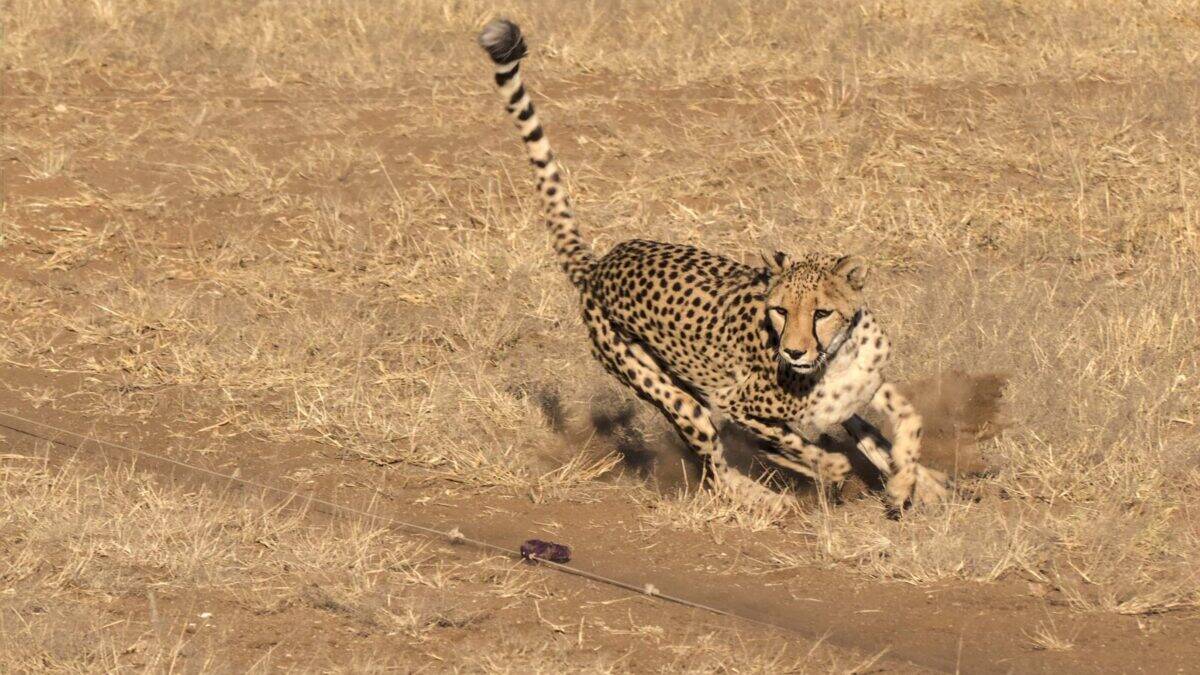
The cheetah’s hunting strategy perfectly reflects its physical adaptations, relying on high-speed ambush rather than strength-based takedowns. A typical hunt begins with careful stalking to within 100 meters of prey, followed by an explosive sprint that reaches maximum speed within just three seconds. The cheetah uses its non-retractable claws and flexible spine to maintain balance while pursuing fleeing prey, often reaching speeds between 50-70 mph (80-113 km/h). Once within striking distance, they use their paw—often with a characteristic swipe to the hindquarters—to trip running prey.
This speed-based hunting method stands in stark contrast to the techniques employed by stronger big cats. Lions often hunt in groups to bring down large prey through overwhelming force. Leopards use their strength to drag kills up trees away from scavengers. Tigers employ ambush tactics that rely on powerful limbs to grapple with prey. The cheetah, unable to match these feats of strength, has perfected a hunting strategy that capitalizes on its unparalleled acceleration and velocity. They typically target smaller prey like gazelles and impalas that can be overpowered after being knocked off balance, rather than attempting to tackle larger animals that would require greater strength to subdue.
Vulnerability to Competitors: The Downside of Specialization
The cheetah’s evolutionary focus on speed over strength creates a significant vulnerability in Africa’s competitive predator landscape. After a successful hunt, cheetahs frequently lose their kills to stronger predators like lions, hyenas, and leopards. Studies in the Serengeti have shown that cheetahs may lose up to 10-15% of their kills to larger carnivores. Unlike lions that can defend their prey through collective strength or leopards that can hoist carcasses into trees, cheetahs lack the physical power to protect their hard-earned meals from larger competitors.
This vulnerability extends beyond just losing kills. Cheetahs must be constantly vigilant for larger predators that might view them or their cubs as potential prey. Young cheetahs are particularly vulnerable, with mortality rates reaching 90% in some areas heavily populated by lions and hyenas. Adult cheetahs avoid direct confrontation whenever possible, relying on vigilance and flight rather than fight. This constant pressure from stronger competitors has shaped their behavior, forcing them to hunt during daylight hours when many other predators are resting and to consume their kills as quickly as possible before they attract unwanted attention.
The Cheetah’s Delicate Ecological Balance
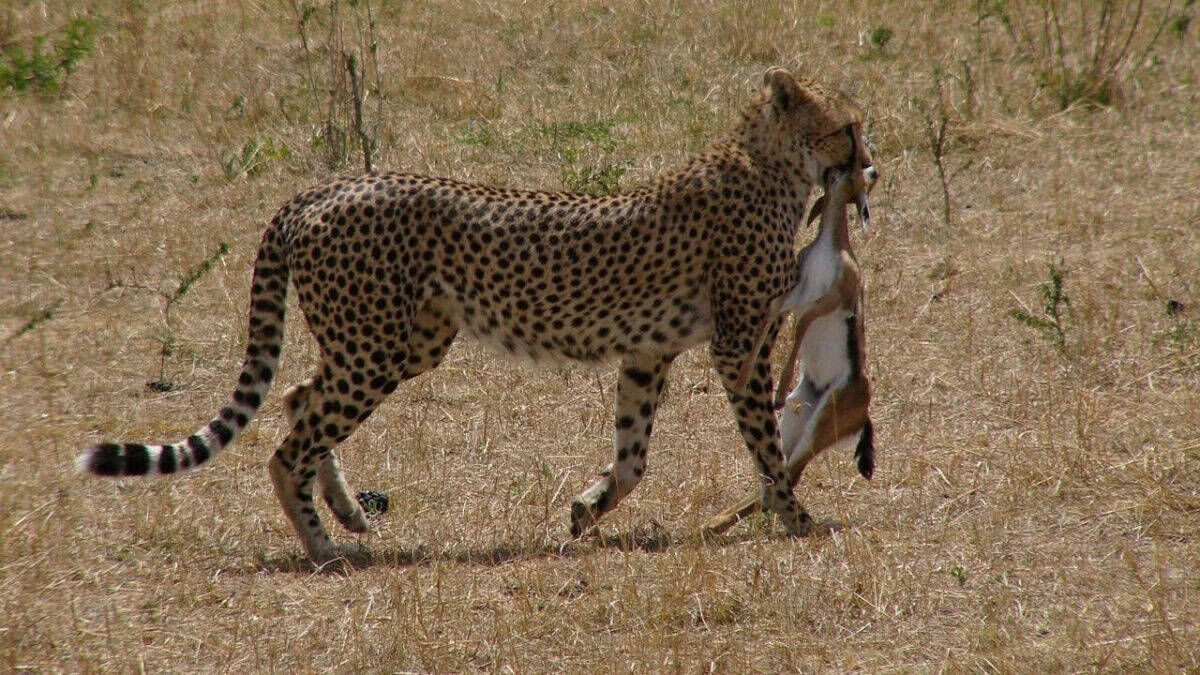
The cheetah’s extreme specialization for speed has placed it in a precarious ecological position. Unlike more adaptable predators with greater physical strength, cheetahs require specific habitat conditions to thrive. They need open or semi-open landscapes that allow them to spot prey from a distance and utilize their speed advantage. As these habitats shrink due to human activity and climate change, cheetahs face greater challenges than more versatile predators. Their population has declined from an estimated 100,000 in 1900 to fewer than 7,000 today, highlighting the vulnerability that comes with such specialized adaptations.
This specialization also creates metabolic challenges. The energy expenditure required for high-speed pursuits is enormous, with cheetahs burning calories at a rapid rate during hunts. Research indicates that cheetahs must consume approximately 2-4 kg of meat daily to maintain their condition, requiring frequent successful hunts. Their specialized physiology offers little buffer against food scarcity, as they lack the physical strength to take down larger prey that could sustain them for longer periods. In ecological terms, the cheetah represents a high-risk, high-reward evolutionary strategy that maximizes hunting efficiency in specific conditions but lacks the versatility and physical robustness that might help them weather changing environmental circumstances.
The cheetah stands as one of nature’s most remarkable examples of evolutionary specialization, a living demonstration of the principle that adaptation often involves trade-offs. Every aspect of the cheetah’s biology—from its lightweight skeleton and specialized muscles to its semi-retractable claws and flexible spine—has been shaped by natural selection to prioritize speed over strength. This specialized design has created the fastest land animal on Earth but has simultaneously rendered it vulnerable in confrontations with stronger competitors.
Understanding the cheetah’s unique adaptations provides valuable insights into evolutionary biology and ecological specialization. Their story illustrates how natural selection can drive extreme specialization when a particular niche—in this case, the high-speed pursuit predator—offers sufficient advantages to offset its limitations. It also serves as a reminder that in nature, there is rarely a “perfect” design, only trade-offs that balance competing demands.
As we work to conserve this iconic species, appreciating the delicate balance of their adaptations helps us understand their specific needs and vulnerabilities. The cheetah’s precarious position in today’s changing ecosystems reflects both the spectacular success of their evolutionary specialization and its inherent limitations. They remind us that in evolution, as in life, specialization can lead to extraordinary capabilities but often comes at the cost of versatility and resilience in the face of change.
The cheetah, with its breathtaking speed and relative physical fragility, embodies one of evolution’s most beautiful compromises—a predator that abandoned the path of brute force to perfect the art of the sprint, creating a hunting strategy and physical form unlike any other on Earth.

- How Leafcutter Ants Use Fungus to Grow Their Own Food - June 30, 2026
- The Role of Animals in Mexican Folklore and Culture - June 30, 2026
- 9 Times Dogs Showed Unbelievable Loyalty to Their Owners - June 30, 2026