
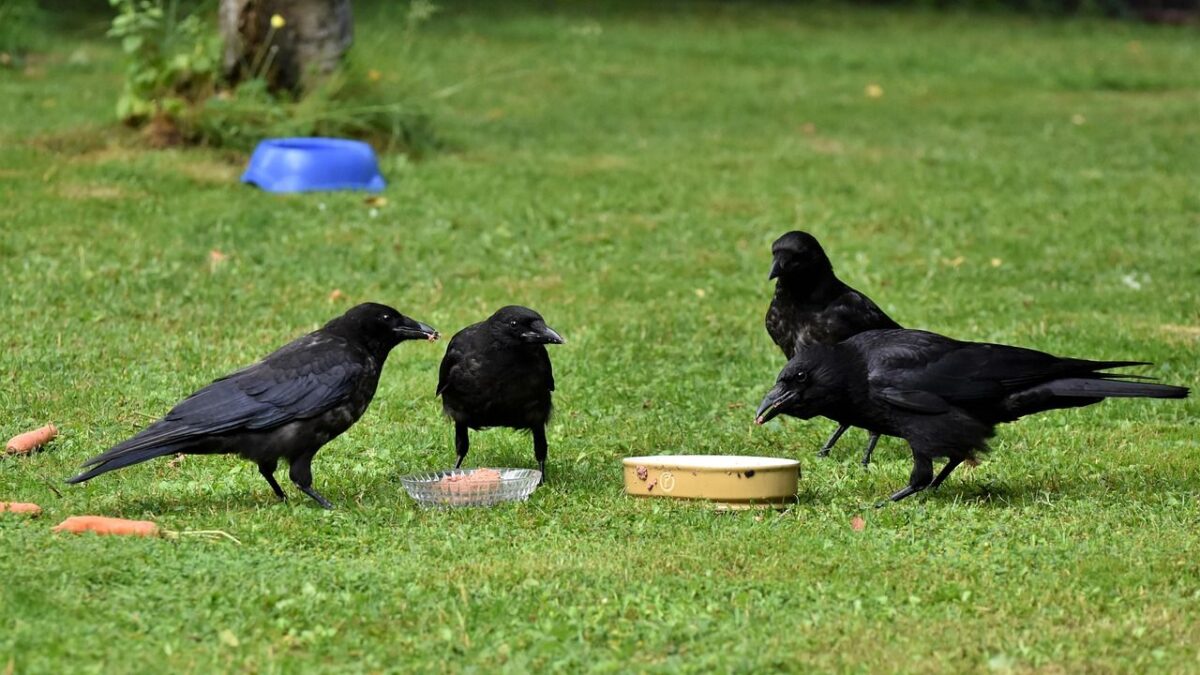
People who feed birds in their yards sometimes notice something unexpected. A crow drops a small object near the feeding spot and flies off. Over time these moments add up and spark real curiosity about what the birds might be doing.
The behavior feels personal yet remains hard to pin down. Crows show remarkable awareness of their surroundings and the humans who share them. That combination keeps observers watching closely for patterns.
Crows Stand Out Among Birds for Their Smarts
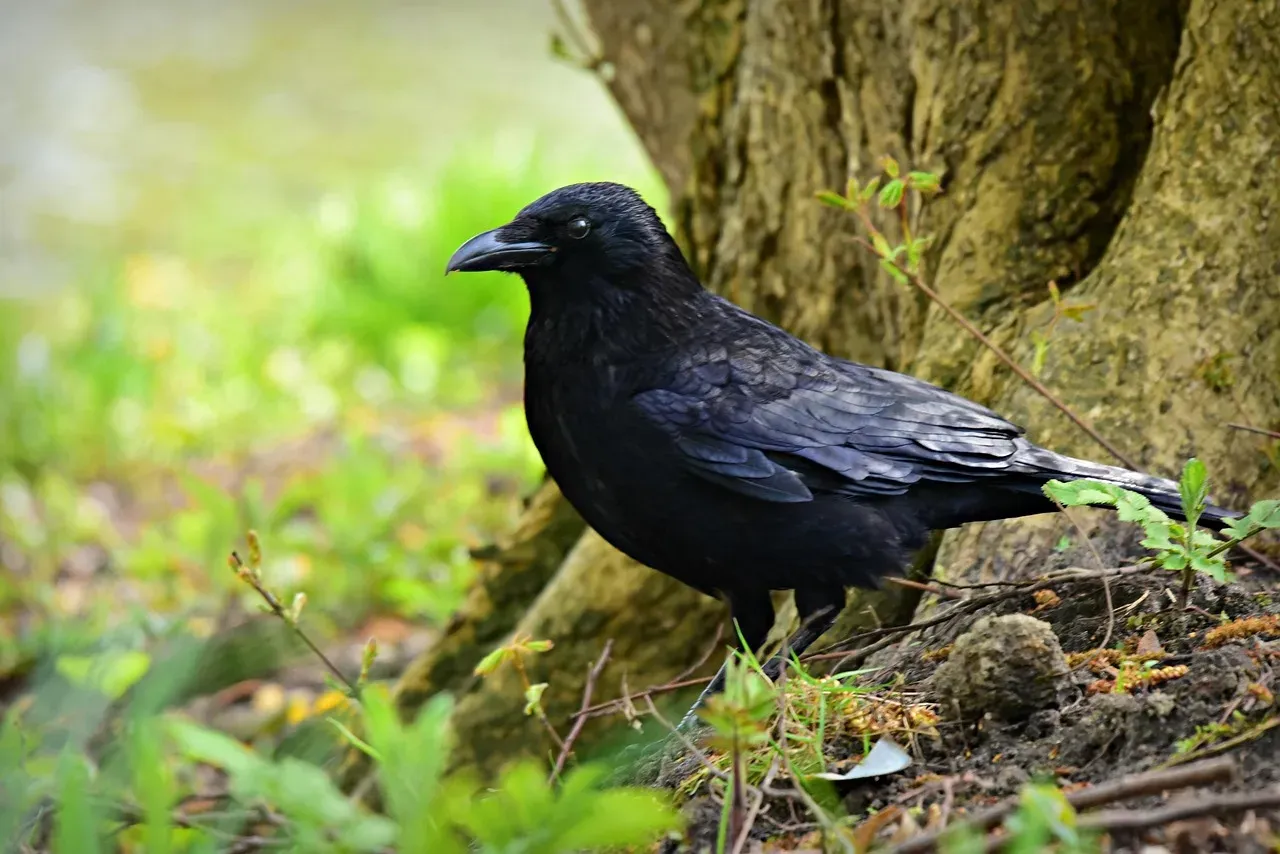
Crows belong to the corvid family and rank among the most intelligent birds studied so far. They solve puzzles, use tools, and plan ahead in ways that surprise researchers. Their large brains relative to body size support these abilities and help them adapt to changing environments.
Observers notice how crows watch people carefully before deciding on their next move. This attentiveness sets them apart from many other common backyard species. The same traits that aid survival also shape their interactions with humans who provide food.
They Remember Individual People Over Time
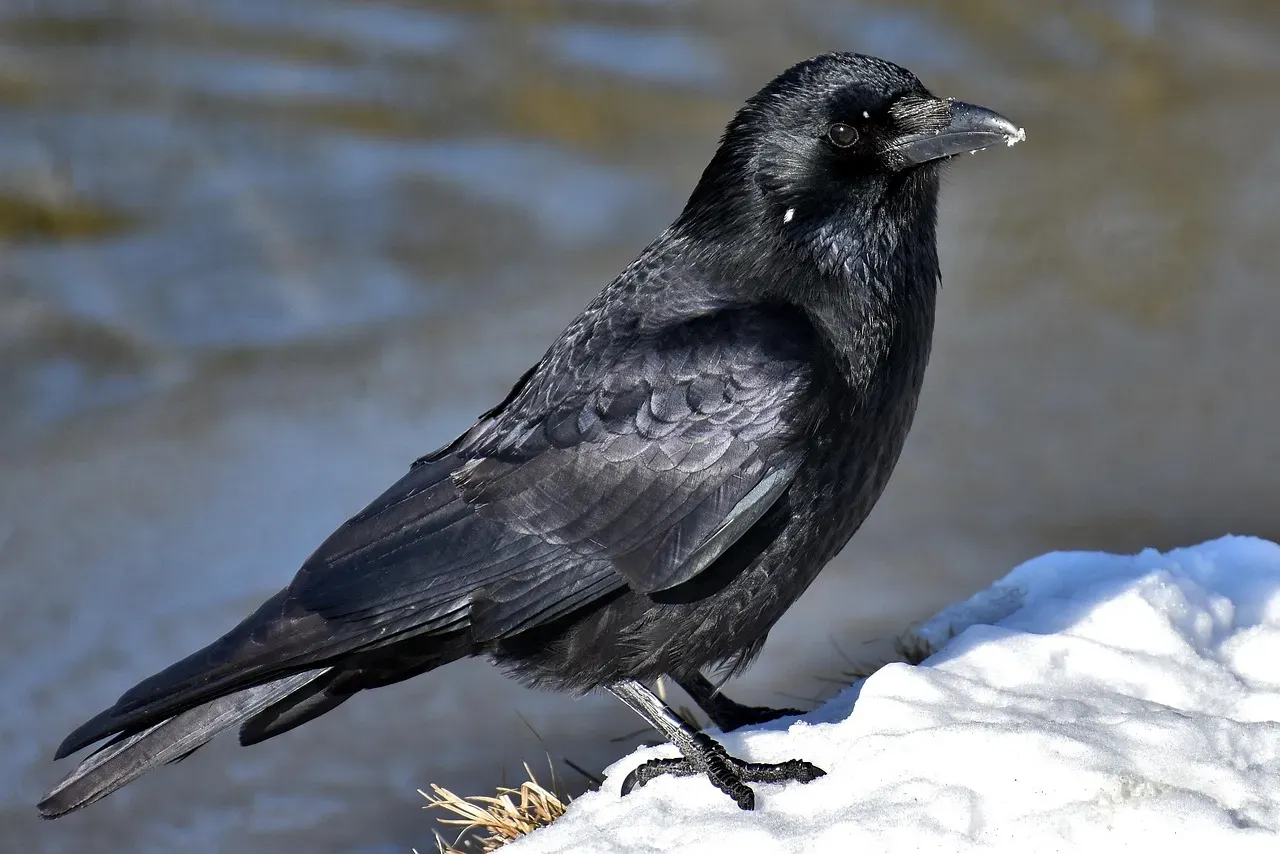
Crows can distinguish one human face from another and hold that memory for years. Experiments have shown they react differently to people who once posed a threat compared with those who stayed neutral or helpful. This long term recognition forms the foundation for repeated encounters at the same location.
When a crow associates a particular person with safety and regular meals, it may return to the same spot day after day. The bird tracks routines and adjusts its own schedule accordingly. Such memory helps explain why only certain feeders receive the occasional object left behind.
Building a Routine Through Consistent Feeding
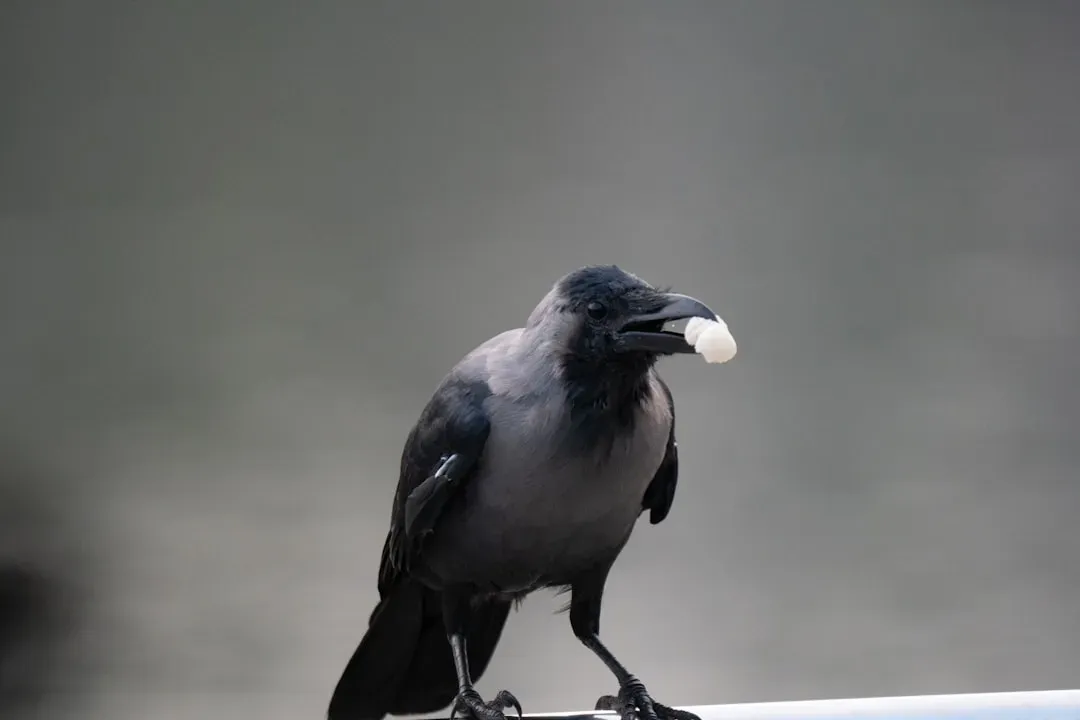
Regular offerings of peanuts or other suitable food create a reliable source that crows come to expect. Over weeks or months the birds learn the timing and location of these handouts. They grow comfortable enough to approach more closely and linger after eating.
Trust builds gradually through calm, predictable behavior from the human side. Crows notice when someone moves slowly and keeps distance during feeding times. That steady presence encourages the birds to treat the area as part of their daily territory.
Accidental Drops or Learned Associations
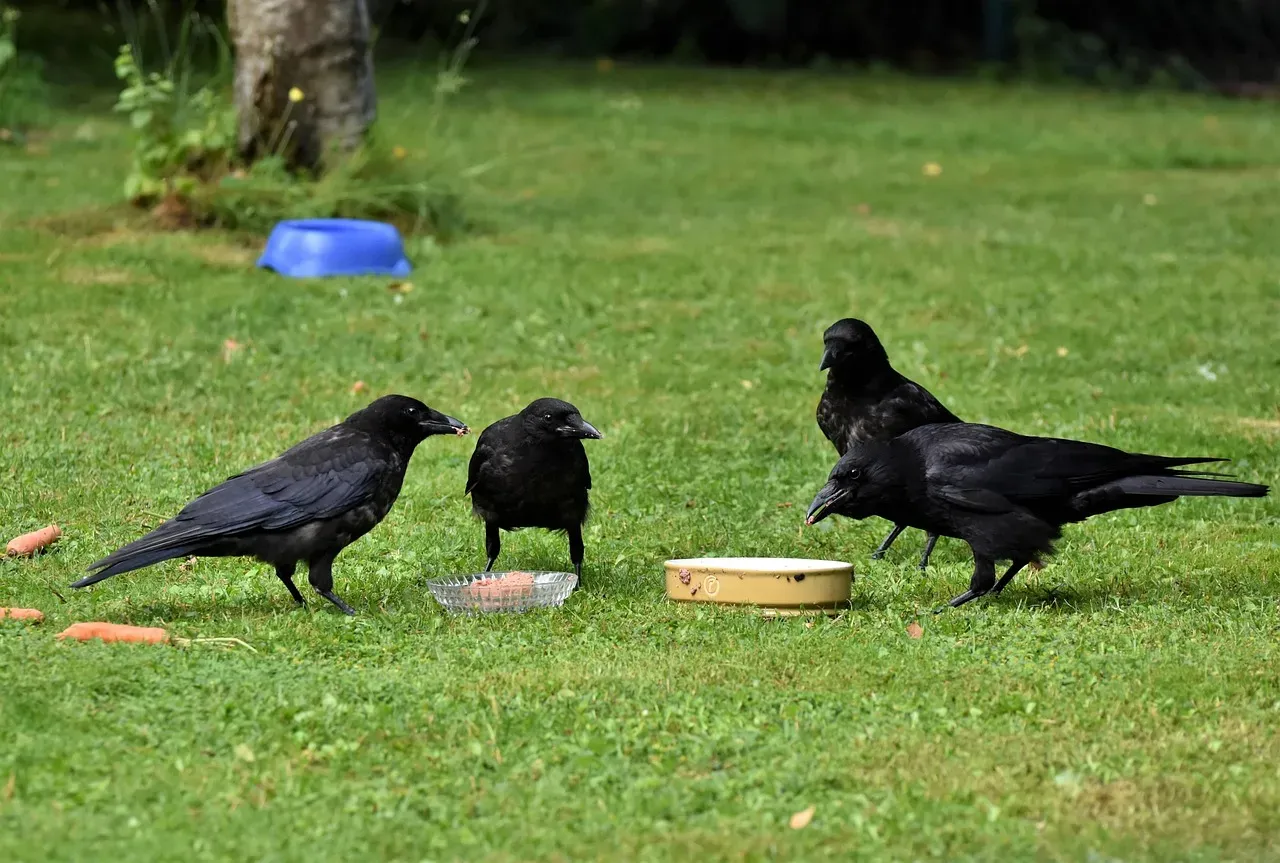
Many scientists point out that crows often carry objects out of simple curiosity and then lose interest. An item dropped near a food source might stay there by chance. If the human responds by putting out more food, the crow could connect the two events over repeated trials.
Learned behavior spreads within family groups as younger crows watch and copy older ones. The action does not require human style gratitude to persist. Instead it reflects practical problem solving that benefits the birds in their search for resources.
The Objects They Choose to Leave Behind
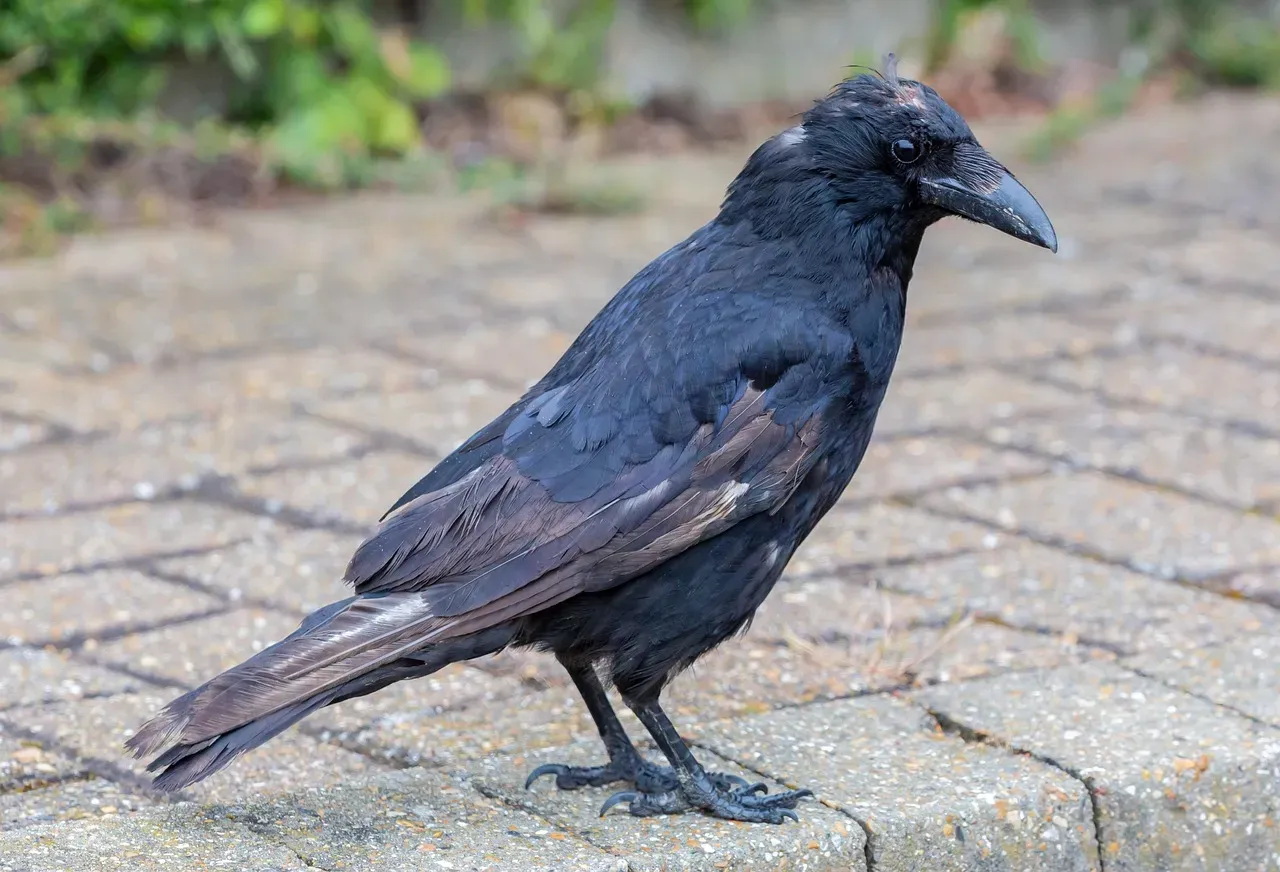
Common finds include small stones, bits of foil, buttons, or lost jewelry. These items often share a shiny or unusual quality that catches a crow eye during foraging. The birds pick them up while exploring and sometimes set them down in familiar spots.
Nothing suggests the crows craft these objects on purpose. They simply select what is already available in their environment. The variety reflects local surroundings more than any deliberate matching to human preferences.
Documented Cases From Around the World
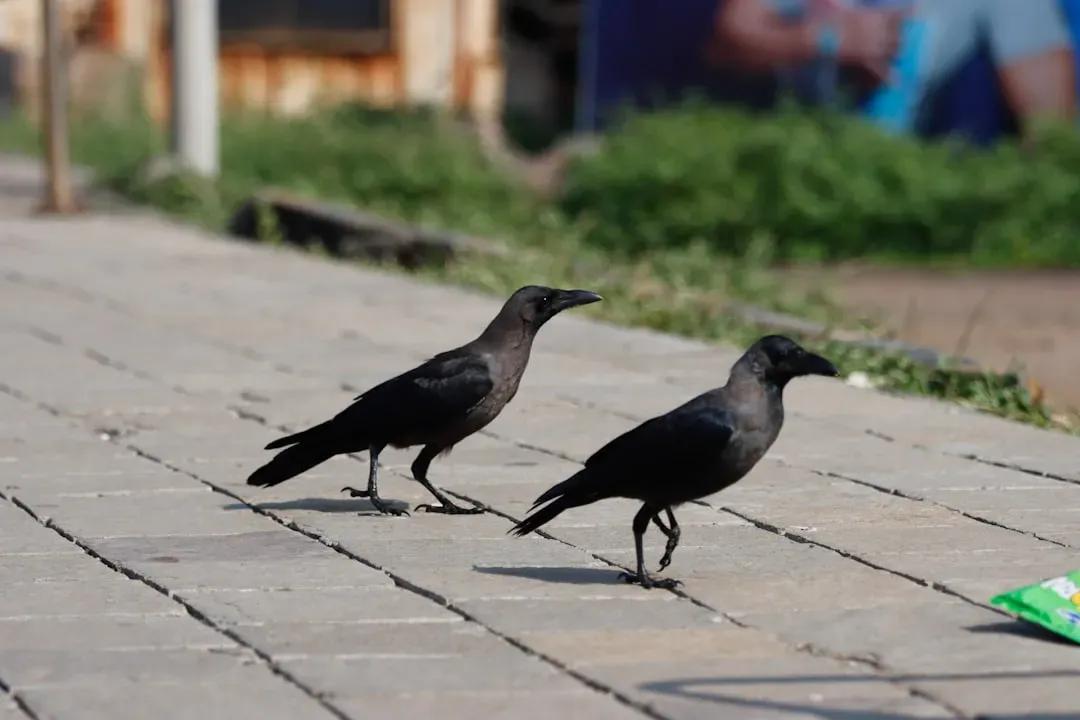
Stories surface from backyards in North America, Europe, and beyond where crows have left items near regular feeders. One well known account involves a young girl in Seattle who collected dozens of small trinkets over time. Similar reports describe crows dropping objects in bird baths or on porches after receiving food.
These instances remain individual rather than widespread. Not every crow that receives handouts performs the same action. The pattern appears tied to specific birds and their particular experiences with people.
Rethinking Our Connection With Wildlife
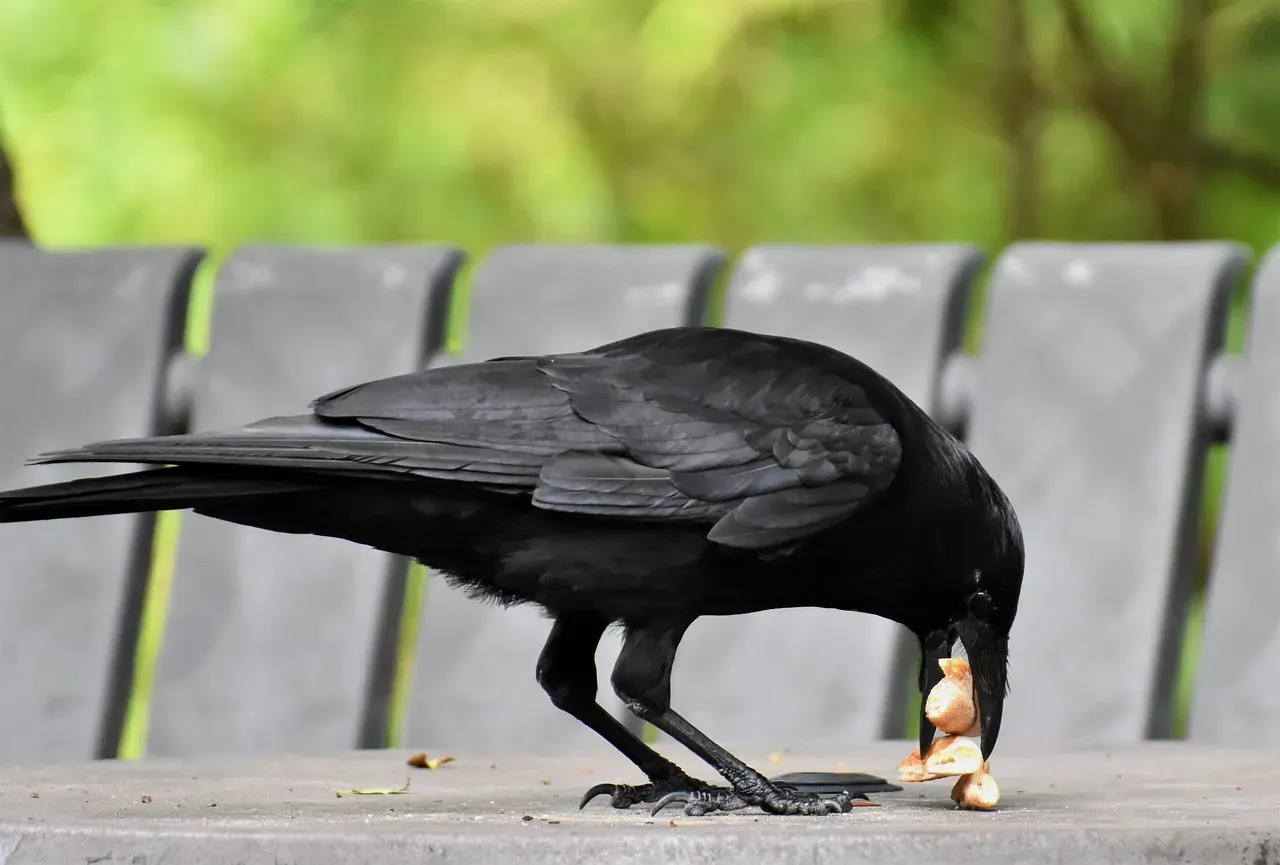
Observing crows in this way reminds us that animals operate on their own terms rather than human expectations. The apparent gifts highlight intelligence and adaptability without needing to assign emotions that may not apply. Such moments encourage patience and careful attention when sharing space with wild neighbors.
Over time these interactions can deepen appreciation for the complexity of urban wildlife. They also underscore the value of consistent, respectful habits that support coexistence. In the end the real reward lies in watching these clever birds thrive on their own schedule.

- 9 Touching Stories of Animal Loyalty That Redefine Family Bonds - July 25, 2026
- 8 Unique Dog Breeds That Are Perfect for Older Owners - July 25, 2026
- The Way You Pet Your Dog Can Make All the Difference to Their Comfort - July 25, 2026