


When the skies darken and the winds pick up, equine owners must act swiftly to ensure their horses’ safety. Storm season can be a time of anxiety for both horses and their handlers. However, with proper planning and preparation, the risks can be minimized, and peace of mind is achieved. Read on for an in-depth guide to safeguarding your horse as you navigate through stormy weather.
Understand the Risks of Storm Season

Before implementing a storm preparedness plan, it’s essential to understand the unique challenges posed by stormy weather. From high winds to flooding and lightning strikes, each element presents a distinct threat to your horse’s well-being. Recognizing these risks is the first step in crafting a comprehensive safety strategy.
Develop a Storm Preparedness Plan

A well-crafted preparedness plan is the cornerstone of storm season safety. Outline specific actions that need to be taken before, during, and after a storm. Ensure that this plan is both comprehensive and easily accessible so all caretakers and partners can execute it effectively when necessary.
Secure Physical Structures

To minimize potential damage during severe weather, inspect and fortify all structures, including barns, stables, and fencing. Secure loose items that may become projectiles, and ensure that the building materials can withstand high winds and heavy rain.
Familiarize Horses with Their Safe Zone

Introduce your horse to the designated safe zone well in advance of any approaching storm. This could be a sturdy barn or a well-fenced area away from trees and other hazards. Acclimating them to these spaces can reduce stress during storm events.
Ensure Adequate Supply of Feed and Water
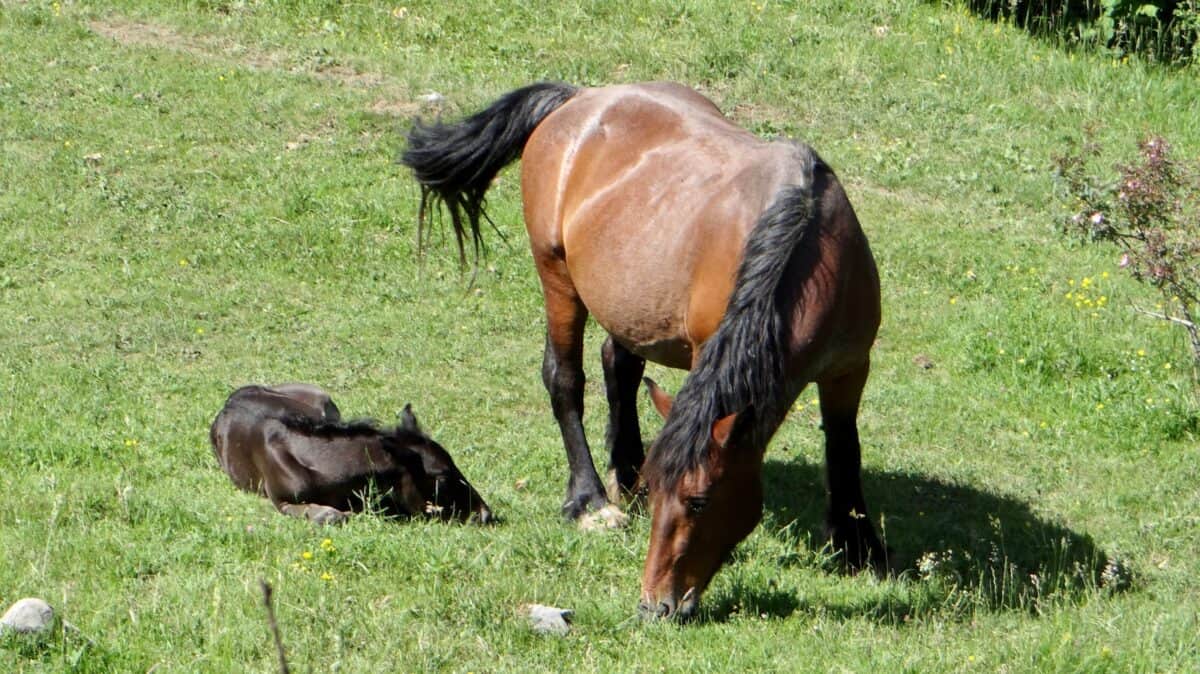
Stock up on feed and hay to last at least a week beyond the expected storm duration. Similarly, have enough clean water stored to cover multiple days in case of power outages or water contamination. Proper nutrition plays a crucial role in keeping stress levels low during inclement weather.
Prepare for Power Outages

Storm-induced power outages can significantly disrupt farm operations. Invest in a reliable backup generator to keep essential systems running, particularly those that affect your horse’s environment directly, such as ventilation and lighting.
Check Emergency Kits

Build and regularly update an emergency kit specifically for your horses. This kit should include veterinary supplies, medications, first-aid items, and any feed supplements that may be required. Being well-prepared will help mitigate health issues that might arise during stressful conditions.
Ensure Identification is Up-to-Date

In the unfortunate event that your horse gets separated from its home during a storm, proper identification becomes vital. Microchipping and visible tags can expedite reunification. Familiarize yourself with equine identification registries, as they offer added security in emergency situations.
Keep Important Documentation Handy

Keep your horse’s important records, such as health certifications and ownership papers, in a waterproof, portable container. In case of evacuation, having these documents readily available will save time and reduce stress.
Establish Communication Channels
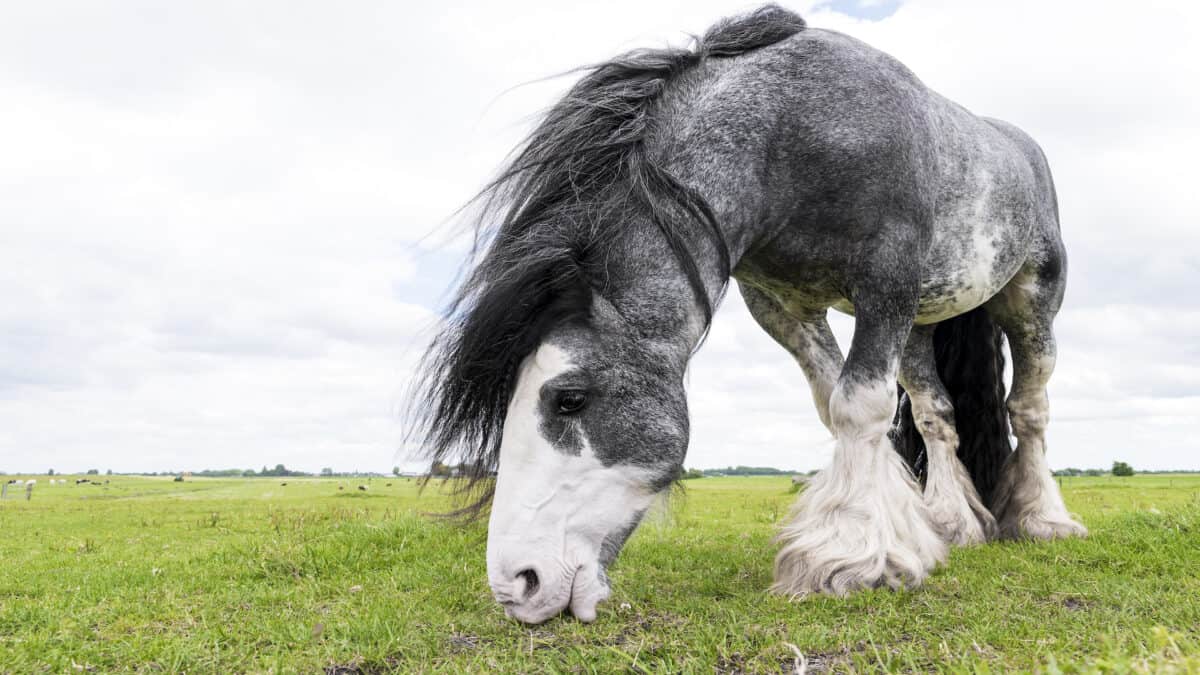
Maintain open communication lines with local emergency services and fellow horse owners. Join local equestrian groups and share your storm preparedness plan to build a supportive network that can offer assistance when needed.
Practice Emergency Drills

Regular drills will ensure that both you and your horses are well-practiced in executing the storm preparedness plan. Simulating scenarios can help identify areas for improvement and build confidence in handling real storm threats.
Evaluate Post-Storm Conditions

Once the storm has passed, assess the condition of your facilities and horses immediately. Check for injuries and provide prompt medical attention if necessary. Document any damages for insurance purposes, and begin necessary repairs to restore safety.
Review and Update the Plan Annually

The effectiveness of a storm preparedness strategy relies on continuous improvement. At the end of each storm season, evaluate the plan’s successes and areas for enhancement. Stay informed about newer safety practices to ensure your plan remains robust and effective.
Conclusion

Safeguarding your horse during storm season can seem daunting, but with careful preparation and vigilance, it is certainly achievable. By understanding the risks and implementing these 15 steps, you can protect your beloved equine companion against the challenges posed by nature’s fury. Peace of mind is just a plan away. Embrace the proactive approach, and weather the storm with confidence.

As a little kid, I fell in love with nature, wildlife, and animals. Living in the USA, South Africa, Italy, China and Germany gave me the opportunity to discover the world's Wildlife. My favorite animals are Mountain Gorillas, Siberian Tigers, and Great White Sharks.
I'm a certified PADI Open Water Diver, went to Everest Base Camp and Trekked Gorillas in Uganda. I hold a Master of Science in Economics and Finance.
Please send any feedback to feedback@animalsaroundtheglobe.com
- 11 Weather Records That Still Haven’t Been Broken - July 23, 2026
- 12 Most Adorable Dog Breeds That Melt Hearts - July 23, 2026
- 10 Laws That Changed Animal Rights Forever - July 23, 2026