

Living in Alaska means sharing space with wildlife. Bears are part of the landscape here, woven into the daily rhythm of life in ways most people in the lower forty-eight can’t imagine. When a black bear wanders into your backyard, the moment carries weight. It’s not just about fear or excitement. It’s about understanding that your reaction in those seconds could determine whether this becomes a story you tell at dinner parties or something far worse.
Black bears inhabit most of Alaska’s forests, and they’re intelligent, curious creatures with an incredible sense of smell. Their behavior isn’t random, even though it might feel unpredictable when you’re watching one nose around your deck. It’s only from our lack of understanding that their behavior seems unpredictable, according to Alaska Department of Fish and Game biologists. What you do matters. Every single action. So let’s talk about what you absolutely should never do when one of these wild neighbors shows up uninvited.
Never Run Away From The Bear
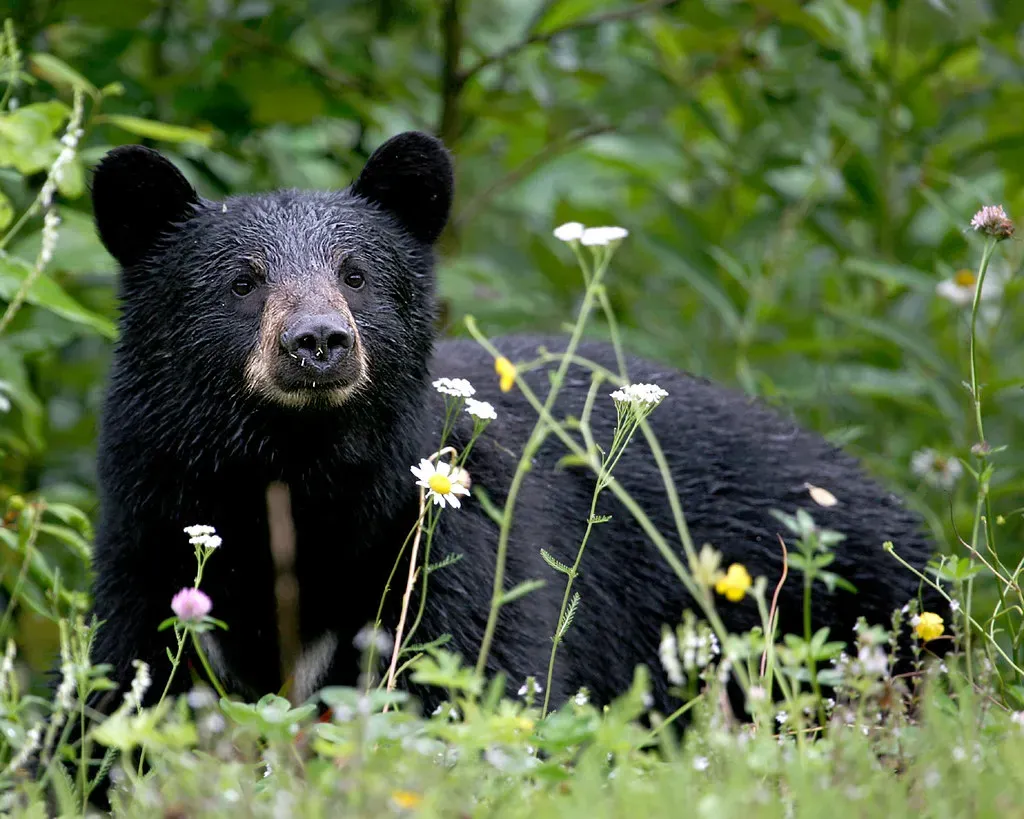
Here’s the thing. Your body is screaming at you to bolt. Every instinct you have is telling you to turn and sprint for the nearest door, to put distance between you and this powerful animal that’s just arrived in your personal space. Ignore that voice completely.
DO NOT RUN is perhaps the most critical piece of advice from Alaska’s wildlife experts. Running may trigger an instinctive reaction to “chase”, and trust me, you don’t want to test that theory. They have been clocked at speeds up to 35 mph, and like dogs, they will chase fleeing animals.
You cannot outrun a black bear. You can’t outswim one either, or outclimb one. It’s a losing game before it even starts. Bears can run as fast as a racehorse both uphill and down. Like dogs, they will chase fleeing animals. When you run, you transform yourself from a confusing upright creature into prey.
Instead, stand your ground or back away slowly and diagonally. If the bear starts following you, stop immediately. Your feet stay planted. Your breathing stays controlled. This is when you’re showing the bear that you’re not prey, you’re not a threat, you’re just something it needs to figure out. Running erases all of that. Let’s be real, standing still when every fiber of your being wants to run takes courage, but it’s what keeps you safe.
Never Scream Or Make High-Pitched Noises
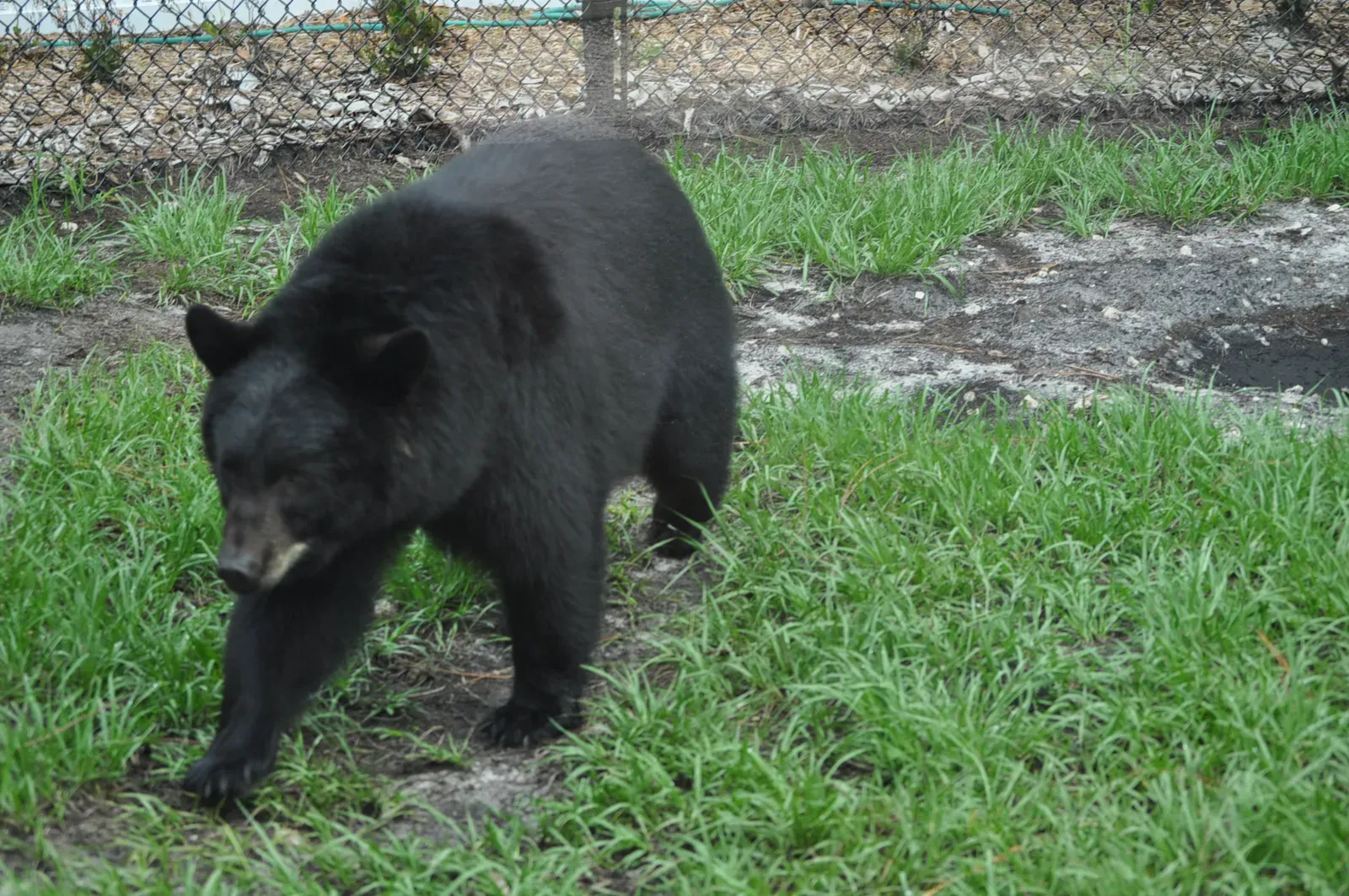
Panic sounds like prey. That’s the brutal truth. When you encounter a black bear in your backyard and your voice goes shrill, you’re speaking a language the bear understands in the worst possible way.
Don’t scream or yell, advise wildlife officials in Valdez, Alaska. A scream or sudden movement may trigger an attack. Even more specific, never imitate bear sounds or make a high-pitched squeal. These sounds signal distress, fear, vulnerability. The exact opposite of what you want to communicate.
Instead, speak in a loud and low voice. You want your voice to sound calm, firm, and distinctly human. Talk to the bear like you’re having a conversation, not like you’re auditioning for a horror movie. Your tone matters almost as much as your words. Some people recite grocery lists, others narrate what they’re doing. The content doesn’t matter. The calm, low pitch does.
Continue to talk to the bear in low tones; this will help you stay calmer, and it won’t be threatening to the bear. Think of it as announcing your humanity. You’re saying, “Hey, I’m a person, you’re a bear, we don’t need to have a problem here.” High-pitched noises erase that message entirely.
Never Approach Or Try To Feed The Bear
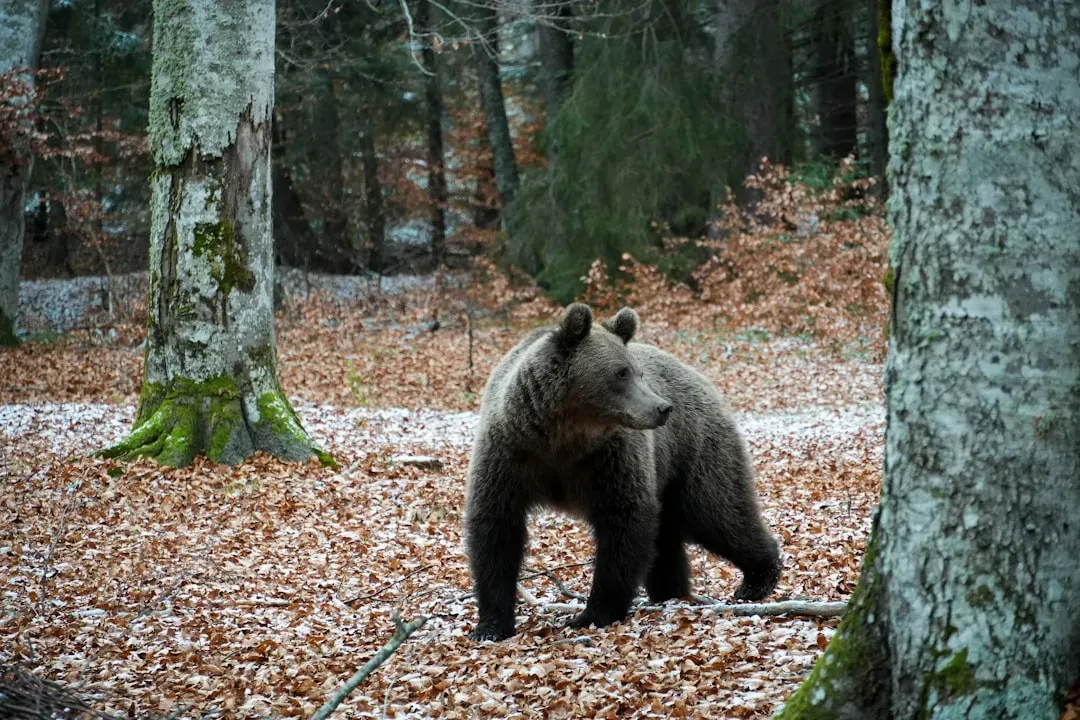
This seems obvious, yet people do it. The urge to get a better photo, to toss food to keep the bear occupied while you retreat, to see how close you can get. All terrible ideas that can have devastating consequences.
Never approach, crowd or pursue a bear. Period. I’ve seen people throw rocks at a grazing bear from 2 feet away just to get a better picture, according to experienced Alaska wildlife biologist John Hechtel. That kind of stupidity can get someone killed.
It is foolish and illegal to feed bears, either on purpose or by not securing food or garbage away from bears. When you feed a bear, you’re not doing it a favor. You’re teaching it that humans equal food, and that lesson can’t be unlearned. A bear that has had previous contact with people and was rewarded with food or trash is considered a food-conditioned bear.
Food-conditioned bears lose their wariness of people. They become bold, demanding, and dangerous. Eventually, they get killed because they can’t coexist safely with humans anymore. Every time you leave garbage accessible, every time you think tossing food will distract a bear, you’re potentially signing that animal’s death warrant. 95 percent of the time, people are responsible for determining whether the outcome of a bear encounter will be good or bad. Make the right choice. Keep your distance and keep your food secured.
Never Play Dead With A Black Bear
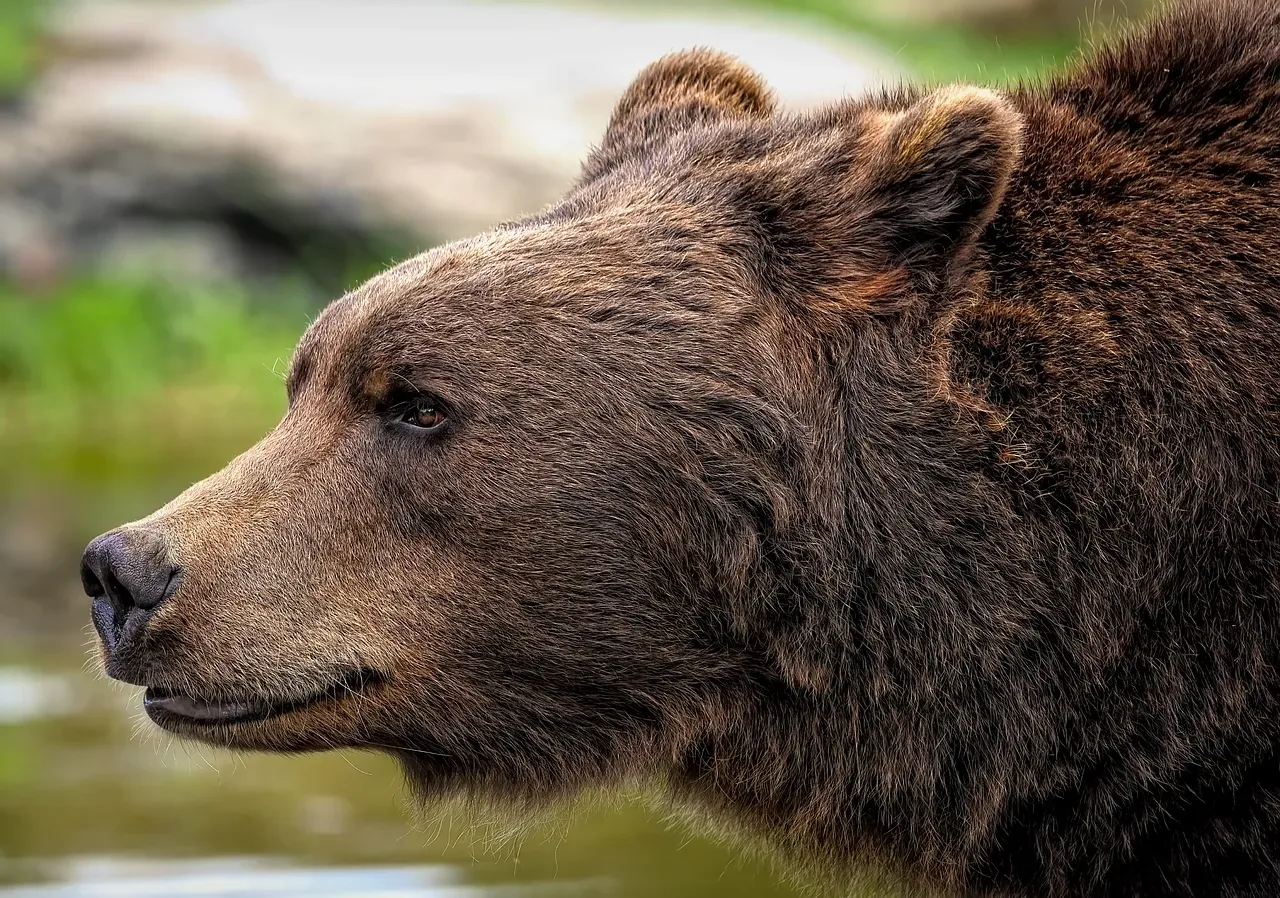
This is where things get complicated, and honestly, it’s where a lot of confusion happens. Brown bears and black bears require completely different responses if they attack. Getting this wrong can cost you your life.
If you are attacked by a black bear, DO NOT PLAY DEAD. This is critical. In almost all situations, your best defense against an attacking black bear is to fight back. Playing dead works with brown bears in defensive situations, but black bears are different. Do not play dead! If you panic, run or play dead with a non-defensive bear, you risk the encounter turning into a predatory attack.
If a black bear makes contact with you, concentrate on the bear’s face or muzzle with anything you have on hand. Use rocks, sticks, your fists, your backpack. Fight with everything you have. Aim for the eyes, the nose, the sensitive parts. Make yourself as difficult and unpleasant a target as possible.
If any bear attacks you in your tent, or stalks you and then attacks, do NOT play dead – fight back! This kind of attack is very rare, but can be serious because it often means the bear is looking for food and sees you as prey. Black bears rarely attack, but when they do, aggression is your only real defense. This isn’t about being brave. It’s about survival. The black bear needs to learn immediately that you’re not worth the effort.
Never Climb A Tree Or Block The Bear’s Escape Route
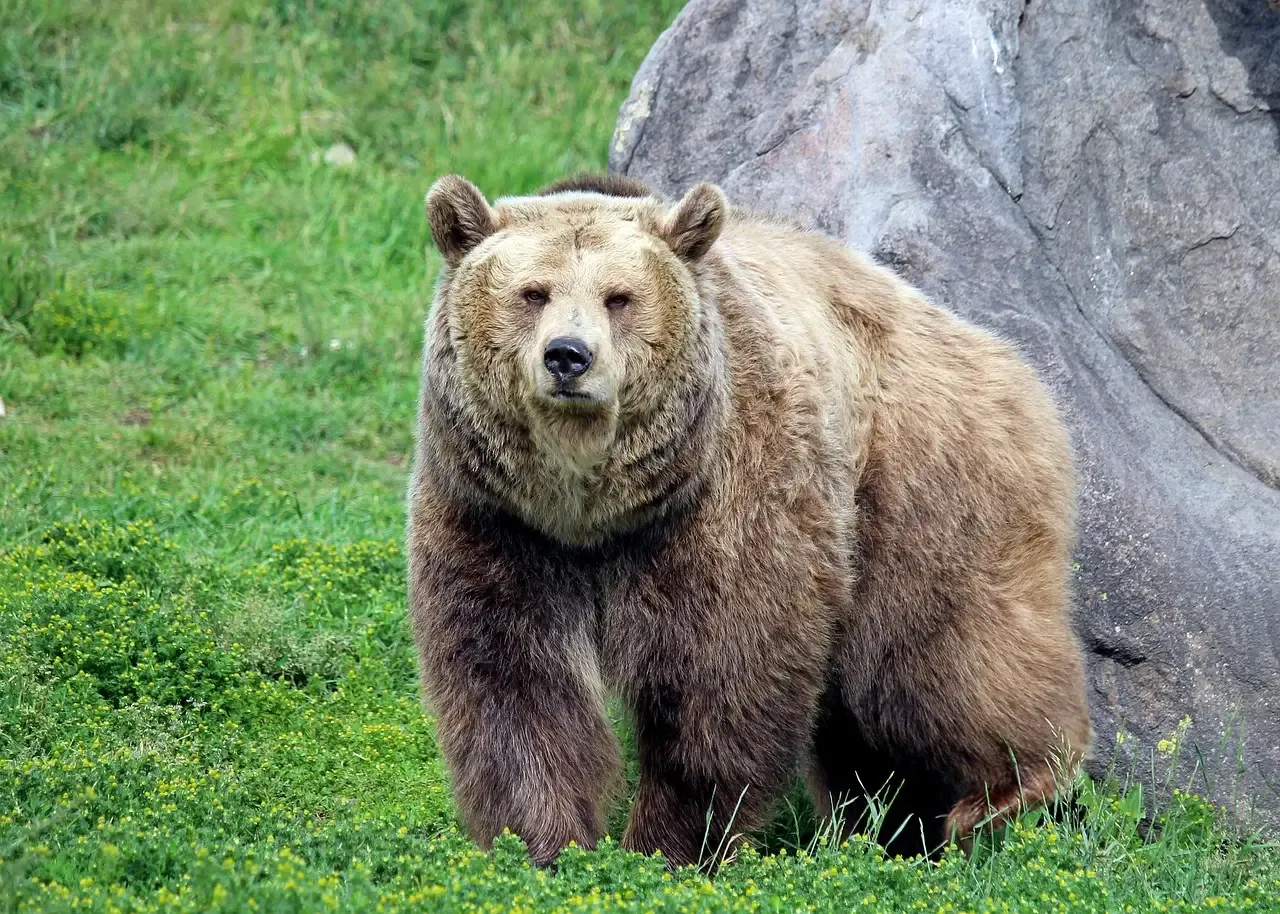
Trees feel safe. They’re vertical, they’re sturdy, they’re something you remember from childhood. When danger appears at ground level, going up seems logical. With black bears, it’s a trap.
Do NOT climb a tree. Both grizzlies and black bears can climb trees. Black bears are particularly skilled climbers. They’re faster than you, more agile, and the tree you’re scrambling up is exactly the kind of place they feel comfortable. Do not try to climb a tree unless it is literally right next to you and you can quickly get at least 30 feet up. Thirty feet. Think about that. Most people can’t get ten feet up before a bear reaches them.
Equally important is giving the bear an exit. Always leave the bear an escape route. When you corner an animal, you force it into defensive mode. Trapped creatures are dangerous creatures, whether they’re bears or house cats. If you position yourself between the bear and its escape path, you’ve just escalated the situation dramatically.
Try to back away slowly, but if the bear follows, stop and hold your ground. You want to create space without forcing confrontation. Move diagonally, not straight back. Give the bear options. Show it there’s no need for conflict because you’re not blocking its way to safety. The bear doesn’t want to be there any more than you want it there. Give it room to leave, and chances are excellent that it will.
Conclusion
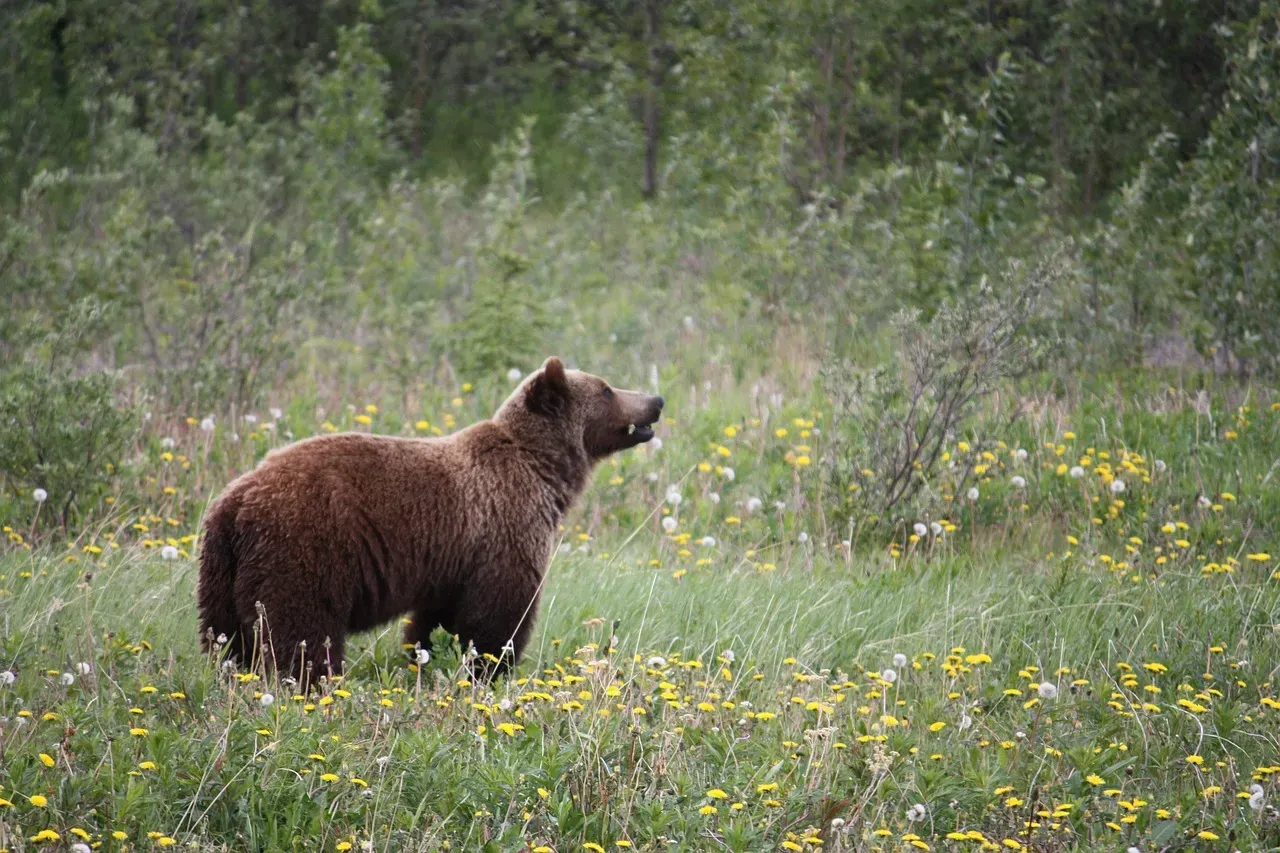
Bear encounters in Alaska backyards aren’t rare. They’re part of living in one of the last truly wild places. 95 percent of the time, people are responsible for determining whether the outcome of a bear encounter will be good or bad. That’s a sobering statistic, but it’s also empowering. Your knowledge and your choices make the difference.
These five rules don’t run, don’t scream, don’t approach, don’t play dead with a black bear, and don’t climb or corner aren’t just suggestions. They’re the distilled wisdom of decades of wildlife research and real encounters. Following them won’t guarantee absolute safety, but they shift the odds dramatically in your favor.
The next time you see that dark shape moving through your yard, remember that both of you are trying to navigate a shared space. Stay calm, make yourself known, give the bear room, and more often than not, it’ll move along. Have you thought about how you’d react in that moment? What would your instinct tell you to do?

- 10 Cat Breeds That Act More Like Dogs – And Why People Love Them - July 26, 2026
- 10 Unexplained Archaeological Objects Found Across the U.S. - July 26, 2026
- The Enduring Spirit of American Mustangs: A Symbol of Wild Freedom - July 26, 2026