
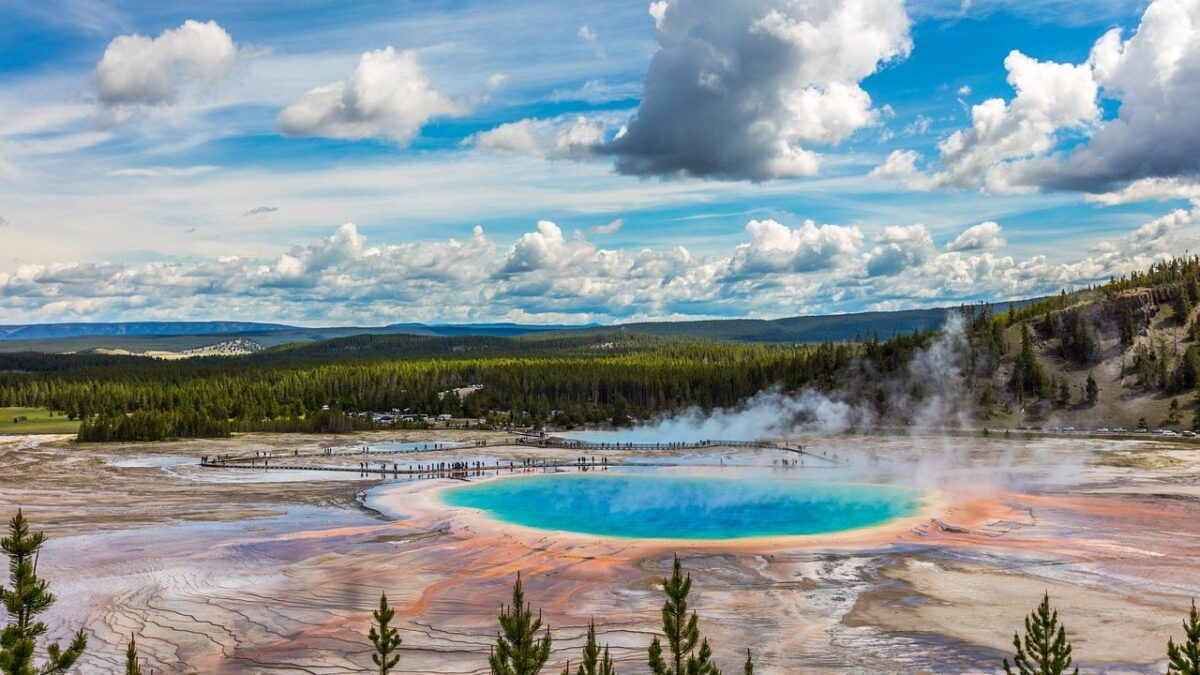
Picture this: a massive pool simmering like a witch’s cauldron, suddenly blasting acidic water dozens of feet into the frigid February air. That’s Echinus Geyser in Yellowstone, shaking off over five years of silence to erupt with fury. No one saw it coming, yet here we are in 2026, watching nature flex its unpredictable muscles.[1][2]
Let’s be real, geysers like this don’t follow schedules. They hint at the wild, hidden forces churning beneath Yellowstone’s surface. Ready to dive into what woke this beast?[3]
What Exactly is the Echinus Geyser?
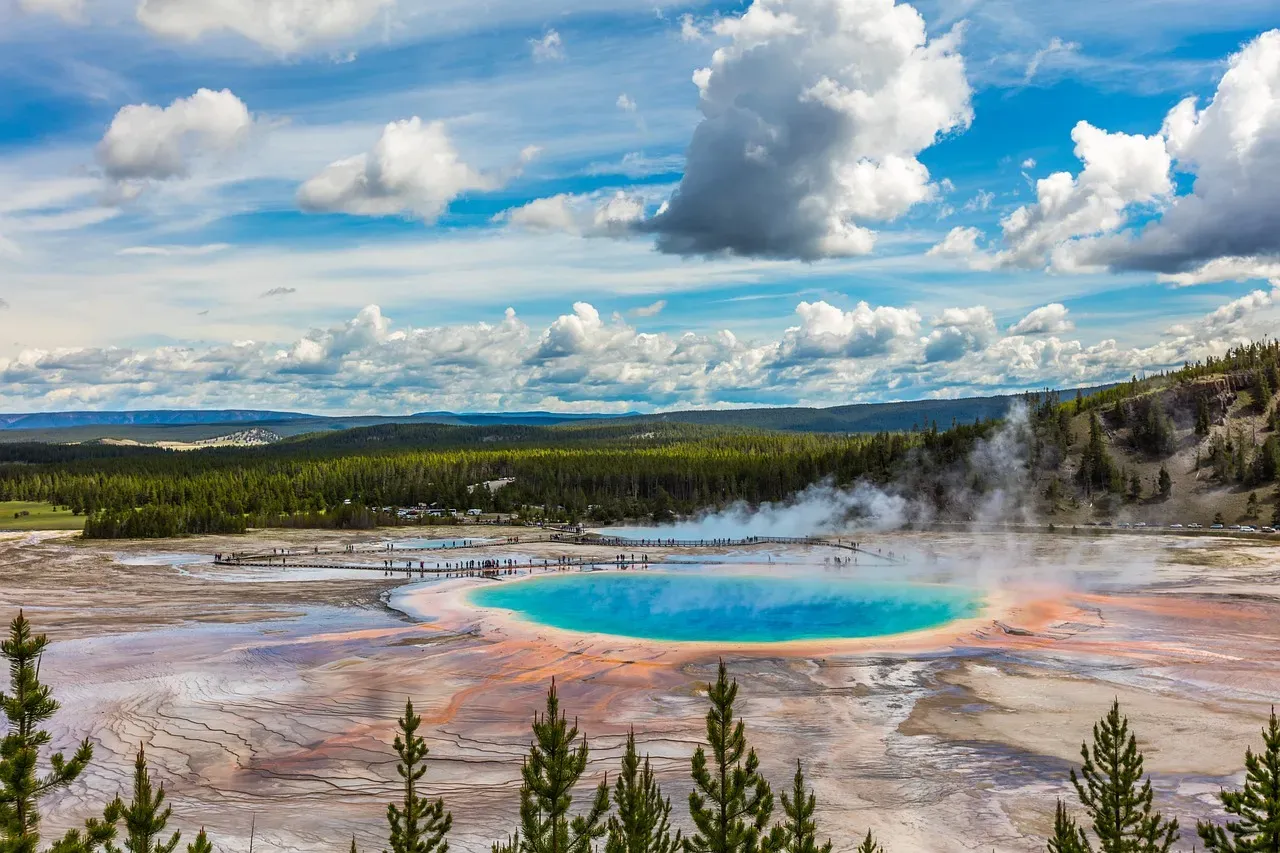
Echinus sits as a fountain-type geyser with a sprawling pool roughly 66 feet across, rimmed in rusty reds from iron and other minerals. Its water clocks in at about 176 degrees Fahrenheit, packing a pH between 3.3 and 3.6, tangy as vinegar or orange juice. Those spiny, silica-coated rocks around the edge? They earned it the name “Echinus,” mimicking a sea urchin.[1][3]
Here’s the kicker: it’s the biggest acidic geyser on the planet, a rare breed where acidic gases mix with neutral waters without dissolving the rock plumbing. Eruptions can hurl water 40 to 75 feet high, lasting minutes that feel eternal. I think it’s nature’s way of reminding us how harsh and beautiful the underworld can be.[2]
Prime Real Estate in Norris Geyser Basin
Tucked in the Back Basin of Norris, just 660 feet from the mighty Steamboat Geyser, Echinus thrives in Yellowstone’s hottest, most restless zone. This area pulses with change, temperatures swinging wildly and new hot springs popping up like uninvited guests. No wonder geysers here keep visitors on their toes.[1]
The basin’s dynamics mean constant flux underground, where heat and water wrestle for dominance. Echinus benefits from this chaos, its outflow channel monitored for telltale temperature spikes. Honestly, standing there feels like peeking into Earth’s restless heart.[3]
A Storied History of Booms and Busts
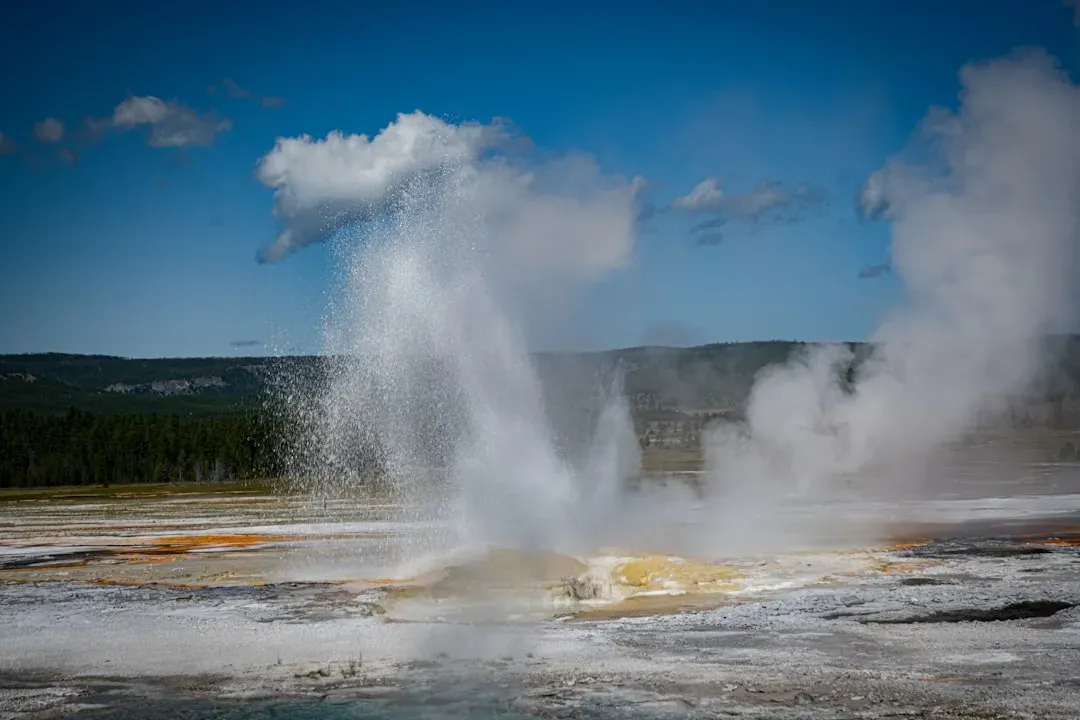
Before 1948, Echinus slumbered mostly, spitting out rare eruptions. The 1970s and 80s flipped the script, with reliable blasts every 40 to 80 minutes, some stretching over 90 minutes. Park rangers even predicted showtimes based on past performances.[1]
By the 2000s, things quieted, though sporadic bursts lit up 2010 and 2017. That October surge every two to three hours echoed old glory, but faded fast. It’s like the geyser picks eras to shine, then ghosts everyone.[3]
The Long Dormant Slumber
After a couple of puffs in December 2020, Echinus went dark for over five years, its last big hurrah on December 17. No major eruptions, just silence that stretched into 2026. Visitors mourned the loss of a star attraction in Norris.[2]
This dormancy fits its pattern of feast or famine, possibly from clogs in its plumbing or shifting water sources. Monitoring tools sat quiet, temperatures steady and low. Still, experts knew Norris’s volatility could stir things up anytime.[1]
Five years feels eternal in geyser time, building tension like a coiled spring.
Early Warning Signs in February 2026
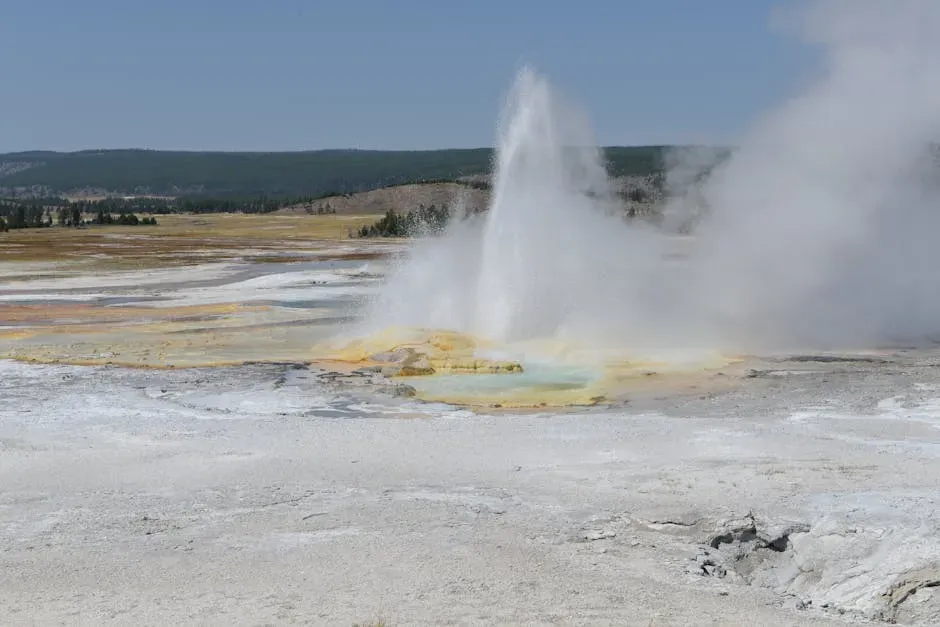
Early February brought the first hints: the pool frothed, surface agitating as hot water gushed into the channel. Temperatures spiked to 104-122°F, signaling surges but no full blasts yet. It was like the geyser clearing its throat.[1]
Then, boom – February 7 marked the first true eruption since 2020, followed by more on the 9th, 12th, and 15th. Every few hours from the 16th, it ramped up. The water level would crash post-blast, refilling slowly over an hour.[2]
The Explosive Comeback Eruptions
Over 18 days, Echinus unleashed around 60 eruptions, shooting 20-30 feet high for two to three minutes each. Some reports hype heights to 80 feet, turning heads across the park. Every two to five hours, it delivered, echoing its 2017 vibe.[1][2]
Last documented blast hit February 24, but lingering spikes suggest it’s not done. Park goers lucky enough to catch it described the roar and steam as unforgettable. This resurgence turned a quiet corner of Yellowstone electric again.
Unraveling the Eruption’s Trigger
No smoking gun explains the wakeup, but subtle shifts in underground plumbing likely played a role, tweaking pressure and flow. Norris’s endless changes – heat pulses, minor quakes – could have nudged blockages loose. It’s the basin’s nature to remix the hydrothermal deck.[2]
Experts note thermal disturbances as possible culprits, without pinpointing one event. Unlike predictable Old Faithful, Echinus thrives on mystery. I suspect it’s just Yellowstone breathing, reminding us we can’t control the depths.[1]
What This Means for Yellowstone Lovers
Echinus’s return spotlights how alive Yellowstone stays, even in quiet phases. It might simmer down soon, as history suggests phases last months at best. Yet, this flare-up thrills, drawing crowds to witness raw power.[1]
Honestly, it makes me optimistic for more surprises, but cautious – nature doesn’t owe us shows. Keep an eye on those temperature graphs; they might predict the next act. What would you do if you caught an eruption live? Share in the comments.[2]
