

Picture this: you stir awake to a symphony of chirps and trills piercing the pre-dawn quiet. It’s not random noise, but a deliberate orchestra that has puzzled scientists for ages. What drives these feathered performers to belt out their tunes right as the world wakes up?
Let’s dive into the science behind this morning ritual. You’ll be surprised by the mix of survival strategies and biology at play.[1][2]
Unveiling the Dawn Chorus
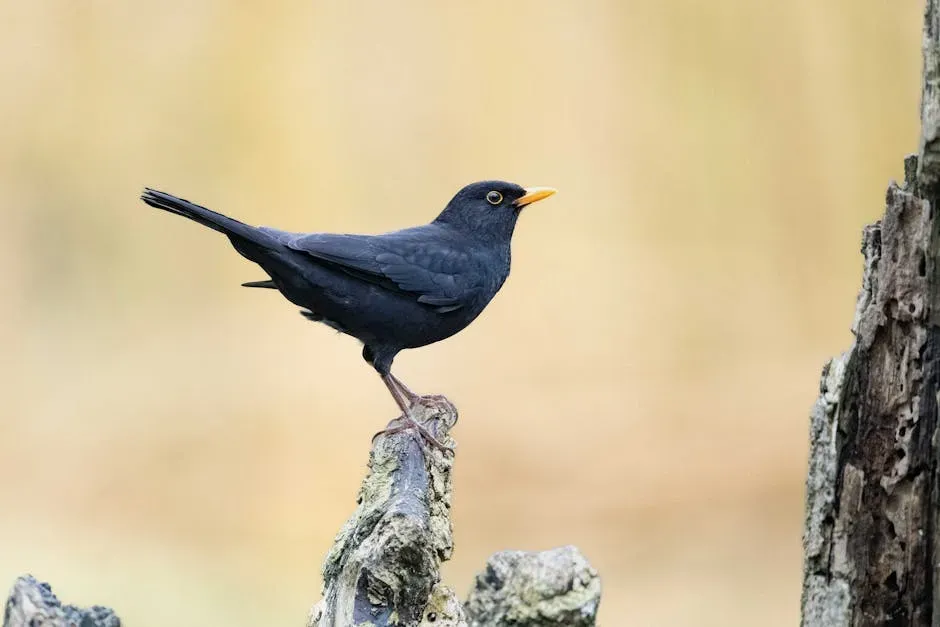
The dawn chorus refers to that explosive burst of birdsong just before and after sunrise. Mostly males lead the charge, turning forests and neighborhoods into lively concert halls. This isn’t casual tweeting; it’s a high-stakes performance peaking during breeding seasons like spring in temperate zones.[2]
Females join in too, especially in tropics where breeding stretches year-round. The chorus fades as light strengthens and foraging begins. Honestly, standing under it feels magical, like nature’s alarm clock with attitude.[1]
Territory Defense Takes Center Stage
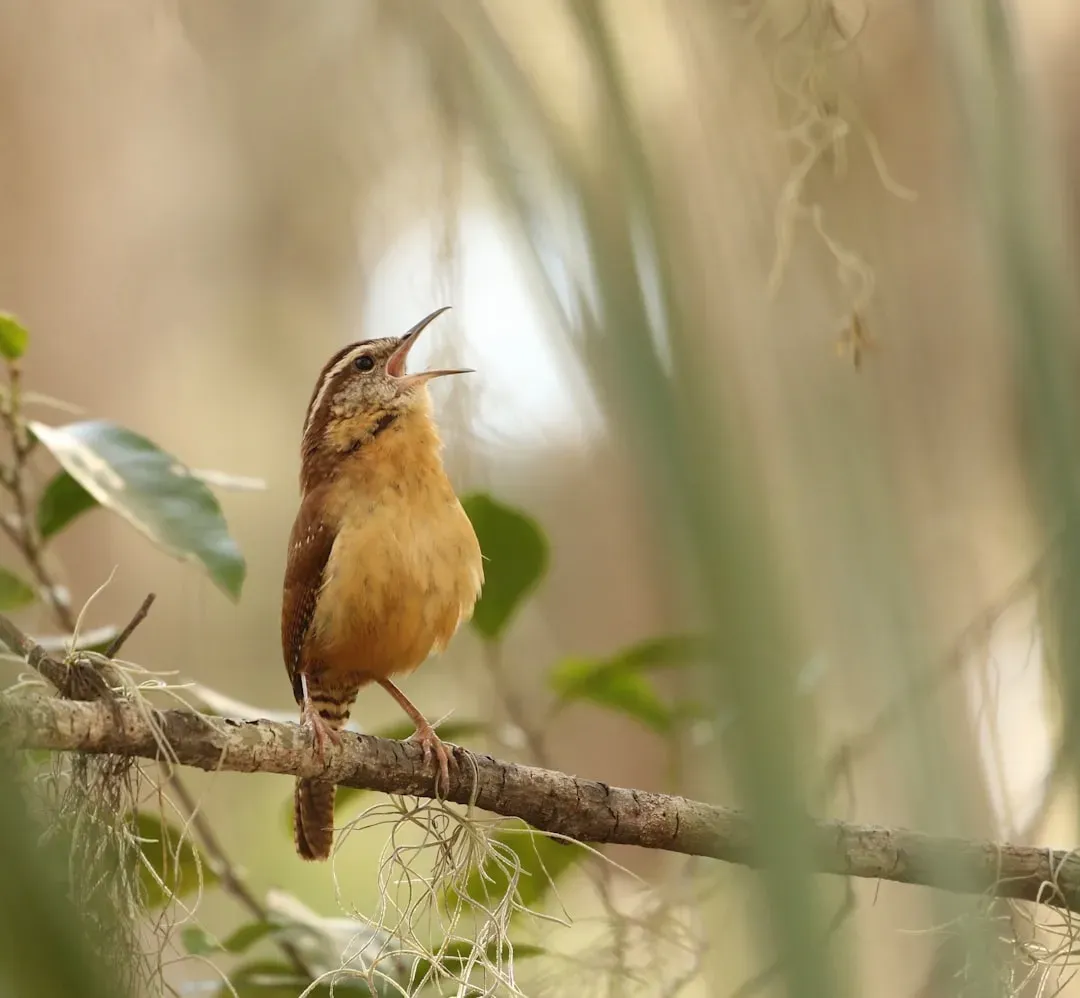
Males sing fiercely at dawn to reclaim their turf after a night of silence. Rivals might encroach while they’re roosting, so this early broadcast screams “back off.” Territorial species crank up the volume most, as shown in studies from tropical forests.[3][4]
It’s like posting a “no trespassing” sign before anyone stirs. This behavior holds across habitats, underscoring how vital space is for nesting and feeding. Without it, chaos could erupt come daylight.
The Mating Game Heats Up

Dawn songs double as seductive calls to potential partners. Females gauge a male’s fitness by his tune’s clarity and stamina, picking the best genes for sturdy chicks. Breeding urgency amps this up, with songs signaling health and provision potential.[2]
Here’s the thing: both sexes participate, defending nests and communicating needs. In spring, this chorus hits fever pitch as migration ends and pairs form. It’s evolution’s speed-dating event, raw and relentless.
Dawn’s Acoustic Sweet Spot
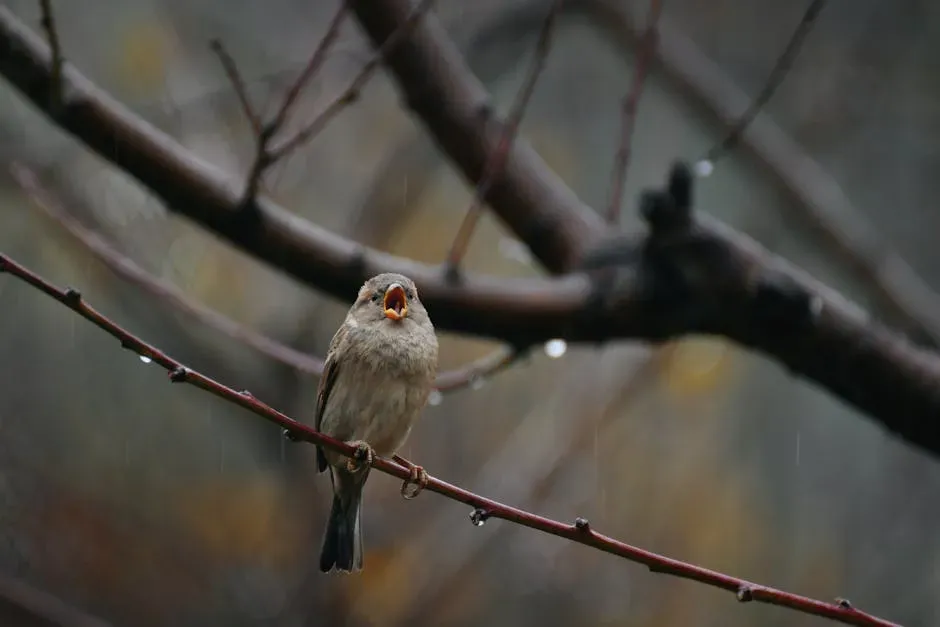
Cool, humid morning air lets sound travel farther with less distortion. Minimal wind and background noise mean every note carries clearly across valleys. Birds perch high to maximize reach, turning whispers into roars.[2]
Though recent work questions if this is the main driver, it still gives singers an edge. Low light hides them from hawks while they project. Nature’s sound engineering at its finest, right?
Hormones and Built-Up Urge

Testosterone surges and melatonin dips around dawn, igniting the singing impulse. Night’s darkness suppresses vocals, building pressure like a coiled spring. Light hits, and boom, the chorus erupts in rebound intensity.[5]
Lab tests with finches confirm longer dark spells yield louder outbreaks. This also warms up vocal muscles for daytime precision. Biology’s internal clock, ticking toward that first golden ray.
Fresh Insights from Modern Studies
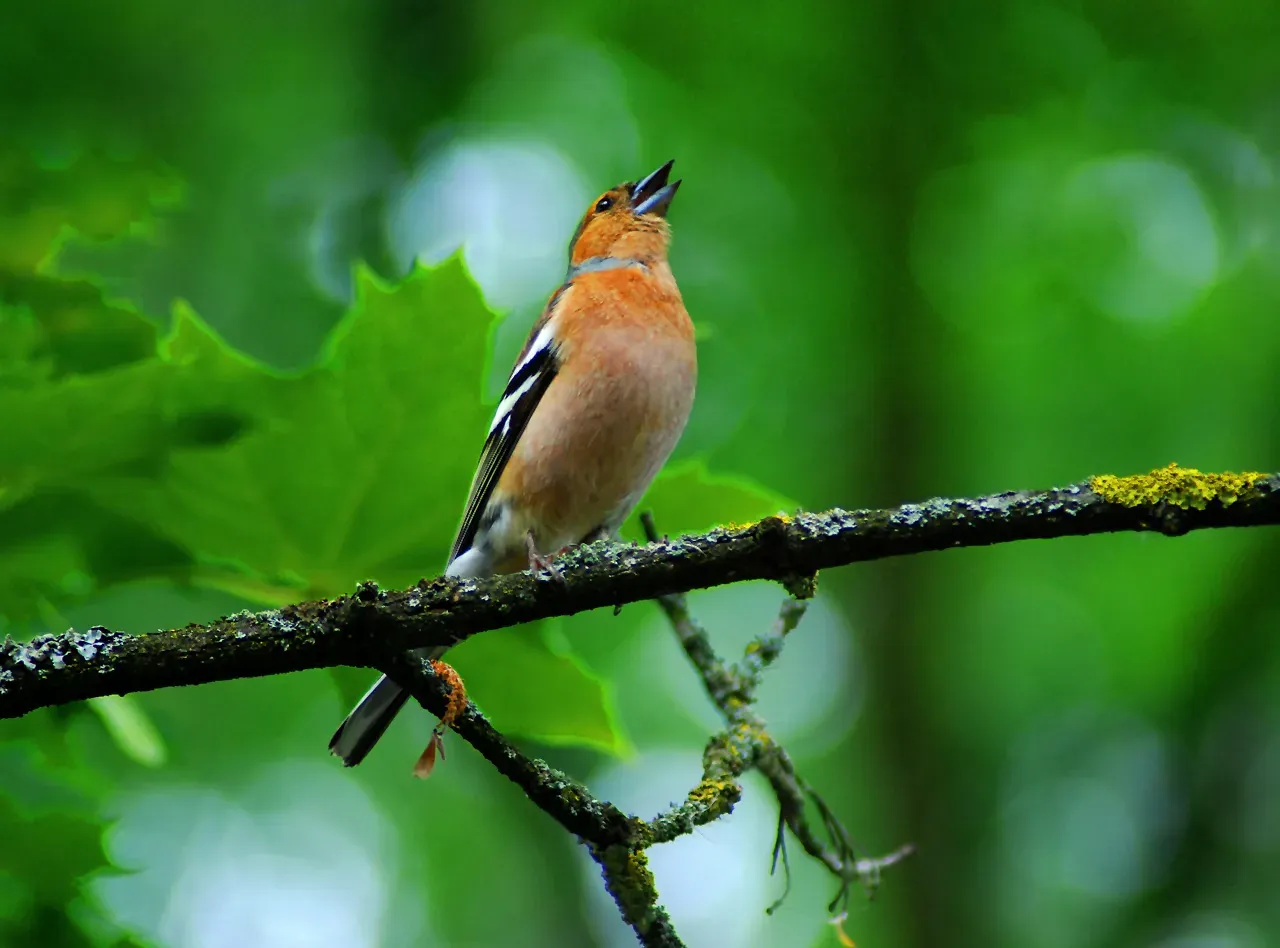
2025 research in India’s rainforests linked dawn singing to territoriality over acoustics or light. Omnivores chimed in more, perhaps coordinating flock hunts.[3][4]
Zebra finch experiments revealed suppression-release dynamics, with songs refining post-night. No single cause rules, but social and dietary factors shine bright. These findings reshape old ideas, keeping the mystery alive yet clearer.
The Bigger Picture
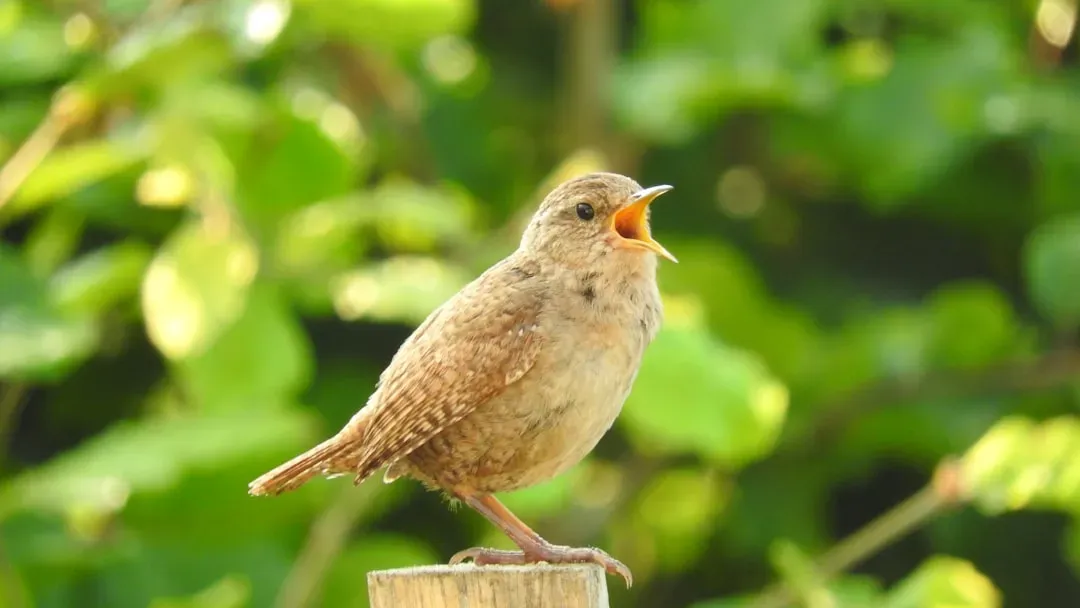
Birds sing at dawn through a cocktail of territory claims, mate hunts, biology, and smarts. It’s survival wrapped in melody, honed by eons. Next time you hear it, listen closer, it’s nature’s bold statement.
What surprises you most about this feathered wake-up call? Share below.
