
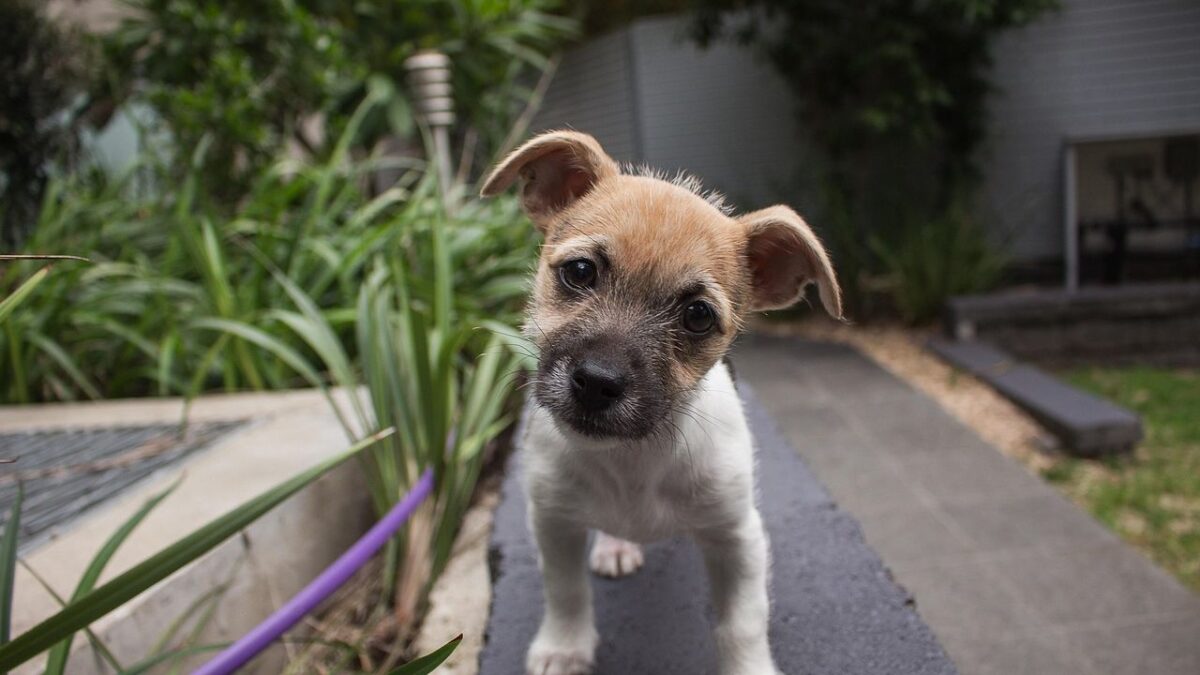
You’re chatting with your dog about dinner plans, or maybe asking if they want to go for a walk. Suddenly, that adorable sideways head tilt appears. It’s one of those moments that makes you wonder if your furry friend genuinely understands every single word you’re saying. Here’s the thing, though: scientists have been puzzling over this behavior for years, and they’ve uncovered some fascinating insights that go way beyond simple cuteness. The truth is, that charming tilt might reveal far more about what’s happening inside your dog’s mind than you’d expect.
Dogs have been our companions for thousands of years, yet some of their behaviors still surprise us. The head tilt stands out as one of the most endearing quirks, capturing hearts on social media and in living rooms everywhere. What makes this gesture so intriguing is that it seems to happen at very specific moments, almost as if your dog is actively working to decode your message.
They’re Fine-Tuning Their Hearing Like a Radio

Dogs adjust their ear position when they tilt their heads, which helps them pinpoint where noises are coming from more quickly and interpret the tone of human voices. Think about it like adjusting an antenna to get a clearer signal. Your dog isn’t just being cute; they’re actively optimizing their auditory reception.
Ear flaps partially or completely cover the ear canal and serve as a barrier to sound transmission, so dogs must change their position to optimize sound detection, and the movable ear flap allows them to make necessary adjustments to focus on the exact location of the sound. Dogs with floppy ears face even more of a challenge, which explains why some breeds seem to tilt more frequently than others.
Honestly, when you consider how much effort goes into this simple gesture, it makes you appreciate the complexity of canine communication. If an interesting sound comes from the front, a dog cocks its head in the direction of the sound, and if the sound comes from the rear, the dog may turn before tilting his head. They’re constantly recalibrating, trying to gather every bit of information they can from what you’re saying.
By tilting his head, a dog is honing in on the best position to understand you as clearly as he can. It’s similar to how you might cup your hand behind your ear when straining to hear someone in a noisy room. Dogs are doing their version of that, except they look way more adorable while doing it.
The directional component is particularly interesting. Movable ear flaps also help a dog judge a sound’s distance by allowing them to determine the time difference between when the sound reaches the right versus left ear. Your dog isn’t just listening; they’re calculating.
Their Muzzle Blocks the View (So They Compensate)

One reason why dogs may tilt their heads when we talk to them is that they want to see our faces better, to compensate for the way in which their muzzles obscure part of their vision. Imagine walking around with a permanent obstruction right in front of your eyes. That’s basically what a long snout does to a dog’s field of vision.
Dogs tilt their heads to work around their interfering muzzles and improve their visual perspective, and that cute head tilt broadens the range of vision and allows a dog to more clearly see a person’s face. Facial expressions matter immensely in dog-human communication, so getting a clearer view of your mouth and eyes makes perfect sense.
Research has shown something fascinating about breed differences. Dogs with more pronounced muzzles, such as Greyhounds, exhibited head-tilting behavior toward their owners more often than those with flatter faces. This backs up the vision theory quite convincingly.
It stands to reason that dogs with flatter faces, like bulldogs and Boston terriers, may tilt their heads less since their short noses do not get in the way as much as long muzzles. The physical structure of a dog’s face directly influences how often they’ll cock their head at you. Still, even flat-faced breeds do it sometimes, which suggests there’s more going on than just vision adjustment.
If a dog tilts his head a little, he can get a better view of a person’s whole face and use that input, along with tone and words, to better understand what the person is telling him. They’re gathering multiple sources of information simultaneously, creating a complete picture of what you’re communicating.
It Signals Deep Mental Processing and Concentration
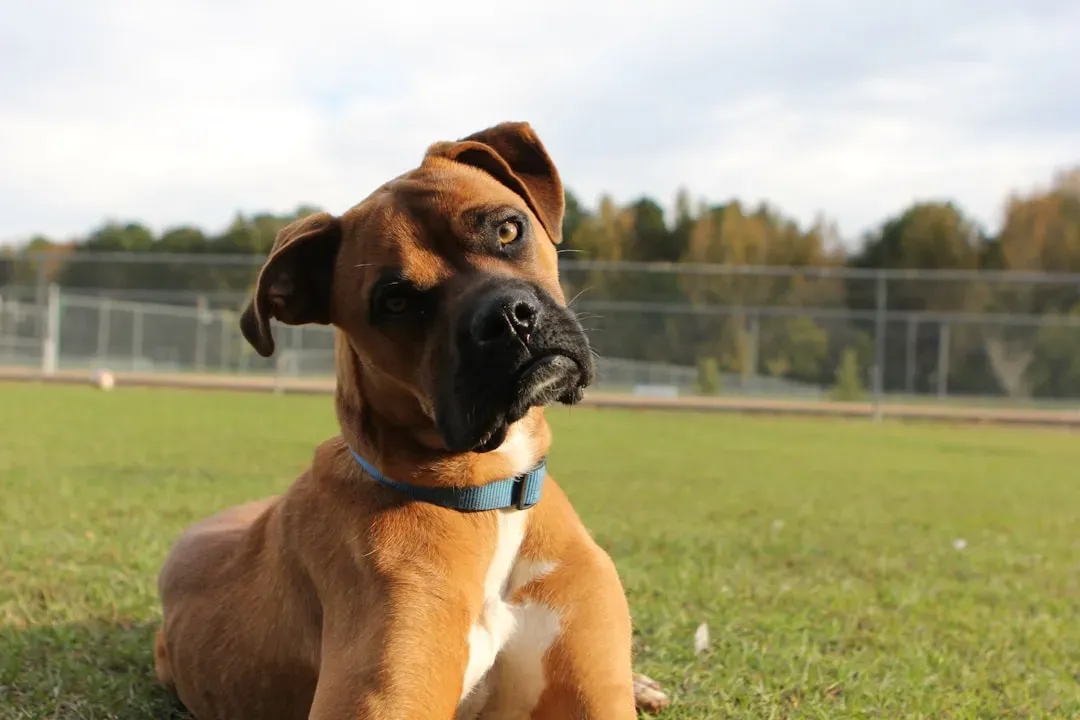
The adorable gesture is a signal that the dog is intently listening and processing what it’s hearing. This moves the head tilt from mere sensory adjustment into the realm of cognitive activity. Your dog isn’t just hearing you; they’re thinking about what you said.
A groundbreaking study revealed something remarkable. Gifted dogs cocked their heads 43 percent of the time when hearing a command from their owner, while typical dogs did so just 2 percent of the time. That’s a massive difference that suggests head tilting correlates strongly with understanding and memory recall.
Head tilting could be linked to mental processing, a sign of high attentiveness or concentration in gifted dogs, where the dogs might be cross-referencing the command with their visual memories of toys. It’s like watching someone’s face when they’re trying to remember where they left their keys. That’s essentially what your dog is doing when they tilt their head.
Some dogs tilt their heads when they’re trying to understand words, tone, and emotional cues, and dogs may tilt their heads as a sign of active listening and mental processing. They’re not passively receiving information; they’re actively working to decode it.
Recent research from 2025 adds another layer. Dogs were more likely to tilt their heads to the right, and neutered male dogs were more likely to tilt their heads than spayed female dogs, with the right-tilt bias being consistent with left-hemisphere language processing in humans. This suggests that dogs might process human speech in ways similar to how we process language ourselves, which is pretty mind-blowing when you think about it.
They Know It Gets Your Attention (And They’re Right)
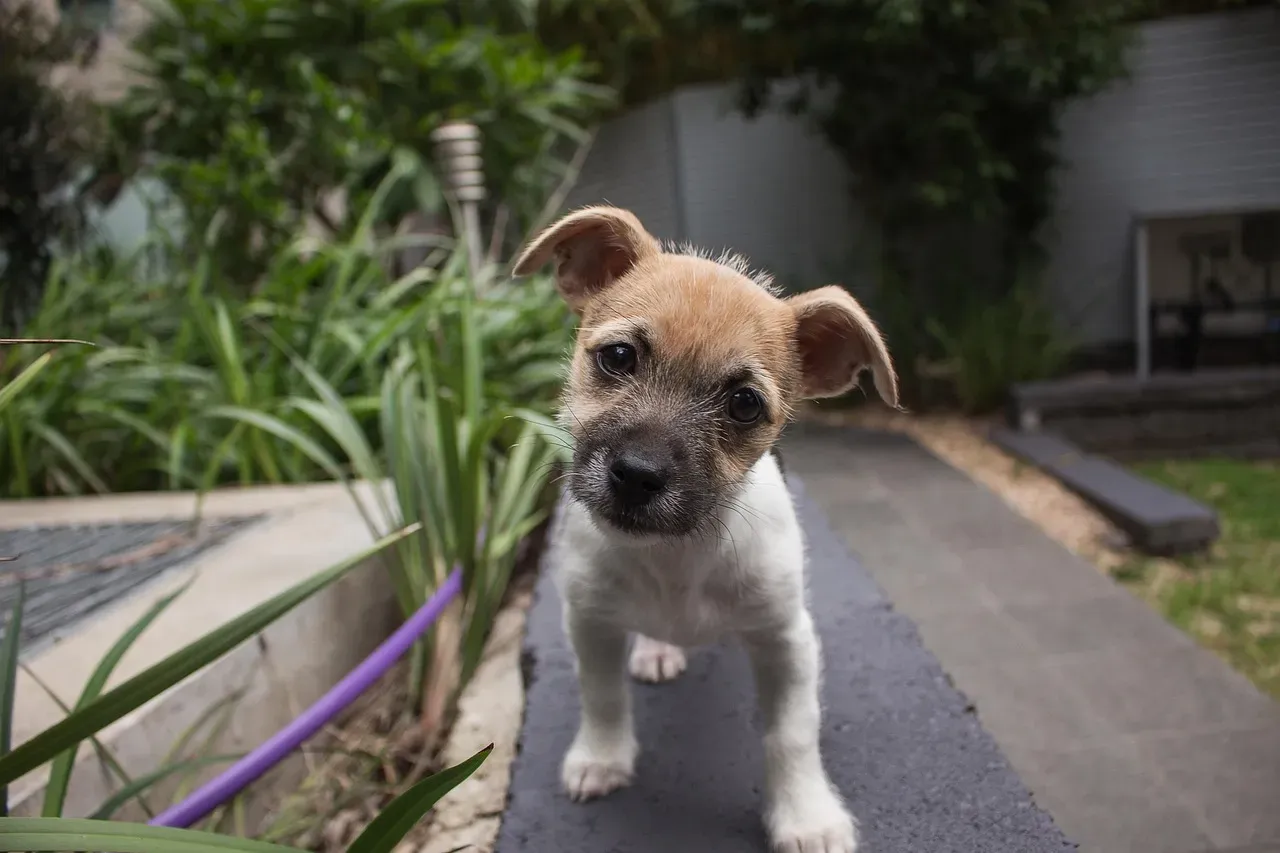
Let’s be real: when your dog tilts their head, you probably smile, coo at them, or even give them a treat. Because dogs repeat behaviors that are rewarded, our positive reaction can increase the frequency of head tilting. Dogs are brilliant observers of human behavior, and they quickly learn which actions earn them affection.
People coo at their dogs, tell them how adorable they are, smile, and give their dogs massive amounts of attention when they tilt their heads, and dogs soon realize that if they move their head in that way, their owners will be all over them with love, affection and maybe even a treat. This creates a feedback loop where the behavior becomes reinforced over time.
A dog tilts their head to show they are engaged much as a human would nod during a conversation to indicate that they are listening, and social dogs that enjoy human interaction usually tilt their heads more often to encourage the continuation of the conversation and prolong human contact. It’s a deliberate social signal, a way of saying, “I’m paying attention to you.”
Interestingly, shelter dogs might use this behavior strategically. Human participants who were asked to modify photos of puppies to make them appear “cutest” consistently manipulated photos to show the puppy with a head tilt, and both puppies and adult dogs were deemed “cuter” when pictured as tilting their heads. Dogs may have evolved to use this gesture because it strengthens their bond with humans.
I know it sounds a bit manipulative, but dogs aren’t being devious. They’re simply responding to what works. The head tilt becomes part of their communication toolkit, a reliable way to maintain your attention and engagement during interactions.
When Head Tilting Becomes a Warning Sign
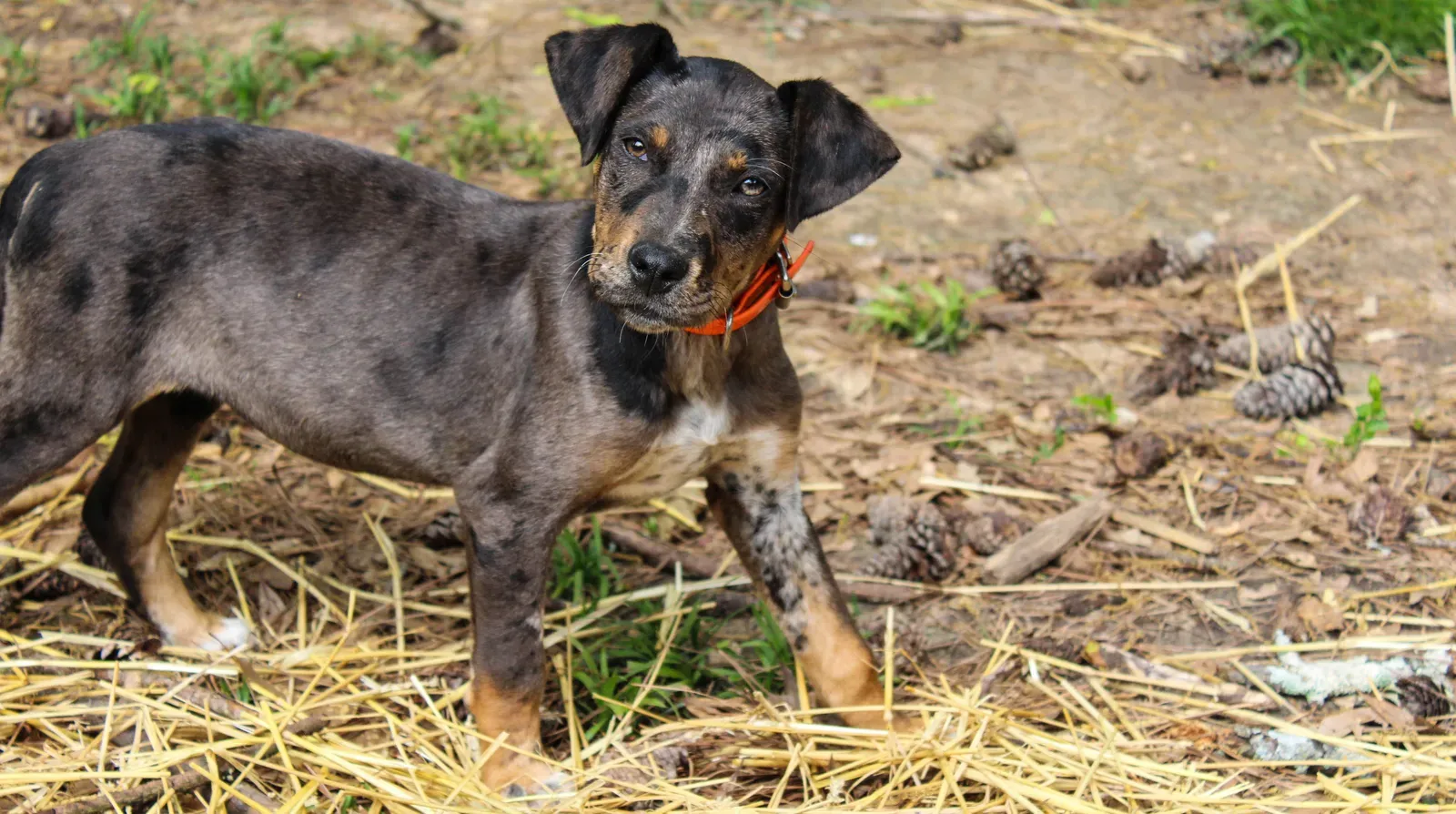
If you see a persistent head tilt, and it seems not to be related to anything, go straight to your veterinarian, as persistent or continuous head tilting can be related to many health concerns, such as an ear infection. There’s a big difference between the occasional adorable tilt during conversation and a constant, unrelenting head position.
If your dog tilts his head but doesn’t seem to be listening, then take him to the vet, as this can be a sign of an ear infection or other condition that may require medical treatment. Context matters enormously here. A tilt that happens randomly throughout the day, unconnected to any auditory or visual stimulus, warrants immediate attention.
The persistent tilt will most likely be accompanied by additional symptoms based on the severity of the problem, and a nutritional deficiency, ear infections, or damaged ear drums can also lead to a head tilt. Watch for other signs like scratching at the ears, loss of balance, or unusual eye movements.
Veterinary conditions affecting the vestibular system can cause a constant head tilt that has nothing to do with communication. It’s hard to say for sure without professional evaluation, but if something feels off about your dog’s head tilting, trust your instincts and get it checked out.
The key is knowing your dog’s normal behavior patterns. If they’ve always been a frequent head-tilter during conversations and nothing else has changed, that’s probably just their personality. It’s the sudden appearance of persistent tilting or a dramatic change in frequency that should raise concerns.
Conclusion
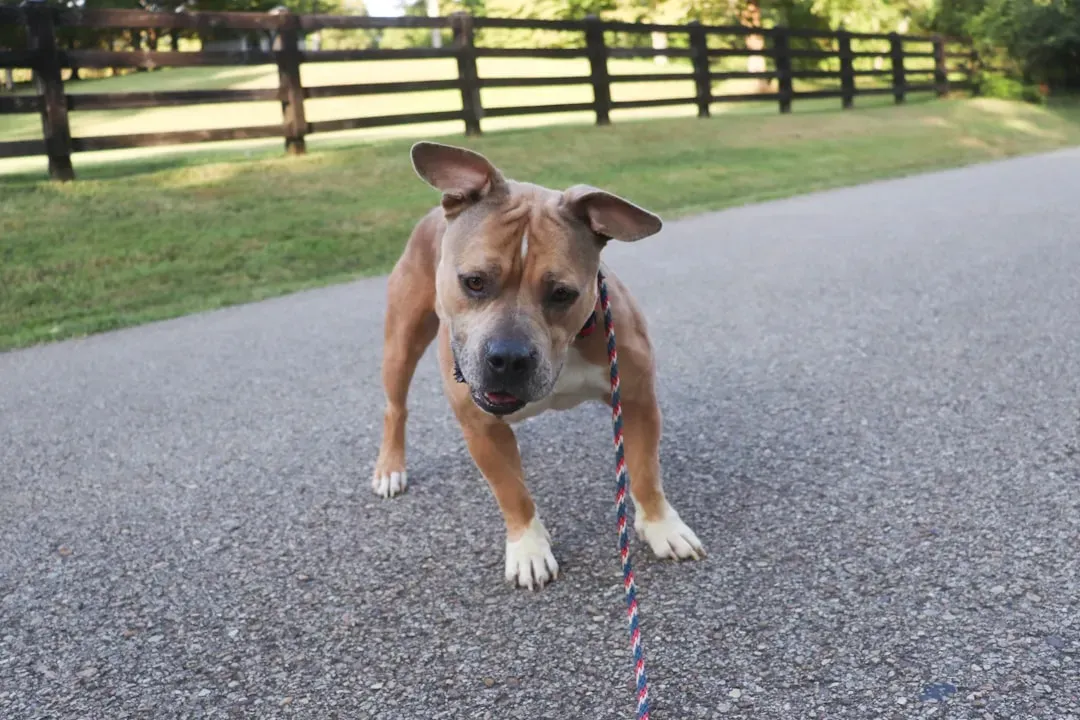
The head tilt turns out to be a fascinating window into canine cognition, revealing layers of sensory adjustment, mental processing, social awareness, and communication strategy. When a pooch tilts its head, it’s probably just trying its best to understand what you’re doing. Your dog is working hard to bridge the communication gap between species, using every tool at their disposal.
What makes this behavior so special is how it strengthens the bond between humans and dogs. That simple gesture creates a moment of connection, a visible sign that your dog is engaged with you and values what you’re saying. Next time your dog tilts their head, you’ll know they’re not just being cute – they’re actively listening, processing, and trying to understand you better.
Did your dog tilt their head while you were reading this? What do you think is going through their mind when they do it? Share your experiences in the comments below.

- 8 Ways Bobcats Move Through Suburbs Without Being Seen - August 9, 2026
- 7 Reasons Black Bears Return to the Same Food Source - August 9, 2026
- Animal Cognition Says Horses Remember People Who Treated Them Well and Those Who Did Not - August 9, 2026