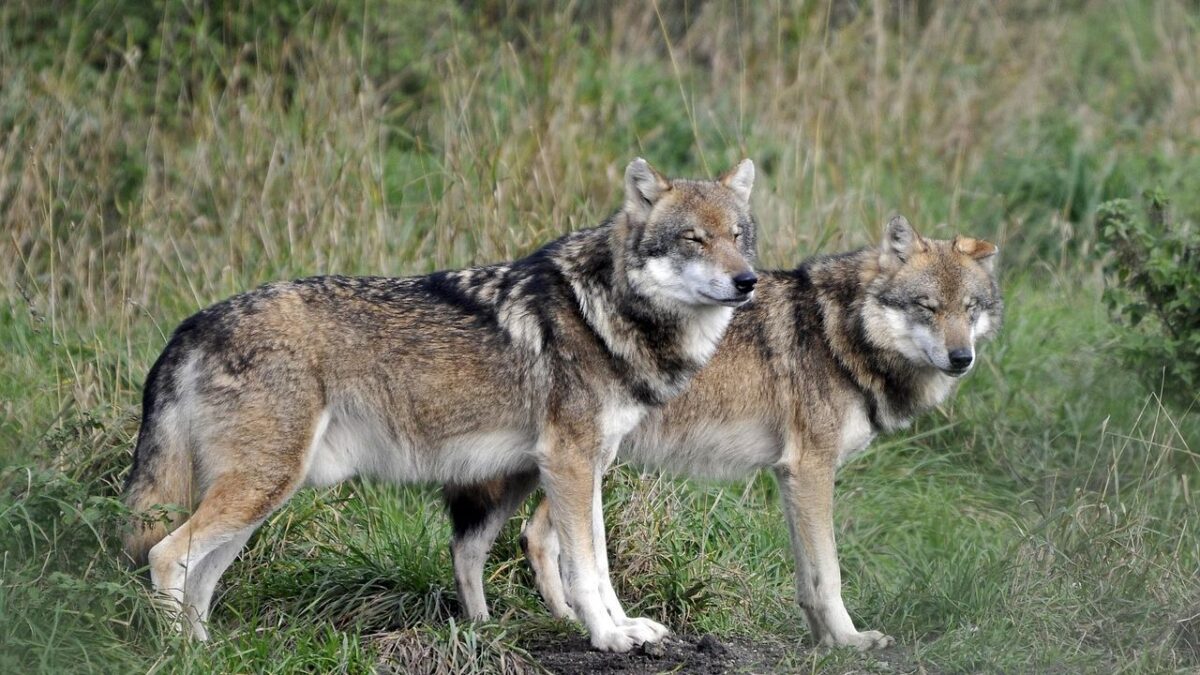
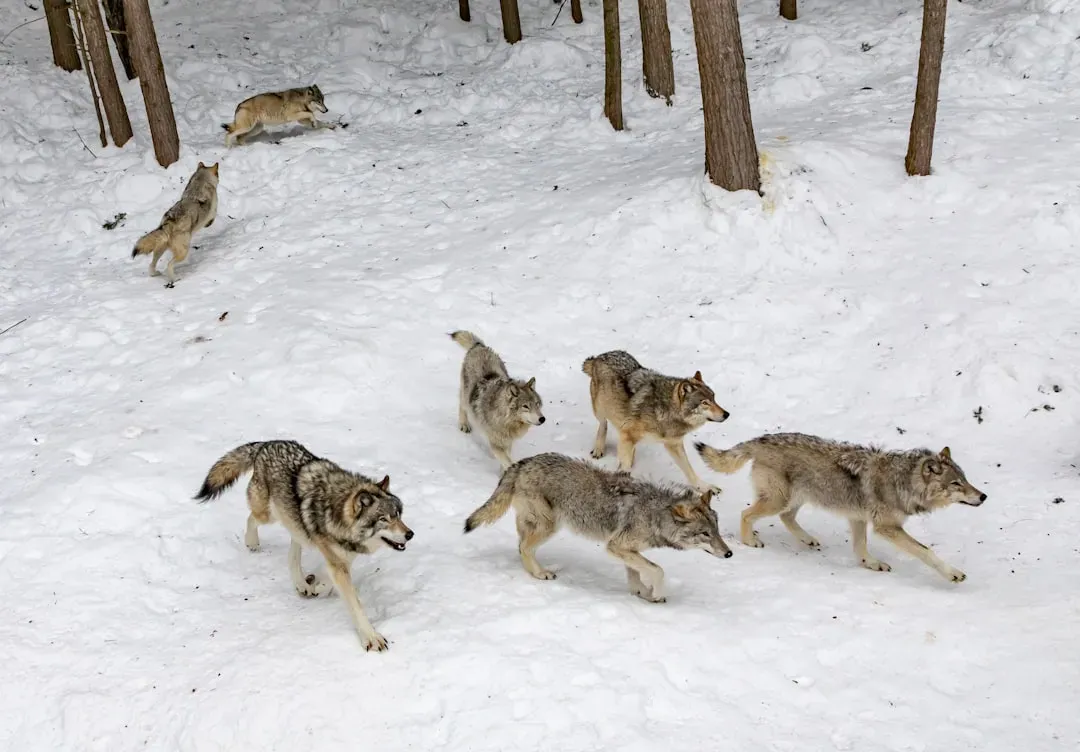
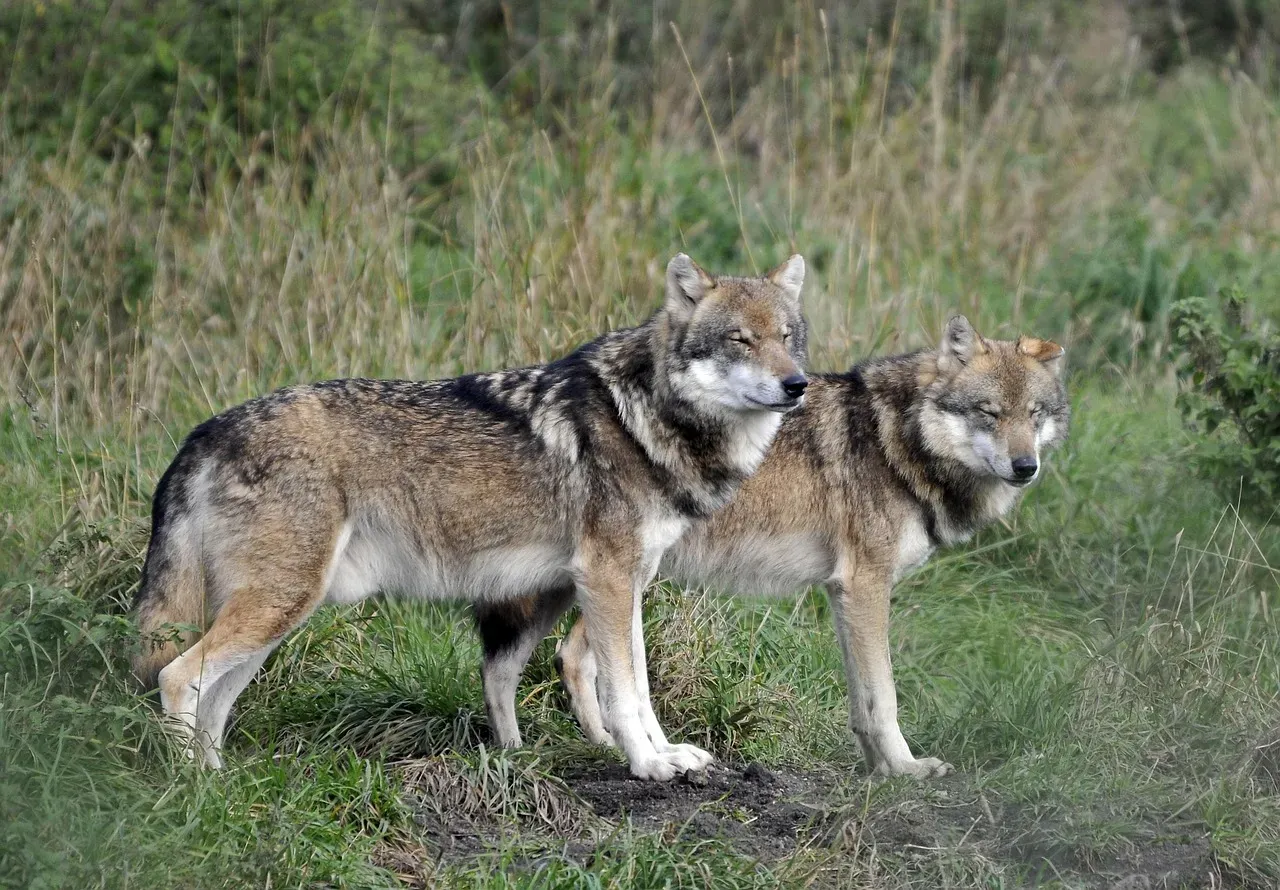
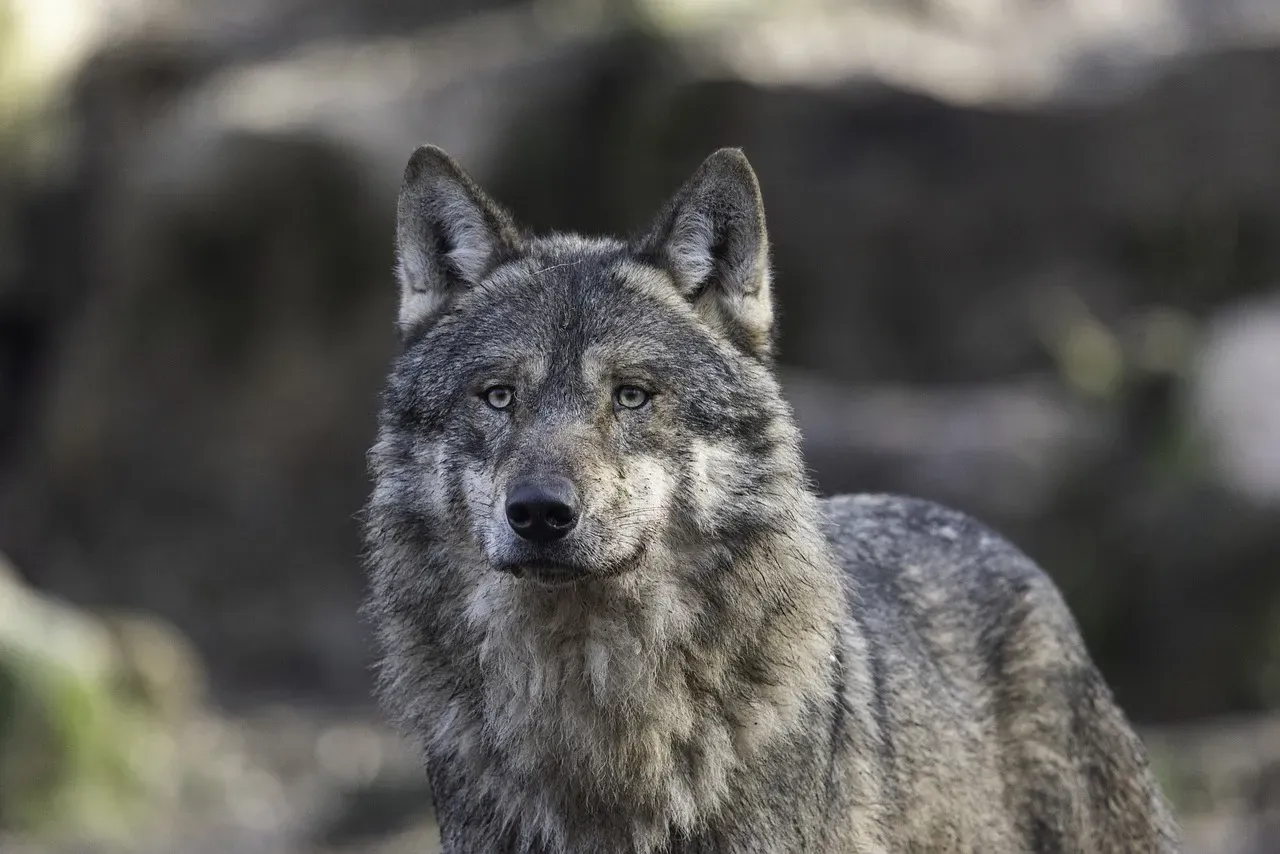
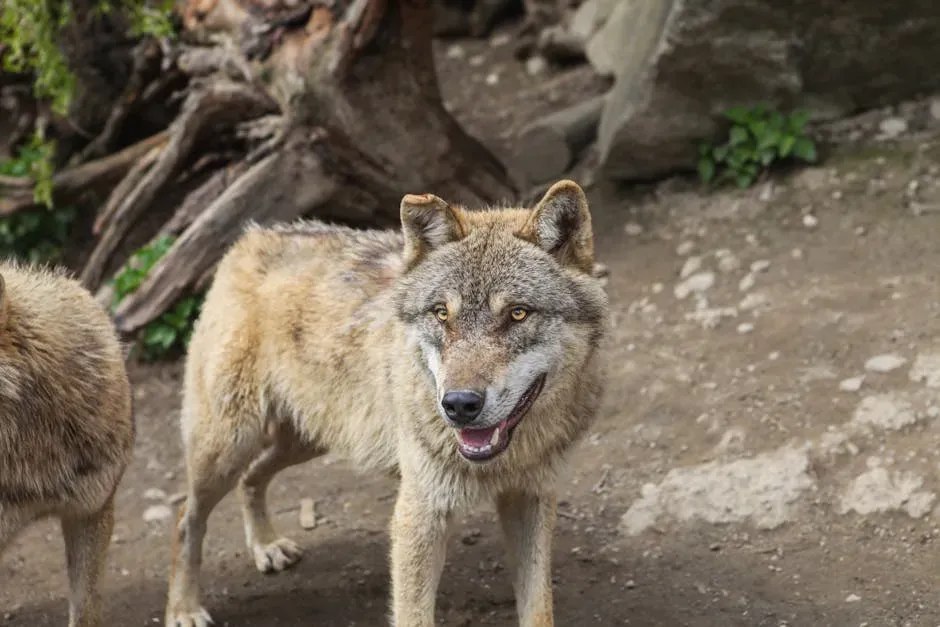
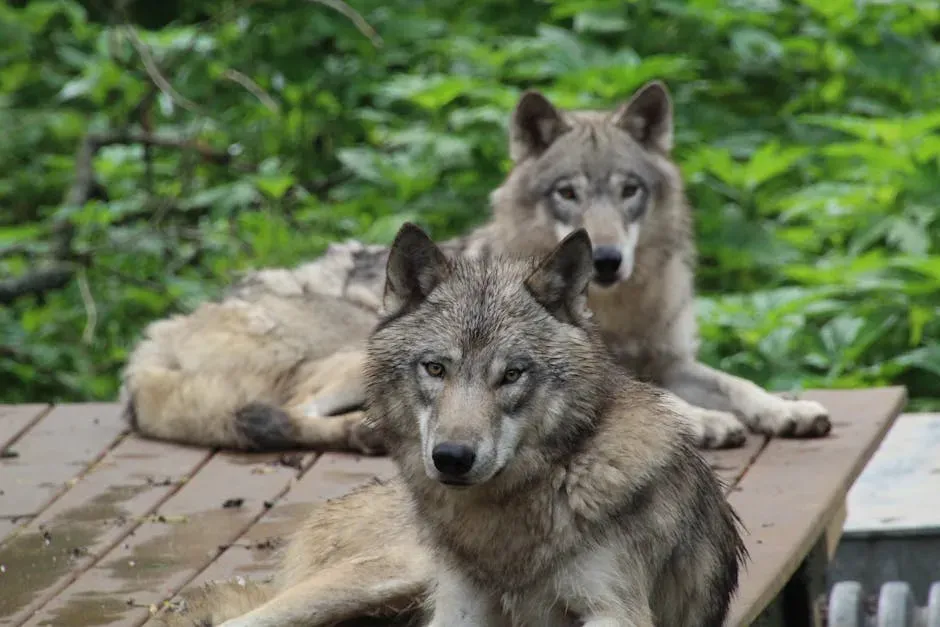
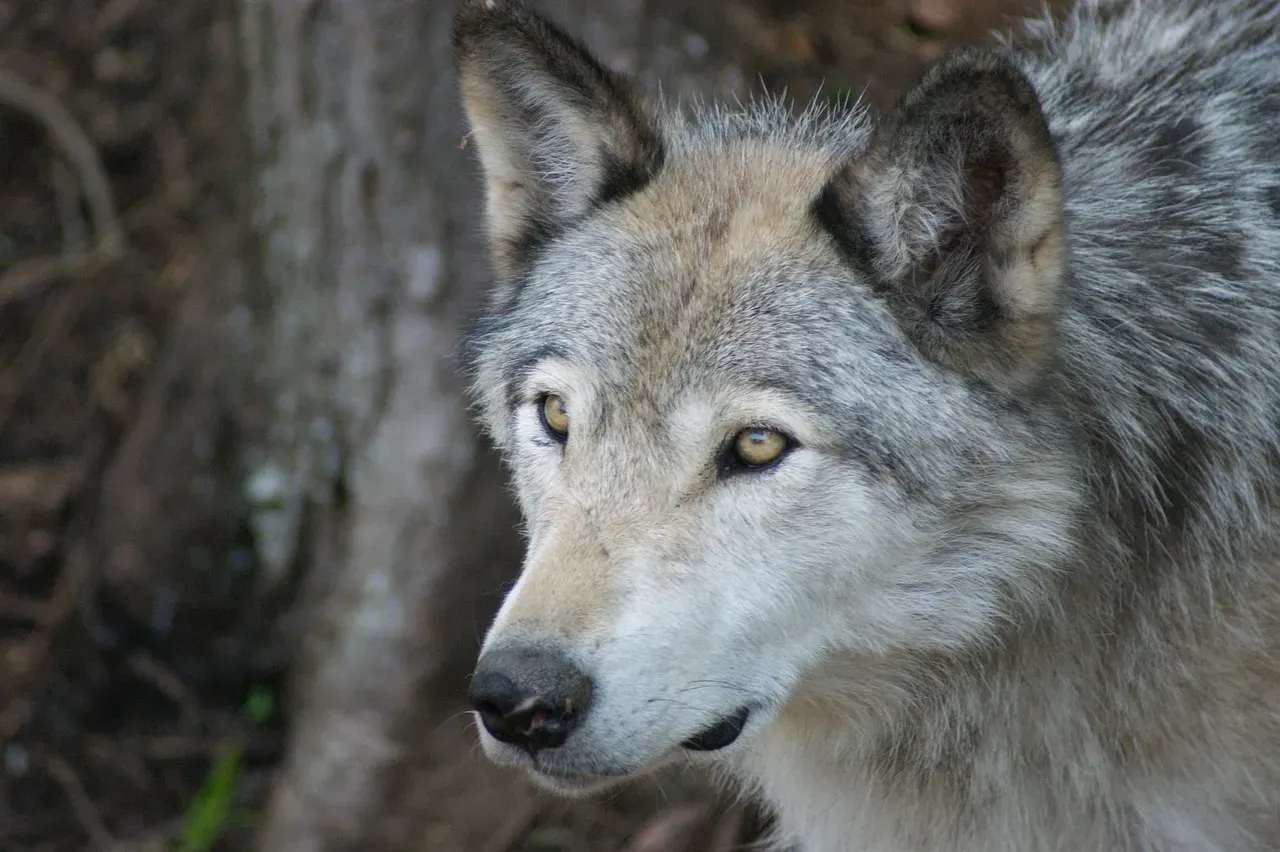
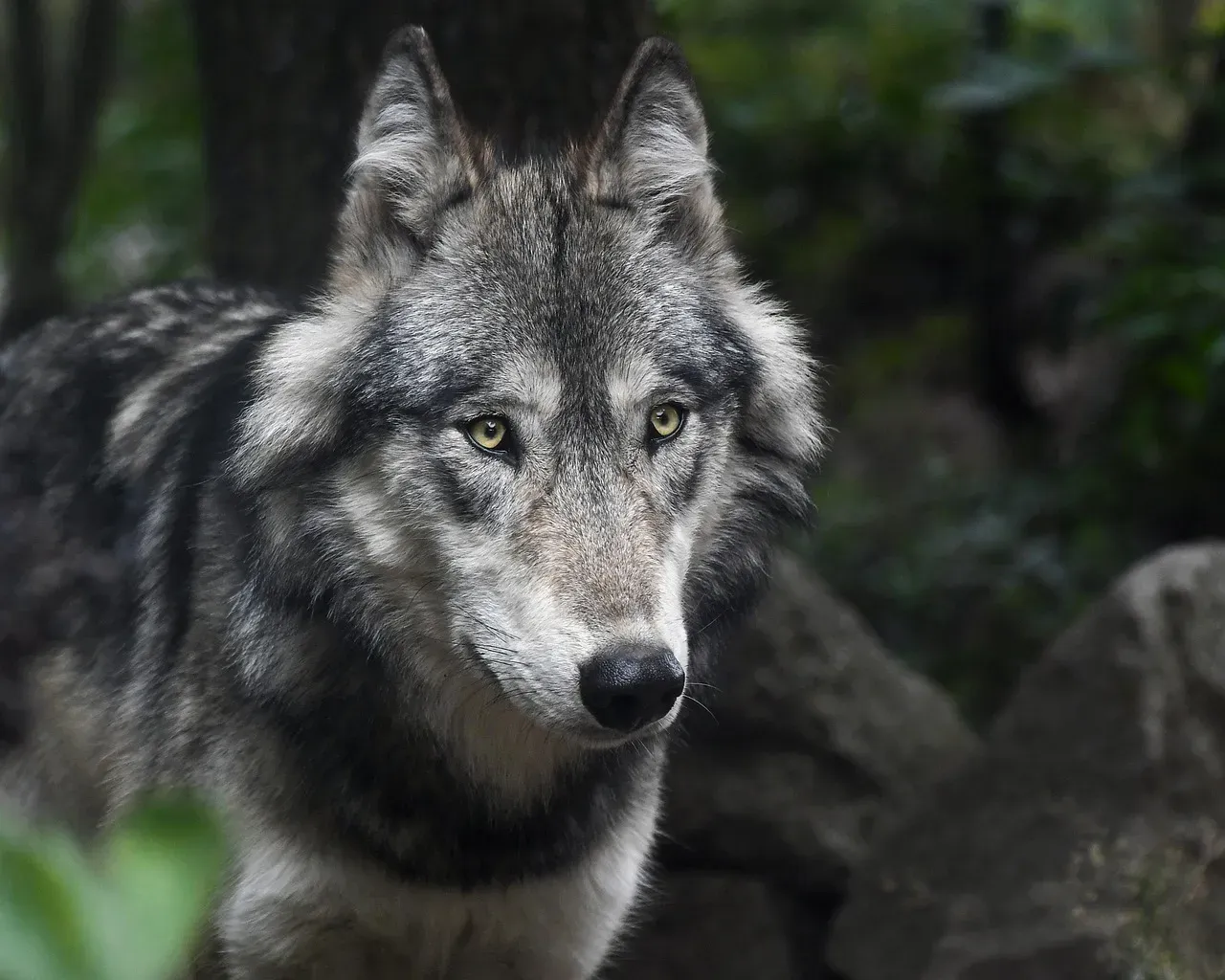
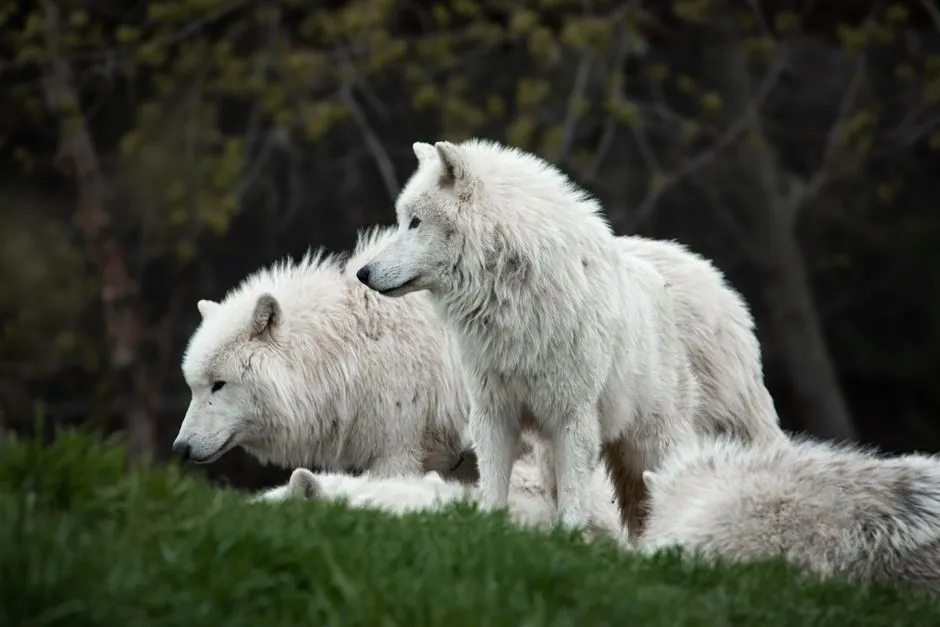
Wolves have made a remarkable comeback across parts of the United States after decades of near absence in many regions. Their presence often sparks strong reactions, from excitement among wildlife enthusiasts to concerns among ranchers and rural communities. Numbers vary widely depending on habitat, management policies, and historical recovery efforts. The states holding the largest shares of these animals offer a window into how different landscapes and approaches shape wolf recovery today.
Alaska
Alaska (Image Credits: Unsplash)
Alaska stands far ahead of every other state when it comes to wolf numbers. Vast wilderness areas and limited human development allow packs to thrive across much of the state. Estimates place the population between roughly seven thousand and eleven thousand animals, a figure that has held steady in recent reports despite varying survey methods. These wolves play a key role in the ecosystem, helping control moose and caribou herds. Management includes regulated hunting seasons that aim to balance conservation with local needs. The sheer scale of the state means many wolves live in areas rarely visited by people.
Minnesota
Minnesota (Image Credits: Pixabay)
Minnesota hosts the largest wolf population in the lower forty eight states. Recent counts put the number near three thousand animals, concentrated mostly in the northern forests. The state has maintained a stable presence of wolves for generations, even through periods of federal listing changes. Dense woodlands and abundant prey support consistent pack sizes. State agencies monitor the population closely and adjust policies based on annual surveys. This long standing population serves as a reference point for recovery efforts elsewhere.
Idaho
Idaho (Image Credits: Pixabay)
Idaho ranks high among western states with an estimated twelve hundred fifty wolves. Recovery began with reintroductions in the nineteen nineties, and numbers have grown steadily since then. Rugged mountains and remote valleys provide ideal conditions for packs to expand. Livestock conflicts remain a recurring issue in some areas, leading to targeted management responses. At the same time, tourism tied to wolf watching has grown in popularity. The state continues to refine its approach as populations stabilize.
Wisconsin
Wisconsin (Image Credits: Pexels)
Wisconsin supports around twelve hundred wolves according to the latest estimates. The animals occupy much of the northern part of the state where forests offer cover and deer populations provide steady food. Revised survey techniques have helped refine these counts in recent years. Packs here tend to be smaller on average than in more remote regions. State wildlife staff track movements and breeding success to guide decisions. Public interest in wolves has increased alongside the population growth.
Montana
Montana (Image Credits: Pexels)
Montana holds just over one thousand wolves spread across its western mountains and plains. The landscape ranges from high elevation forests to open country that supports both wolves and their prey. Recovery has been steady since the mid nineteen nineties. Ranchers and hunters interact with wolves regularly, which influences local attitudes and policies. Annual reports show gradual increases in some zones while others remain steady. The state balances these dynamics through ongoing monitoring programs.
Michigan
Michigan (Image Credits: Pixabay)
Michigan is home to roughly seven hundred sixty wolves, primarily on the Upper Peninsula. The population has grown from a small number of animals that naturally recolonized the area decades ago. Dense forests and limited road access help sustain the packs. Surveys indicate stable or slightly increasing numbers in recent years. Wolves here contribute to controlling deer populations that can otherwise become overabundant. Management focuses on minimizing conflicts while allowing natural expansion where possible.
Washington
Washington (Image Credits: Pixabay)
Washington reached a record high of two hundred seventy wolves by the end of twenty twenty five. The increase of more than seventeen percent from the prior year reflects successful dispersal and breeding. Most packs live in the northeastern part of the state. Forested mountains and recovering prey bases support this growth. State and tribal partners collaborate on surveys that include both pack counts and estimates for lone animals. The upward trend marks a notable shift from earlier decades when wolves were absent.
Wyoming
Wyoming (Image Credits: Pexels)
Wyoming maintains a population of about two hundred fifty wolves. The animals are concentrated in the northwest near Yellowstone and in other mountainous zones. Management differs by region, with some areas under state control and others following federal guidelines. Prey availability and habitat connectivity influence pack distribution. Conflicts with livestock occur periodically, prompting responses from wildlife officials. The state tracks these dynamics through regular field work and reports. Wolves continue to test the balance between wild recovery and human interests wherever they return. Their numbers reflect both ecological resilience and the practical limits of coexistence in shared landscapes. Watching how these eight states manage their populations offers clues about what the future might hold for the species across the country.
Did you find this helpful? Share it with a friend who’d love it too!
Gargi is an MA in History and a B.Ed graduate from India, with a deep passion for animals and wildlife awareness. As an article writer and editor at Animals Around The Globe, she combines her love for storytelling with her dedication to educating readers about animals, conservation, and responsible pet care. A devoted dog lover, Gargi enjoys creating engaging and informative content that inspires compassion and awareness toward the natural world.