
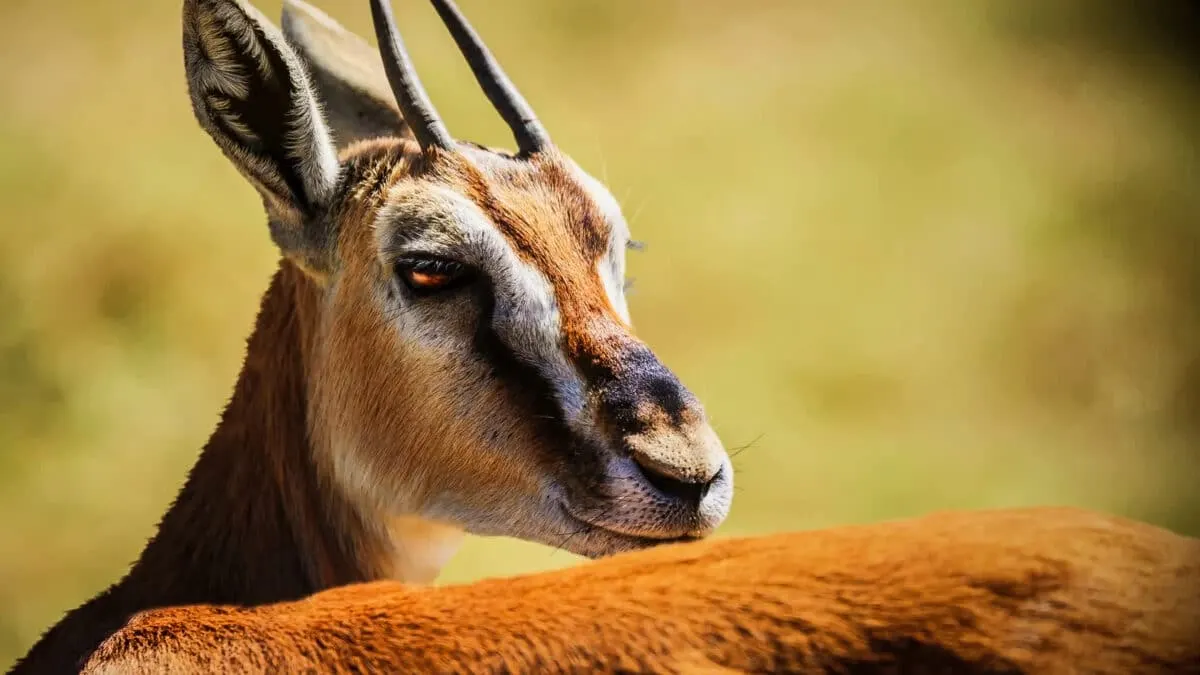
Gazelles are renowned for their speed, agility, and striking appearance on the African savannas and in parts of Asia. These beautiful creatures belong to the antelope family and are known for their unique behavior, especially the dramatic leaps they perform when threatened. This behavior, known scientifically as “stotting” or “pronking,” has long fascinated scientists and wildlife enthusiasts alike. This article will explore the reasons behind this intriguing leaping behavior, shedding light on its significance for survival and communication within the gazelle world.
Understanding Stotting: The Anatomy of a Leap

Stotting or pronking is the act of gazelles leaping high into the air with an arched back and stiff legs, sometimes reaching impressive heights and distances within a single bound. This behavior is not unique to gazelles, as it can be observed in other species like springboks and impalas. However, gazelles have become an emblem of this dramatic display.
The mechanics of stotting involve the powerful contraction of the gazelle’s leg muscles, which propels it off the ground. This leap is quick and precise, often executed several times in rapid succession. While it may seem counterintuitive for an animal to expend valuable energy leaping into the air rather than fleeing on the ground, stotting serves multiple critical functions.
Why Do Gazelles Leap?

The primary reason for gazelles leaping into the air when threatened revolves around survival and communication. Here are some of the theories explaining why stotting is so crucial for gazelles:
Displaying Fitness
One of the most widely accepted theories is that stotting serves as a fitness display. By leaping high into the air, a gazelle demonstrates its physical endurance and agility to both predators and peers. This display of vitality can deter predators by signaling, “I am healthy and not the easiest target to catch.” Predators such as cheetahs and lions often look for the weakest link in a herd, and a stotting gazelle may effectively discourage pursuit by showcasing its ability to outrun or outmaneuver them.
Confusion and Distraction
Stotting can also confuse or distract predators. When multiple gazelles in a herd begin to stot, it creates a chaotic scene with multiple animals moving in different directions. This can momentarily disorient a predator, making it difficult to single out and target an individual gazelle. In the wild, even a split-second of confusion can give a gazelle the edge it needs to escape.
Altruistic Warning
There is also an altruistic component to stotting. By leaping, a gazelle can communicate the presence of a predator to others in the herd, encouraging them to be more vigilant or flee. This collective signaling helps in protecting the herd as a whole, demonstrating the social bonds and cooperative behaviors within gazelle communities.
The Science Behind the Leaps

Scientists have studied stotting extensively to understand its evolutionary benefits. Researchers observe that gazelles performing these leaps have developed specialized muscle compositions that allow them to execute the behavior without excessive energy expenditure. The action of leaping and landing also enhances the animal’s resilience, conditioning them for bursts of speed necessary during an actual predator chase.
Further studies have examined the hormonal and neurological drivers behind stotting, revealing that stress hormones released during predator encounters are linked to the initiation of stotting. This response, triggered almost reflexively, shows the deeply ingrained nature of this survival mechanism.
Conclusion
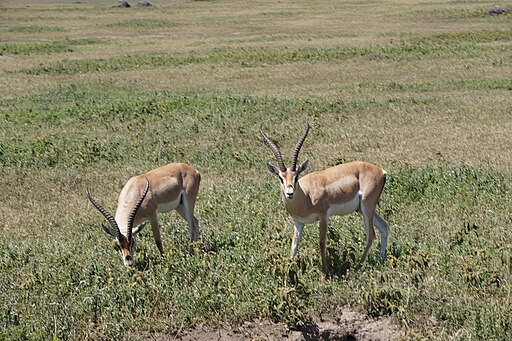
Stotting is a fascinating behavior that highlights the intricacies of predator-prey interactions in the animal kingdom. For gazelles, leaping into the air when threatened is more than a simple reflex; it is a multi-faceted strategy that enhances survival through displays of fitness, confusion tactics, and social communication. As researchers continue to study these elegant animals, our understanding of their behavior and ecology will expand, offering further insights into the delicate balance of life on the African savannas and beyond.

- The Most Powerful Earthquake Ever Felt in the U.S. - July 19, 2026
- How Rhinoceros Males Compete for Mating Rights in the Wild - July 18, 2026
- 13 Spider Species Thriving in Changing Environments - July 18, 2026