

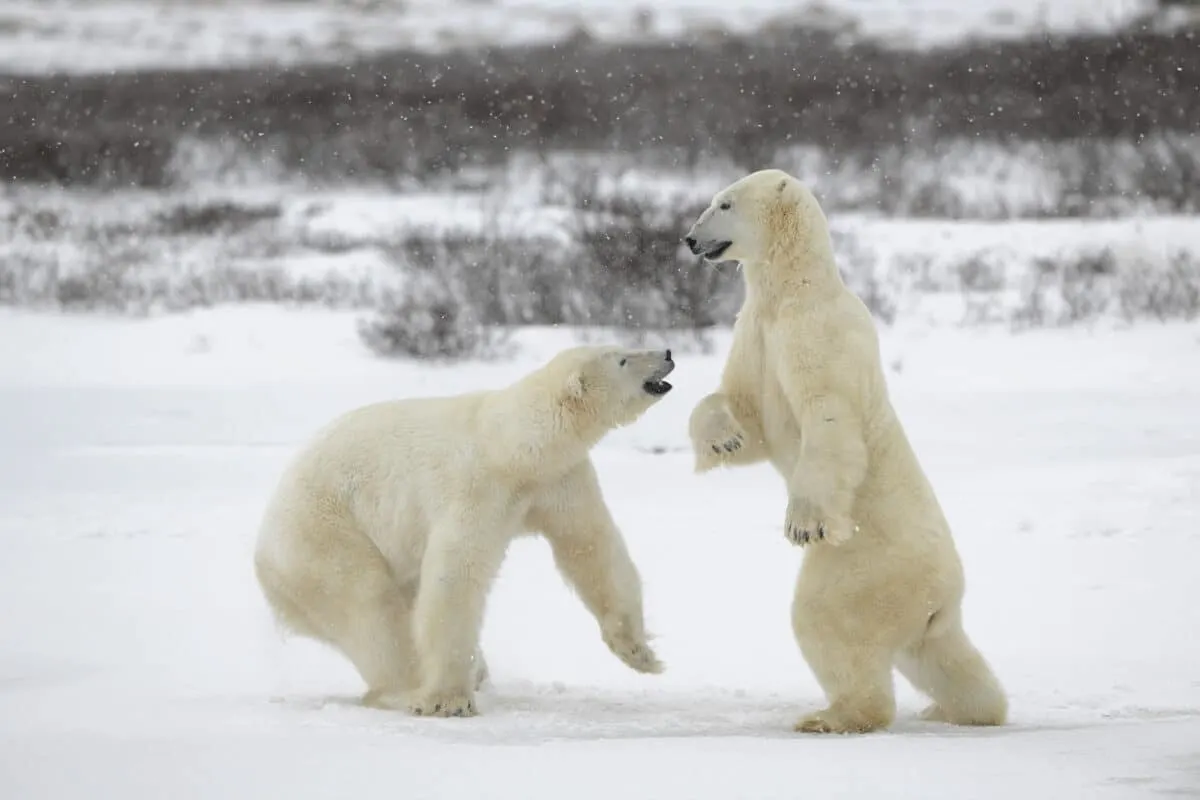
Animal communication is a fascinating and complex field that explores how animals convey information to each other through various methods such as vocalizations, body language, chemical signals, and even electromagnetic signals. Effective communication among animals is crucial for survival, aiding in processes such as mating, territory defense, and alerting others to danger. However, environmental factors, including severe weather conditions, can significantly disrupt these communication channels, impacting animal behavior and survival.
How Animals Communicate

To better understand how severe weather affects animal communication, it is essential to first grasp the basics of how animals interact with each other. Different species utilize various methods for communication. Birds often rely on songs and calls, whales use intricate vocal signals under the sea, bees perform dances to share information about food sources, and wolves use a combination of vocalizations and postures to communicate within their packs. These modes of communication are attuned to their natural environments, where any significant disruption, like severe weather, can pose challenges.
The Impact of Severe Weather on Vocal Communication
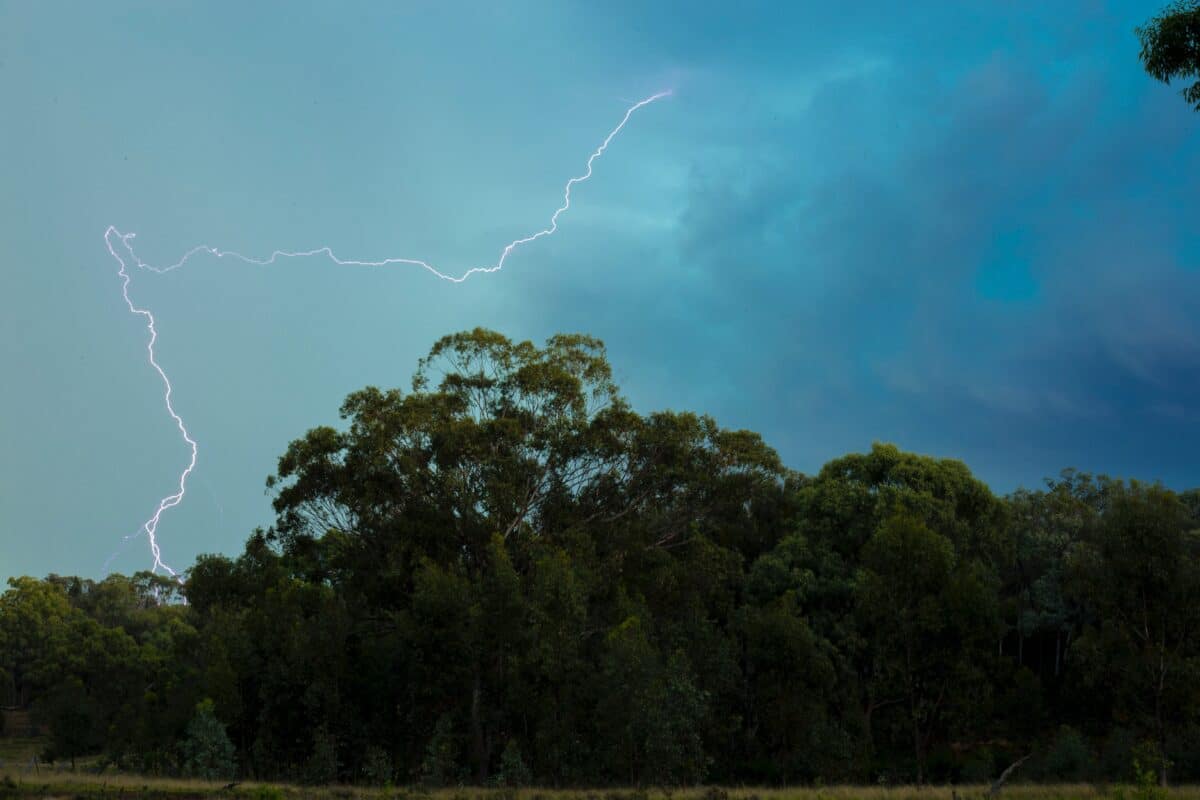
Severe weather events, such as thunderstorms, hurricanes, and heavy rains, can drastically alter the acoustic properties of environments. High winds, thunder, and pouring rain increase ambient noise levels, which can mask vocal signals. For instance, birds that rely on songs for mating or territory defense may struggle to make themselves heard in stormy conditions, potentially impacting mating success or territorial conflicts. In marine environments, storms can alter water salinity and temperature, affecting the transmission of sound waves and making it difficult for species like whales and dolphins to communicate effectively over long distances.
A Case Study: Frogs and Amphibians
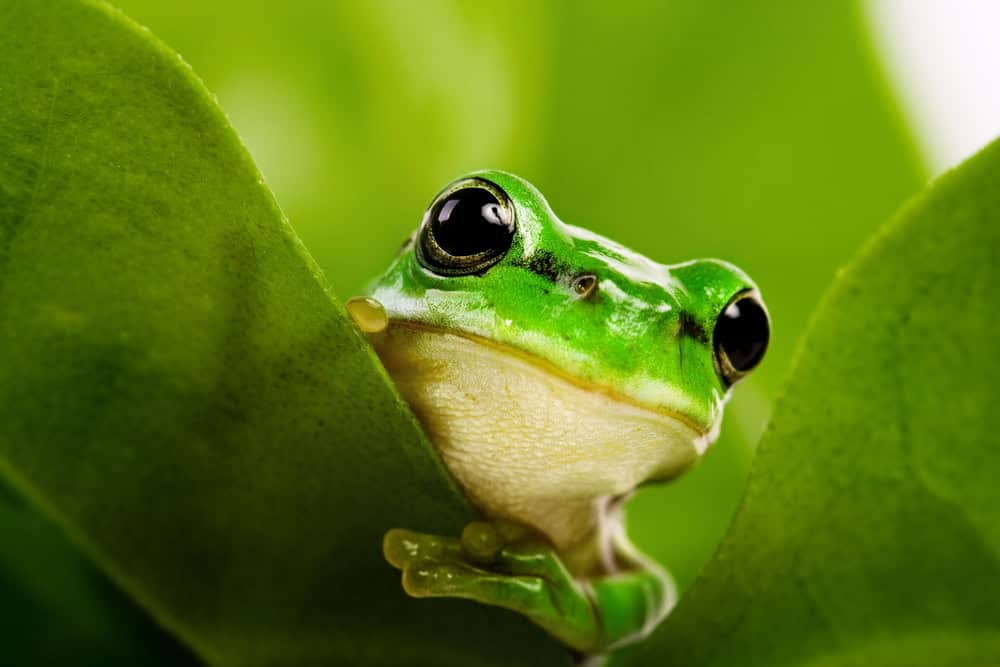
Frogs and other amphibians are particularly interesting when studying the impacts of severe weather on animal communication. These creatures depend heavily on vocalizations to attract mates during breeding seasons, often synchronized with rainfall. However, excessive rain and flooding can dilute the effectiveness of their calls, making it challenging for potential mates to identify and locate them. Moreover, habitat destruction due to severe weather can further exacerbate these communication difficulties by forcing species into less optimal environments.
Visual and Chemical Communication in Adverse Weather

Beyond vocal communications, visual signals can also be affected by severe weather. Animals that use visual displays may find their signals less effective in low visibility conditions caused by heavy rain or snow. For example, certain species of birds and butterflies depend on sunlight to enhance their visual markings during courtship displays, and prolonged overcast conditions can hinder these visual cues.
Chemical communication, commonly used by insects and mammals through pheromones, can also be impaired. Heavy rains can wash away pheromone trails or dilute them to the point of ineffectiveness. This can lead to challenges in food location, mating, and social interactions within species that rely on chemical signals.
Long-term Effects and Adaptations
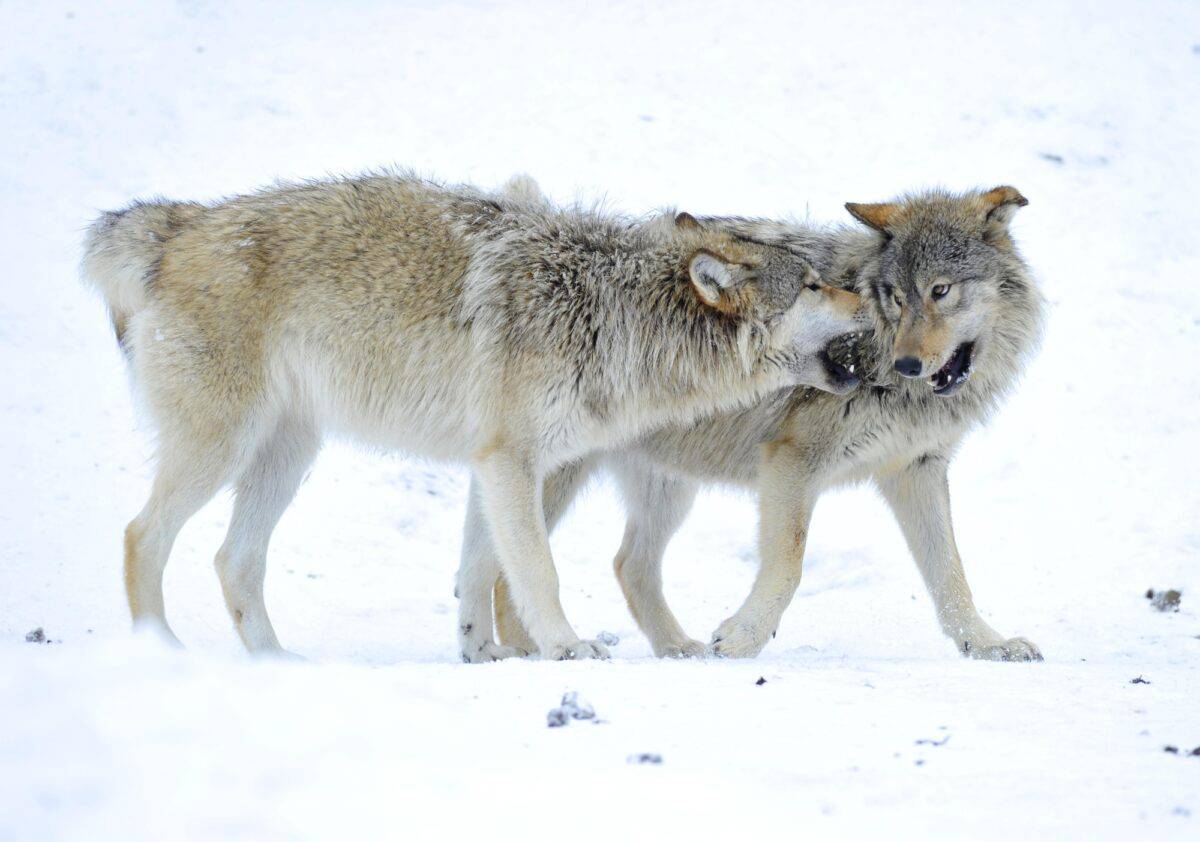
Repeated exposure to severe weather can have long-term effects on animal communication strategies. Some species may adapt over time by altering their communication methods, for example, changing the frequency or volume of calls to overcome ambient noise or developing stronger visual signals to counteract low visibility. In some cases, behaviors may evolve to circumvent environmental disruptions, such as shifting breeding seasons or modifying social structures.
Conclusion: The Importance of Understanding Weather Impacts

Understanding how severe weather affects animal communication is crucial as climate change continues to alter global weather patterns. By studying these impacts, scientists can better predict how animal populations might adapt or suffer, informing conservation efforts to protect biodiversity. Awareness of these interactions also emphasizes the interconnectedness of ecosystems, highlighting how changes in climate can ripple through the natural world to affect seemingly unrelated facets like animal communication.
By continuing to research and understand these dynamics, we are better equipped to support the survival of diverse species amidst a changing climate, ensuring they can continue to communicate effectively in their fight for survival.

From exploring the marine wonders in the Azores and witnessing the vast savannas of Kenya, to delving deep into the rich biodiversity of South Africa and traversing iconic landscapes in Australia and the US like Yellowstone, Chris's experiences are vast.
With a penchant for diving alongside sharks, the ocean holds a special place in his heart.
Through his academic insights, he champions wildlife conservation, striving with 'Animals Around The Globe' to cultivate a profound connection between humans and animals, enhancing our mutual appreciation.
Connect with him at Feedback@animalsaroundtheglobe.com.
- The Largest Predator Ever Found in Freshwater - July 19, 2026
- From Celebration to Criticism: The Changing Role of Meat in Rituals - July 18, 2026
- The Link Between Pollinators and Your Morning Tea - July 18, 2026