

Imagine diving into the ocean and spotting an octopus that morphs from vibrant blue to sandy beige right before your eyes. It’s not magic. These eight-armed wonders pull off color shifts faster than you can blink, leaving predators baffled and researchers in awe.
Here’s the thing. Their skin holds the key to this superpower, packed with cells that respond to the world around them. Ready to uncover how it all works? Let’s dive in.[1][2]
The Marvelous Layers of Octopus Skin
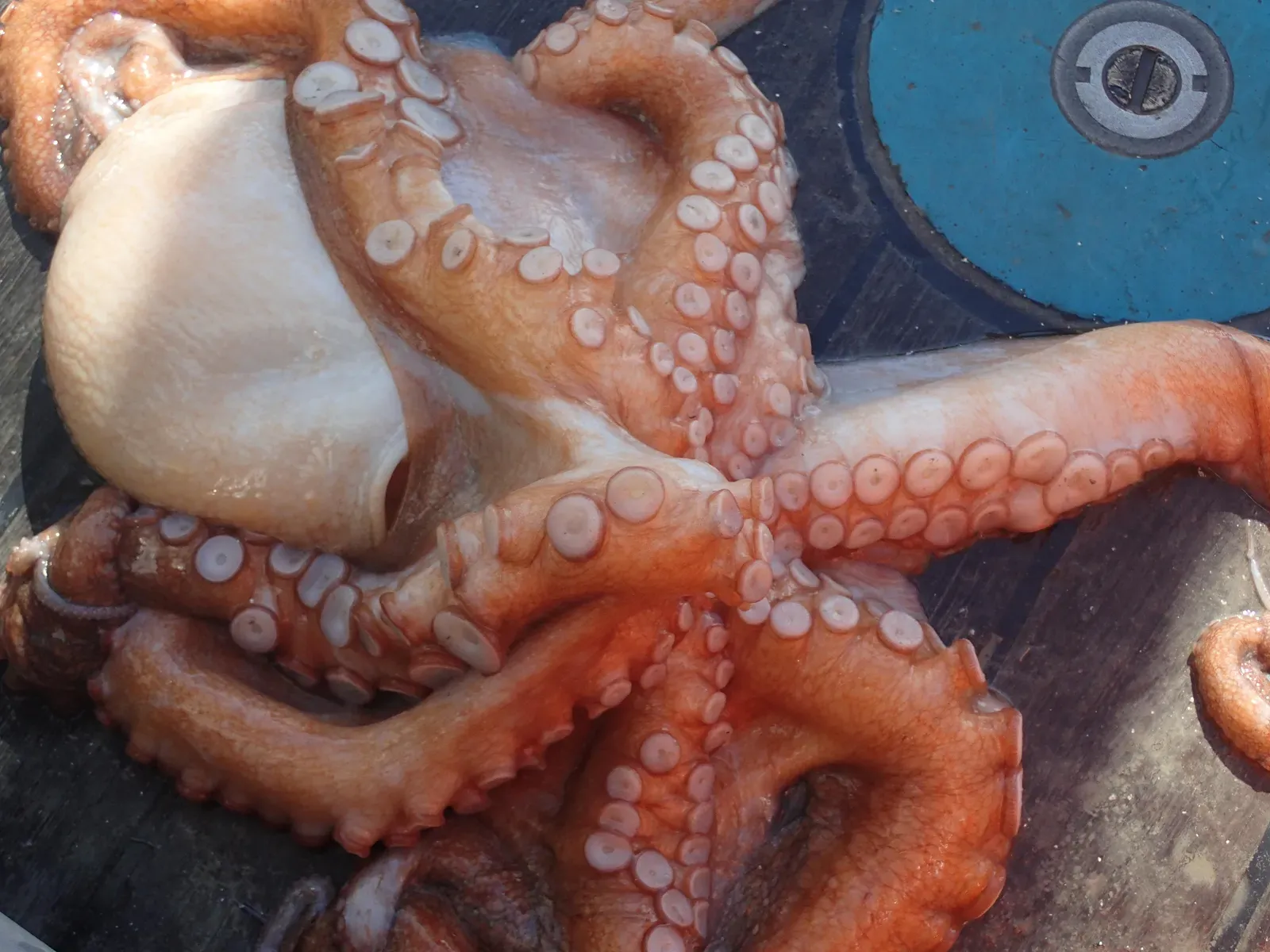
Octopus skin isn’t your average covering. It layers specialized cells like chromatophores, iridophores, and leucophores, each playing a role in the color show. These work together to create patterns that fool the eye.[3]
Papillae add texture, raising bumps to mimic rocks or seaweed. Scientists marvel at this setup. It turns a smooth body into a living disguise in moments. Honestly, it’s like nature’s own special effects team.[4]
Chromatophores: The Pigment Powerhouses
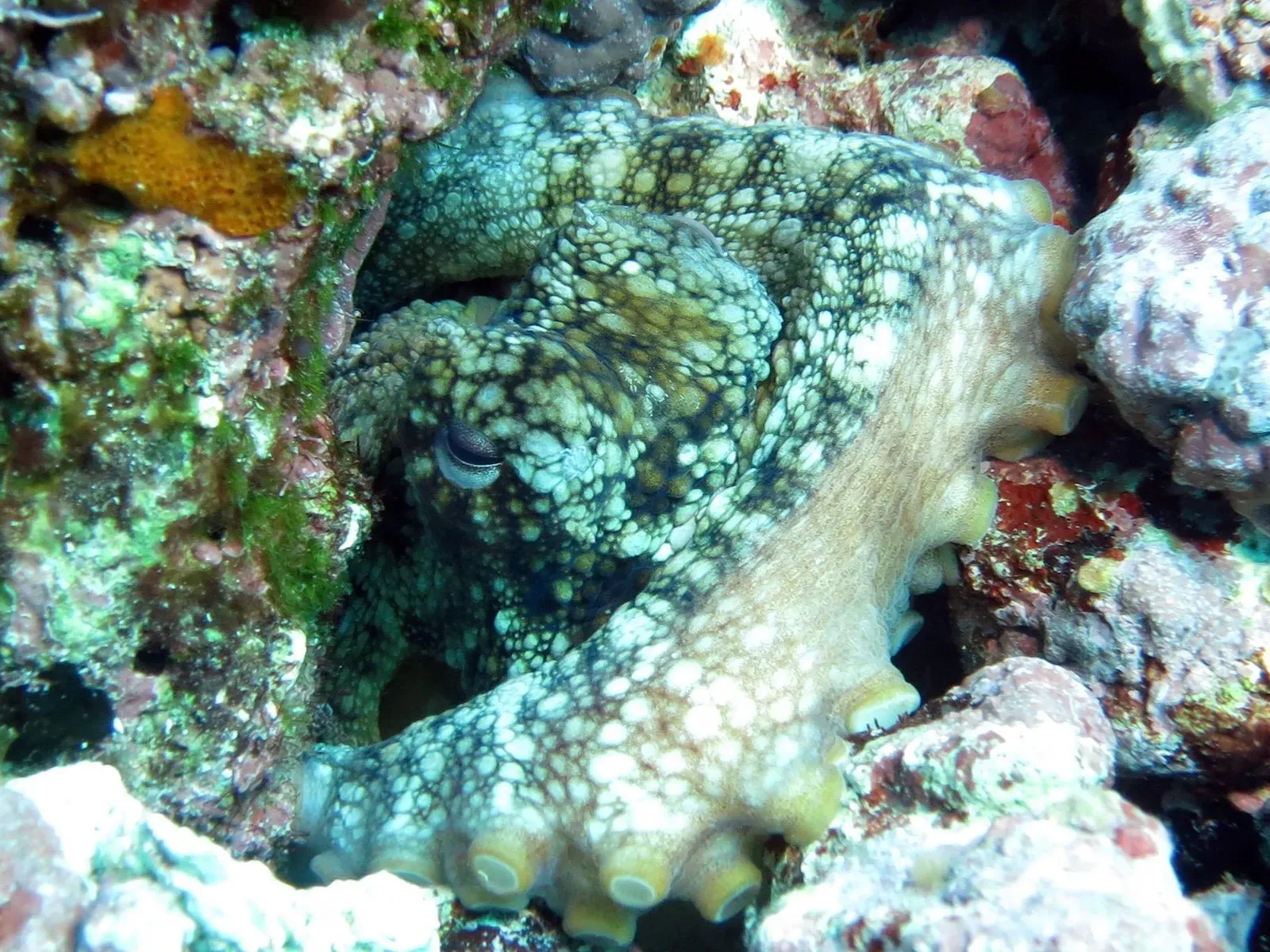
At the heart of the action sit chromatophores. These are tiny sacs filled with pigments like red, yellow, brown, or black. Muscles around each sac contract to expand it, spreading color across the skin.[1]
When relaxed, the sac shrinks, hiding the hue. Thousands dot the skin, firing in patterns for complex displays. This expansion happens in milliseconds. No wonder they vanish so quick.[2]
It’s energy-intensive, though. Constant changes tire them out. Still, the payoff in survival is huge.
Iridophores and Leucophores: Structural Color Magic
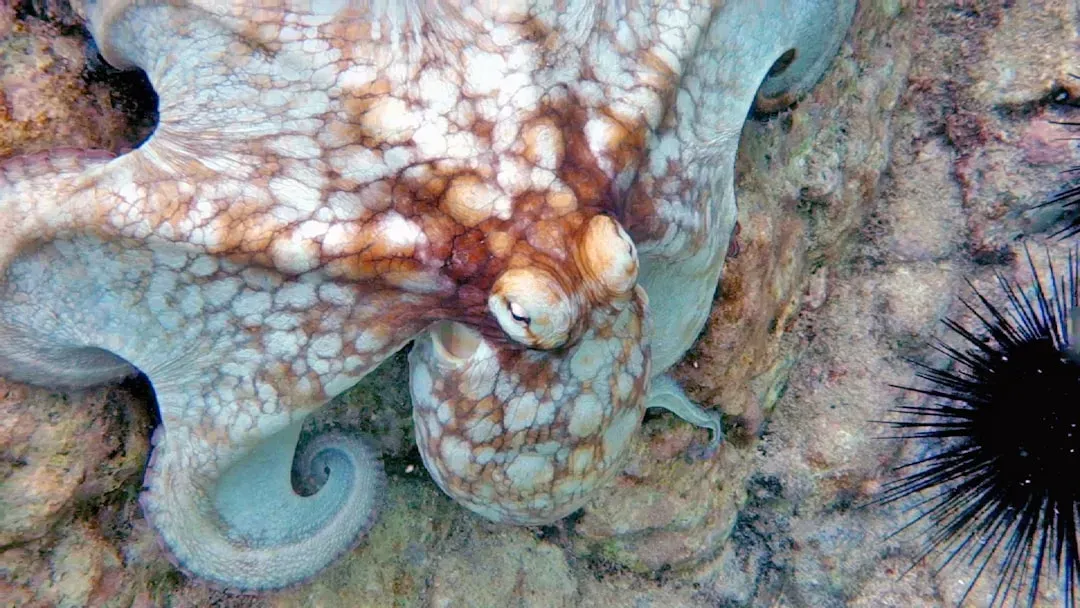
Chromatophores handle pigment, but iridophores reflect light like tiny mirrors. Stacked plates inside shift angles to produce blues, greens, and silvers. No pigment needed, just physics.[3]
Leucophores scatter light broadly, creating whites or brightening scenes. They reflect ambient colors from the environment. Together, these cells mix with pigments for near-perfect matches.
I think it’s wild how they layer effects like a painter. Octopuses don’t just tint; they dazzle with iridescence. This combo fools even sharp-eyed fish.[5]
The Brain-Skin Connection: Lightning-Fast Control
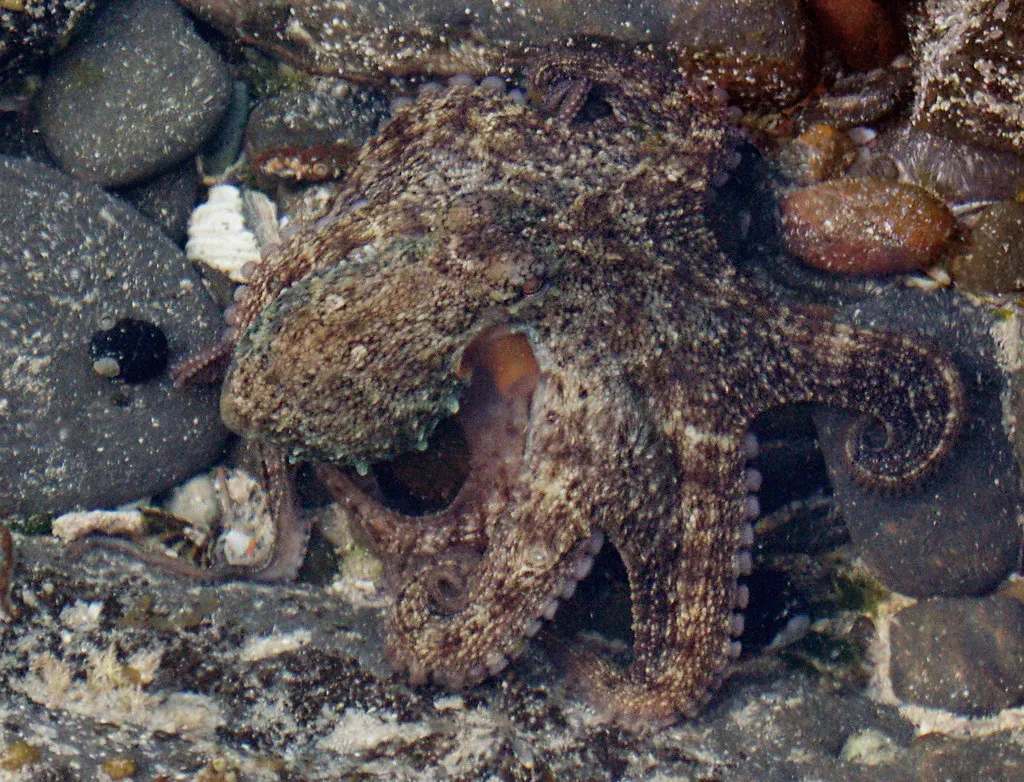
Speed comes from direct neural links. The octopus brain sends signals straight to skin muscles, bypassing delays. Their nervous system dedicates huge chunks to camouflage control.[2]
Skin even “sees” light via opsins, sensing without eyes. This helps match surroundings blindly. Chromatophores respond to local light changes instantly.
Let’s be real. While colorblind to reds, they detect polarization perfectly. Skin sensors fine-tune the show. It’s a decentralized genius at work.[6]
Beyond Hiding: Communication and Survival
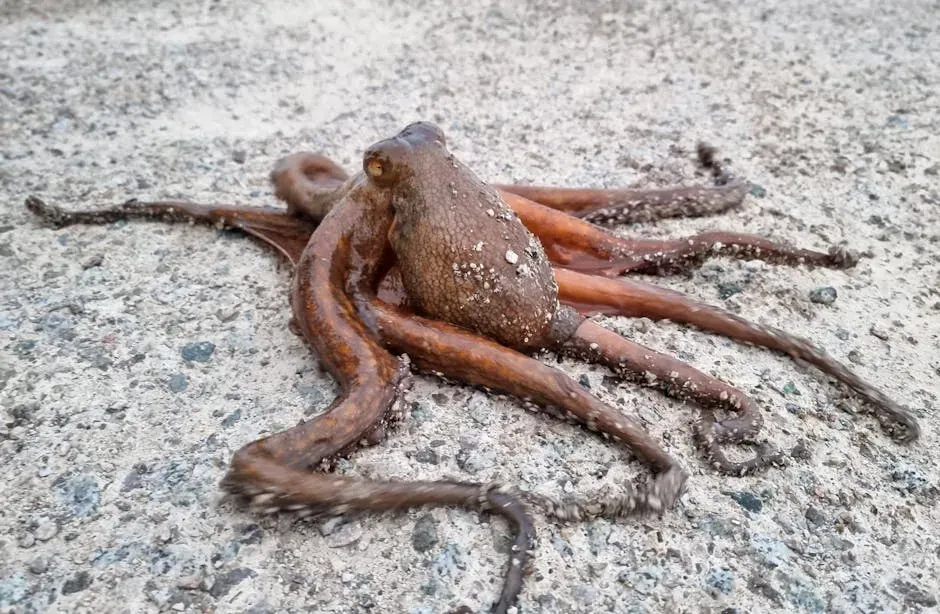
Camouflage rules, but color shifts serve more. They signal mates with pulsing patterns or flash warnings at threats. Venomous types go bold to scare foes.[1]
Hunting involves sneaky blends into prey habitats. Mood shows too, like stress flushing pale. Each shift costs energy, so they pick battles wisely.
Researchers eye this for tech, like adaptive fabrics. Nature outdoes us yet. What a blueprint for invisibility.[7]
Wrapping Up the Octopus Enigma
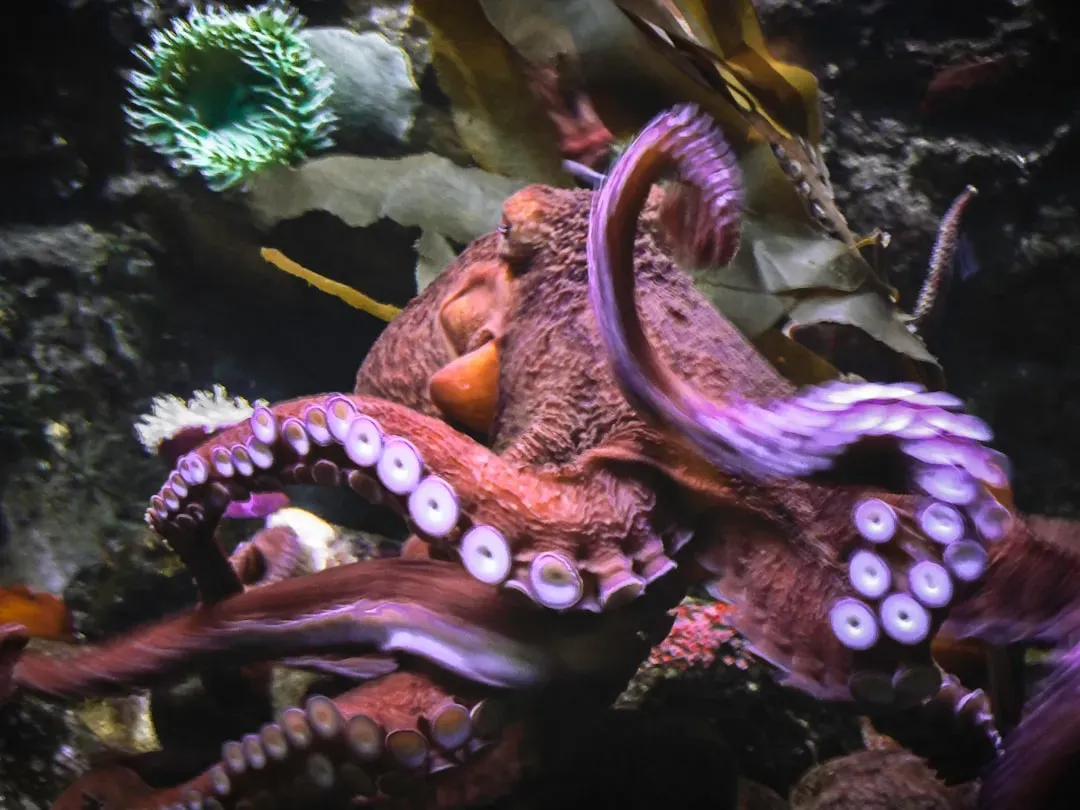
Octopuses redefine adaptation with their instant color mastery. From chromatophores to neural wizardry, every part clicks for survival. It’s a reminder of ocean depths we barely grasp.
Next time you watch one shift, think of the science humming beneath. Pretty mind-blowing, right? What surprises you most about these tentacled pros?[2]

- 12 Architectural Wonders From The Ancient World That Inspire Us Today - July 18, 2026
- 6 Beautiful Ancient Cities That Time Forgot (But Shouldn’t) - July 18, 2026
- 6 Common Animal Behaviors That Are Often Misunderstood by Humans - July 18, 2026