
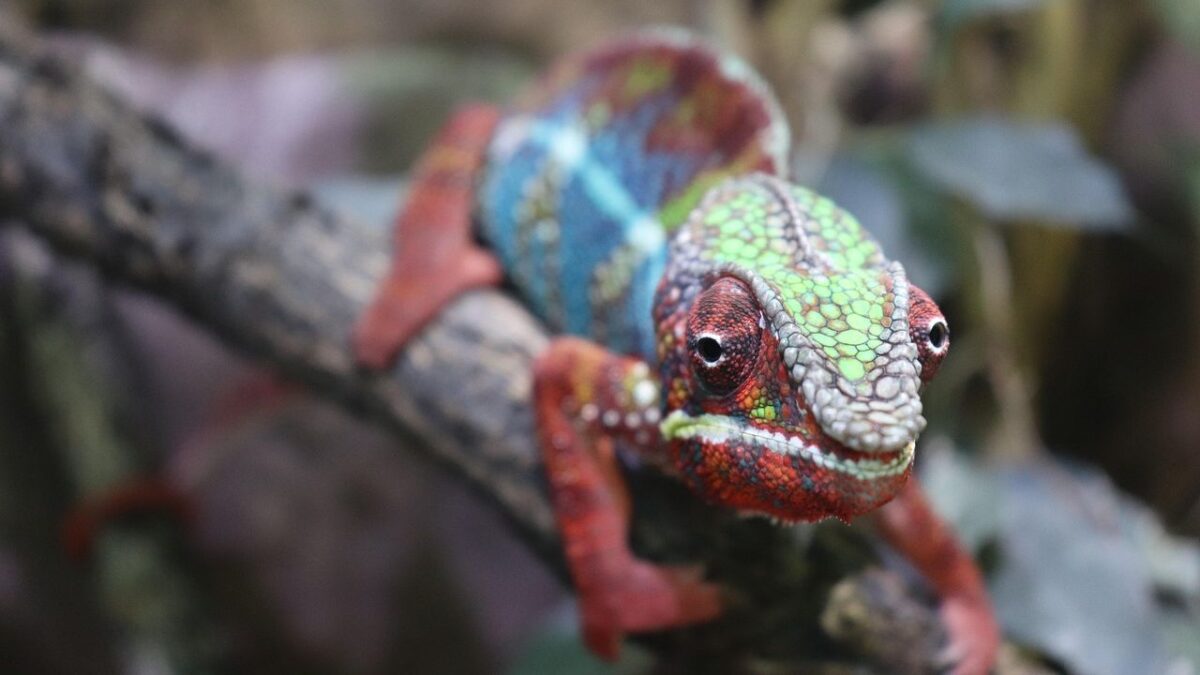
Nature has a habit of making humans feel just a little bit outclassed. While we spend a fortune on clothing and makeup to change our appearance, entire species of animals out there do it automatically, in milliseconds, with zero effort. No wardrobe. No brushes. Just living skin and dazzling biology. Color-changing animals are among the most jaw-dropping examples of evolution at work, and the mechanisms behind their tricks are even more astonishing than the tricks themselves.
From deep-sea cephalopods to frost-bitten Arctic foxes, the ability to shift color serves purposes far beyond simple hiding. Some animals communicate with it. Some use it to hunt. Some even use it to regulate their body temperature, which is honestly something I never would have guessed. So buckle up, because the science behind these living costume artists is far stranger and more wonderful than you think. Let’s dive in.
The Hidden Architecture of a Living Color Palette
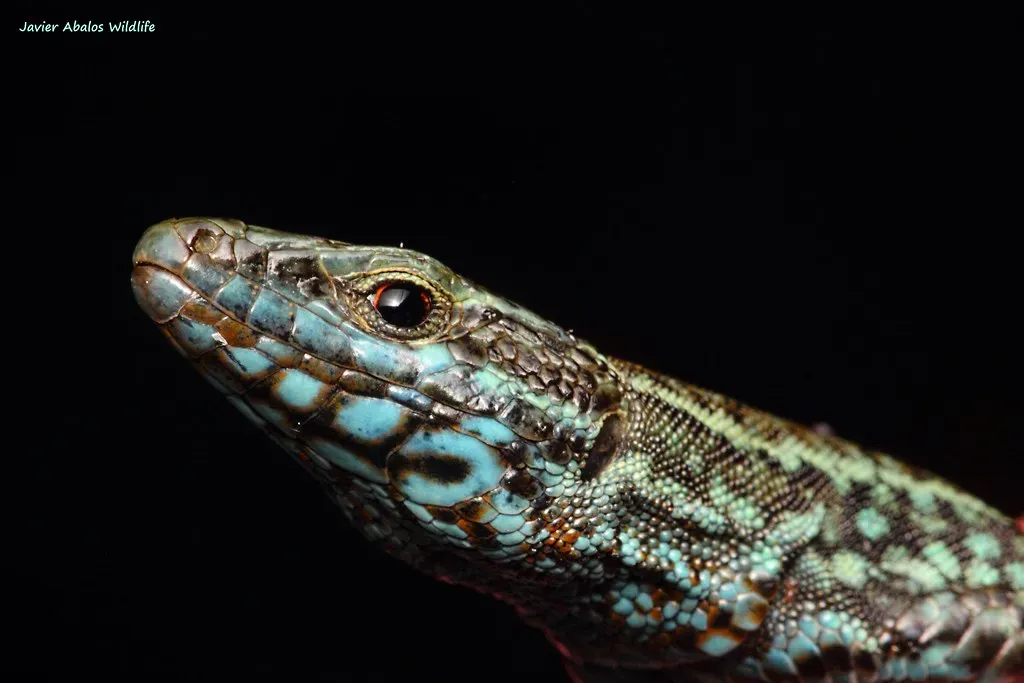
Here’s the thing most people miss entirely: animal color change isn’t just a surface-level trick. It starts deep inside the skin, in tiny, specialized cells doing extraordinary work.
The color palette in fish, reptiles, amphibians, crustaceans, and cephalopods is produced by color-generating cells known as chromatophores. These cells either contain pigment or produce iridescence, and there are several distinct types, including melanophores for black and brown, xanthophores for yellow, erythrophores for orange and red, iridophores for iridescent colors, and leucophores for iridescent white.
Think of it like a printer with multiple ink cartridges stacked on top of each other, each one capable of being opened or closed depending on what color is needed. Except this printer is alive, responding to mood, light, temperature, and threat.
Crucially, only ectotherms, animals that cannot generate their own body heat the way mammals and birds do, possess these specialized cells that enable color change. This is why your dog or cat will never suddenly go blue when startled. Mammals simply don’t carry this cellular toolkit.
Unlike these remarkable creatures, humans have only a single type of color cell called a melanophore, which contains a pigment called melanin. Melanin causes the skin to darken and creates colors ranging from pink to brown to black. That’s it. Just one pigment, one range. Nature was clearly more generous with the reptiles.
The Chameleon’s Secret: It’s Not What You Think
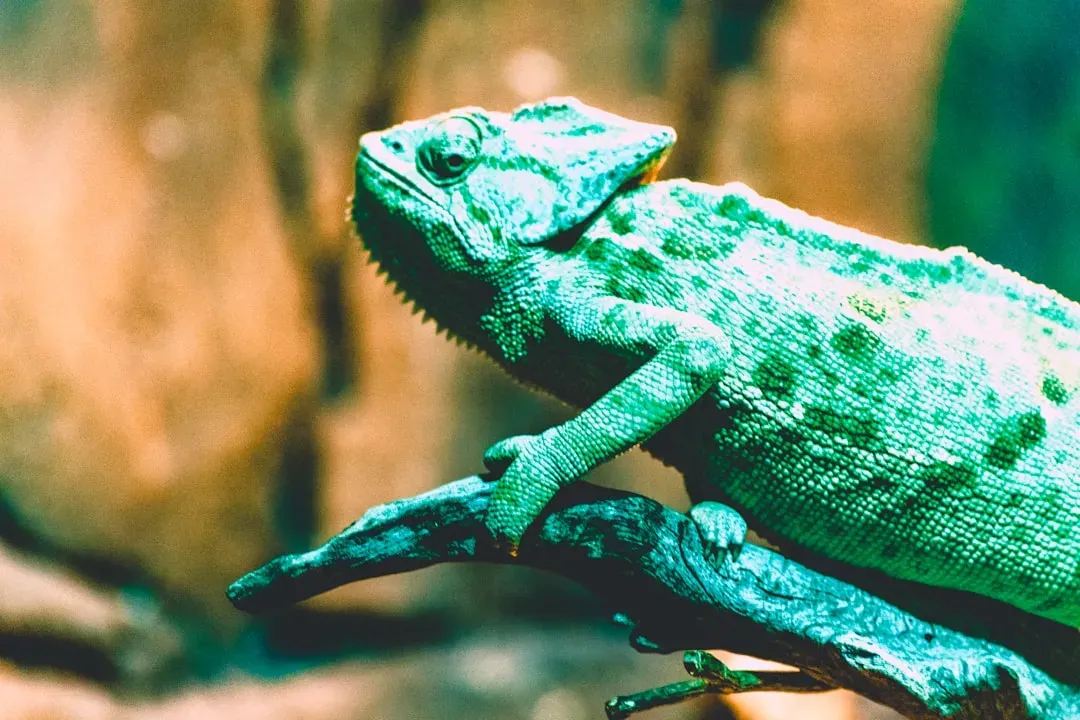
Almost everyone thinks a chameleon changes color purely to blend into its background. Honest confession: I believed this for years. The truth, though, is far more layered and surprising.
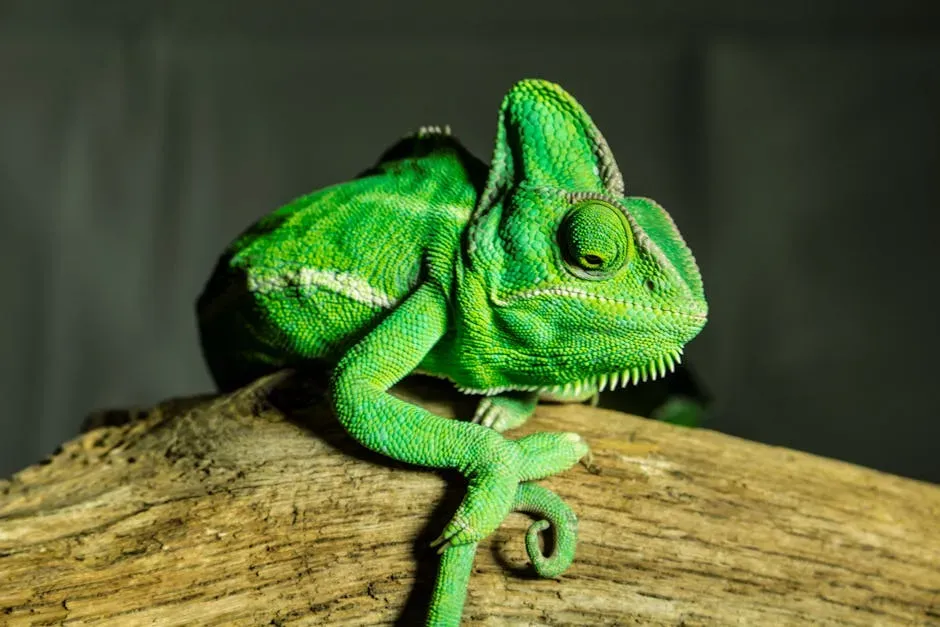
Though chameleons are commonly associated with camouflage, their color-shifting ability actually serves a range of purposes, including communication, temperature regulation, and social signaling. Camouflage is almost secondary. The real drama happens between chameleons themselves.
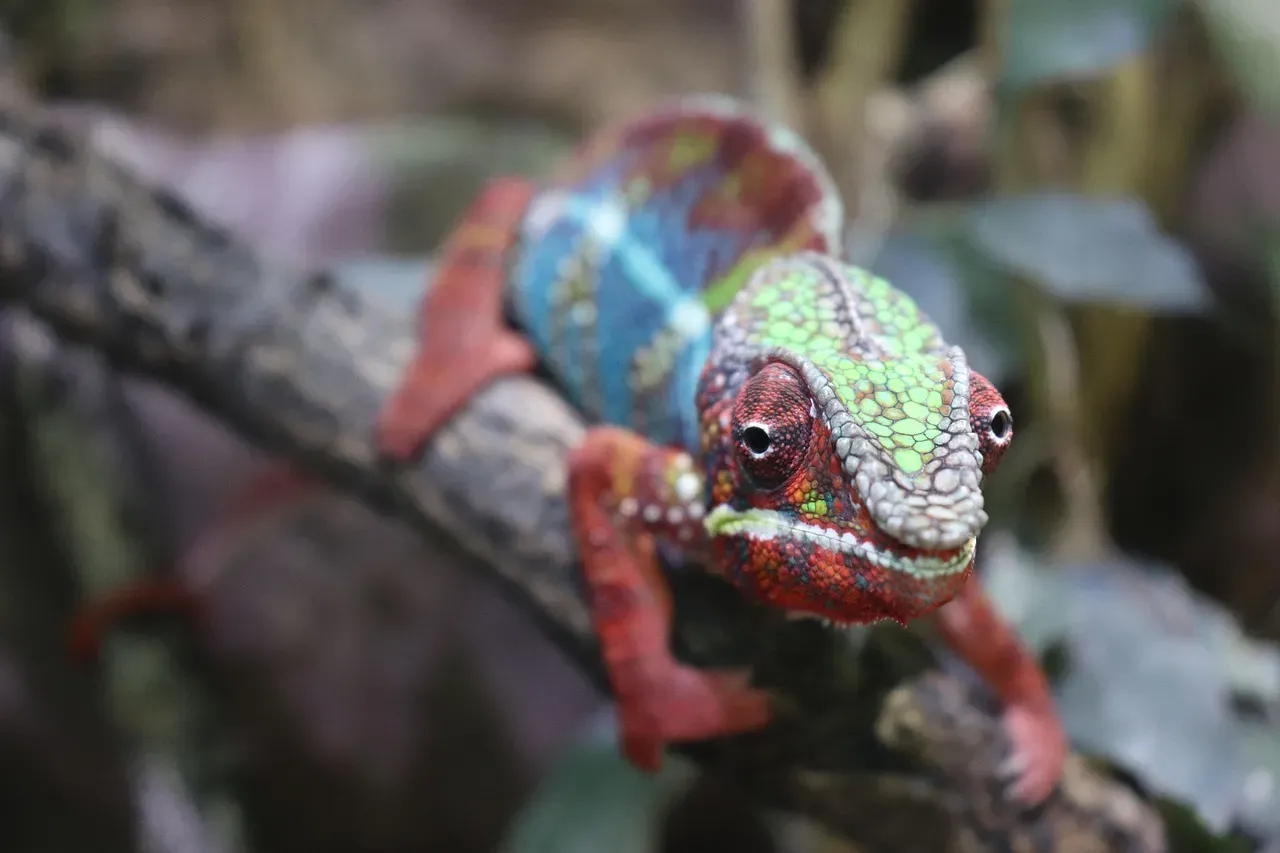
In a relaxed state, the nanocrystals in a chameleon’s dermis form a tight lattice, so they appear green or brown. When they’re feeling excited, like when trying to fight off a competitor or attract a mate, the nanocrystals move apart to form a loose lattice, displaying brighter red and yellow colors. These bright displays can even signal strength, as weaker males tend to show duller colors.
Chameleons shift color through active tuning of a lattice of guanine nanocrystals within a superficial thick layer of dermal iridophores. It’s physics, not just biology. The spacing of those crystals determines which wavelengths of light bounce back to our eyes, producing the full spectrum of hues.
Because chameleons are ectothermic, they also change color to regulate body temperature, shifting to darker colors to absorb light and heat, or to lighter colors to reflect it and keep cool. So the next time you see a chameleon flush dark under the midday sun, it might just be turning on its own air conditioning.
Cephalopods: The Undisputed Masters of Disguise
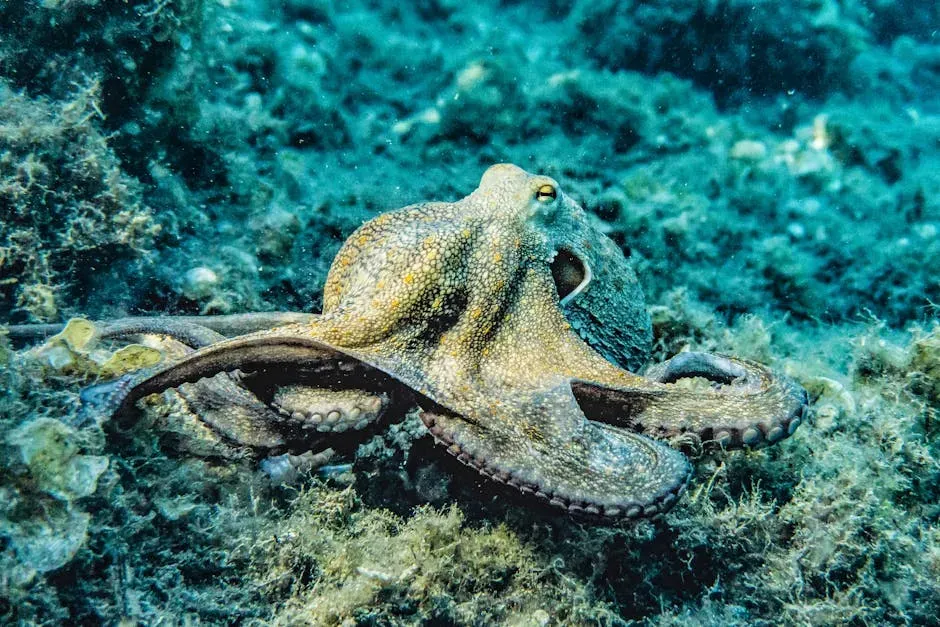
If chameleons are impressive, cephalopods make them look like amateurs. Octopuses, squids, and cuttlefish operate on a completely different level, and the speed alone is almost impossible to believe.
Cephalopods can change their colors and patterns in milliseconds, whether for signaling within their species, for warning, or for active camouflage, as their chromatophores are expanded or contracted. Milliseconds. That’s faster than a human blink.
Their pigment-containing chromatophores are directly controlled by their central nervous system. There’s no waiting for hormones to travel through the bloodstream. The brain sends a command, and the skin changes. It’s as direct and instant as flipping a light switch.
Cephalopods are undoubtedly among the most confusing meals to catch, constantly transforming size, shape, or appearance. So complex are their chromatophores that they are considered organs in their own right, drawing together pigment-filled cells with tiny muscles and nerves that all function as a single unit.
There is also evidence that skin cells, specifically chromatophores, can detect light and adjust to light conditions independently of the eyes. In other words, an octopus’s skin may be able to “see” its surroundings even without direct input from the brain. I know that sounds crazy, but the science actually supports it.
Seasonal Shape-Shifters: When Winter Demands a New Wardrobe
Not every color change happens in seconds. Some of nature’s most remarkable transformations take weeks, quietly happening as the seasons turn, and they are every bit as effective.
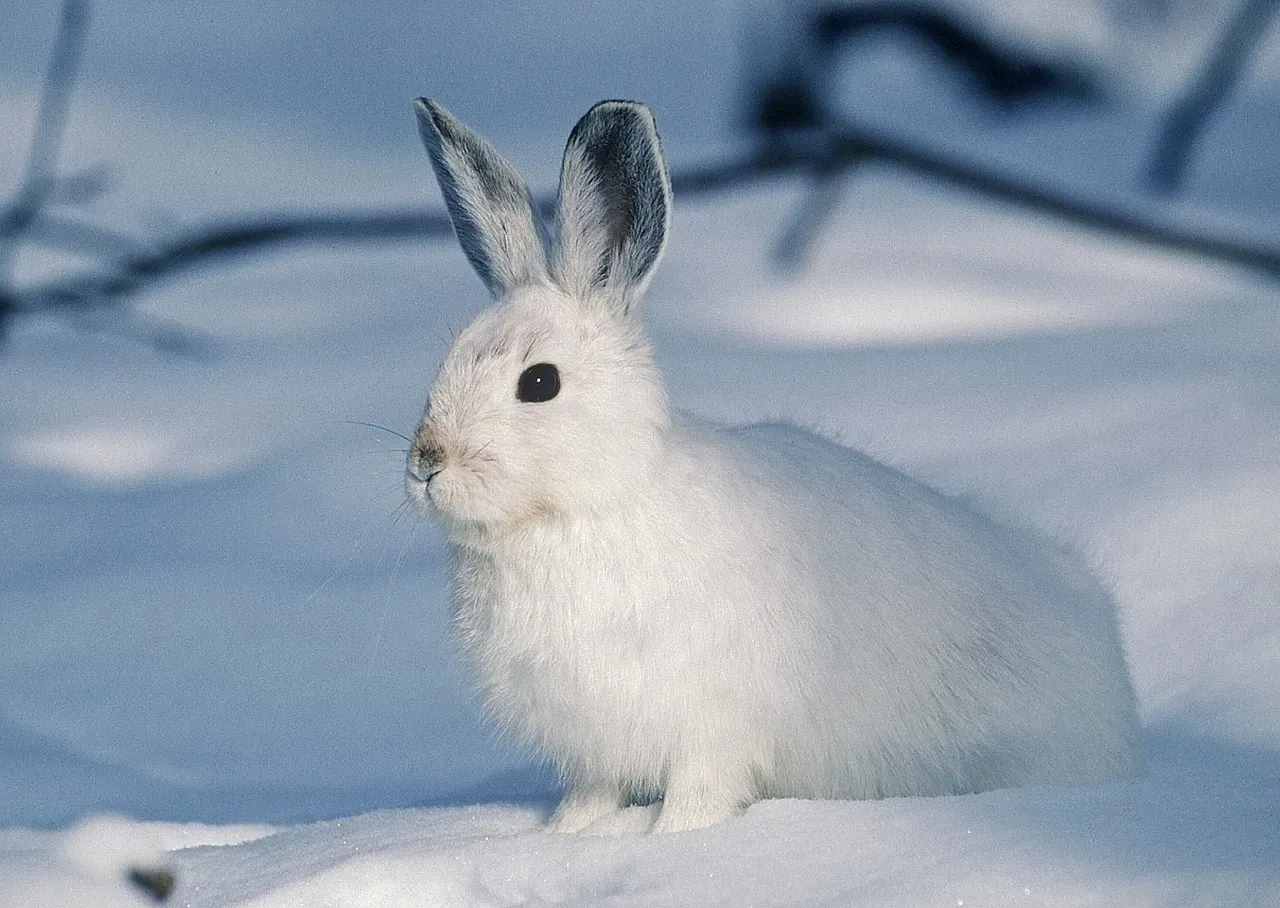
For animals that live in environments that change dramatically between seasons, it is useful to shift colors to blend in with the background as habitats transform from lush in summer to snowy in winter. The logic is brutally simple: if your world turns white, you had better turn white too.
The rock ptarmigan, a grouse found in the far north of Eurasia and North America, sports brown plumage in summer. As autumn progresses, it molts, with new pure white feathers replacing its earth-toned ones. By winter, the bird is snow white, allowing it to avoid detection by predators in its Arctic habitat.
The Arctic hare similarly changes its coat from brown or grey in summer to white in winter, molting and growing new fur, enabling it to remain camouflaged as the environment shifts. These slow, seasonal makeovers are orchestrated by changes in day length, triggered by the brain’s response to the waning hours of daylight.
Stoats undergo a similar transformation, shedding their rich brown fur for a white coat as winter arrives. While this camouflage helps the ptarmigan hide from predators, stoats are themselves predators, using their white coats to blend into snow and hunt small mammals and birds more effectively. Same color change, entirely opposite purpose. Nature is wonderfully economical like that.
Color Change as Communication: More Than Just Hiding
Here’s where things get truly fascinating, and honestly, a little emotionally charged. For many animals, changing color has nothing to do with predators at all. It’s about talking to each other.
Color change signals a chameleon’s physiological condition and intentions to other chameleons. It’s a full emotional broadcast, visible to every other chameleon in the area. Think of it as a mood ring, except it actually works.
Male reef octopuses can rapidly change from white to red to signal to females that they’re ready to mate. One color shift, one unmistakable message. No words needed. Honestly, it’s more efficient than most human communication.
Dwarf chameleons change color depending on the predator’s visual capabilities, showing greater changes in background color matching when presented with birds versus snakes. This means they’re not just reacting to threats. They’re actually assessing the visual systems of their enemies and adjusting their response accordingly. That level of adaptive intelligence built into a reflex is, to put it plainly, stunning.
Golden tortoise beetles may have one of the most striking rapid color-changing systems of all. These small Central American beetles have transparent shells housing thin stacked layers of plates etched with extremely tiny grooves. The beetle can fill these grooves with red fluid, making the plates appear perfectly smooth and reflective, taking on a metallic golden hue. When agitated or mating, however, the beetle quickly drains the fluid, revealing the bright red pigmentation beneath.
Conclusion: A Window Into Evolution’s Most Creative Work
The more you explore color-changing animals, the more you realize that what looks like a simple disguise is actually one of nature’s most sophisticated systems. It involves physics, neuroscience, chemistry, and evolutionary pressure all wrapped up in a single living skin cell.
Color change allows unparalleled flexibility, which is perhaps why we find it so endlessly fascinating. There is something deeply humbling about watching an octopus vanish against a reef, or a chameleon flush crimson during a standoff, knowing that millions of years of evolution produced something we still can’t fully replicate in a lab.
These animals remind us that nature solved some of our most complex engineering challenges long before humans even existed. And that, to me, is the most spectacular part of the whole story.
What surprised you most about the science behind animal color change? Tell us in the comments.
