
Picture this: a pair of swans gliding across a misty lake, inseparable for decades. Meanwhile, a tiger prowls its vast territory alone, fierce and self-reliant. Nature throws us these stark contrasts in animal lifestyles, leaving us to wonder what drives such choices.
These behaviors aren’t random. They stem from deep evolutionary strategies shaped by survival needs. Let’s dive into the fascinating reasons behind lifelong partnerships and stark solitude.[1][2]
Evolutionary Roots of Pair Bonding
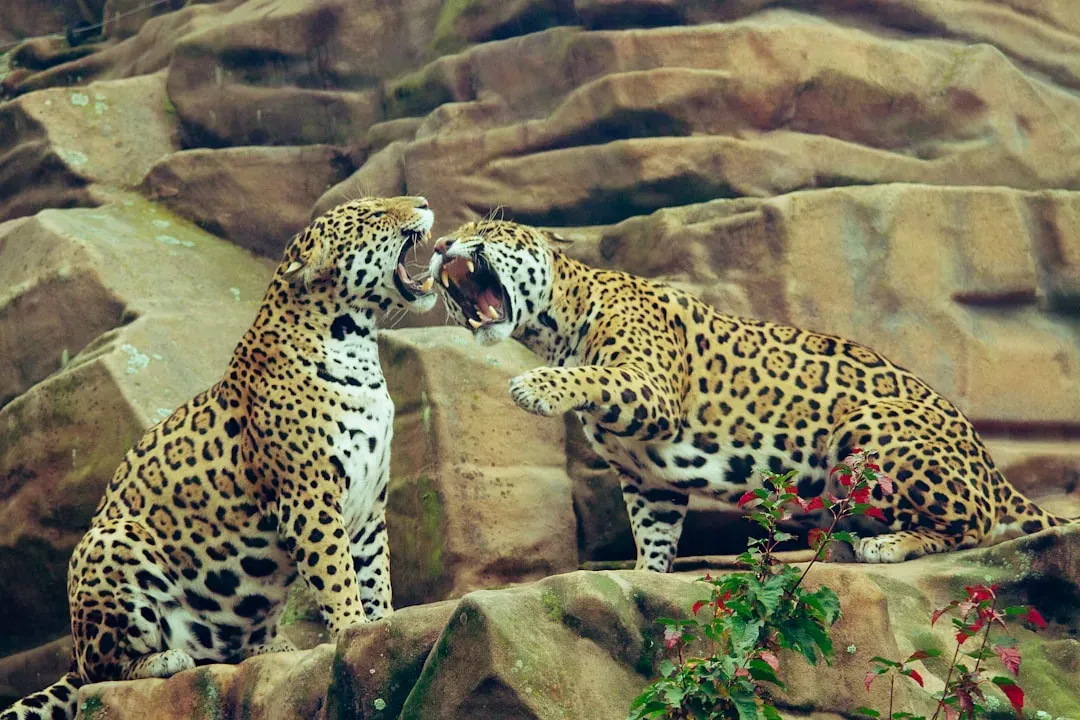
Monogamy in animals often evolves when raising offspring demands massive effort from both parents. Species like prairie voles show how pair bonds boost survival rates for vulnerable young. This biparental care ensures more offspring make it to adulthood.[3]
Yet it’s rare, appearing in only a few percent of mammals. The payoff? Reliable partners mean stronger family units. Honestly, it’s like nature’s version of a committed team effort.[4]
Parental Care: The Glue of Lifelong Pairs
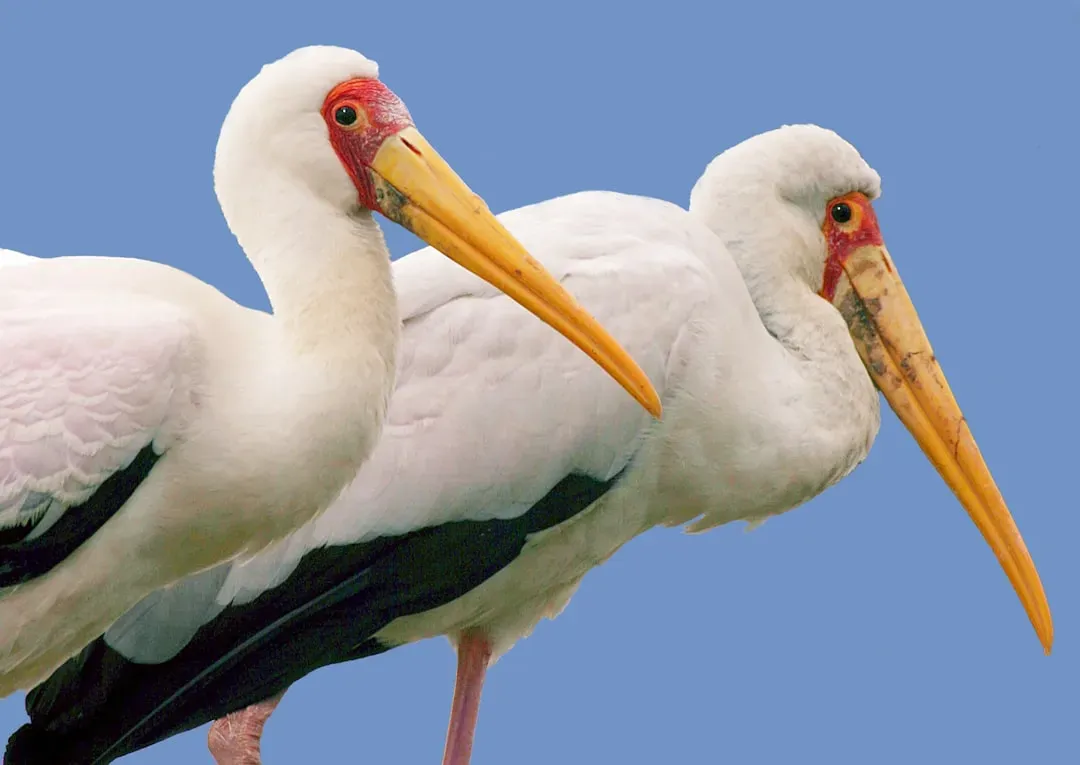
Helpless hatchlings or pups need constant protection, pushing some animals toward lasting bonds. Albatross parents share incubation duties for months, their partnership unbreakable. Without this duo, survival odds plummet dramatically.
Contrast that with species where moms handle it solo. Pairing up reduces infanticide risks from rival males too. It’s a smart hedge against nature’s brutal odds.[5]
Resource Scarcity Shapes Solitude
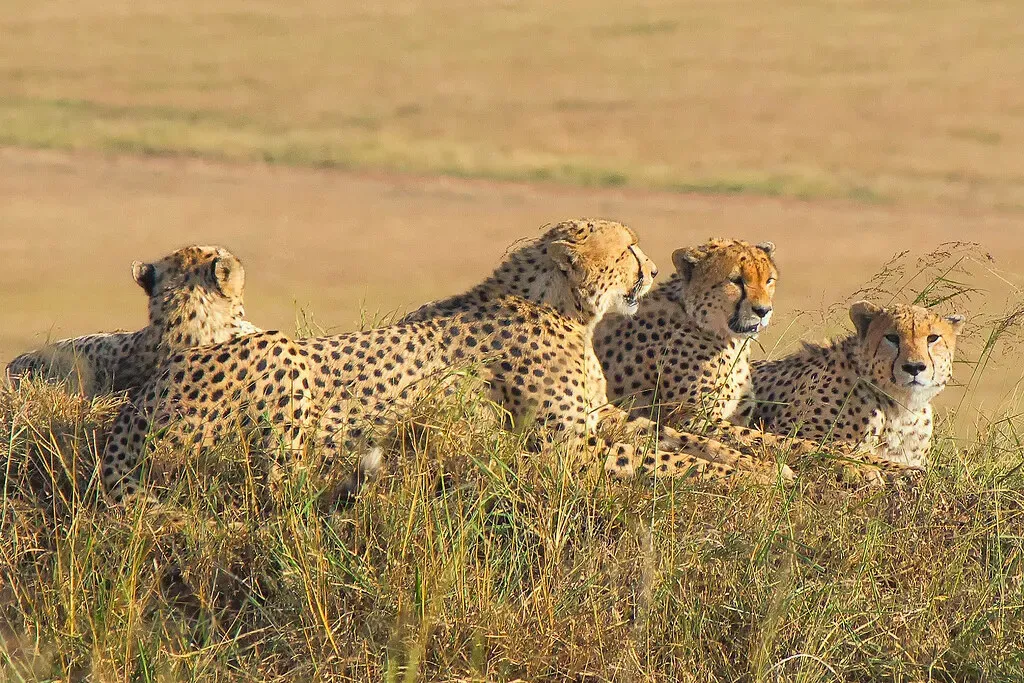
When food patches are sparse and hard-won, like meat or fruit, animals often stick to one partner. Sharing territories becomes efficient for defense and foraging. Solitary life suits abundant but scattered resources better, avoiding fights over scraps.[6]
Tigers claim huge ranges teeming with prey, no need for a buddy. Grouping up might just spark deadly conflicts. Let’s be real, sometimes alone means more for you.
Hormones Fueling Faithful Connections
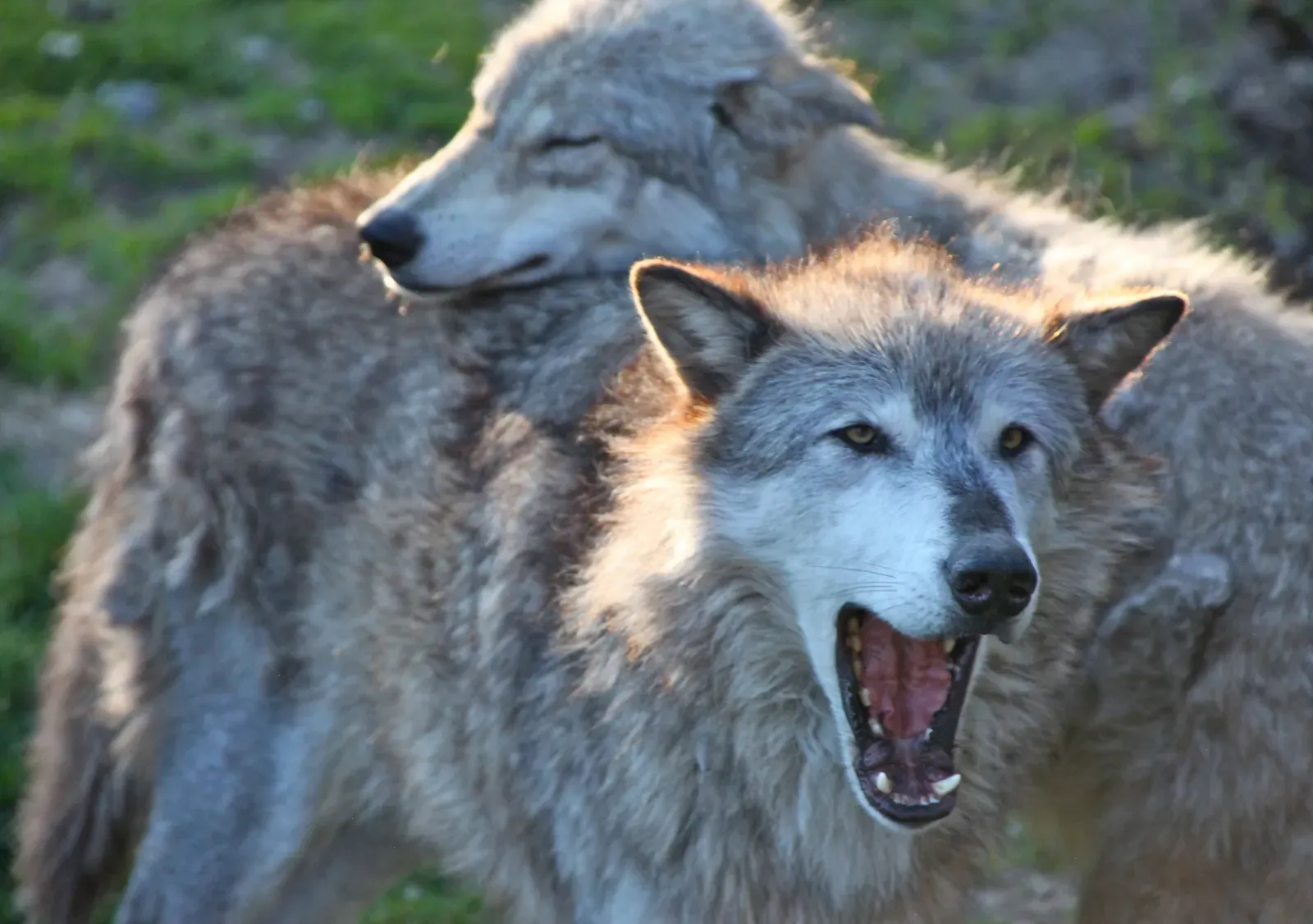
Oxytocin and vasopressin act like love potions in pair-bonding species. These chemicals surge during mating, forging neural links that last. Voles injected with them even pair up unnaturally fast.
Not all animals wire this way, though. Solitary ones lack the same brain receptors. It’s biology whispering, or shouting, stay together or stray alone.[7]
Wolves: Pack Leaders in Loyalty
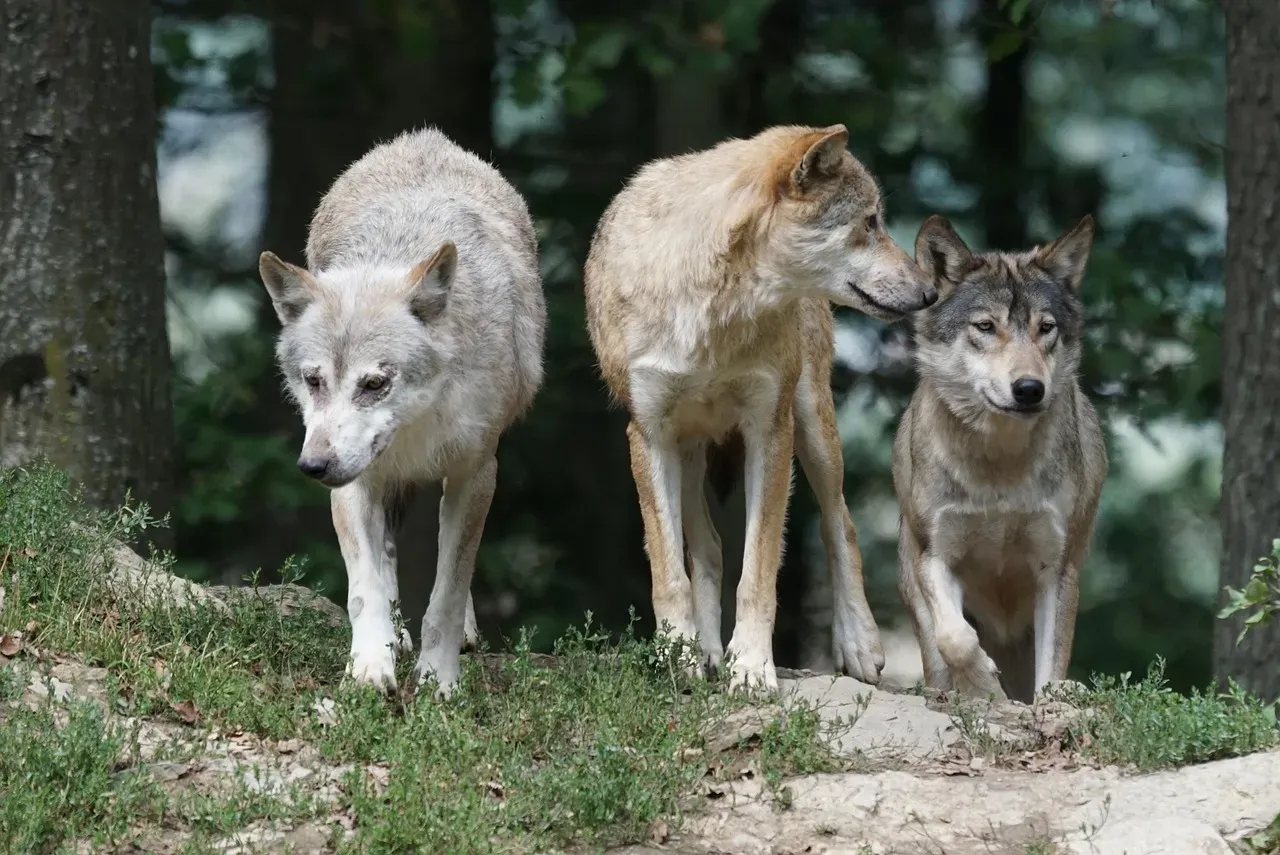
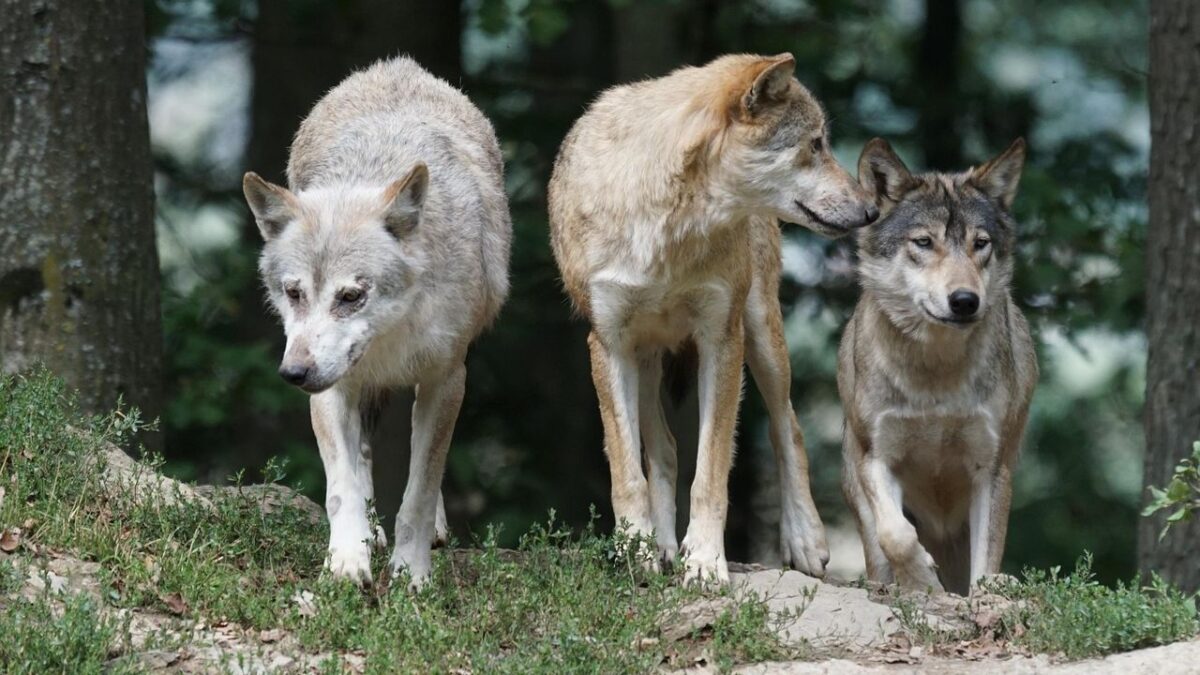
Gray wolves form alpha pairs that mate for life, leading the pack with ironclad bonds. They hunt and raise pups as a unit, territory defense their shared mission. This structure keeps the family thriving amid harsh wilds.[8]
Infidelity happens rarely, but the pair’s dominance ensures gene success. Packs mimic extended families, bonds beyond just romance. Impressive how instinct builds empires from duos.
Swans and Albatrosses: Avian Soulmates
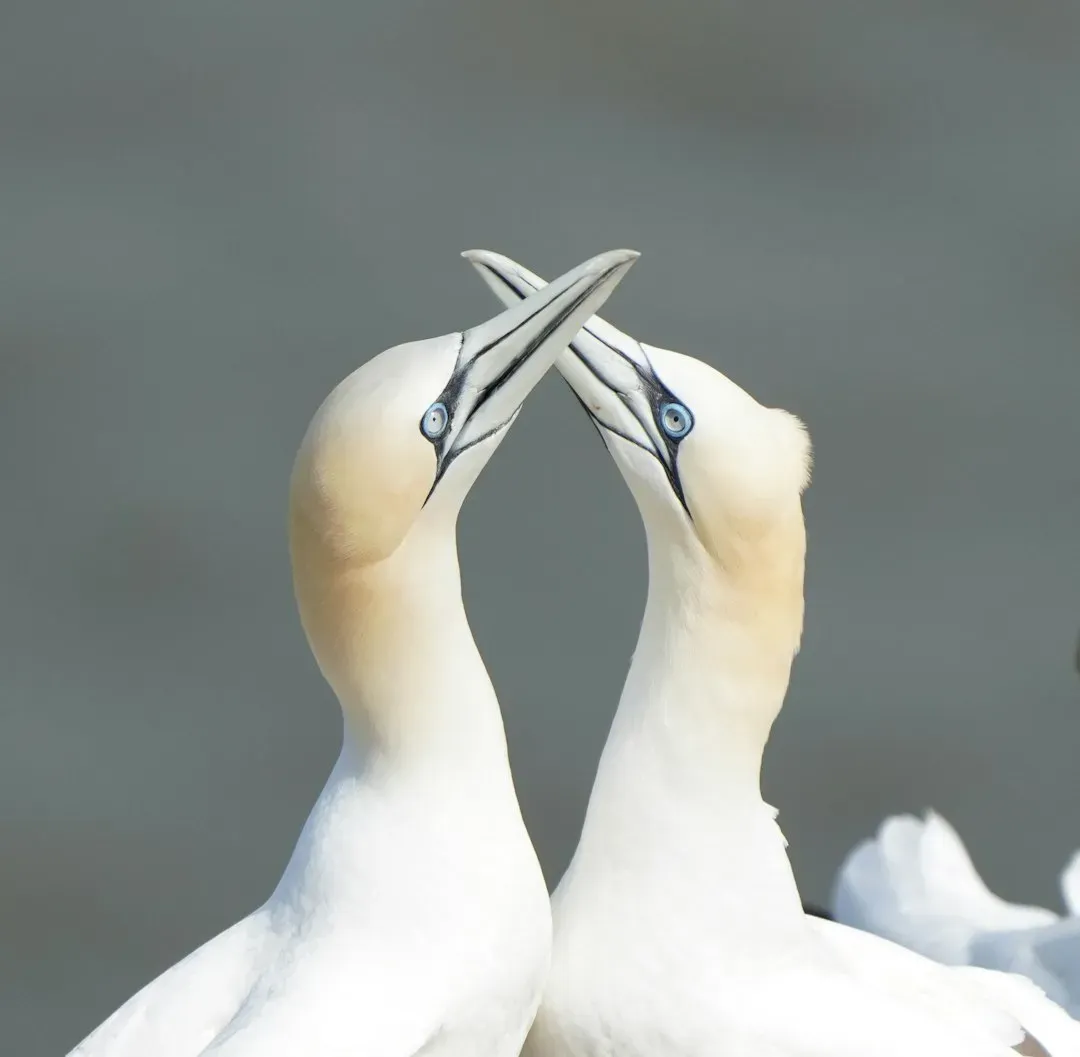
Swans maintain partnerships for years, sometimes lifelong, rebuilding nests together annually. Albatrosses perform elaborate dances to reaffirm ties before epic ocean journeys. These rituals strengthen trust across separations.[9]
One partner dies, the survivor often pines away. Such devotion aids chick-rearing in unforgiving seas. Nature’s romantics, proving wings carry heavy hearts.
Beavers: Builders of Lasting Homes
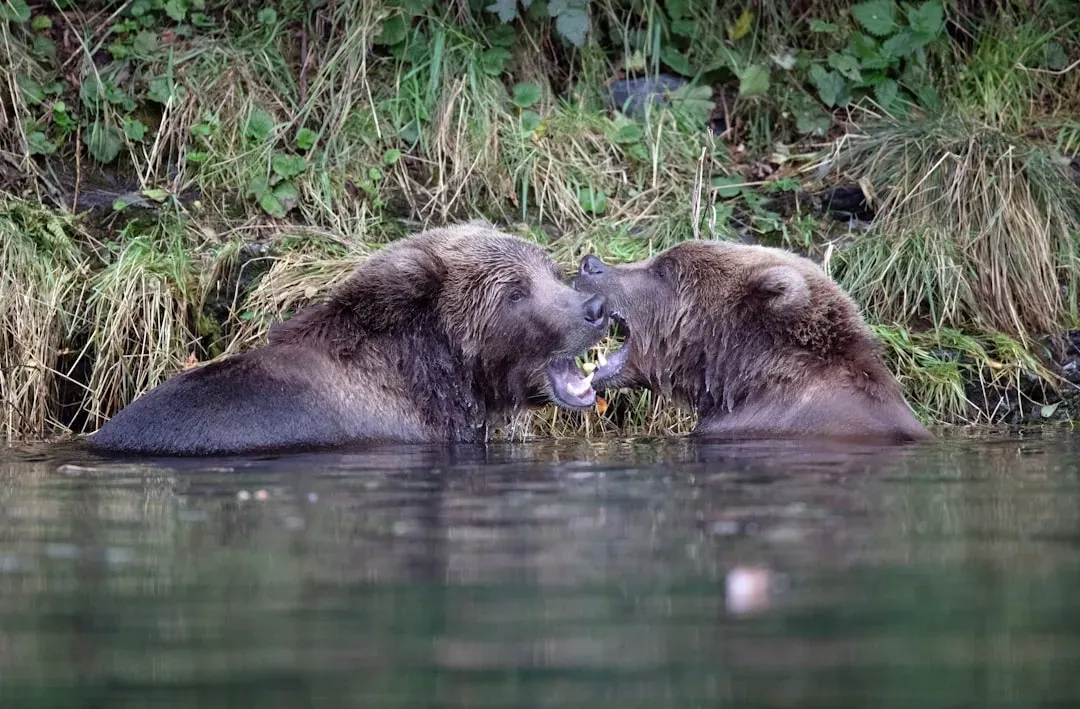
Beaver couples construct elaborate dams and lodges, a lifetime project demanding teamwork. They groom, defend, and forage as one, kits learning from the duo. This monogamy fuels colony success.[10]
Separation spells disaster for their watery empires. Here’s the thing: their bond is as sturdy as the wood they chew. Practical love at its finest.
Tigers: Solitary Stalkers Supreme
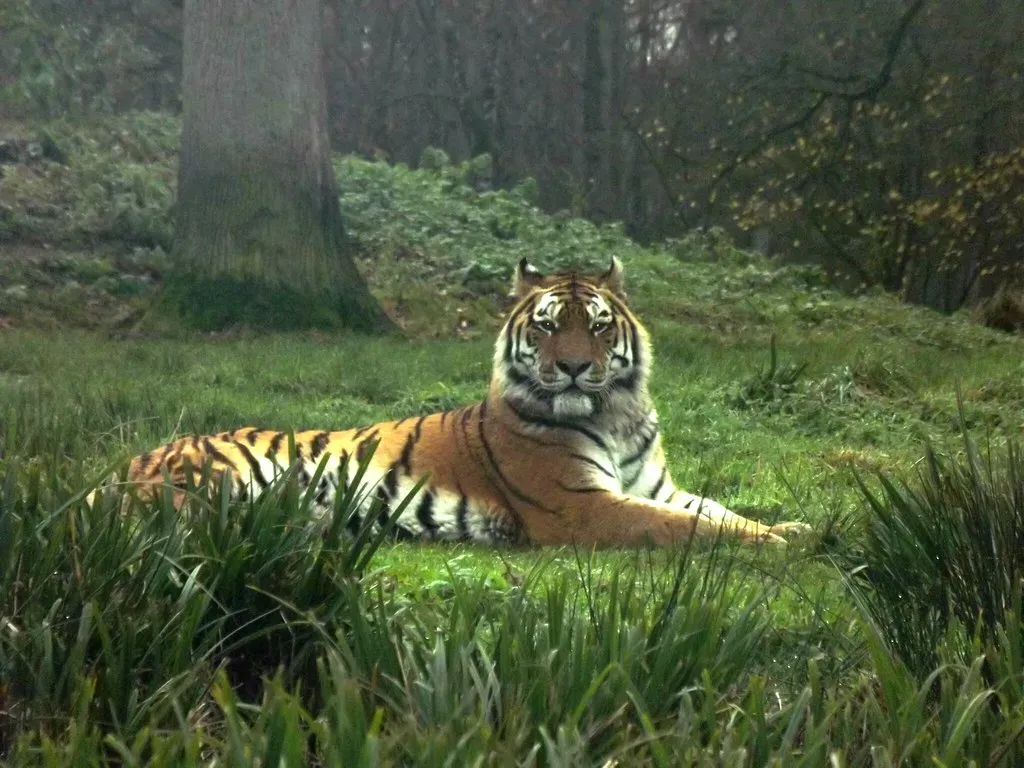
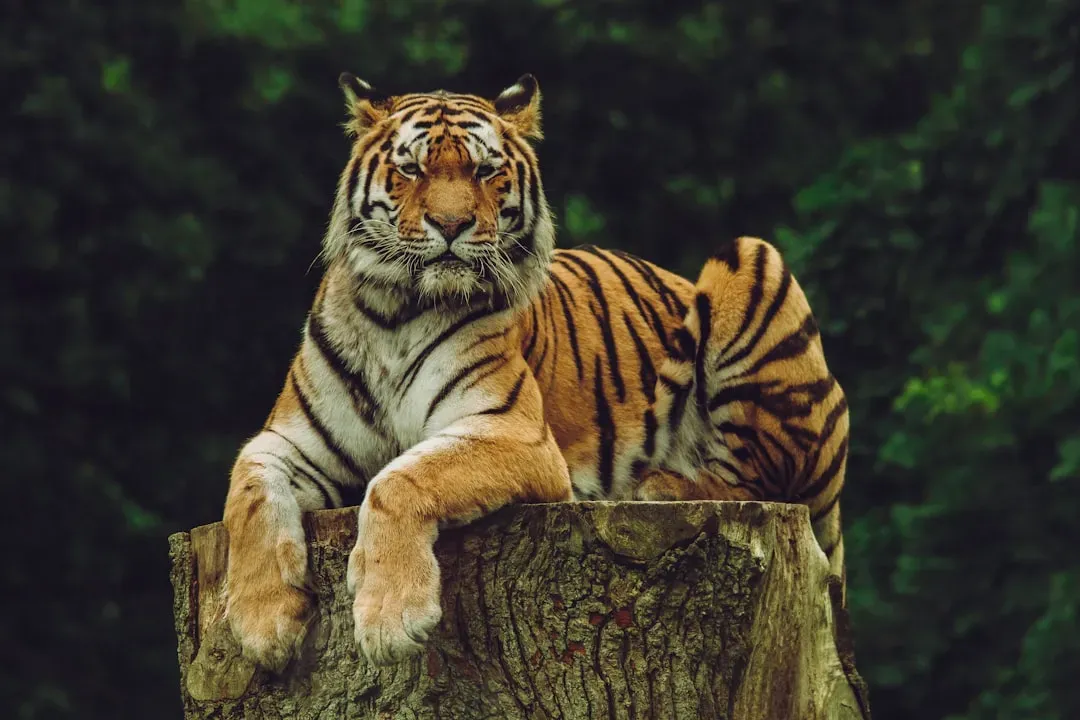
Tigers roam alone across massive territories, avoiding others except mating brief. Competition for prey is fierce; sharing invites rivalry. Cubs learn independence early, moms ditching them young.[11]
This lifestyle minimizes disease spread and energy waste on squabbles. Stealth hunting thrives in silence. Solitude suits the ultimate lone predator.
Bears: Independent Wanderers
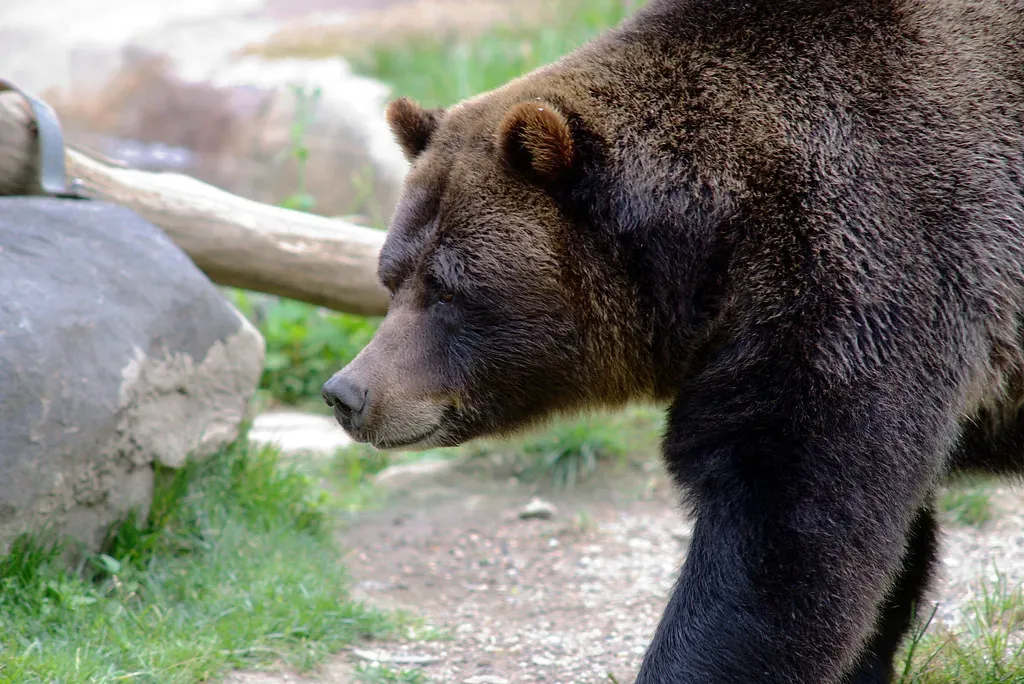
Polar bears and grizzlies mostly go solo, meeting only to mate. Vast habitats hold enough food for one, no sharing required. Cubs stick with moms briefly, then scatter.[2]
Aggression flares if territories overlap. Their bulk demands personal space. It’s like they’re saying, I got this, no backups needed.
Orangutans: Tree-Top Loners
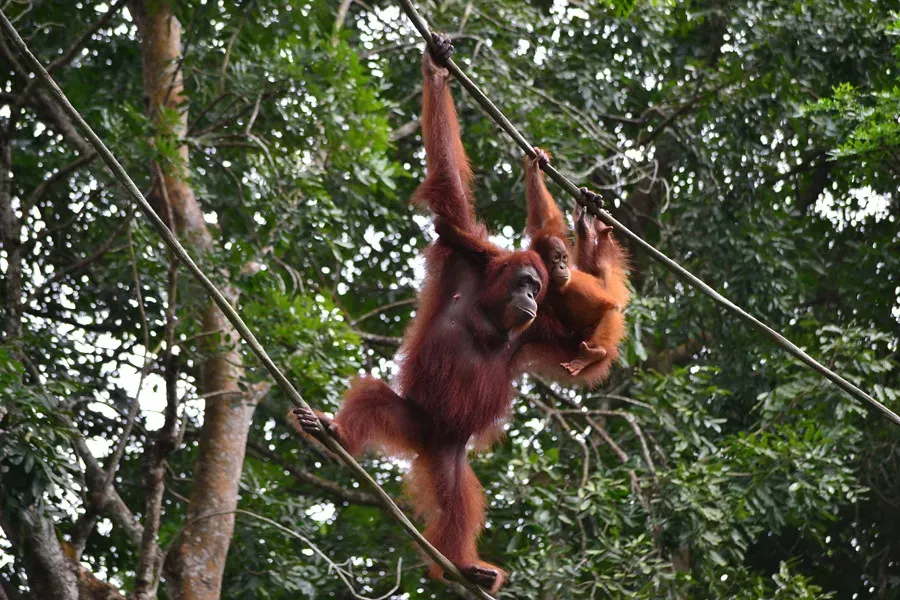
These apes swing through rainforests alone, vast canopies providing ample fruit. Social ties form rarely, mostly mother-offspring. Adults tolerate each other at a distance max.[12]
Solitary life dodges fights over prime branches. Intelligence thrives in quiet reflection too. Who needs chit-chat when you’ve got the treetops?
Trade-Offs: Monogamy’s Hidden Costs
Lifelong bonds limit mate options, curbing genetic variety. Disease or partner death leaves survivors vulnerable. Polygamy spreads genes wider, but risks paternal uncertainty.[4]
Solitary animals dodge partner drama entirely. Yet they miss cooperative perks. Evolution weighs these daily, picking winners per niche.
Habitat’s Hidden Hand
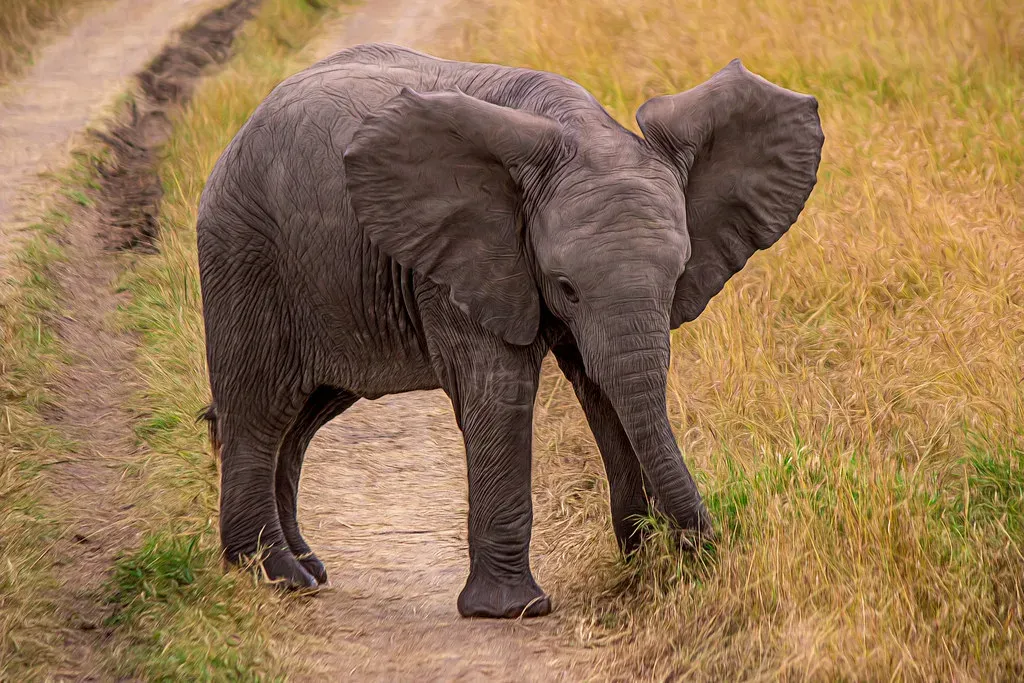
Dense forests or open seas dictate bonding styles. Patchy savanna resources spark pairs; uniform deserts breed loners. Climate shifts tweak these patterns over generations.[13]
Snow leopards haunt remote peaks solo, prey scarce. Urban foxes might pair more now. Environment molds society like clay.
Genetic Keys to Sociality
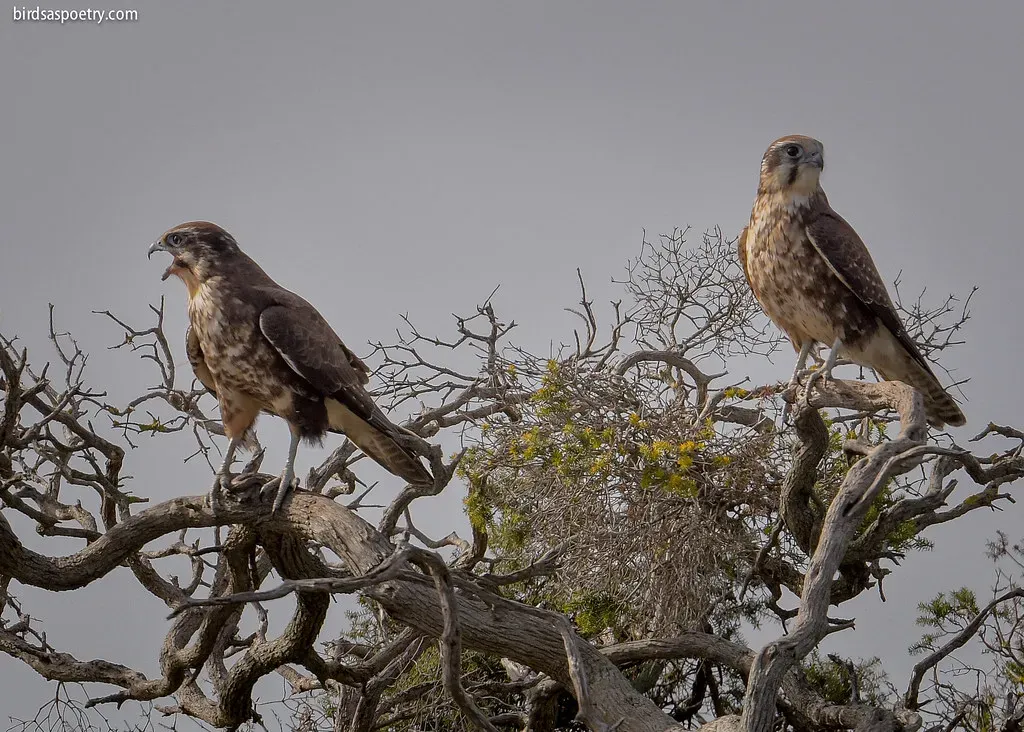
Same gene tweaks turned distant species monogamous, tweaking vasopressin receptors. Prairie voles versus meadow voles highlight this split. Mutations favor bonding where it pays off.[1]
Solitary genomes prioritize self-reliance genes. It’s not fate, but a roll of evolutionary dice. Tiny changes, massive lifestyles.
Conclusion
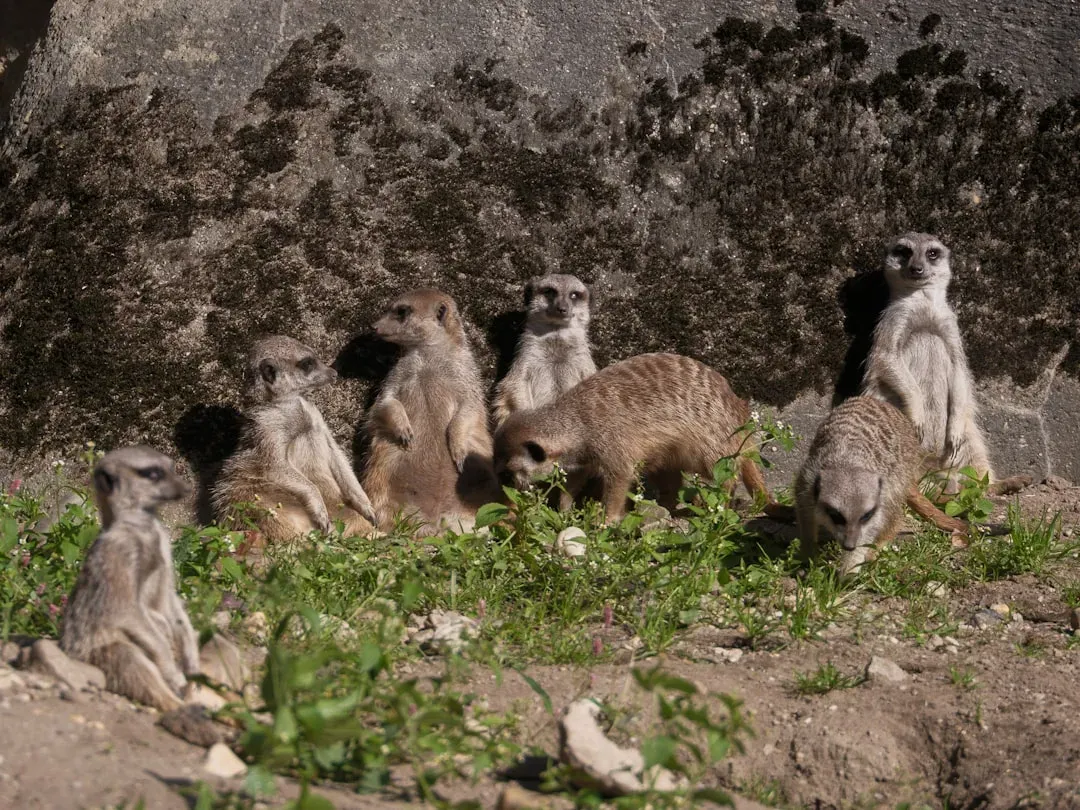
From devoted duos to rugged individuals, animal sociality boils down to survival math. Bonds form where teamwork trumps solo acts; solitude shines when independence rules. Nature’s diversity reminds us flexibility reigns supreme.
What surprises you most about these wild ways? Share your thoughts below.

- Animal Science Says Ravens Remember Human Faces for Years and Warn Other Ravens About Dangerous People - July 20, 2026
- Marine Biology Says When Dolphins Suddenly Go Silent in Open Water It's Not Rest – They've Detected a Predator You Cannot See and Their Survival Strategy Reveals How They Read Danger - July 20, 2026
- What It Means When Cardinals Appear During Major Life Transitions (Based on 300 Years of Documented Sightings) - July 20, 2026