
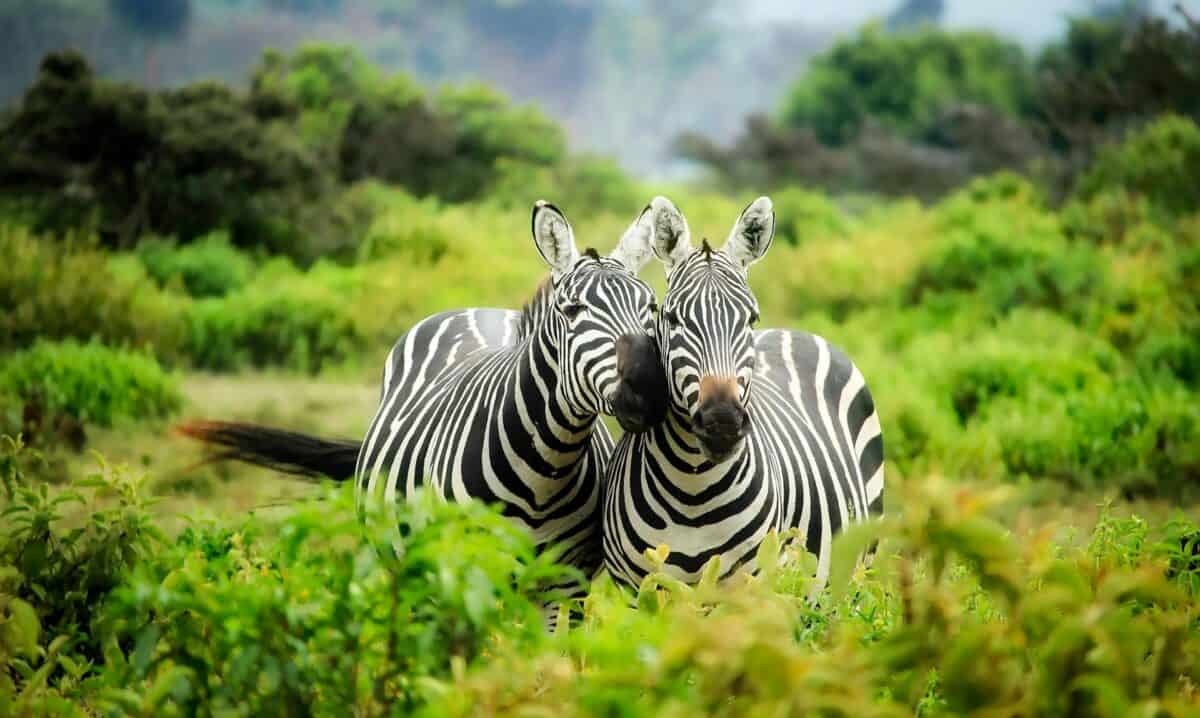
For centuries, the striking black and white stripes of zebras have fascinated scientists, nature enthusiasts, and the general public alike. These patterns have sparked numerous hypotheses and research studies aimed at understanding their purpose. From camouflage to social interaction, the stripes serve multiple speculative functions, each supported by varying degrees of evidence. This article explores these theories, shedding light on the scientific research and intriguing possibilities behind the age-old question: Why do zebras have stripes?
Camouflage: Blending into the Environment
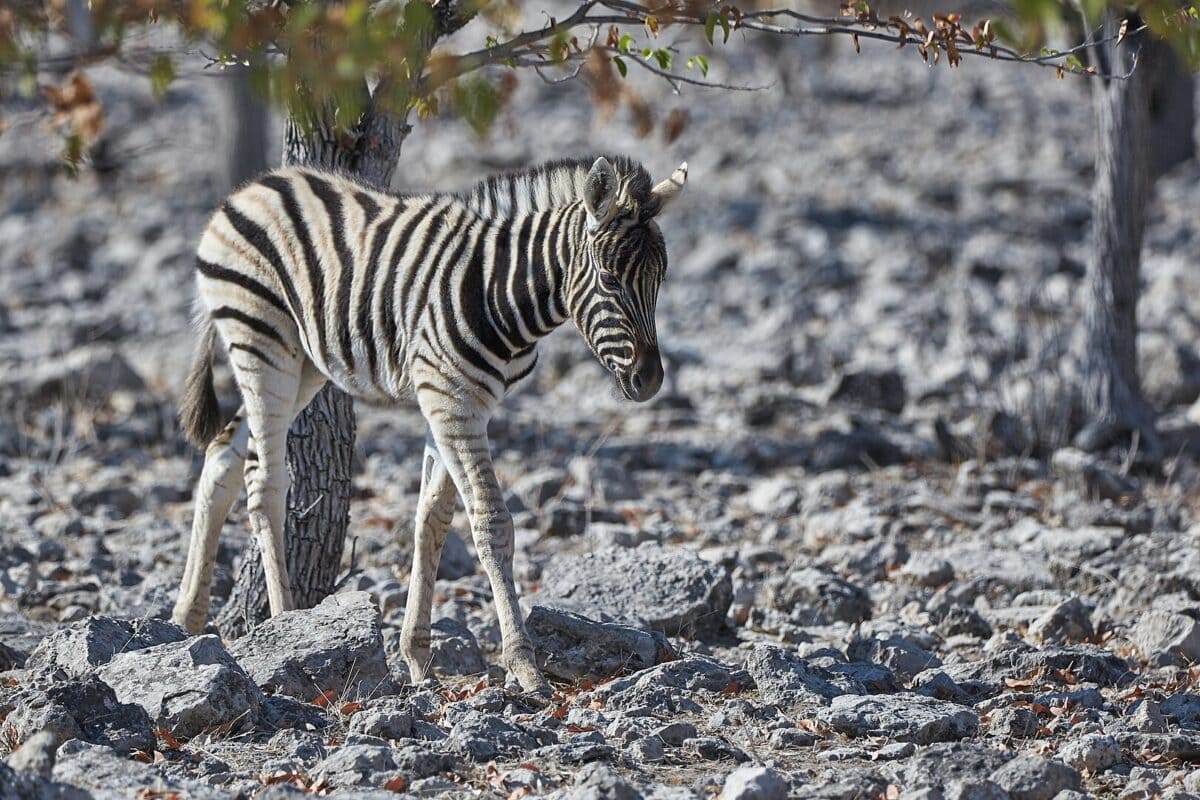
One of the earliest and most intuitive theories about zebra stripes is their role in camouflage. The idea posits that the alternating black and white pattern helps zebras blend into their natural environment, particularly the grasslands and savannas of Africa. Although it might seem counterintuitive given the stark contrast, the stripes can indeed confuse predators. When zebras stand together in groups, the overlapping stripes create an optical illusion, making it difficult for predators like lions to single out one animal from the herd. This effect, known as motion dazzle, disrupts the perception of speed and direction during a chase.
Pest Deterrence: Keeping Biting Flies at Bay
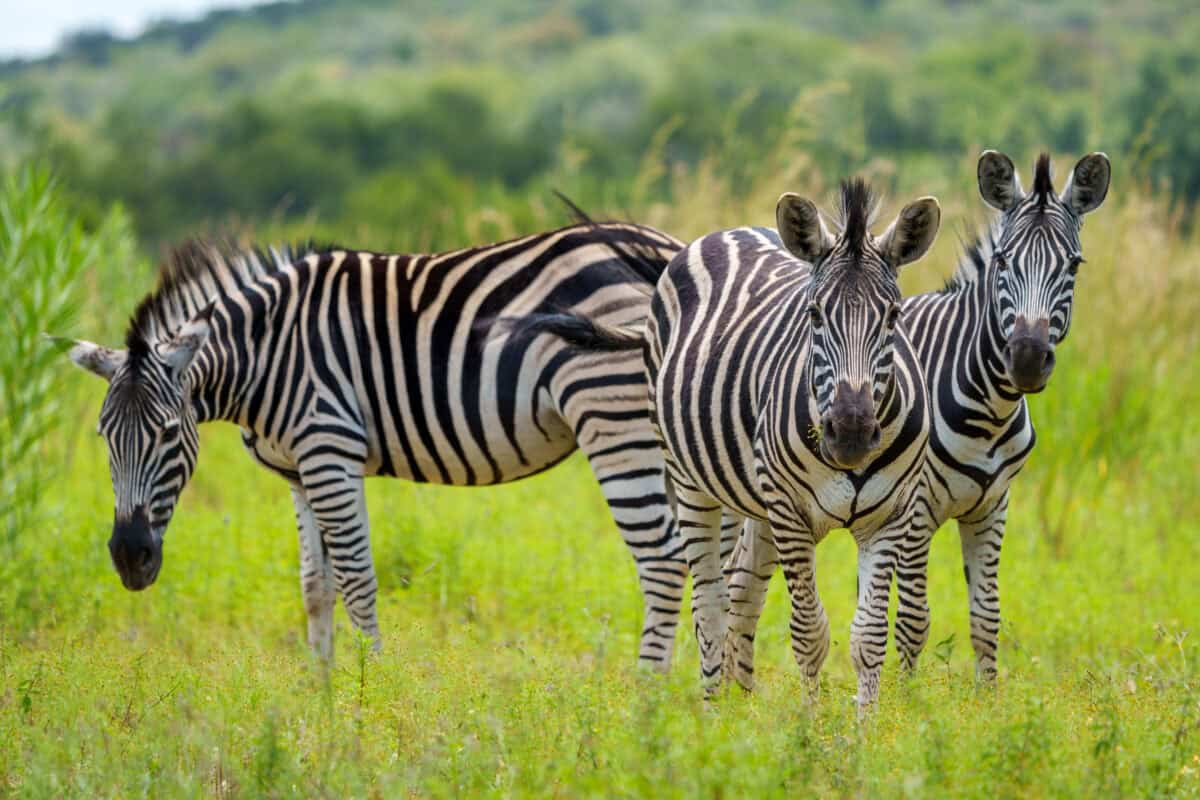
Recent studies have introduced the notion that zebra stripes may serve as a deterrent to biting flies, such as tsetse flies and horseflies. These insects are not just nuisances; they carry diseases that can severely impact the health of zebras. Research has shown that flies are less likely to land on striped surfaces. The stripes may create a polarizing effect that confuses the vision of these insects, making it difficult for them to see the zebras as viable hosts. While more research is needed to fully understand this mechanism, the pest deterrence theory is gaining traction among scientists.
Thermoregulation: Stripes as a Cooling System
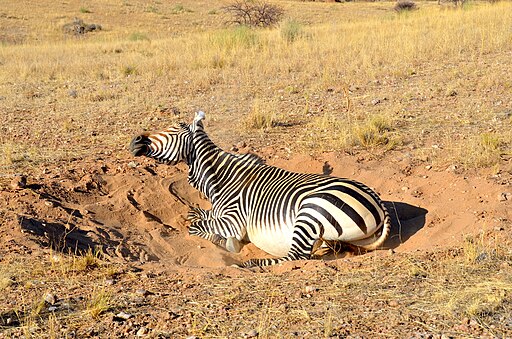
Another fascinating hypothesis revolves around thermoregulation. Zebras live in regions where temperatures can soar, so staying cool is vital. Theories suggest that the stripes may help regulate body temperature. According to this view, the differential heating of the black and white stripes creates small convection currents along the zebra’s body, promoting air circulation and cooling. Although there is still debate over the effectiveness of this system, it presents an intriguing possibility that highlights the complexity of evolutionary adaptations.
Social Interaction: Recognizing Individual Identity

Zebra stripes may also play a significant role in social interactions. Each zebra has a unique pattern, akin to a human fingerprint, which could help individuals recognize one another. This is particularly important in maintaining social bonds within herds and ensuring the cohesion and cooperation necessary for survival. Furthermore, these distinctive patterns may facilitate mating, as zebras could use them to select suitable partners based on individual recognition.
Protection from Predators: Disrupting Attacks

Beyond just visual confusion, the stripes might also serve as a physical defense against predators. When zebras move in groups, their stripes create a dynamic pattern that disrupts the predator’s focus, making coordinated attacks harder. This visual disruption could interfere with the predator’s ability to gauge the distance and speed of individual zebras, similar to how the “dazzle camouflage” used in ships can confuse opponents.
Conclusion: The Multifaceted Purpose of Zebra Stripes

While no single theory definitively answers why zebras have stripes, it is likely that their purpose is multifaceted. Stripes may simultaneously aid in camouflage, deter pests, regulate body temperature, facilitate social interactions, and protect from predators. This multiplicity of potential functions underscores the complexity and adaptability of evolutionary design. As scientists continue to study these magnificent creatures, we may soon unravel more secrets behind their iconic stripes, deepening our understanding of one of nature’s most captivating patterns.

- 11 Ways Your Cat Is Secretly Protecting You Every Day - August 14, 2026
- 10 Mistakes People Make When Camping in Wolf Country - August 14, 2026
- 8 Dog Breeds That Form the Strongest Bond With One Person - August 14, 2026