
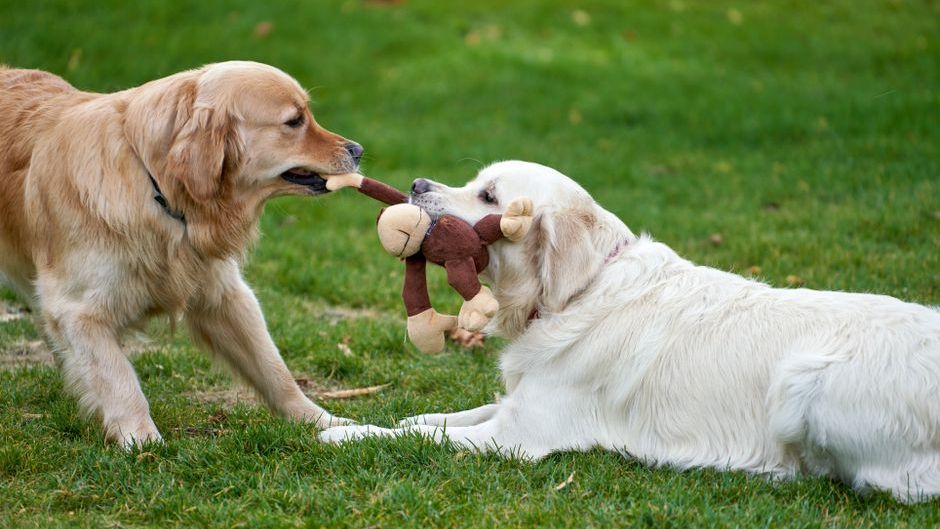
You have probably seen it happen. Your dog appears with a squeaky toy or a well chewed ball right when your shoulders slump or your voice drops. At first glance it looks like a random bid for attention, yet the timing often lines up too neatly to dismiss as coincidence.
The behavior hints at a deeper layer of canine awareness that goes beyond simple play. It invites a closer look at how dogs read us and choose to respond in ways that feel surprisingly thoughtful.
How Dogs Pick Up on Human Emotions

Dogs notice small shifts in posture, breathing, and tone that humans often overlook in themselves. They combine these signals with familiar scents that change when stress rises. Over time this builds a reliable map of when their person needs something different from the usual routine.
Owners report the toy appears most often during quiet moments of frustration or sadness rather than loud arguments. The dog does not always push for a game right away. Instead it offers the object and waits, adjusting its own energy to match the room.
Toys as a Bridge for Connection
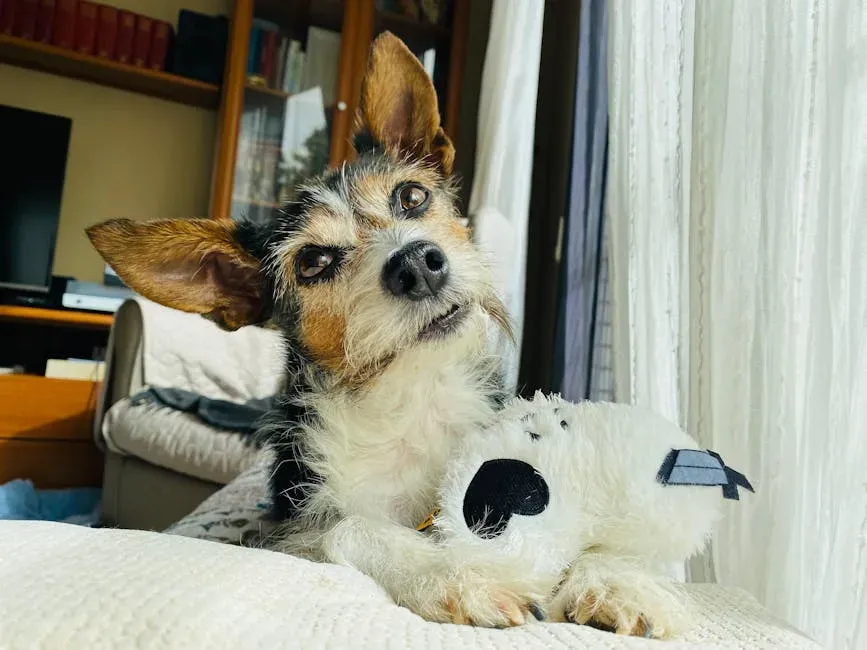
A favorite toy carries the dog’s own scent and the memory of past shared moments. Bringing it forward turns an ordinary object into an invitation to interact on the dog’s terms. This simple act can shift the atmosphere without requiring words or complicated gestures.
Some dogs choose specific toys depending on the situation. A soft plush might appear during low energy times while a bouncy ball shows up when a bit more movement could help. The choice itself reveals an awareness of what might suit the moment best.
Play as a Gentle Form of Comfort
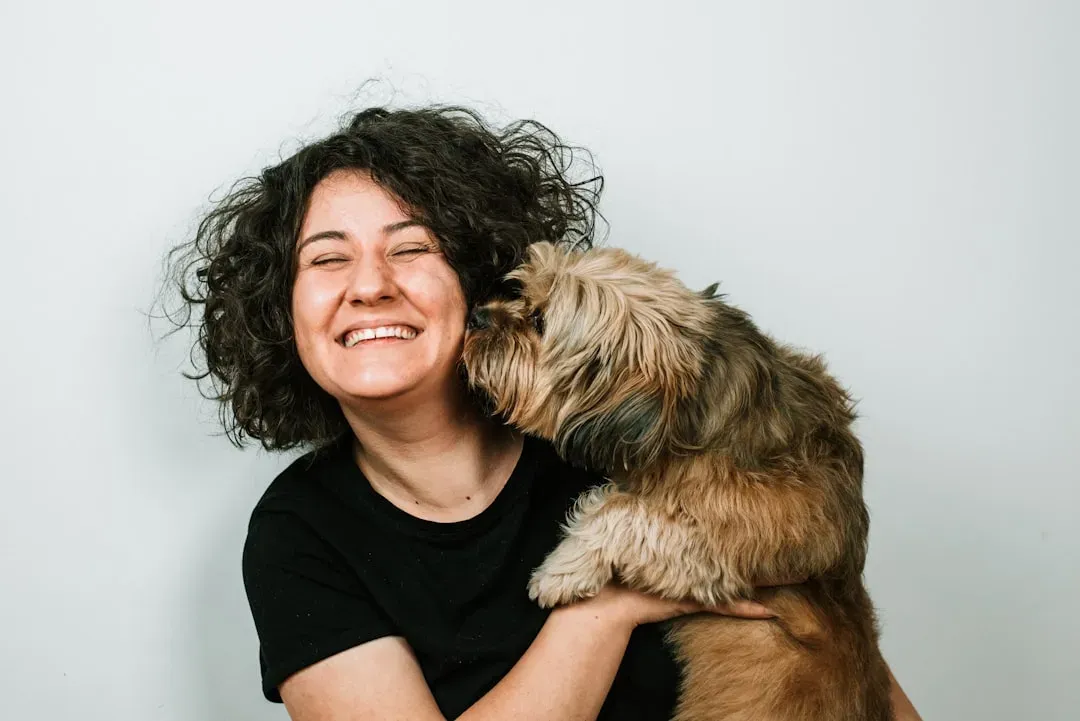
Play releases endorphins in both species and creates a shared rhythm that eases tension. When a dog offers a toy during an upset moment it essentially proposes a joint activity that distracts and reconnects at the same time. The gesture feels less like a demand and more like an open suggestion.
Trainers note that this approach works because it respects the person’s current state. The dog does not insist on roughhousing. It simply places the toy nearby and watches for any sign of interest, ready to back off if the timing feels wrong.
Roots in Pack Dynamics and Daily Life
In wild canid groups, objects and gestures help maintain bonds during quiet periods. Domestic dogs carry echoes of that pattern into homes where they treat people as their primary social unit. Offering a toy becomes one way to check in and strengthen the daily connection.
Household routines reinforce the habit. Dogs learn that certain items reliably spark positive exchanges, so they reach for them when the usual flow feels disrupted. The behavior blends instinct with learned experience rather than pure impulse.
Differences Across Breeds and Personalities
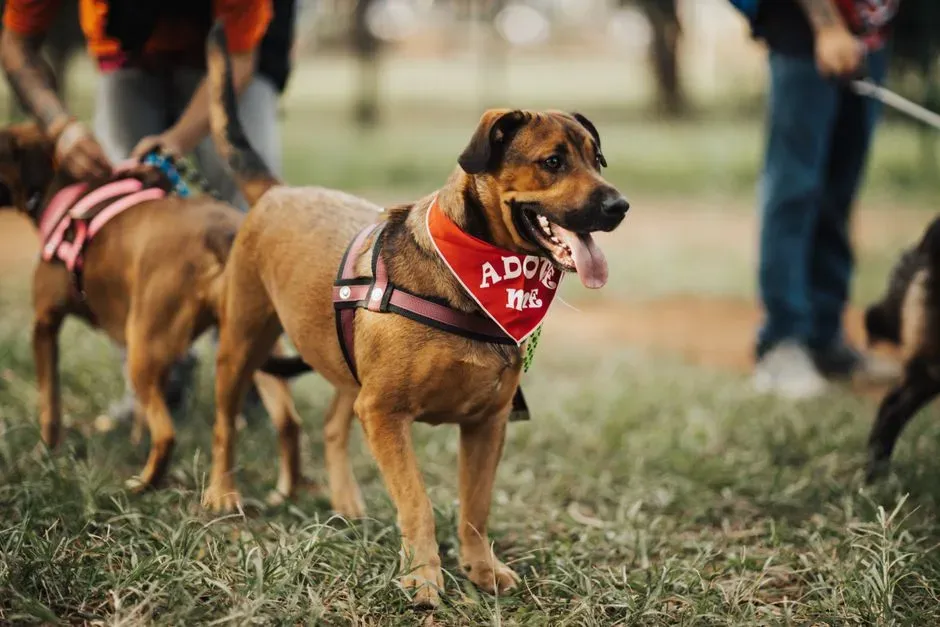
Some breeds lean toward this response more readily because of their history of close work with people. Others show it less often yet still display the pattern when the bond runs deep. Individual temperament plays a larger role than breed alone.
Rescue dogs sometimes arrive with an especially strong version of the habit. Early uncertainty may heighten their sensitivity to human mood changes, turning toy bringing into a reliable way to secure reassurance for everyone involved.
Common Misreadings and Better Responses
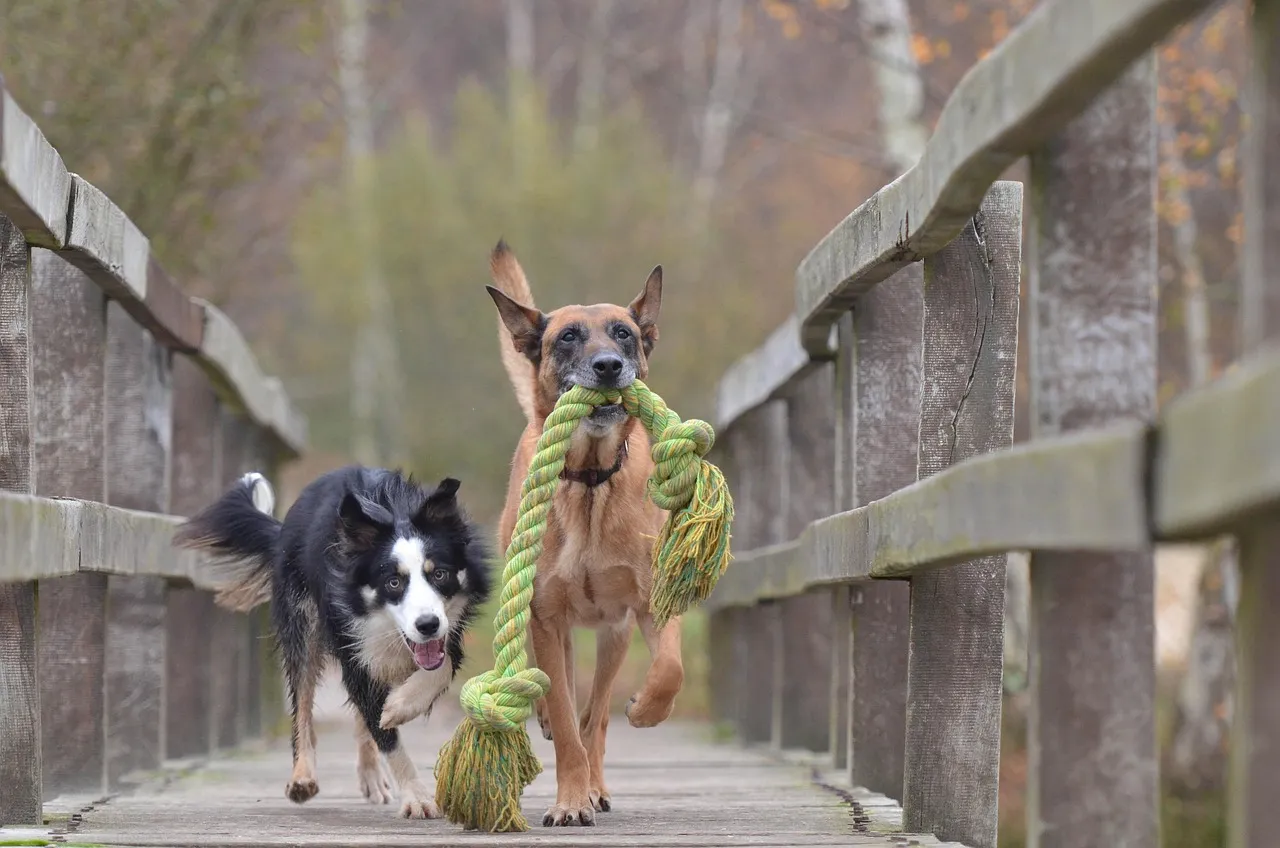
Many people assume the dog simply wants to play and miss the timing that points to something else. Pushing the toy away or ignoring it can leave the dog puzzled about how to help. A brief acknowledgment often works better than a full game.
Accepting the toy with a calm word or gentle toss lets the dog know its effort landed. That small reply reinforces the pattern without turning every low moment into structured playtime. Over weeks the exchanges become smoother and more intuitive on both sides.
Why These Small Acts Matter More Than They Seem
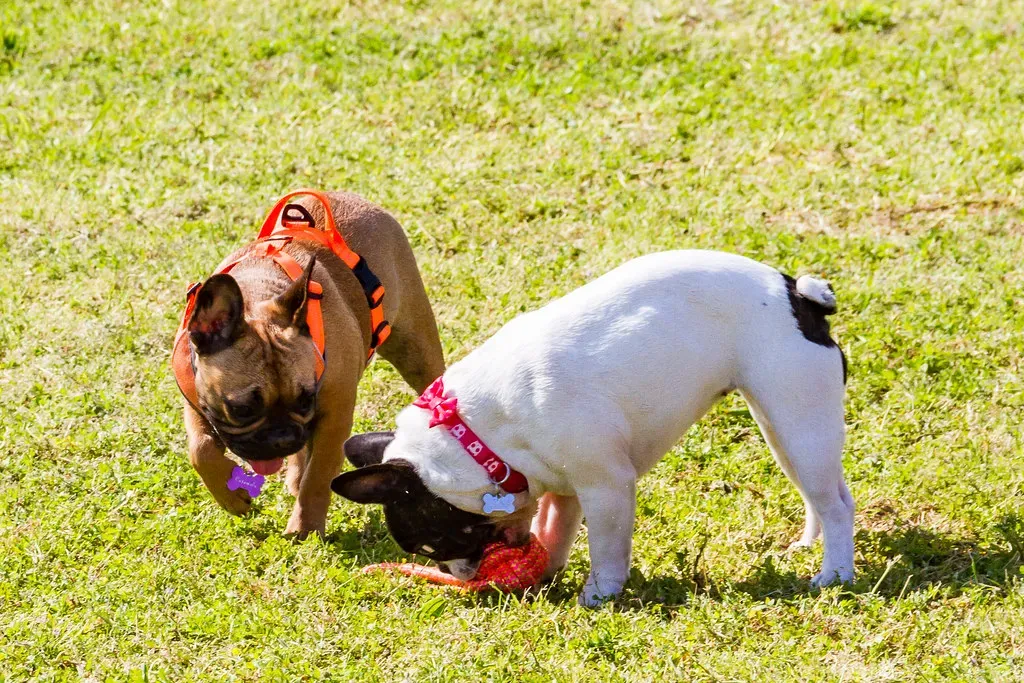
The behavior underscores a quiet partnership that develops without training manuals or deliberate lessons. It reminds us that dogs track our inner weather with surprising accuracy and respond in the language they know best. Each toy offering adds one more thread to a relationship built on daily observations rather than grand declarations.
In the end the fascination lies in how ordinary the gesture appears and how much it actually carries. Watching for these moments changes the way we move through ordinary days with our dogs. The next time a toy lands at your feet during a rough patch, the simple act may feel less random and more like a steady presence that has been paying attention all along.

- 9 Touching Stories of Animal Loyalty That Redefine Family Bonds - July 25, 2026
- 8 Unique Dog Breeds That Are Perfect for Older Owners - July 25, 2026
- The Way You Pet Your Dog Can Make All the Difference to Their Comfort - July 25, 2026