
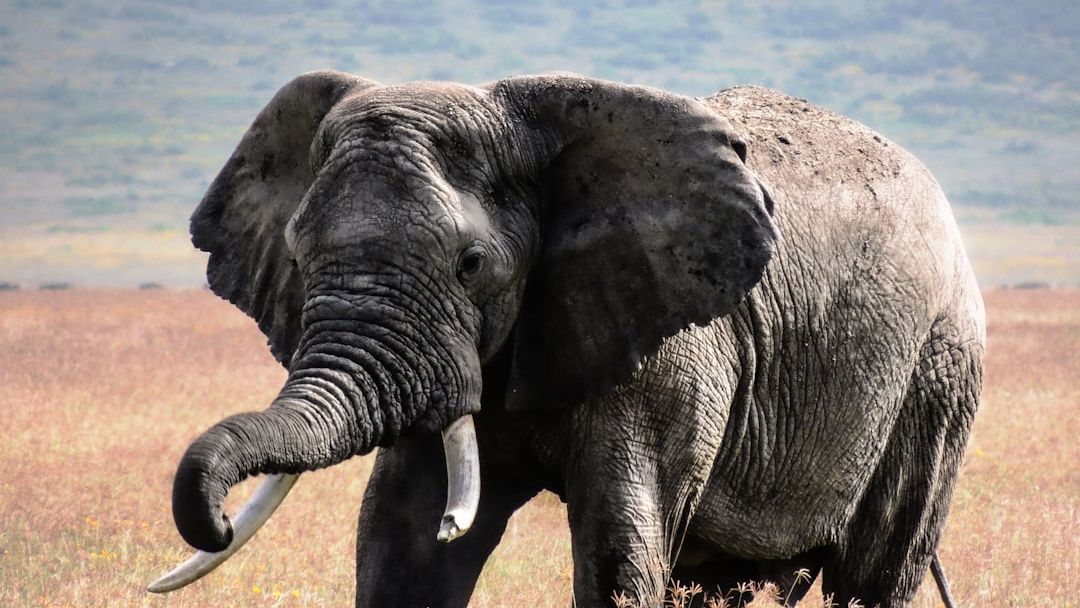
There’s something almost mystical about elephants. These massive creatures wander the savannas and forests with a certain grace, a knowing look in their eyes that hints at something deeper. We’ve all heard the saying that an elephant never forgets. It sounds almost like a fairy tale, doesn’t it?
Yet here’s the thing: it’s true. Science has spent decades unraveling exactly how these giants retain memories that span years, even decades. Their minds work in ways that rival our own, storing detailed maps of landscapes, recognizing faces they haven’t seen in ages, and teaching their young survival strategies passed down through generations. What makes this possible isn’t magic – it’s biology, evolution, and a social structure so intricate it would put many human communities to shame. Let’s dive into the remarkable world inside an elephant’s brain.
A Brain Built for Remembering
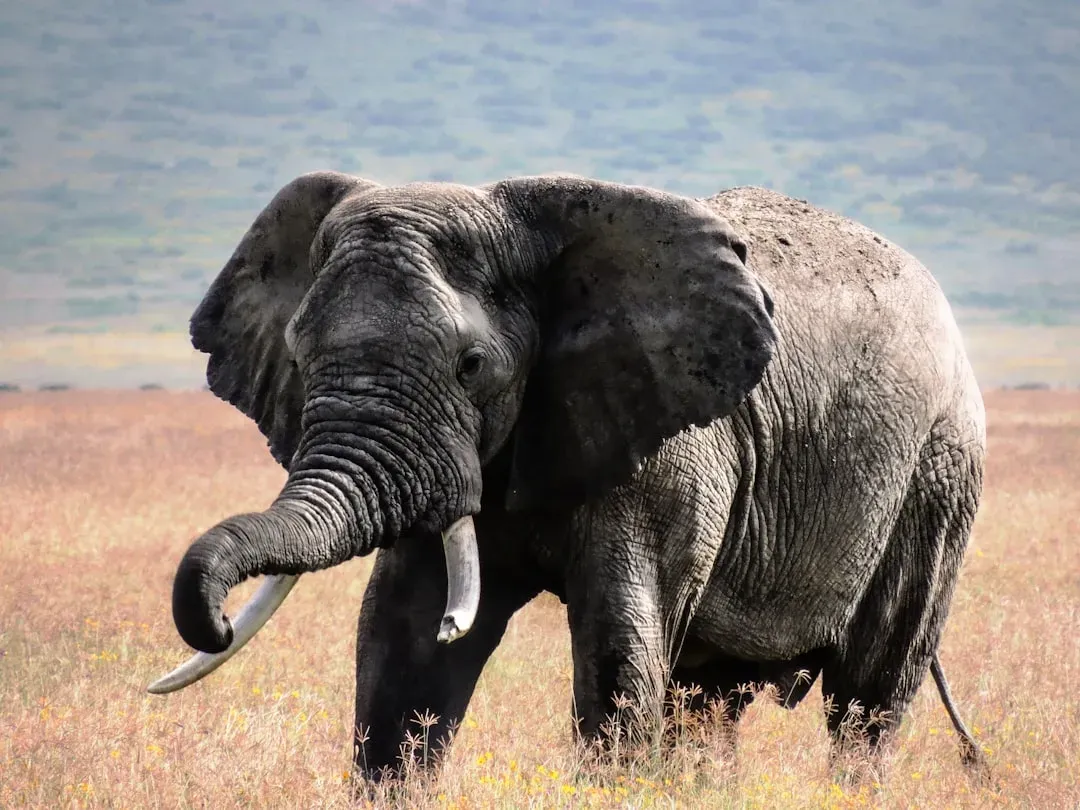
Elephant adult brains average nearly five kilograms, the largest among living and extinct terrestrial mammals, which is roughly about the weight of a bag of flour. That’s substantial, considering an adult human brain weighs closer to one and a half kilograms.
Elephants boast a highly developed brain, especially the temporal lobe, which is linked to memory, with a brain structure bearing a striking resemblance to ours, featuring a large hippocampus responsible for emotions and spatial awareness. Think of the hippocampus as a filing cabinet for experiences and locations. The elephant version is remarkably well organized.
The elephant hippocampus has a volume slightly larger than the human hippocampus, even though elephants are far bigger animals. This tells us something crucial: they’ve devoted significant neural real estate specifically to memory processing. It’s not just about brain size; it’s about how that space is used.
The elephant’s brain gyrification index is comparable to that of highly intelligent species such as humans and cetaceans, which may underlie their sophisticated problem-solving, social, and long-term memory capabilities, with the expanded cortical surface facilitating complex associative processing. Those folds and wrinkles in their brains aren’t random – they’re where the magic happens.
Their brains also triple in weight after birth, suggesting an enormous capacity for learning through experience rather than pure instinct. These creatures aren’t just born smart; they become wise.
Spatial Memory Across Vast Distances
Imagine walking through a landscape the size of several cities and remembering exactly where a specific tree stood twelve years ago. In one documented case, a herd of elephants in Tanzania was observed returning to a specific location where they had found water during a drought 12 years earlier. Twelve years. That’s longer than many of us remember our childhood addresses.
African savanna elephants can travel up to 50 miles in a single day and cover hundreds of miles during seasonal migrations, with their memory of landscape features, such as rivers, valleys, and waterholes, crucial for survival, including the ability to remember the locations of watering holes and food sources that might not be available for years at a time. They don’t carry maps or GPS devices. Their minds are the navigation system.
The hippocampus and entorhinal cortex work together to create what scientists call cognitive maps. These aren’t simple directions like “turn left at the big rock.” They’re rich, layered mental representations of entire territories, complete with seasonal changes, danger zones, and resource locations. Elephants know not just where things are, but when they’ll be there.
Savannah elephants in Botswana utilized environmental features such as riverbeds and hills as spatial markers, creating mental representations that allowed them to traverse extensive territories efficiently. They’re reading the landscape like we read street signs, except their “signs” are geological features and ecological patterns that shift with the seasons. It’s honestly mind-blowing when you think about it.
Social Memory and the Recognition of Individuals
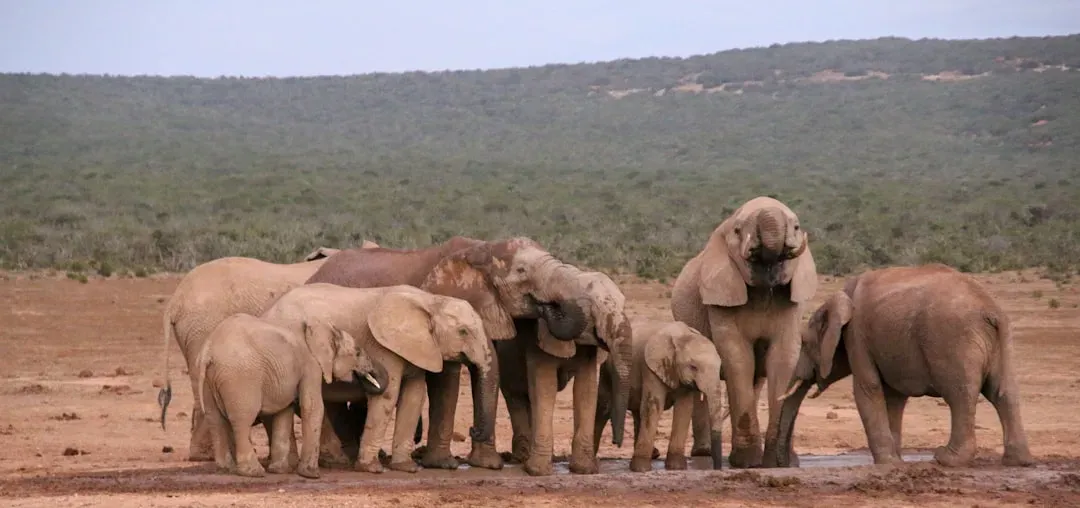
Elephants live in complex societies, and keeping track of who’s who is essential. Elephants can recognize and remember hundreds of different individuals, both within their herd and from other groups. That’s not just remembering a face – it’s remembering personality, past interactions, and social standing.
Studies have documented cases where elephants reacted with recognition and emotional responses to the voices or scents of relatives or former herd members encountered years after separation, evidencing a sophisticated form of social memory that requires complex encoding, storage, and retrieval processes within their brains. They don’t just recognize; they remember the relationship.
This social memory isn’t shallow. An elephant remembers if another individual was helpful during a crisis or aggressive during a past encounter. They can recall past interactions with other elephants, which influences their future behavior towards them, with positive interactions making them more likely to be cooperative in future encounters. It’s similar to how we might remember a friend who helped us move apartments and feel inclined to return the favor years later.
Let’s be real: this level of social intelligence requires serious cognitive horsepower. Their temporal lobes, massively expanded compared to most mammals, handle this intricate web of relationships. These aren’t simple associations – they’re nuanced, emotionally colored memories that shape every interaction.
The ability to remember so many individuals also helps maintain herd cohesion. In a world where survival depends on cooperation, knowing who you can trust is everything.
The Matriarch: Living Library of the Herd
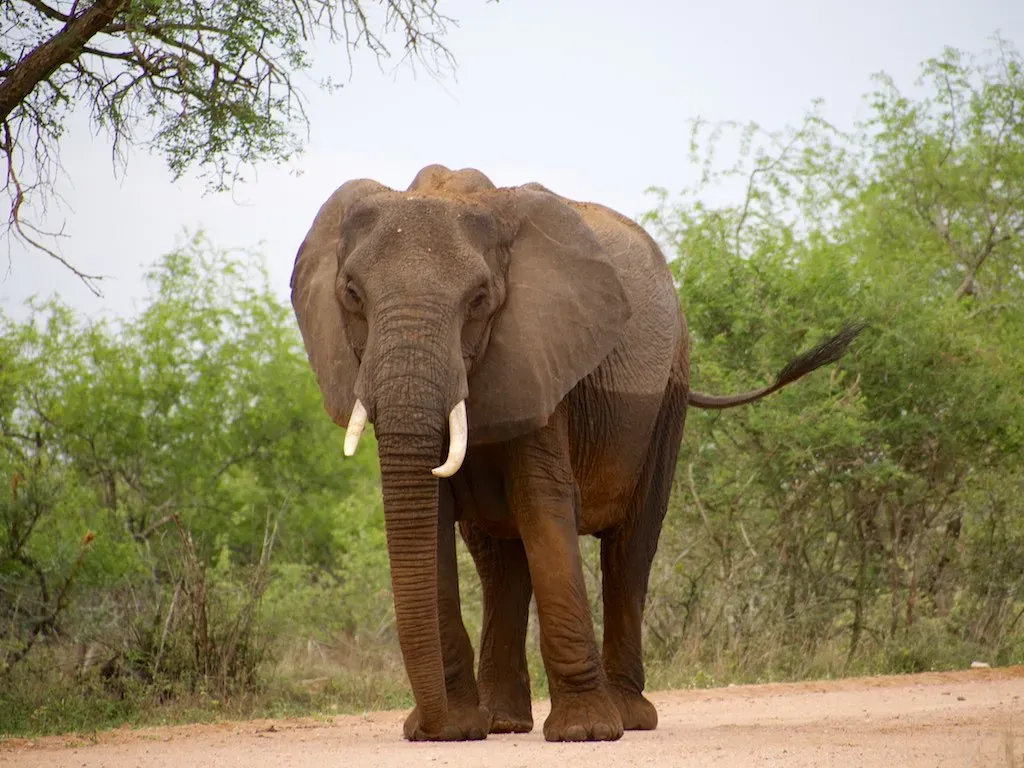
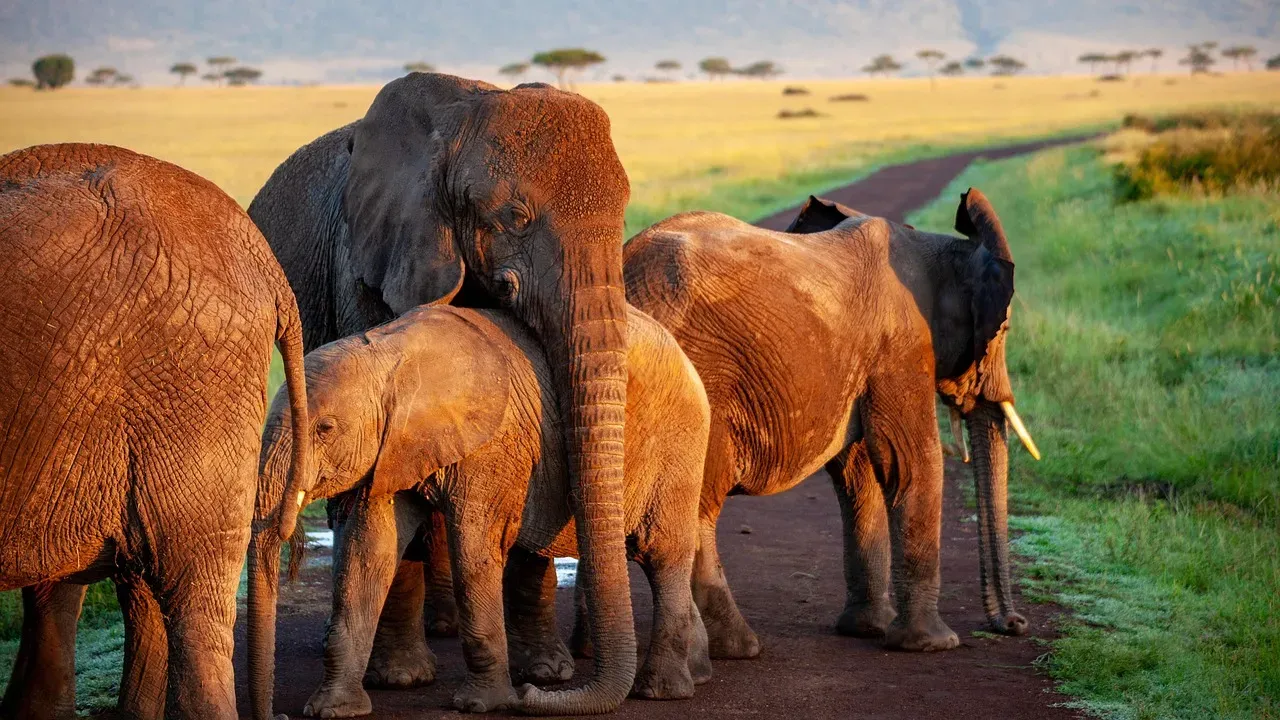
African elephant researchers have discovered that the oldest matriarchal elephants have the best memories, with the older the elephant, the more time she’s had to experience life, meet others, and build up a memory bank of faces and places, and because matriarchs lead the herd, her memory is incredibly valuable to the group. She’s essentially the elder who’s seen it all.
These matriarchs aren’t just leaders by default. Older matriarchs in savannah elephant herds have been shown to play a crucial role in herd survival by relying on accumulated social knowledge, with herds led by older matriarchs showing stronger, more immediate responses to potential dangers. Their decisions can mean the difference between life and death during droughts or when predators approach.
Over the years, the matriarch has learned where to find water during drought, which migration routes are safest, and how to respond to threats, with her knowledge shaped by seasons of abundance and hardship, by watching other matriarchs before her, and by leading her herd through change. She’s not guessing – she’s drawing from decades of lived experience.
If the old, brainy matriarch is killed, younger herd members will not know where to go in extreme drought because they have never been there before, and even one elephant’s death negatively impacts a herd, with this knowledge loss impacting the whole species because they are endangered. The tragedy of poaching extends beyond individual loss – it’s the erasure of irreplaceable knowledge.
What strikes me most is how this mirrors human societies. We revere our elders for their wisdom, and elephants do the same through action and survival.
Emotional Memory and Mourning Behavior
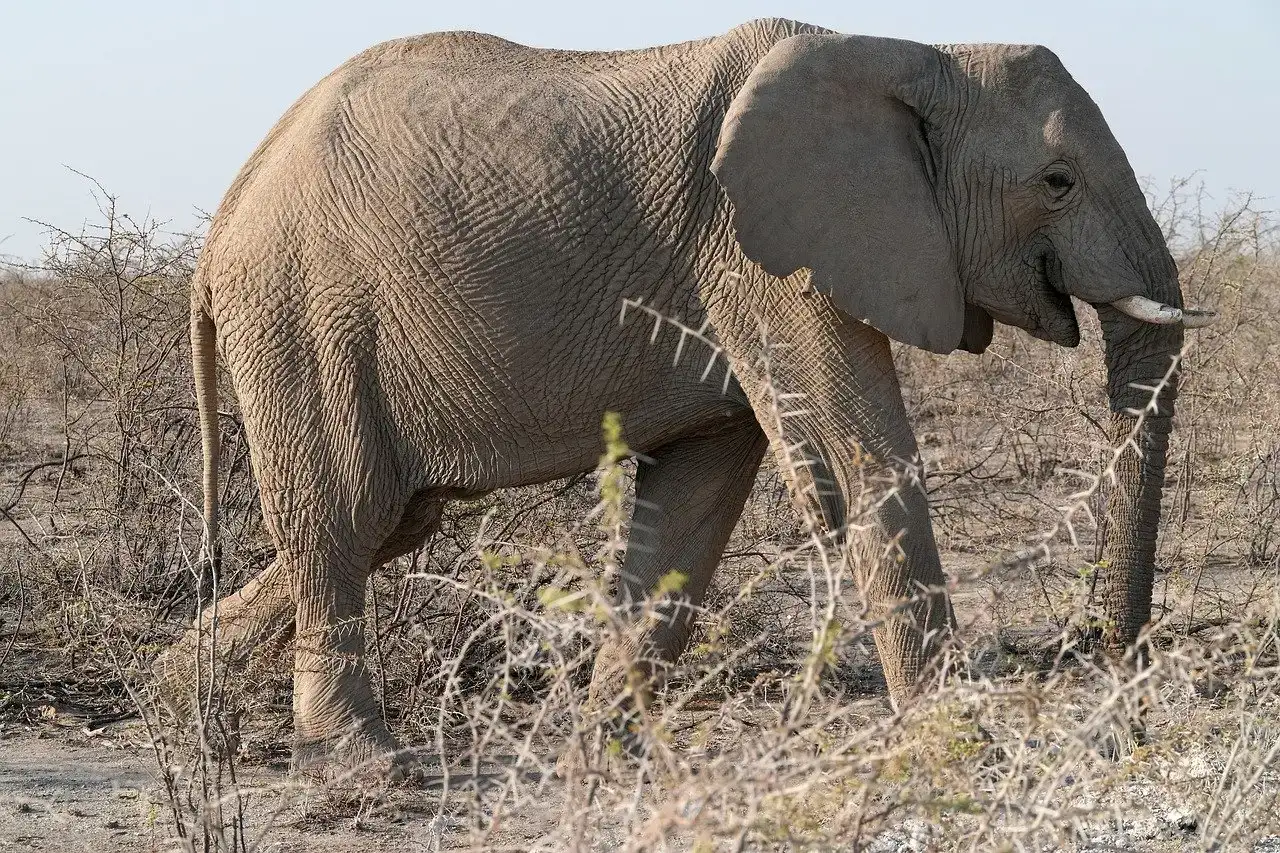
Perhaps nothing reveals the depth of elephant memory more than their response to death. Elephants are known for their emotional depth and empathy, qualities intimately tied to memory, with their ability to remember individuals often accompanied by nuanced emotional responses, including joy, grief, and what some researchers interpret as mourning, with observations showing elephants visiting the bones or remains of deceased herd members, gently touching skulls or tusks. These aren’t random gestures – they’re deliberate acts of remembrance.
The relatives of Eleanor, another matriarch at the Samburu Reserve, pulled and pushed her carcass for nearly a week after she died in 2003, with some rocking back and forth, while others stood silently. The silence, honestly, is what gets me. It feels sacred, respectful, profoundly human.
Elephants distinguish between elephant remains and other large mammals, with tests measuring their interest showing they chose the skull of an elephant over the skulls of a buffalo and rhinoceros. They know their own. They recognize what they’ve lost.
A researcher once played a recording of an elephant who had died, with the sound coming from a speaker hidden in a thicket, causing the family to go wild calling, looking all around, with the dead elephant’s daughter calling for days afterward, and the researchers never again did such a thing. The ethical weight of that moment is staggering – they realized they’d tapped into genuine grief, not mere curiosity.
Memory and emotion are inseparable in elephants. They don’t just remember events; they remember how those events felt, who was involved, and what was lost. That’s not instinct. That’s consciousness.
Learning, Knowledge Transfer, and Cultural Memory
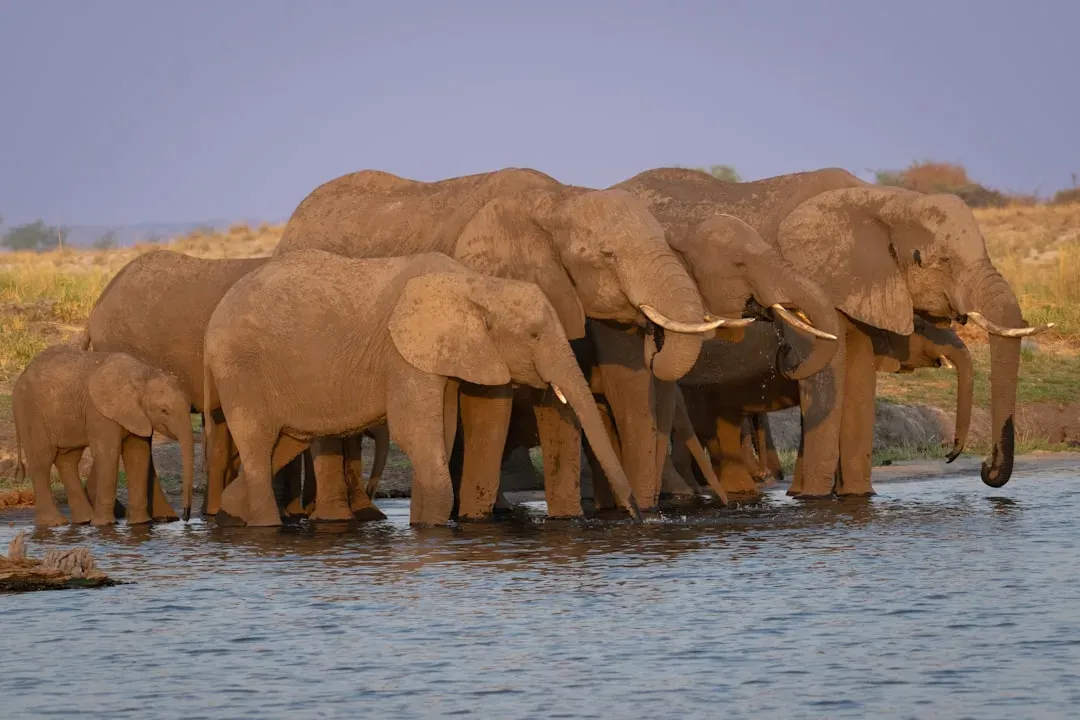
A controlled observational study documented how juvenile elephants altered their movement and foraging behaviors over time after repeated exposure to experienced individuals, offering strong field-based evidence that younger elephants acquire spatial knowledge and decision-making cues through social learning mechanisms. They’re not born knowing where water is – they’re taught.
Calves often follow matriarchs and older females during movements to water sources and feeding areas, learning these locations through repeated exposure. It’s apprenticeship in the wild. Young elephants shadow their elders, absorbing a lifetime of lessons through observation and imitation.
As the matriarch and other dominant females collect habits and memories throughout years of experience, they share their wisdom with the rest of the herd, building what scientists call a memory bank. This isn’t individual memory – it’s collective knowledge, passed down through generations like an oral tradition.
Social factors and learning processes could explain the strong brain growth after birth, as elephants live in complex social structures and have an outstanding memory, with the experience and accumulated knowledge of adult elephants, especially matriarchs, central to the group behavior of elephants. Their brains are literally wired to learn from each other.
The fragility of this system becomes obvious when you consider what happens when elders are lost. When older elephants are killed – especially matriarchs – a wealth of knowledge is lost, often resulting in poor decisions, increased conflict with humans, and trauma within the herd. It’s not just about losing an individual; it’s about losing the library, the teacher, the guide.
Conclusion
The science behind elephant memory reveals something profound about intelligence itself. These creatures have evolved brains remarkably similar to ours in key ways, with massive hippocampi, complex temporal lobes, and neural structures designed for long-term storage and retrieval of information. Their memories aren’t just functional – they’re emotional, social, and deeply embedded in their survival.
Elephants remember water sources from over a decade ago. They recognize individuals they haven’t seen in years. They mourn their dead and pass knowledge through generations like living encyclopedias. This isn’t anthropomorphization – it’s what the data shows us again and again.
What impresses me most is how their memory serves the collective, not just the individual. A matriarch’s knowledge keeps the entire herd alive. The loss of one elder can destabilize a community for years. Their minds have evolved not in isolation, but as part of a tightly woven social fabric where remembering means surviving together.
So the next time someone says an elephant never forgets, know that it’s not just a saying. It’s biology, evolution, and a testament to one of nature’s most remarkable cognitive achievements. Did you ever imagine a brain could hold so much, for so long, with such precision?

- 7 Signs Your Dog Thinks You're Family - July 21, 2026
- 10 Unusual Reasons Older Adults Bond More Deeply With Certain Dog Breeds - July 21, 2026
- 13 Endangered American Mammals You Can Still See in the Wild Today - July 21, 2026