

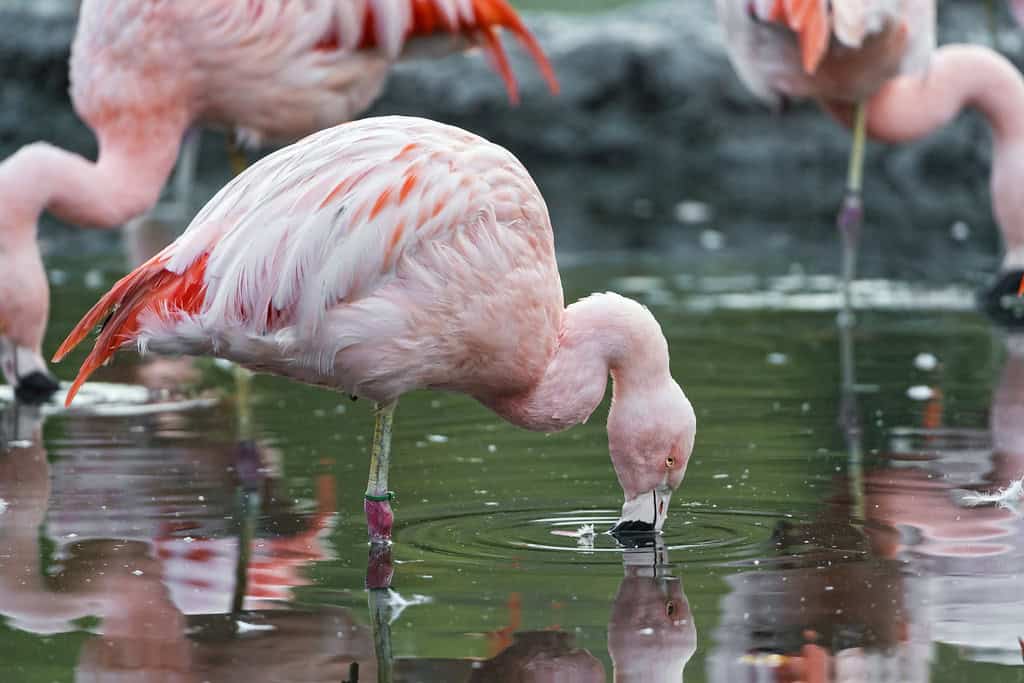
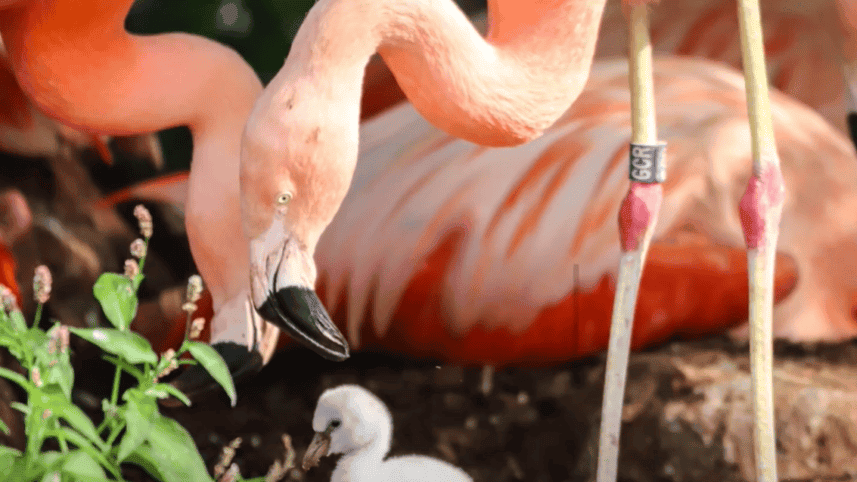
Flamingos stand as one of nature’s most recognizable birds, their vibrant pink feathers making them instant icons in the animal kingdom. These elegant wading birds, found across the Americas, Caribbean, Africa, Asia, and Europe, captivate our imagination with their distinctive coloration. However, what many people don’t realize is that flamingos aren’t born with their signature pink plumage. Instead, their feathers naturally range from grayish-white to pale ivory when they first hatch. The transformation to their famous pink hue comes through one of the most fascinating dietary color adaptations in the animal world.
The process by which flamingos obtain their color represents a perfect example of how diet can directly influence physical appearance in the animal kingdom. Unlike many other colorful birds that produce pigments internally through genetic processes, flamingos actually acquire their coloration from external sources—specifically, the foods they consume. This phenomenon, where an animal’s diet directly influences its appearance, offers a remarkable window into the interconnection between ecosystem, diet, and physical characteristics in nature.
The Science of Carotenoid Pigments
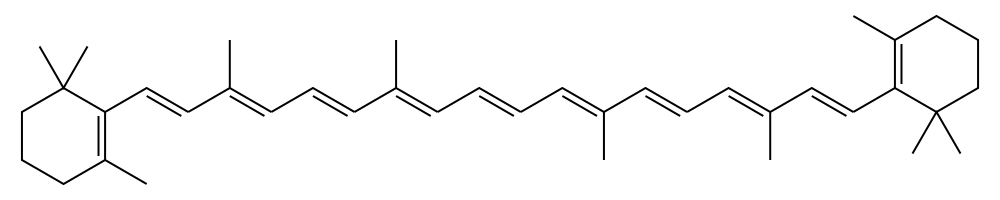
At the heart of the flamingo’s pink coloration are compounds called carotenoids—natural pigments found in many plants, algae, and some bacteria. Carotenoids are responsible for the red, orange, and yellow colors in many fruits and vegetables that humans consume, such as carrots, tomatoes, and bell peppers. These pigments serve as antioxidants and play crucial roles in photosynthesis in plants. In the case of flamingos, specific carotenoids called canthaxanthin and astaxanthin are particularly important. These red-orange carotenoid pigments are abundant in the flamingo’s diet and ultimately make their way into the bird’s feathers, skin, and even legs.
What makes carotenoids special is that animals generally cannot produce these compounds on their own—they must obtain them through their diet. When flamingos consume food rich in these pigments, their digestive system breaks down the food, and the carotenoids are absorbed into the bloodstream. The bird’s liver then processes these compounds, and they eventually make their way to developing feathers during molt periods. This process of pigment deposition in feathers is called “pigmentation,” and it’s particularly efficient in flamingos compared to many other bird species.
The Flamingo’s Specialized Diet
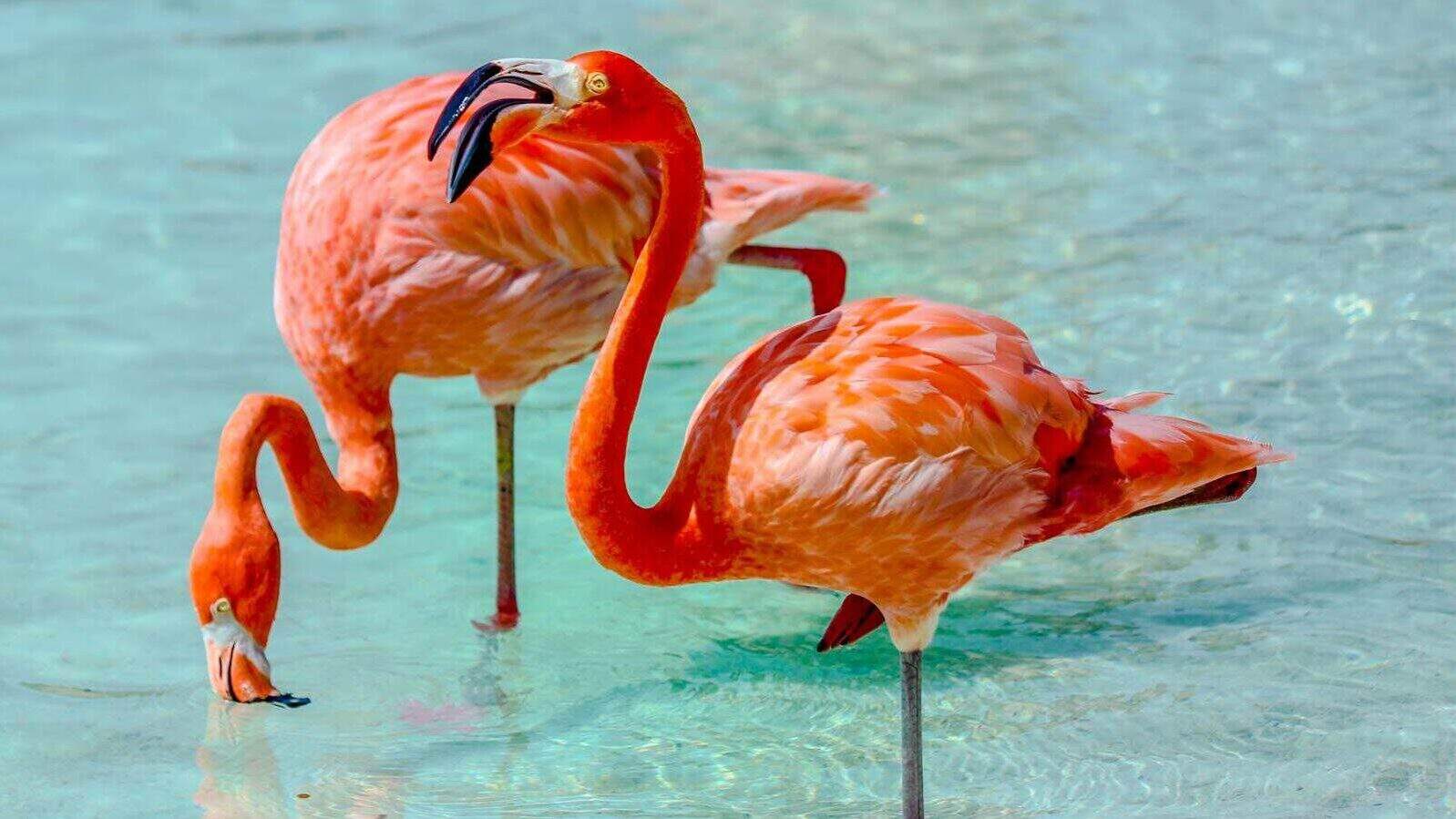
Flamingos feed primarily by wading in shallow waters where they engage in a unique feeding behavior. They turn their heads upside down and use their specialized beaks as filtering devices. Their distinctive bill structure contains lamellae—comb-like structures that allow them to filter out small organisms from the water. As they sweep their bills through the water or mud, they trap tiny aquatic invertebrates, algae, and other microorganisms. The main sources of carotenoids in a flamingo’s diet include blue-green algae, diatoms, small crustaceans (particularly brine shrimp), mollusks, and insect larvae.
Particularly important in their diet are brine shrimp and blue-green algae (cyanobacteria), both rich in carotenoids. These organisms thrive in the saline and alkaline lakes where many flamingo species prefer to feed. The algae themselves contain carotenoids for their own biological processes, while the small crustaceans accumulate these pigments by feeding on the algae. When flamingos consume these organisms, they’re essentially harvesting concentrated packages of carotenoids that have already been collected from the environment and processed by other creatures—a form of pigment bioaccumulation.
From Digestion to Deposition: How Carotenoids Enter Feathers
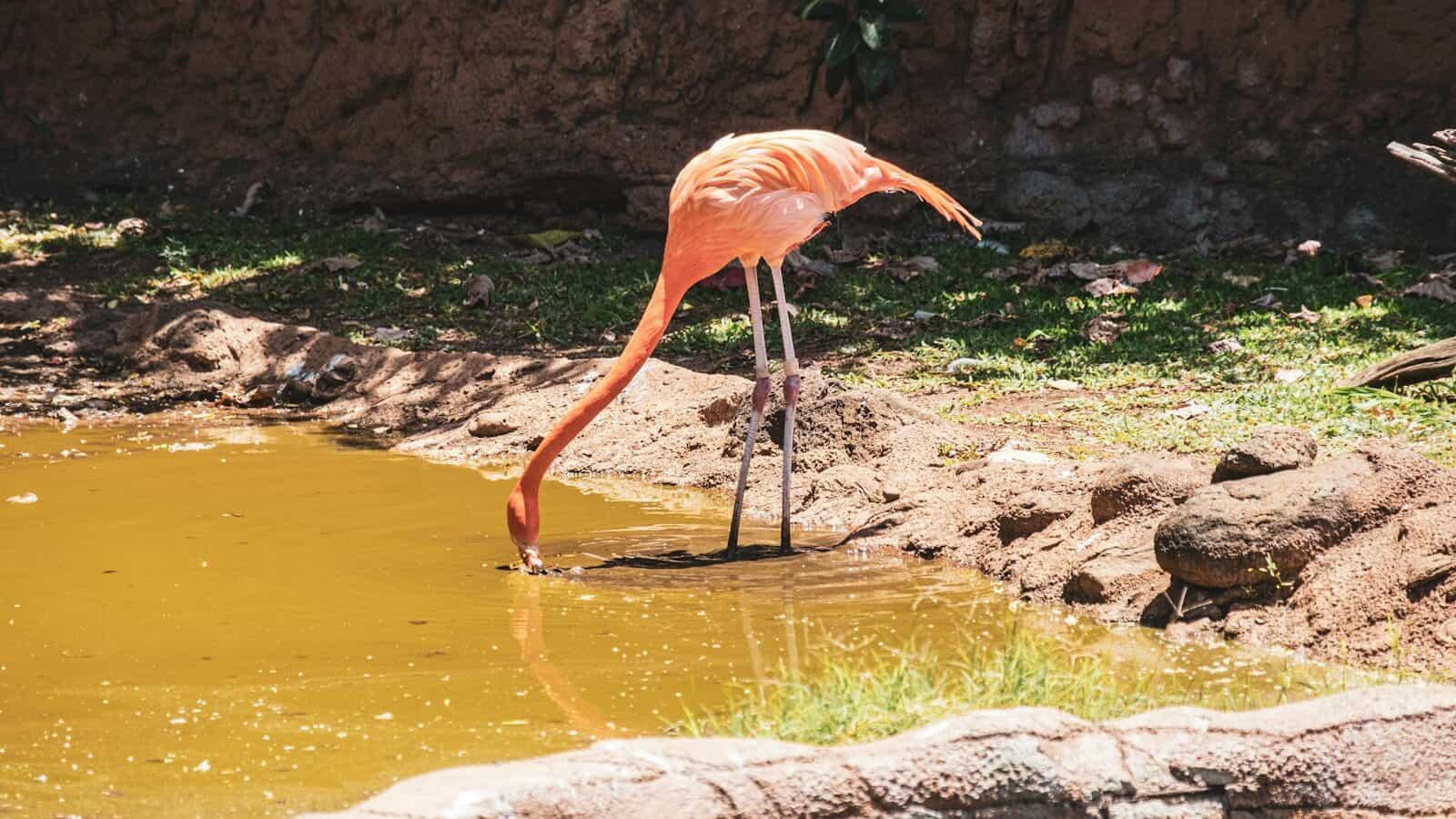
The journey of carotenoids from a flamingo’s meal to its feathers involves several sophisticated biological processes. After consumption, these pigments must be released from the food during digestion. The carotenoids are then absorbed through the intestinal wall and transported in the bloodstream to the liver. In the liver, some carotenoids are converted to forms that are more easily utilized by the body. For instance, beta-carotene may be converted to canthaxanthin or astaxanthin—the specific carotenoids most responsible for the pink coloration in flamingos.
From the liver, these processed carotenoids travel through the bloodstream to various tissues, including developing feathers. During feather growth, specialized cells called chromatophores can incorporate the pigments into the keratin structure of the feather. This incorporation happens during the molt cycle when old feathers are shed and new ones grow in. The concentration of carotenoids in the feathers determines the intensity of the pink coloration—more carotenoids result in a deeper, more vibrant pink, while fewer carotenoids lead to paler coloration. This biological pathway explains why flamingo coloration can vary significantly based on food availability and quality.
The Spectrum of Pink: Variations in Flamingo Coloration
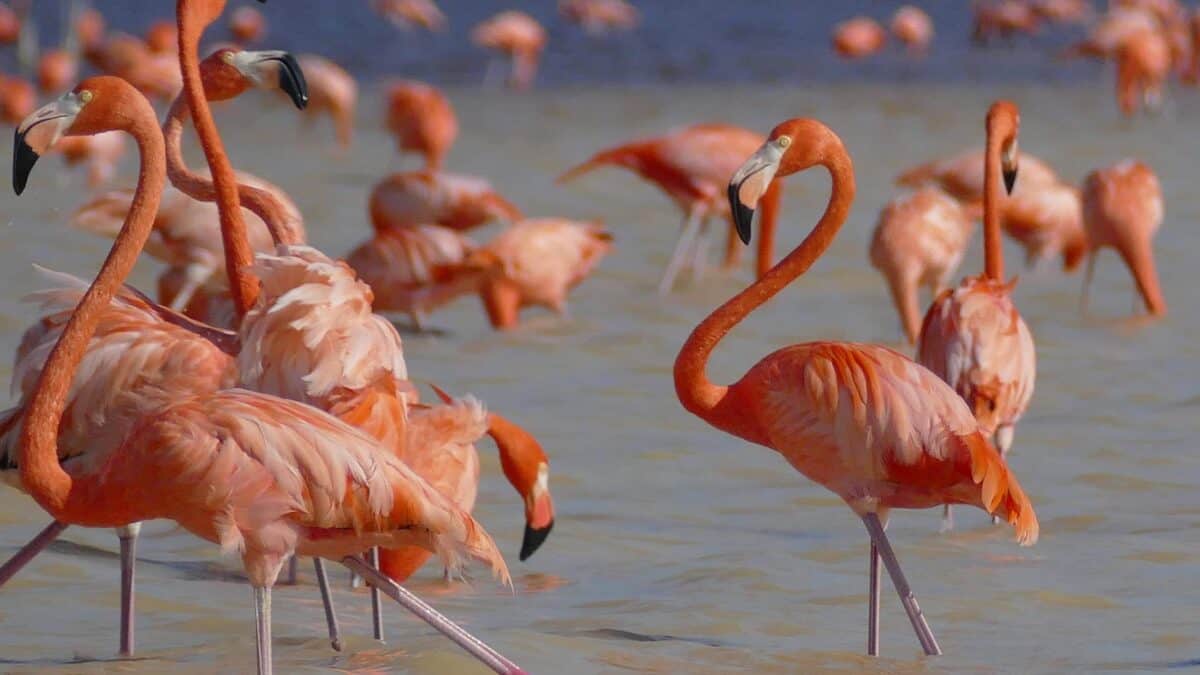
Not all flamingos display the same shade of pink. In fact, there’s considerable variation both between different flamingo species and among individuals within the same species. Some flamingos appear nearly white with just a hint of pink, while others exhibit deep rose or almost reddish plumage. The American flamingo (Phoenicopterus ruber) and the greater flamingo (Phoenicopterus roseus) tend to have some of the most vivid colorations, while the lesser flamingo (Phoeniconaias minor) often displays a deeper, more intense pink. These variations are directly linked to differences in diet and the specific carotenoid content of the foods available in their habitats.
Environmental factors also play a significant role in color intensity. Flamingos living in habitats with abundant carotenoid-rich food sources will develop more vibrant coloration than those in areas where such food is scarce. During droughts or other environmental disruptions that affect food availability, flamingos may display paler coloration. Research has shown that the intensity of a flamingo’s pink color can be an indicator of its nutritional status and overall health, with more vibrantly colored birds often being better nourished and potentially more attractive to potential mates.
Captive Flamingos and Dietary Supplements
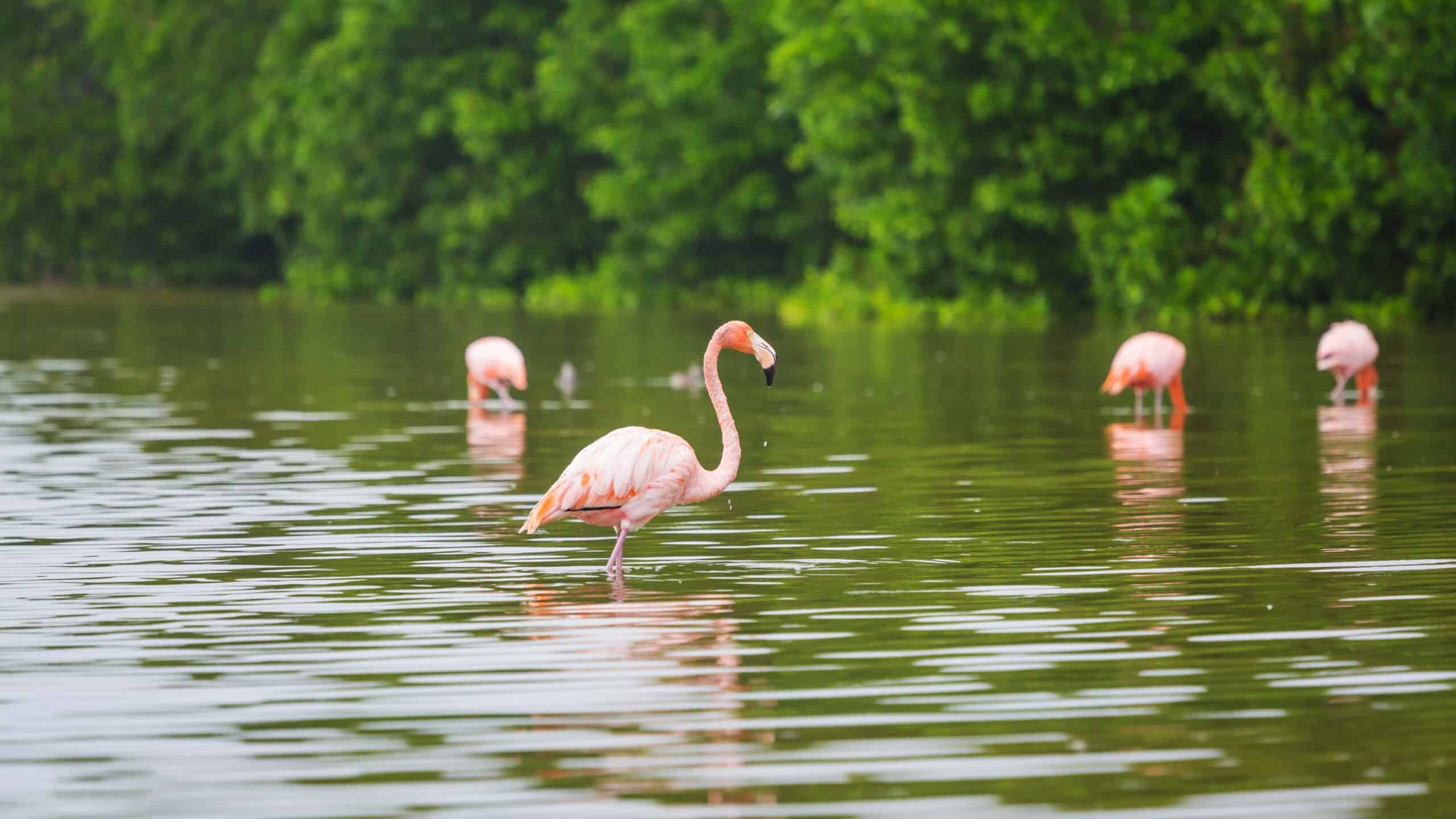
Zoos and wildlife facilities face a unique challenge when it comes to maintaining the signature pink coloration of captive flamingos. In the wild, flamingos naturally obtain carotenoids from their diverse diet of algae and small creatures. However, replicating this exact diet in captivity can be difficult. To ensure captive flamingos maintain their vibrant pink plumage, caretakers typically supplement their diet with carotenoid-rich foods. These supplements often include natural sources such as dried shrimp, carrots, and red peppers, as well as commercial feeds specifically formulated with canthaxanthin and other carotenoids.
Without these dietary supplements, captive flamingos would gradually lose their pink coloration after molting, eventually becoming primarily white or very pale pink. This occurrence has historically led to misconceptions that flamingos are naturally white and only turn pink in the wild due to something unusual in their environment. In reality, the fading of color in captivity without proper dietary management simply demonstrates the direct connection between carotenoid consumption and pink plumage. Modern zoo practices have largely solved this issue through scientifically developed feeding programs that ensure captive flamingos maintain coloration similar to their wild counterparts.
Evolutionary Advantages of Pink Plumage
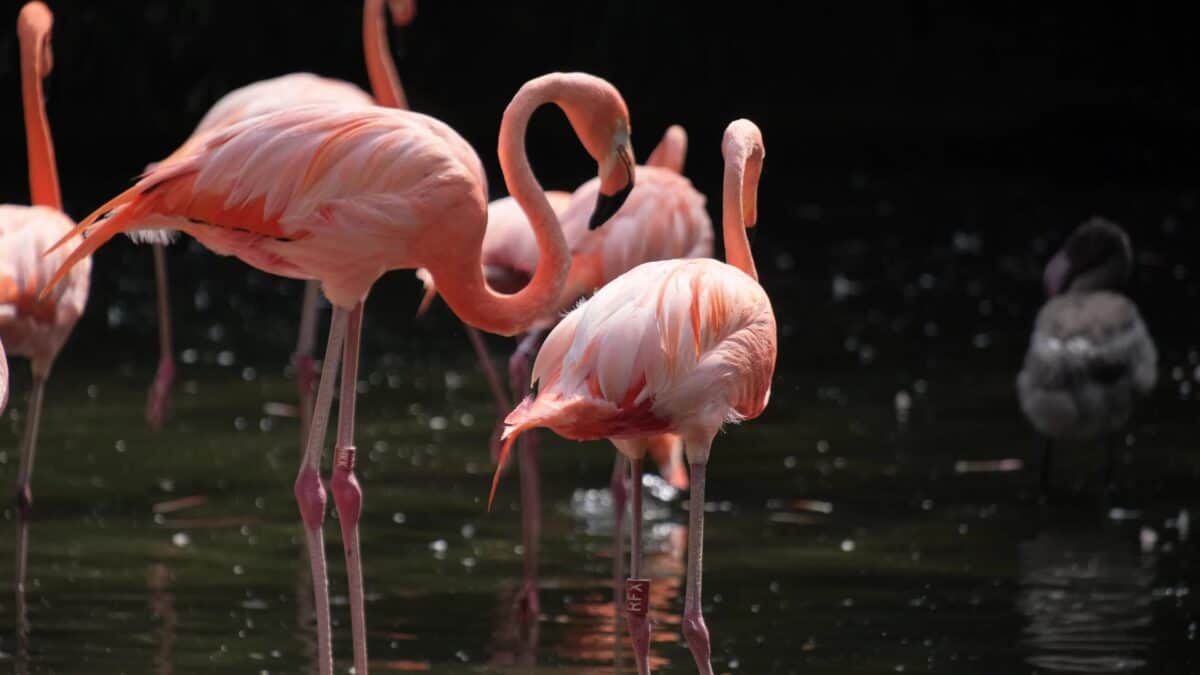
The pink coloration of flamingos isn’t merely a beautiful coincidence—it likely serves important evolutionary purposes. Research suggests that vibrant coloration may play a significant role in mate selection. More intensely colored flamingos demonstrate their ability to successfully forage for carotenoid-rich foods, indicating good health, strong genes, and superior foraging abilities. During breeding season, flamingos will actually intensify their coloration by applying pigments from their uropygial gland (also called the preen gland) to their feathers in a process called “cosmetic coloration,” further enhancing their appearance to potential mates.
The pink coloration may also serve social functions within flamingo colonies. These birds are highly social, living in large flocks that can number in the thousands. Within these communities, color intensity might signal social status and help establish hierarchies. Additionally, some scientists speculate that the pink coloration could provide camouflage during dawn and dusk when the sky takes on rosy hues, potentially making flamingos less visible to predators during vulnerable feeding times. These various potential benefits demonstrate how a diet-derived trait can become integrated into multiple aspects of a species’ ecology and behavior.
Flamingos vs. Other Pink Birds: Different Mechanisms

While flamingos are perhaps the most famous pink birds, they’re not the only ones in the avian world with rosy plumage. Roseate spoonbills, scarlet ibises, and certain galah cockatoos all display pink or reddish feathers. However, the mechanisms behind these colorations aren’t always the same. Like flamingos, roseate spoonbills and scarlet ibises derive their coloration from carotenoids in their diet, primarily from consuming crustaceans and other aquatic organisms. This represents convergent evolution—different species independently evolving similar traits through similar mechanisms.
By contrast, many pink birds in the parrot family, such as galahs and some cockatoos, obtain their coloration through different pigments called psittacofulvins. Unlike carotenoids, psittacofulvins are synthesized by the birds themselves rather than obtained through diet. This fundamental difference highlights the diverse ways that nature has evolved to produce similar visual results. The dietary mechanism used by flamingos represents just one of several evolutionary pathways to colorful plumage in the bird world, though it remains one of the most direct connections between diet and appearance in vertebrate animals.
The Role of Flamingo Pink in Scientific Research
The relationship between flamingos’ diet and their coloration has provided scientists with valuable research opportunities. Ecologists use the intensity of flamingo coloration as a biomarker for environmental health. Since their pink hues directly reflect the abundance of certain organisms in their ecosystem, changes in flamingo coloration can indicate shifts in the food web or environmental conditions of their habitats. For instance, pollution that affects algal populations or brine shrimp numbers may quickly become apparent through changes in flamingo coloration, making these birds important sentinel species.
Beyond ecology, flamingos have contributed to biochemical research on carotenoid metabolism and the biological functions of these pigments. Studies on how flamingos process and deposit carotenoids have applications in understanding human nutrition, as carotenoids play important roles in human health as antioxidants and immune system modulators. Research on the flamingo’s efficient carotenoid processing system may offer insights into improving human utilization of these beneficial compounds or developing better carotenoid-based nutritional supplements. The flamingo’s pink plumage thus represents not just a beautiful natural phenomenon but a window into complex biochemical processes with broad applications.
Conservation Implications of Diet-Dependent Coloration
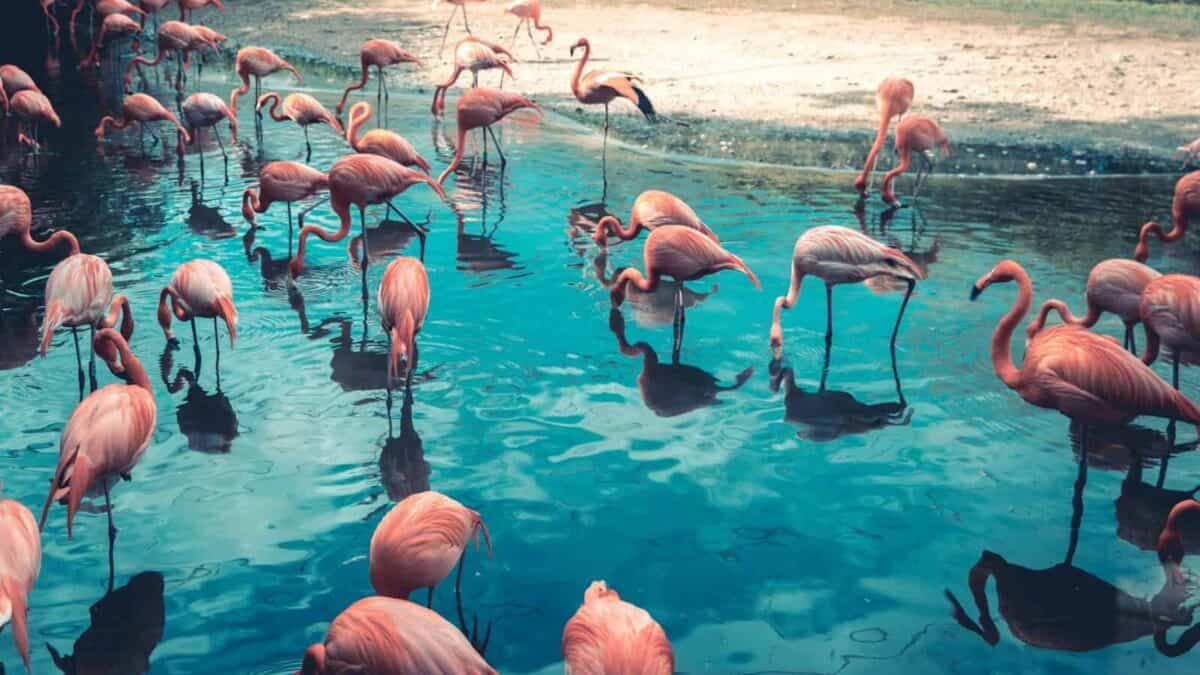
The connection between flamingo coloration and diet has important implications for conservation efforts. As wetland habitats face increasing threats from climate change, pollution, and human development, the dietary resources flamingos depend on are often the first to be affected. Changes in water chemistry can alter microbial communities, while pollution can disrupt the delicate balance of the aquatic ecosystems where flamingos feed. Monitoring flamingo populations for changes in coloration can serve as an early warning system for environmental degradation, allowing for more timely conservation interventions.
Conservation strategies for flamingos must take into account not just the presence of water bodies but also the quality and composition of those ecosystems. Protected areas for flamingos need to preserve the specific conditions that allow for the growth of carotenoid-rich algae and the crustaceans that feed on them. Additionally, public awareness of the connection between flamingo coloration and environmental health can serve as a powerful educational tool, helping people understand the complex interactions between species and their habitats, and potentially increasing support for wetland conservation efforts worldwide.
Cultural Significance of Flamingo Pink

The distinctive pink color of flamingos has made these birds cultural icons across many societies. From ancient Egyptian art, where flamingos appeared in tomb paintings, to modern pop culture’s embrace of flamingo imagery in everything from lawn ornaments to fashion, the birds’ pink hue has captured human imagination for millennia. The flamingo’s coloration has been associated with concepts of beauty, uniqueness, and exotic nature. In some indigenous cultures of the Americas and Africa, flamingo feathers were highly prized for ceremonial purposes specifically because of their distinctive coloration.
Interestingly, once humans understood the connection between diet and flamingo coloration, it added another layer to their cultural significance. The flamingo has become a symbol of the saying “you are what you eat,” embodying the concept of how external factors can fundamentally change us. This has made flamingos popular subjects in educational contexts, where their color transformation serves as an accessible example of complex biological principles. Their popularity has, in turn, helped raise awareness about wetland conservation and the importance of preserving the specialized habitats that support these iconic birds and their unique dietary needs.
The story of why flamingos turn pink from their diet represents one of nature’s most elegant examples of how ecology, nutrition, and physical appearance interconnect. These birds have evolved specialized feeding structures and digestive systems that allow them to extract and utilize carotenoid pigments with remarkable efficiency. This adaptation not only gives flamingos their iconic appearance but also integrates into their social structures, mating behaviors, and ecological roles. The direct pathway from diet to feather color makes flamingos living embodiments of their ecosystems, with their very appearance reflecting the health and composition of their habitats.
As we continue to study these remarkable birds, we gain not just scientific knowledge but also important conservation insights. The flamingo’s pink plumage serves as a visible reminder of the delicate balance in wetland ecosystems and how disruptions to food webs can have visible impacts on species. For researchers, conservationists, and nature enthusiasts alike, the pink flamingo stands as a beautiful example of nature’s complexity and interconnectedness. The next time you admire a flamingo’s rosy feathers, remember you’re seeing not just a pretty bird, but the visible manifestation of an entire ecosystem, transformed and displayed through the remarkable biological processes that turn a simple diet into one of nature’s most iconic colorations.

- The Role of Bears in Keeping Forests Healthy - July 10, 2026
- How Tiger Cubs Learn to Hunt From Their Mothers - July 10, 2026
- Wildlife That Thrives in the Carolinas Year-Round - July 10, 2026