


Great white sharks, the ocean’s most iconic predators, don’t roam the seas randomly. These magnificent creatures show distinct preferences for specific coastal regions around the world, creating hotspots where they congregate in larger numbers. From the cold waters of South Africa’s False Bay to the Neptune Islands of Australia and California’s “Red Triangle,” great whites demonstrate remarkable selectivity in their habitat choices. This preference isn’t coincidental but stems from a complex interplay of evolutionary adaptations, prey availability, reproductive needs, and environmental conditions. Understanding why these apex predators favor certain coastal waters not only provides fascinating insights into their behavior but also carries significant implications for marine conservation efforts and human safety in coastal areas.
The Anatomy of a Perfect Shark Habitat

Great white sharks select coastal habitats based on a combination of specific environmental parameters that optimize their biological functions. These predators prefer waters with temperatures ranging between 54-75°F (12-24°C), offering the ideal metabolic conditions for their partially endothermic bodies. This temperature range explains why great whites are commonly found in temperate, rather than tropical or polar waters. Beyond temperature, great whites favor areas with good visibility for hunting, moderate to strong currents that bring nutrients and prey, and varied topography including drop-offs, reefs, and channels that create ambush opportunities. The complex interplay of these physical habitat features creates the foundation for prime great white shark territory, where geography and oceanography combine to produce conditions that support their biological needs.
Prey Availability: The Primary Driver

The distribution of great white sharks is fundamentally tied to the presence of their preferred prey species. These apex predators show a marked preference for energy-rich, high-fat food sources, particularly marine mammals like seals and sea lions. Coastal areas housing large pinniped colonies, such as Seal Island in South Africa, the Farallon Islands off California, and Neptune Islands in Australia, consistently attract significant great white populations. As opportunistic feeders, great whites will also target areas rich in large fish, dolphins, and even whale carcasses. Seasonal prey migrations directly influence shark movement patterns, with research showing that great whites will travel thousands of miles to intercept predictable prey aggregations. This prey-following behavior explains why certain coastal waters become seasonal hotspots for great white activity, with sharks abandoning otherwise suitable habitats when prey availability diminishes.
The Role of Nursery Areas

Great white sharks demonstrate strategic habitat selection for reproductive purposes, utilizing specific coastal regions as nursery areas for their young. These nursery habitats typically feature warmer waters, abundant smaller prey suitable for juvenile sharks, and reduced presence of predators that might threaten the young sharks. The southern California Bight and parts of the New York Bight on the Atlantic coast have been identified as critical nursery grounds for North American great white populations. Research indicates that mother sharks deliberately select these areas before giving birth and that juvenile great whites may remain in these protective coastal waters for the first several years of life before venturing into deeper pelagic environments. These nursery areas often feature gradually sloping continental shelves and productive coastal upwellings that support the diverse prey base needed by developing sharks. The protection of these critical nursery habitats has become a conservation priority as scientists recognize their vital role in maintaining healthy great white populations.
Temperature Preferences and Thermal Regulation

Great white sharks exhibit sophisticated temperature preferences that significantly influence their coastal habitat selection. Unlike most fish species, great whites possess a specialized heat-exchange system called the rete mirabile that allows them to maintain body temperatures several degrees warmer than the surrounding water. This partial endothermy enables them to inhabit cooler waters than many other shark species while maintaining optimal metabolic function. Research tracking studies reveal that great whites generally prefer water temperatures between 54-75°F (12-24°C), though they can tolerate temperatures from 43-81°F (6-27°C) for limited periods. This temperature preference explains their abundance in temperate rather than tropical waters and drives seasonal migration patterns. For instance, great whites along the California coast often move southward during winter months when northern waters cool below their preferred range. The ability to thermoregulate also allows great whites to dive into deeper, colder waters to pursue prey, but they typically return to warmer surface waters to restore their core temperature, creating a distinctive vertical movement pattern in their preferred coastal habitats.
Seasonal Migration Patterns

Great white sharks engage in remarkable seasonal migrations that reflect their preference for specific coastal waters at different times of the year. Satellite tagging studies have revealed that many great white populations undertake predictable annual migrations spanning thousands of miles. The Eastern Pacific population, for example, travels between California/Oregon coastal waters and an offshore region dubbed the “White Shark Café” midway between Baja California and Hawaii. South African great whites migrate between False Bay and the Mozambique Channel, while Australian populations move between the Neptune Islands and the deep pelagic waters of the Indian Ocean. These migrations appear driven by a combination of changing water temperatures, shifting prey availability, and possibly reproductive cycles. Research indicates that great whites display remarkable navigational precision during these journeys, often returning to exactly the same coastal locations year after year. These predictable movement patterns create seasonal hotspots where great white abundance peaks during specific months, information valuable for both conservation efforts and public safety concerns.
The Great White Hotspots Around the World
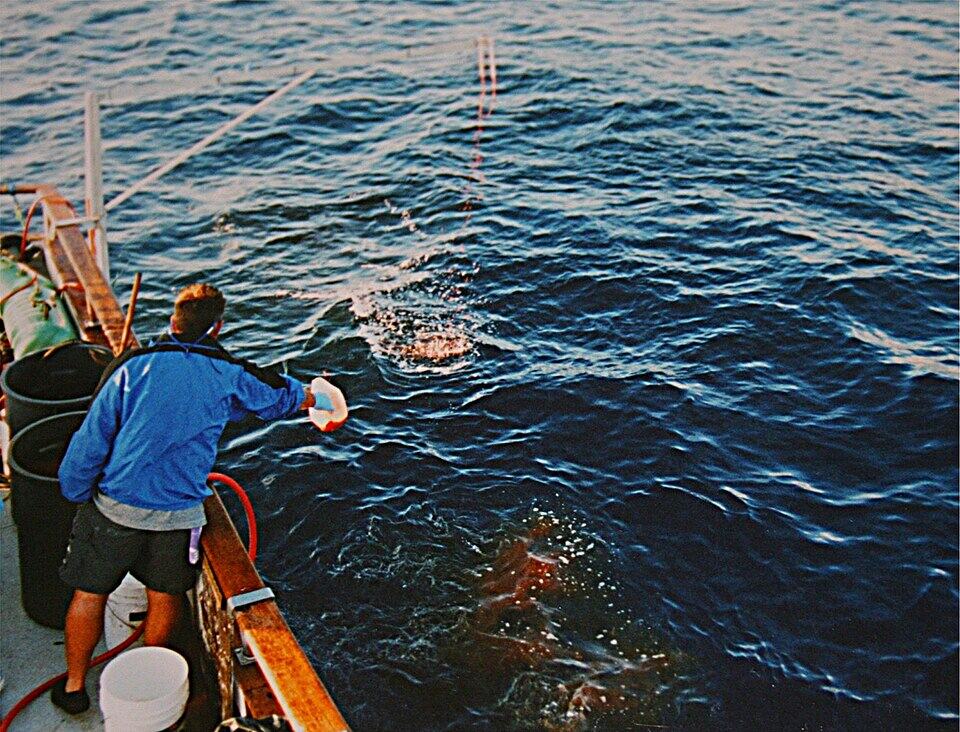
Several coastal regions worldwide have earned reputations as premier great white shark hotspots due to their optimal combination of environmental conditions and prey availability. South Africa’s False Bay and Mossel Bay attract significant seasonal populations due to their large Cape fur seal colonies and favorable water conditions. Australia’s Neptune Islands in South Australia and the coastal waters of New South Wales create another global hotspot, particularly during the southern hemisphere’s winter months. North America’s “Red Triangle” – the coastal region between Bodega Bay, the Farallon Islands, and Monterey Bay in California – hosts one of the densest great white populations globally due to its abundant elephant seal and sea lion colonies. Mexico’s Guadalupe Island emerges as another significant aggregation site, especially during fall months when visibility in its clear waters can exceed 100 feet, creating ideal hunting conditions. More recently, the waters off Cape Cod, Massachusetts have seen a dramatic increase in great white presence following the rebounding of the local gray seal population, transforming this Atlantic coastal region into an emerging hotspot. These global hotspots share common features: abundant pinnipeds, productive waters with appropriate temperatures, and topographical features conducive to hunting success.
Social Dynamics and Aggregation Sites

Contrary to their solitary reputation, recent research reveals that great white sharks demonstrate complex social behaviors that influence their coastal habitat preferences. Certain coastal locations function as social aggregation sites where multiple great whites gather not just for feeding, but potentially for socialization and mating. Scientists studying these aggregations have documented hierarchical behaviors, with dominant individuals claiming prime hunting territories while subordinate sharks maintain respectful distances. At Australia’s Neptune Islands and Mexico’s Guadalupe Island, researchers have observed consistent social groupings, suggesting that great whites may maintain recognition of specific individuals across multiple seasons. These social dynamics may explain why certain coastal waters maintain their popularity even when prey availability temporarily diminishes – these areas serve as established meeting grounds where sharks can exchange information, establish dominance hierarchies, and potentially find mates. The recent discovery of these social behaviors challenges the traditional view of great whites as purely solitary hunters and suggests that social factors may play a previously underestimated role in their habitat preferences.
The Impact of Coastal Topography

The underwater topography, or bathymetry, of coastal regions significantly influences great white shark habitat selection. These predators show a marked preference for areas with varied and complex seafloor features rather than uniform environments. Coastal regions featuring underwater canyons, seamounts, steep drop-offs, and pinnacles create dynamic hunting grounds that facilitate the sharks’ ambush predation strategy. The Farallon Islands off California exemplify this preference, where great whites utilize the steep underwater cliffs to launch surprise attacks on surfacing seals. Similarly, South Africa’s Seal Island provides a unique bathymetric setting where deep water surrounds a seal colony, creating ideal conditions for the famous breaching attacks. Great whites also favor coastal areas where submarine canyons channel nutrient-rich upwellings, boosting productivity throughout the food web. The continental shelf’s width and gradient also influence habitat suitability, with moderate shelf widths often preferred. These topographical preferences explain why certain coastal stretches consistently attract great whites while seemingly similar adjacent areas show minimal shark activity.
The Influence of Ocean Currents and Upwellings

Ocean currents and coastal upwelling phenomena play crucial roles in determining great white shark distribution patterns along coastlines. These oceanographic features create productivity hotspots that concentrate prey and establish favorable environmental conditions. Coastal areas characterized by strong upwellings—where deep, nutrient-rich waters rise to the surface—support robust food webs that ultimately sustain large predators like great whites. The California Current System along North America’s west coast exemplifies this relationship, where seasonal upwellings fuel productivity that supports the region’s renowned great white population. Similarly, the Benguela Current System off South Africa’s coast creates one of the world’s most productive marine ecosystems, attracting substantial great white aggregations. Beyond feeding opportunities, currents influence water temperature regimes and clarity—both critical factors for great white hunting success. Research shows that great whites often utilize current interfaces and thermal boundaries as hunting corridors, positioning themselves along these oceanographic edges to intercept prey moving between water masses. The strong correlation between productive current systems and great white abundance underscores how these oceanographic features fundamentally shape the predators’ coastal habitat preferences.
Human Impacts on Great White Habitat Selection
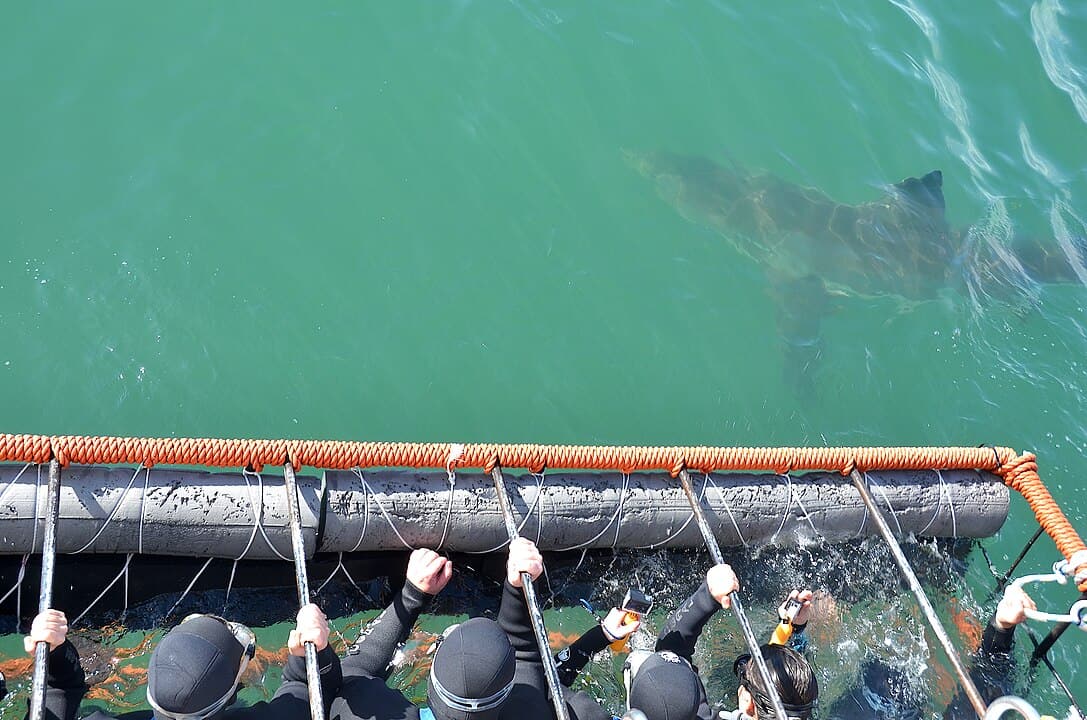
Human activities increasingly influence where great white sharks choose to spend their time in coastal waters. In some regions, fishing operations that discard bycatch or fish processing facilities releasing effluent create artificial feeding opportunities that can alter natural distribution patterns. Satellite tracking studies suggest that some great whites may follow commercial fishing vessels for extended periods. Conversely, intensive fishing pressure and shark control programs in other areas have demonstrably reduced great white presence, effectively creating avoidance zones. Marine tourism, particularly shark cage diving operations, remains controversial regarding its long-term effects on habitat use. While some research indicates minimal impacts, other studies suggest potential habituation and altered behavior in frequently exposed populations. Climate change represents perhaps the most significant human influence, as warming ocean temperatures shift the geographical range of both great whites and their prey. Historical great white hotspots along Australia’s southern coast have seen decreased shark presence as warming waters push prey species southward, while previously uncommon regions like Cape Cod have experienced dramatic increases in great white activity as warming permits range expansion. These human-induced changes highlight the dynamic nature of great white habitat preferences in the Anthropocene era.
Conservation Implications of Habitat Preferences

Understanding why great white sharks prefer specific coastal waters carries profound conservation implications for this vulnerable species. Their selective habitat use creates both challenges and opportunities for protection efforts. The predictable nature of great white aggregations allows for targeted conservation measures in critical habitats, but also concentrates risks from fishing pressure, habitat degradation, and human-shark conflicts. Marine Protected Areas (MPAs) strategically positioned around known aggregation sites have shown promising results, with South Africa’s Marine Protected Areas around Seal Island and Australia’s protections for the Neptune Islands demonstrating increased shark abundance within their boundaries. However, the migratory nature of great whites means that even sharks protected in these coastal hotspots remain vulnerable during their offshore journeys. Conservation scientists increasingly advocate for dynamic ocean management approaches that can adapt protection measures based on seasonal movements and changing oceanographic conditions. The identification of previously unknown coastal nursery areas has particularly significant conservation value, as protecting juvenile habitat is critical for population recovery. As climate change alters traditional coastal habitat suitability, conservation strategies must evolve to anticipate and accommodate shifting distribution patterns to ensure the long-term survival of this iconic apex predator.
Great white sharks’ preference for specific coastal waters represents a complex ecological balancing act shaped by millions of years of evolution. Their selective habitat use reflects sophisticated adaptations to maximize hunting success, reproductive opportunities, thermal comfort, and social interactions while minimizing energy expenditure and risk. The consistent return of these apex predators to particular coastal regions year after year underscores the critical importance of protecting these essential habitats from degradation and overexploitation. As ocean conditions continue to change under the influence of climate change and human activities, great white distribution patterns will likely shift, creating new challenges for both conservation efforts and coastal communities. Understanding the underpinnings of their habitat preferences provides valuable tools for predicting these changes and developing adaptive management strategies to ensure the continued existence of these magnificent predators. The future of great white sharks ultimately depends on our ability to preserve the special coastal environments they have selected as their preferred domains.

- This Fish Eats Coral and Poops Out Perfect White Sand - July 28, 2026
- The Most Unstoppable Ants Invading American Homes - July 28, 2026
- 15 Animals and Wildlife that Start with V - July 28, 2026