
Worried about unexpected vet bills?
Pet insurance can cover thousands in unexpected vet costs. Get a free quote from Lemonade in under 2 minutes.
Get My Free Quote →Sponsored · Opens Lemonade.com
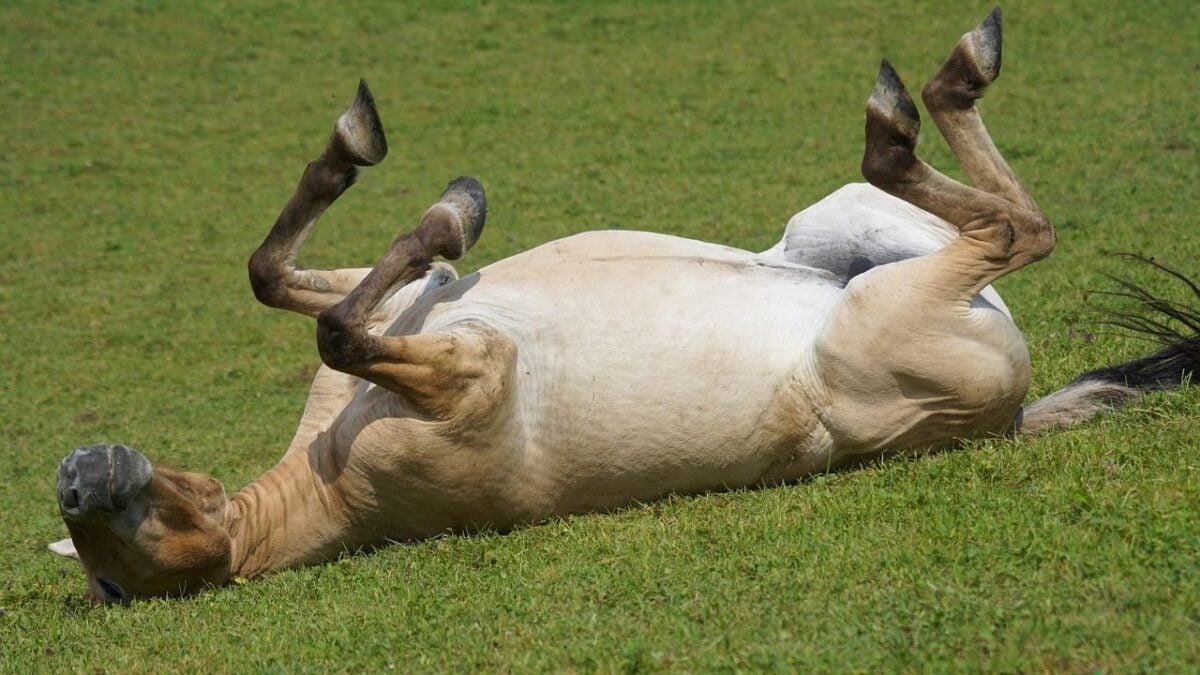
Picture this: you’ve just spent an hour grooming your horse to perfection, their coat gleaming like polished mahogany. You turn them out into the pasture and within minutes, they’re flat on their back, legs flailing in the air, coating themselves in a thick layer of dirt. Frustrating? Maybe. Natural? Absolutely.
Rolling is one of the most fascinating behaviors in the equine world, serving purposes far beyond what meets the eye. From ancient survival instincts to modern stress relief, this seemingly simple act reveals the complex inner workings of horse psychology and physiology. Let’s explore the surprising reasons behind this captivating behavior.
The Ultimate Itch Relief
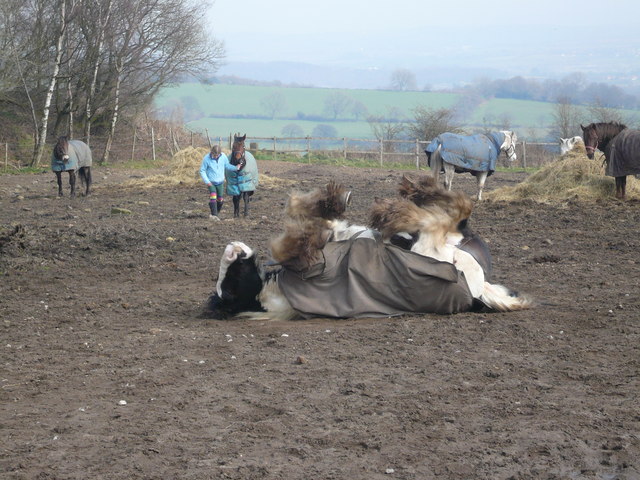
Think about that spot between your shoulder blades you just can’t quite reach. Now imagine having that itch but no hands to scratch it with. Horses get itchy just like us, but without hands to scratch those hard-to-reach places, rolling is their go-to solution.
Rolling relieves irritation caused by drying sweat as the dust or mud has a cooling and drying effect, wallowing in the dirt to scratch itches they otherwise could not reach. The friction created against the ground provides the perfect massage for those impossible spots along their spine, sides, and neck. It’s basically their version of a back scratcher, except they become the brush and the ground becomes their helping hand.
Natural Air Conditioning and Bug Protection
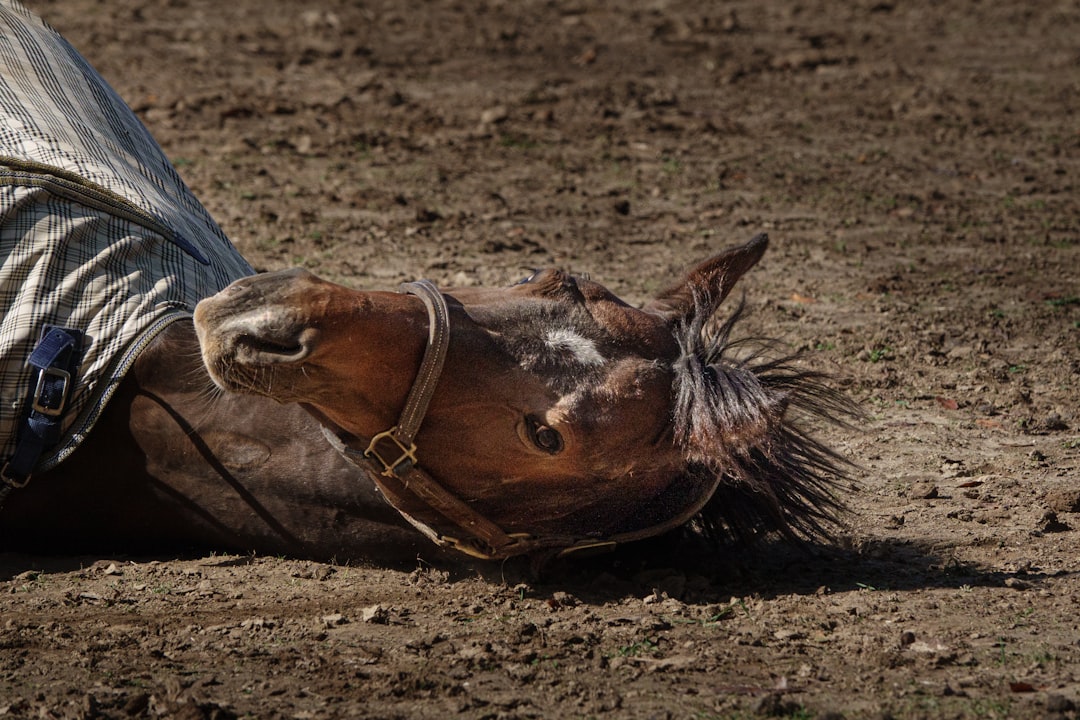
During sweltering summer days, horses have discovered their own ingenious cooling system. Rolling is like a horse’s version of applying sunscreen and bug repellent, creating a protective layer on their skin that keeps away annoying bugs and shields them from harsh sun.
A good roll in the dirt coats horses with dust or mud to create a barrier, making it harder for pesky flies to bother them and helping get pests off their back. This mud coating works like nature’s insect repellent, forming a protective shield that makes it difficult for flies, mosquitoes, and other biting insects to penetrate. Rolling in mud on a hot day can have a cooling effect, essentially turning them into walking air conditioners.
Seasonal Coat Maintenance
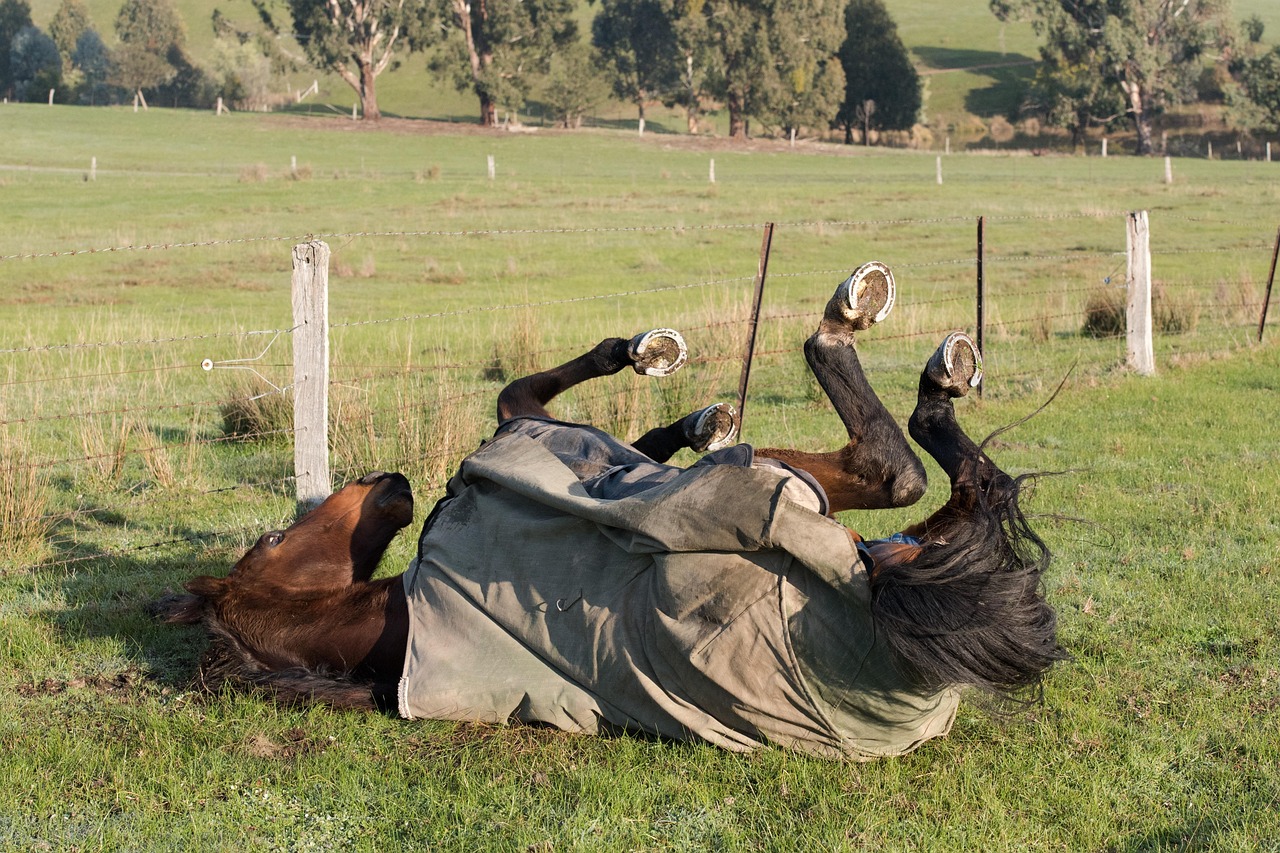
Springtime brings one of nature’s most dramatic transformations for horses. Springtime triggers horses to shed their heavy winter coats, and that loose, dead hair can be itchy, with rolling relieving the scratchiness while friction from rubbing speeds up the shedding process.
The horse’s hair coat is certainly changed when a horse rolls, most obvious in springtime when the horse uses rolling to relieve itself of winter coat and aid shedding, with the amount of winter coat left being testament to this practice’s effectiveness. It’s like having a personal grooming session with Mother Earth herself. The ground acts as a natural brush, helping remove dead hair and skin that would otherwise cause discomfort.
Stress Relief and Muscle Relaxation
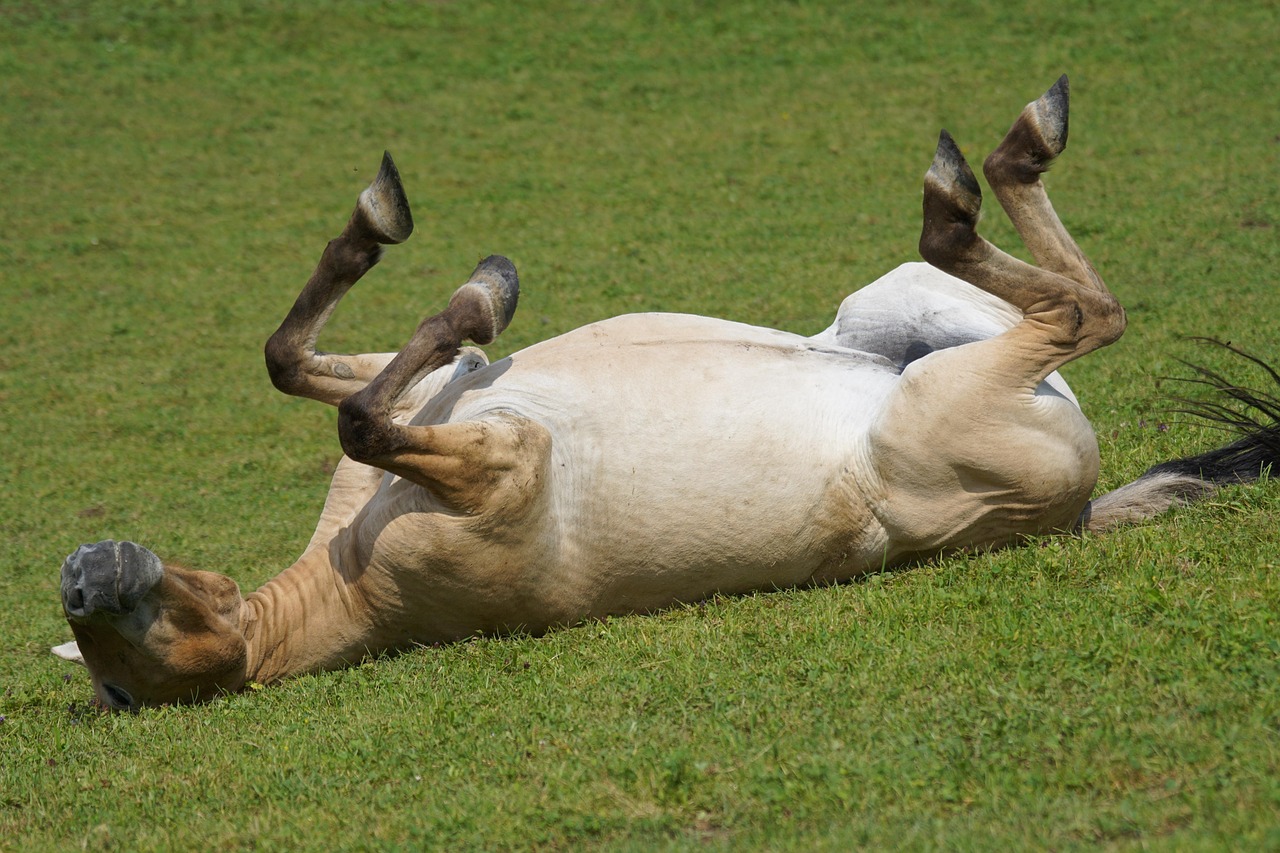
Rolling isn’t just physical maintenance – it’s emotional therapy too. Rolling is one way horses relax, and having a good roll and shake afterward can help activate the parasympathetic nervous system, taking the body from ‘fight-or-flight’ to a state of ‘rest and digest’.
Rolling helps relax the superficial layer of fascia, release restrictions, and increase circulation throughout the body. Rolling plays an important role in the health of a horse’s spine and musculoskeletal system, easing stiffness and maintaining flexibility and alignment, allowing the horse to favorably affect muscles of its body and spine in a manner unavailable in a standing position. Think of it as their version of yoga combined with a deep tissue massage.
Social Communication and Herd Dynamics
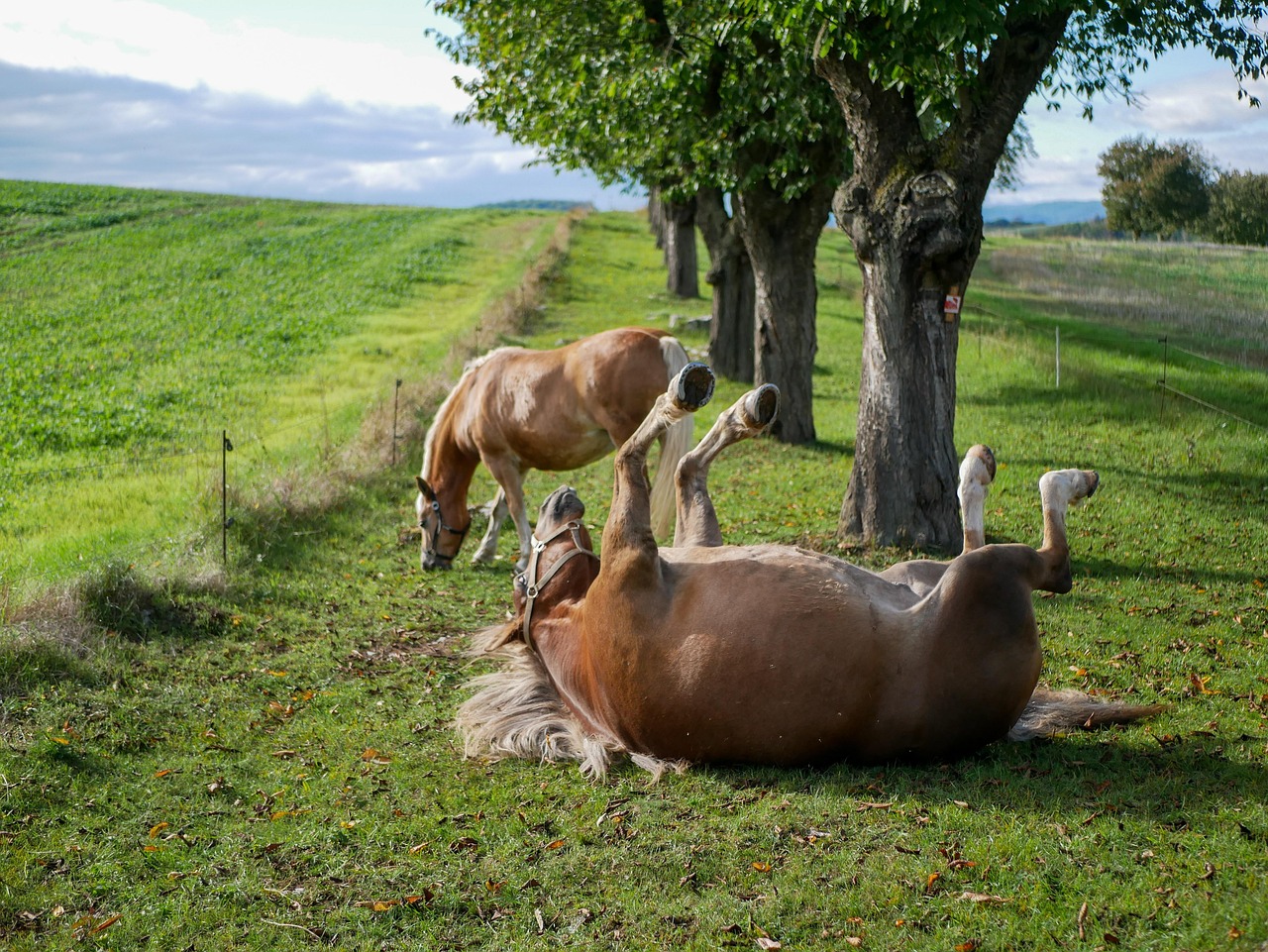
Rolling in horse communities is surprisingly social. Horses exhibit rolling behavior as part of their social dynamics, rolling to mark their territory with their scent and demonstrate their status within the group. Rolling seems to be a social behavior among herds with many having a preferred spot designated for this activity, and much like contagious yawning, when one horse starts to roll, others often follow suit.
Observing horses rolling can provide insights into herd hierarchy, with dominant horses often rolling first, and only when they move away do lower-ranking horses take their turn, as a natural way to express social standing and communicate within the herd. It’s fascinating how something that looks like pure fun actually serves as a complex form of horse conversation.
The Contagious Joy Factor
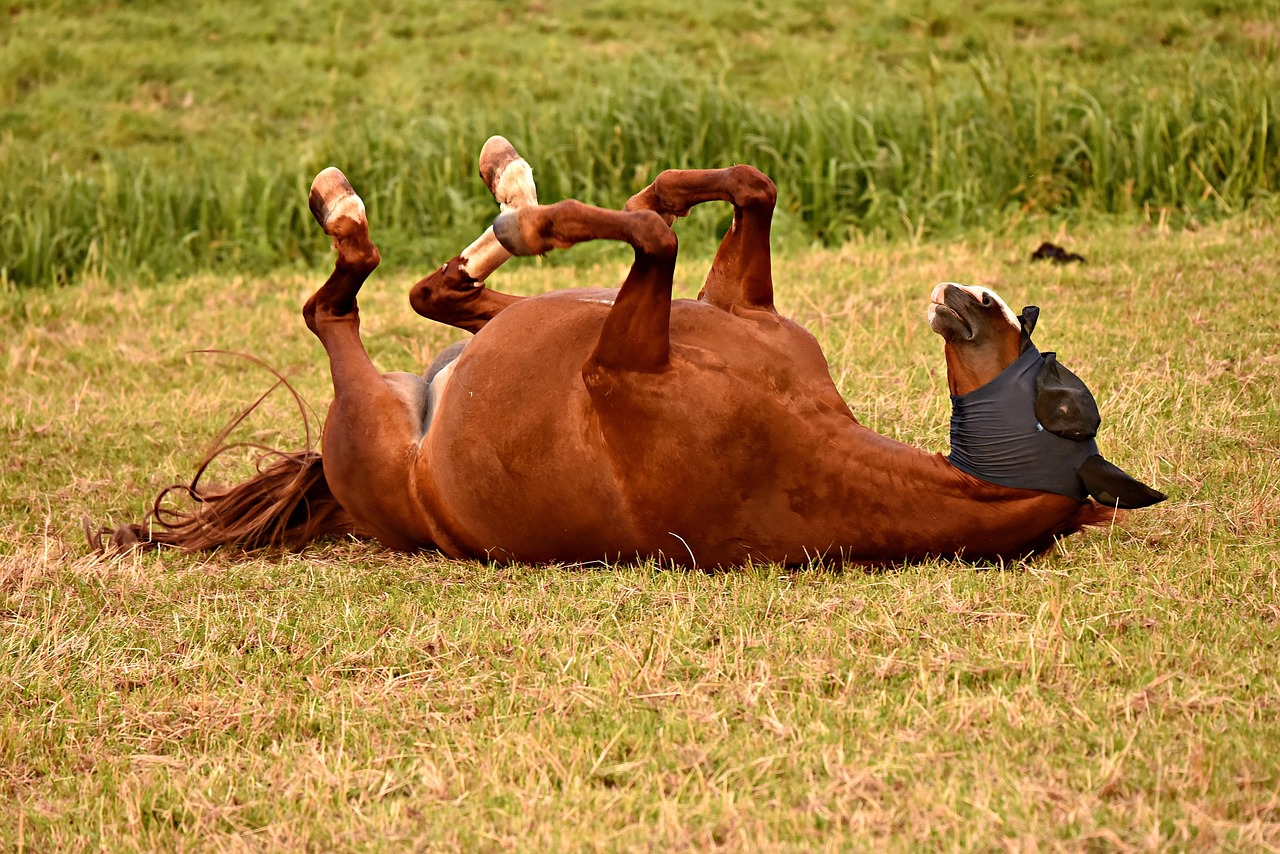
Ever notice how one horse rolling seems to trigger a rolling epidemic? Similar to when a person yawns, rolling is evidently contagious, and you can often see more than one horse roll in sequence. Rolling can seem “contagious” among horses, but it’s not like spreading a disease – it’s more about their social behavior and mimicry, with when one horse rolls, others in the herd doing the same.
They might roll together as a way to bond or take turns rolling while others watch out for danger, following an instinct from their wild ancestors. This behavior shows how deeply connected horses are to their herd mentality, even in domestic settings. Sometimes, horses like to roll simply because a buddy is rolling – why should everyone else have all the fun?
When Rolling Becomes a Red Flag
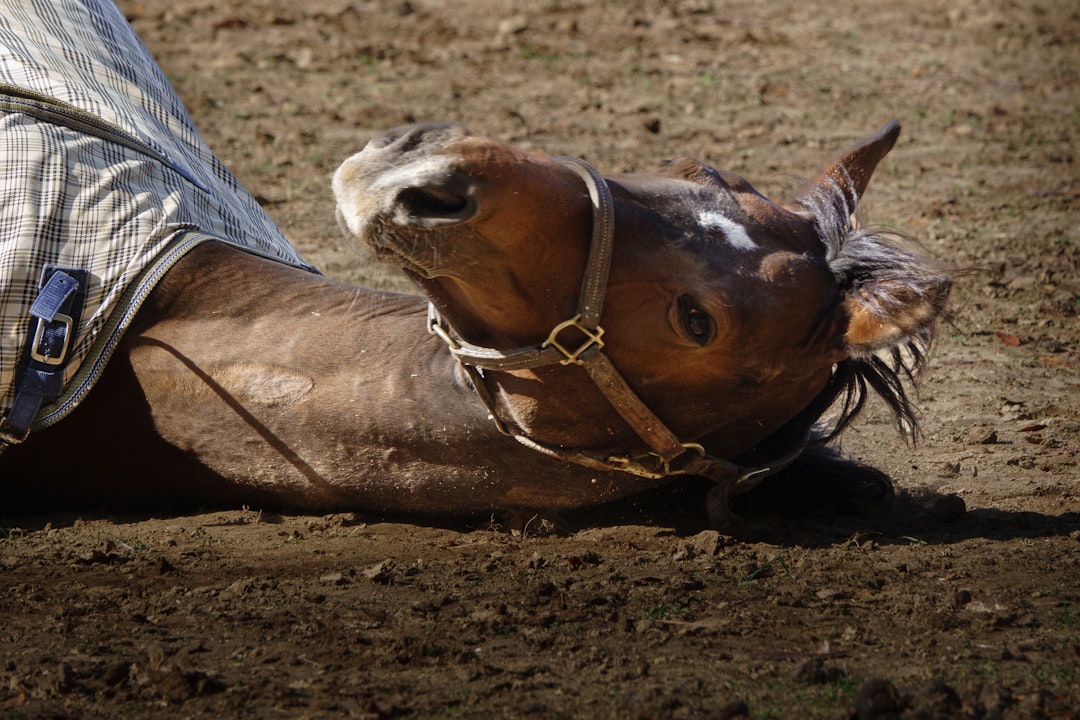
While rolling is usually delightful to witness, sometimes it signals serious trouble. Horses with colic pain will drop to the ground and roll, sometimes dramatically so, with the quality of roll being noticeably different from that of a healthy horse, showing multiple episodes of frantic rolling with no invigorating shake afterward.
A sick horse may be sweating, pacing, looking anxiously at its sides, often getting up and down, whereas a happy one will look bright and relaxed and after rolling is likely to either play or graze. Horses that are rolling for abnormal reasons will appear to be in distress, may exhibit other signs of discomfort, and will likely not achieve a sense of relief through their rolling. The key difference lies in the aftermath – healthy horses shake off and move on, while distressed horses remain agitated and uncomfortable.
Conclusion
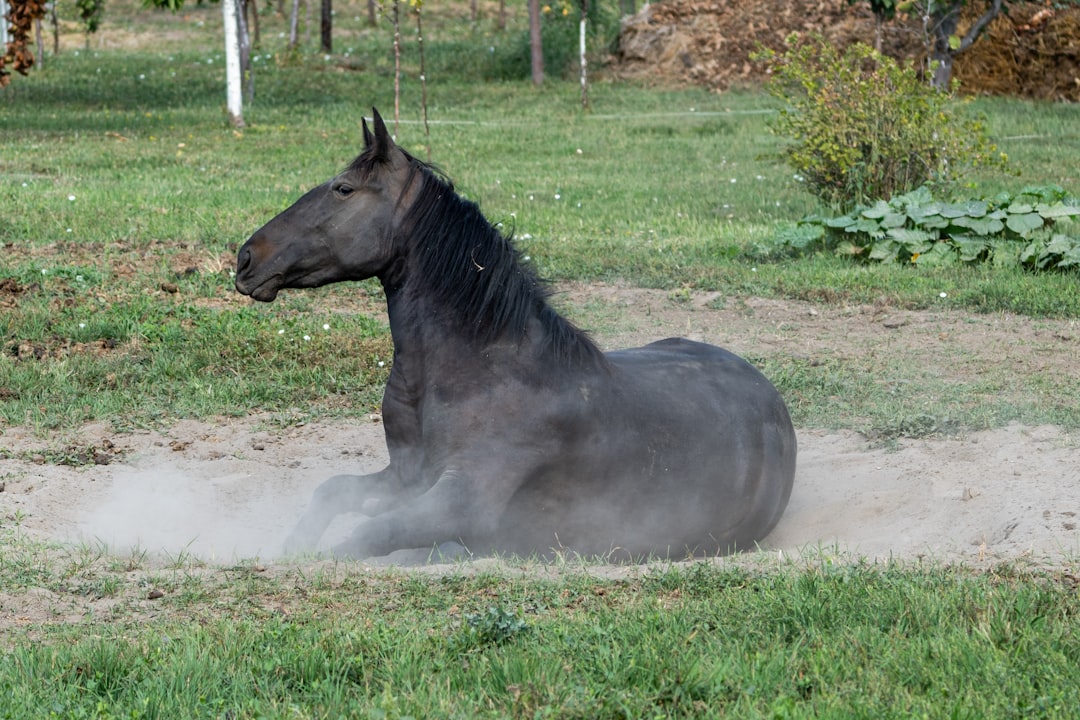
Rolling reveals horses as the remarkably intelligent, social, and self-caring creatures they truly are. From practical pest control to emotional regulation, from social communication to physical therapy, this seemingly simple behavior encompasses a sophisticated range of purposes that speak to millions of years of evolutionary wisdom.
The next time you see your freshly bathed horse making a beeline for their favorite dirt patch, remember that they’re not trying to spite your grooming efforts. They’re engaging in a complex, instinctual behavior that serves their physical and emotional well-being in ways we’re only beginning to understand. What other “simple” animal behaviors might be hiding such fascinating complexity?
Worried about unexpected vet bills?
Pet insurance can cover thousands in unexpected vet costs. Get a free quote from Lemonade in under 2 minutes.
Get My Free Quote →Sponsored · Opens Lemonade.com
