
The Power of Spatial Memory
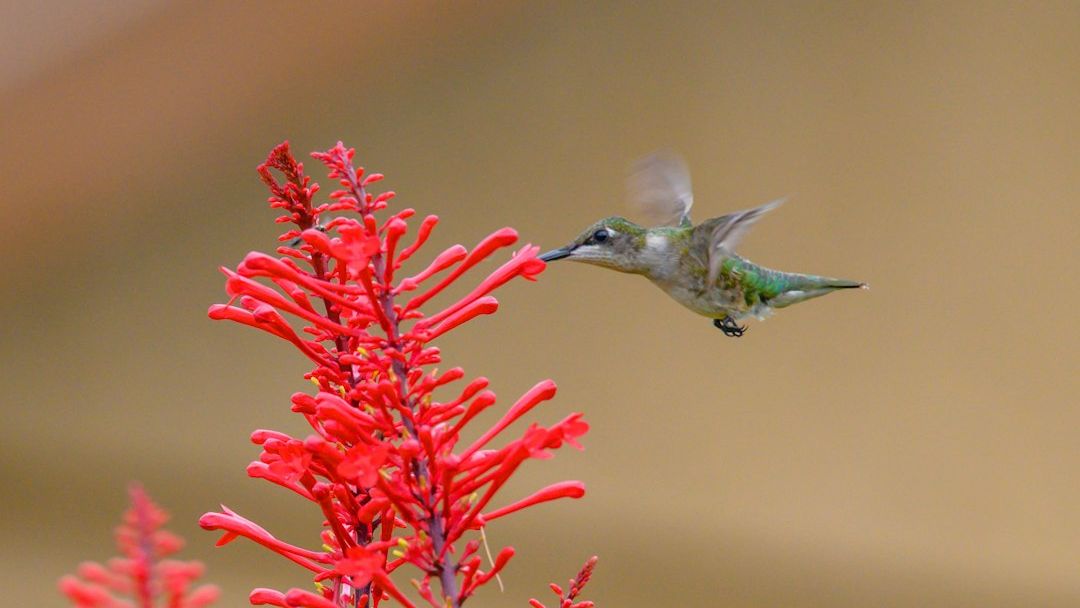
Hummingbirds possess an impressive ability to recall precise locations. Banding studies reveal that many individuals revisit the same sites season after season, sometimes arriving within days of their previous visits. This memory helps them navigate back to proven resources without wasting energy on exploration.
Their brains, though small, store detailed maps of flowers and feeders. Young birds often return to the general area where they hatched, building on the experiences of their first summer. Such recall turns a vast landscape into a familiar network of stops.
Reliable Food Sources Drive Loyalty
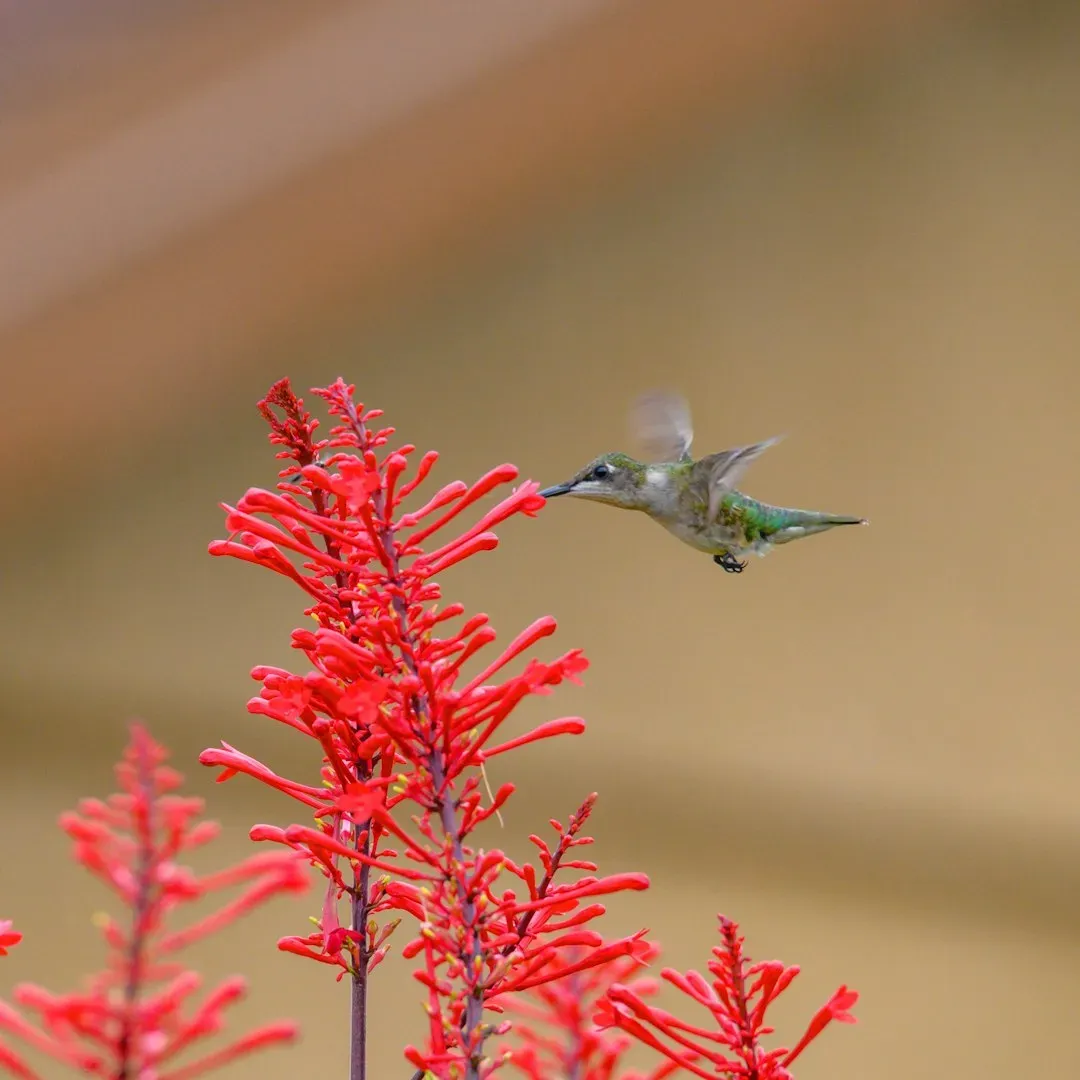
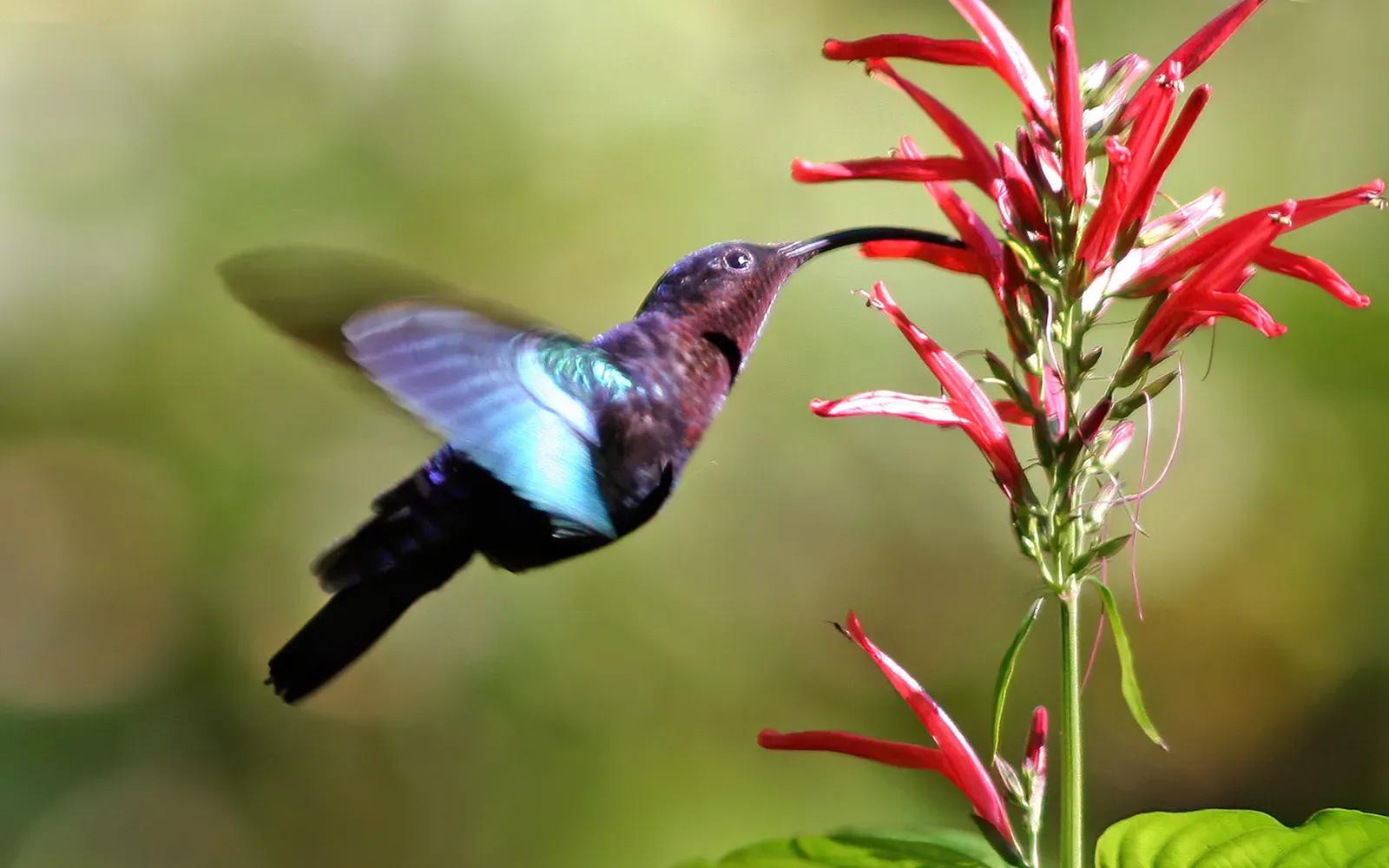
Consistent nectar availability plays a central role in these repeated visits. Once a hummingbird discovers a steady supply, it marks the spot for future trips. Natural blooms or well maintained feeders become anchors on their annual circuit.
They sample flowers methodically and remember which ones yielded results. This efficiency matters during migration when every calorie counts. A dependable patch reduces the risk of starvation on long flights.
Territorial Instincts at Play
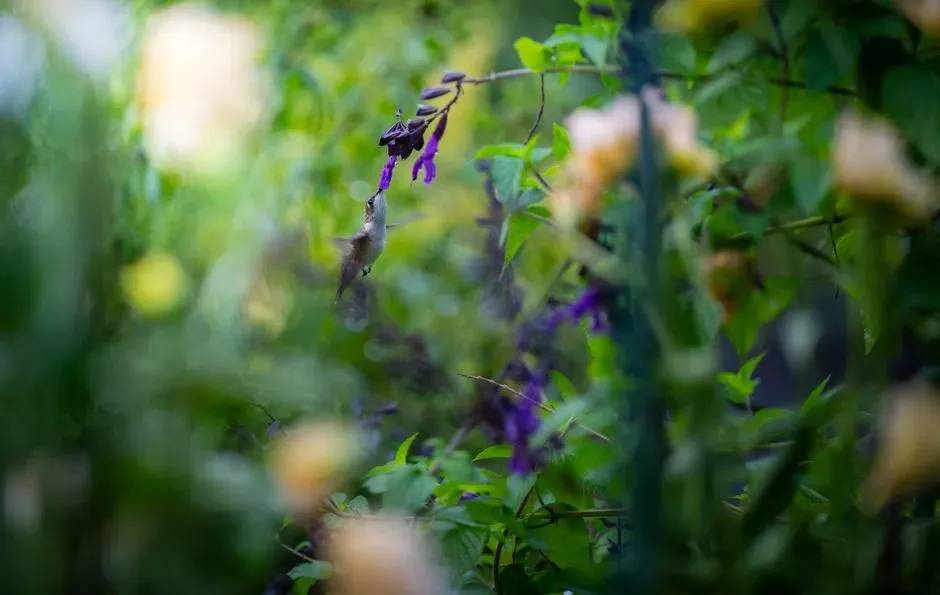
Males in particular defend chosen areas with fierce determination. They return to the same territories to secure prime feeding and display spots. This behavior ensures they can chase off rivals and attract mates upon arrival.
Females show similar attachment to nesting zones. They may reuse or rebuild near previous sites where conditions proved safe. Territorial loyalty helps both sexes maximize their limited time in breeding grounds.
Nesting Site Preferences
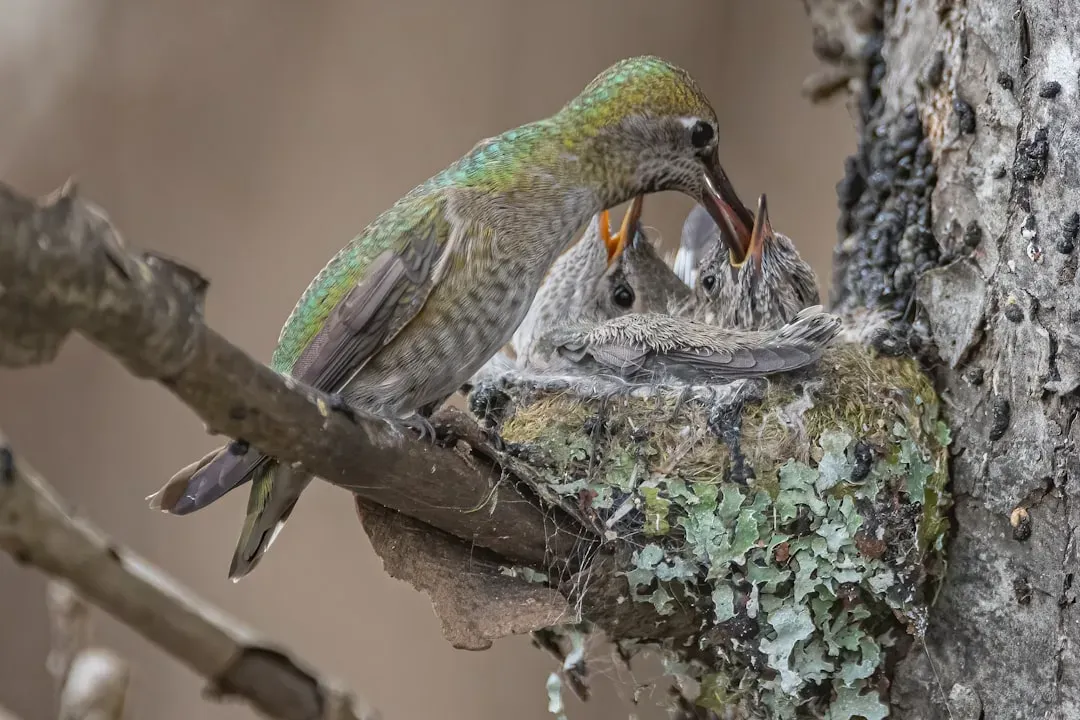
Many hummingbirds favor the same trees or shrubs for raising young. These locations offer the right mix of cover and nearby food. Returning to familiar spots saves time that would otherwise go into scouting new ones.
Some females even repair old nests rather than starting fresh. This reuse reflects confidence in the microclimate and predator avoidance of that exact branch. Over years the pattern strengthens through successful breeding outcomes.
Timing and Migration Routes
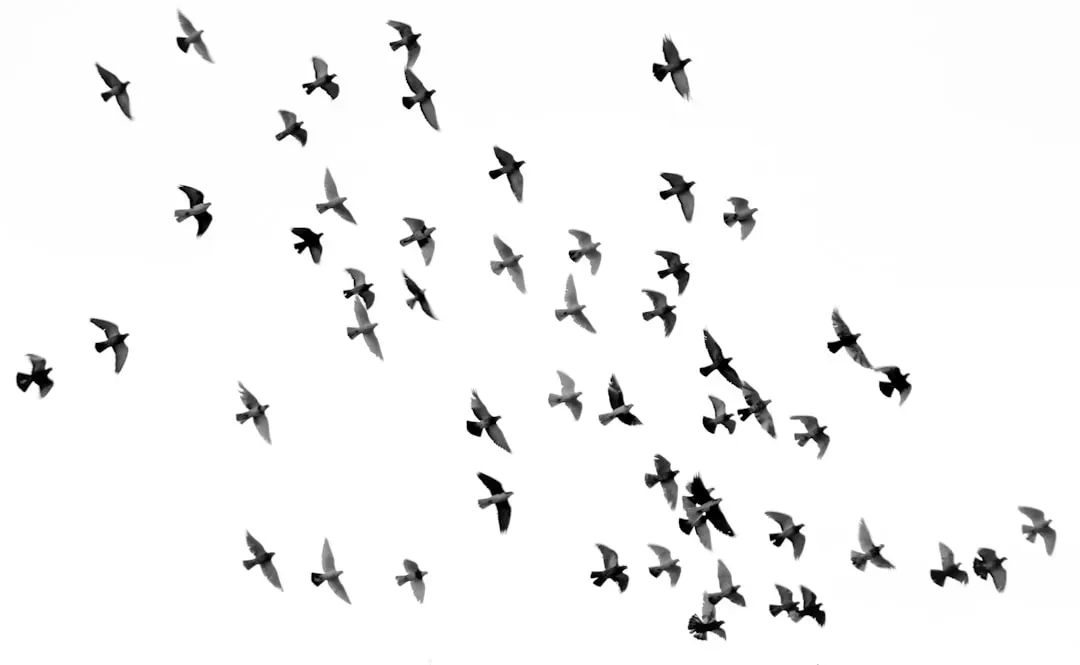
Arrival dates often align closely from one year to the next. Birds follow established pathways that connect breeding areas with winter ranges. Internal clocks and environmental signals guide this remarkable punctuality.
Stopover points along the route receive the same attention. A favored feeder in a mountain meadow or coastal garden becomes part of the schedule. Consistency in timing supports energy management across continents.
The Influence of Human Provided Feeders
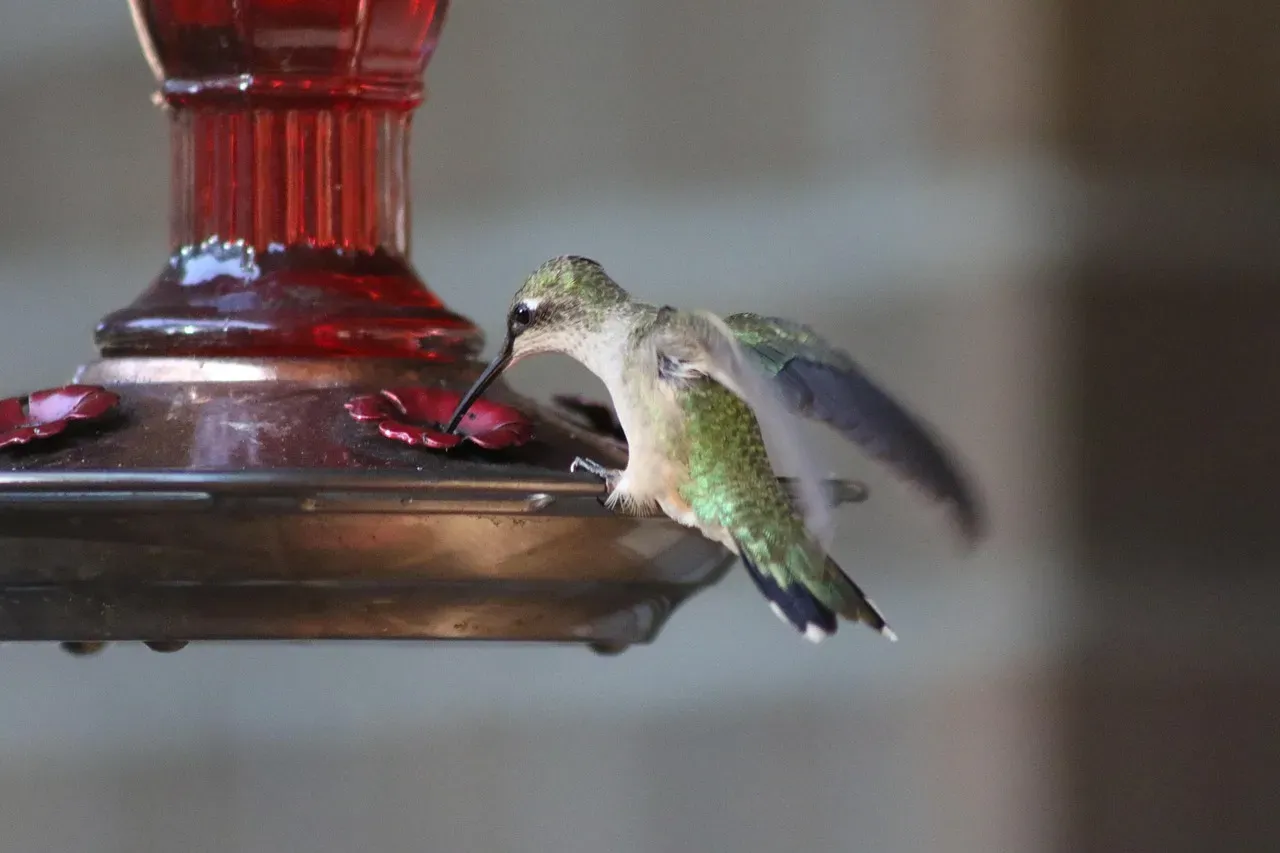
Backyard feeders extend the appeal of certain locations. Clean, fresh nectar offered at the right season encourages repeat visits. Many observers note the same individuals appearing year after year at their stations.
Placement matters as much as the food itself. Birds remember the height, color, and position of successful feeders. Thoughtful maintenance turns a garden into a reliable waypoint on their travels.
Reflections on These Remarkable Returns
Witnessing such precise loyalty invites a quiet respect for the natural world. These tiny travelers remind us that even the smallest creatures carry sophisticated knowledge shaped by survival needs. Their patterns highlight how memory and instinct intertwine across vast distances.
Supporting their habits through consistent care and habitat protection feels like a small but meaningful exchange. In return we gain fleeting glimpses of brilliance that brighten ordinary days. The cycle continues, season after season, as long as the spots remain welcoming.

- 10 Remarkable Facts About the African Cheetah: The Lightning of the Grasslands - July 29, 2026
- 10 Most Heroic Horses in History - July 29, 2026
- Why You Should Never Play Dead When Attacked by a Black Bear - July 29, 2026