Why Mourning Doves Keep Visiting the Same Backyard Every Day-feature image/Pexels
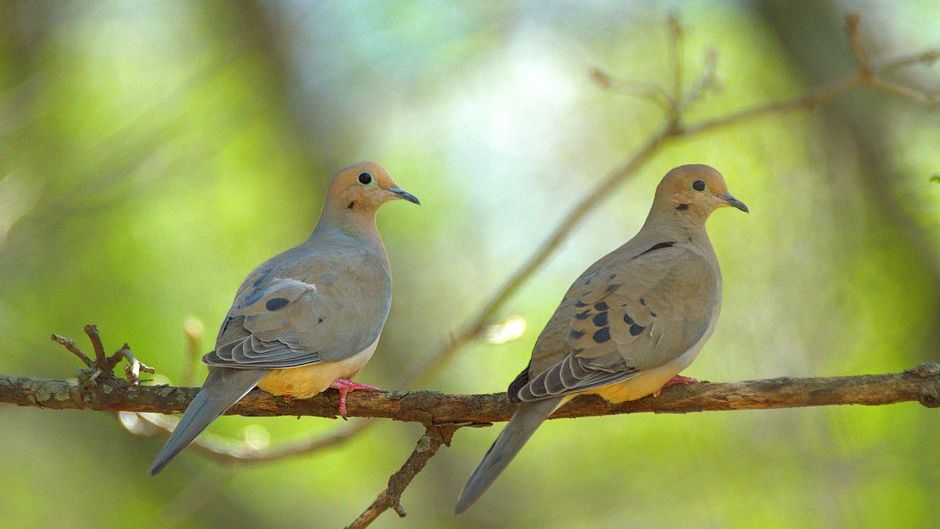
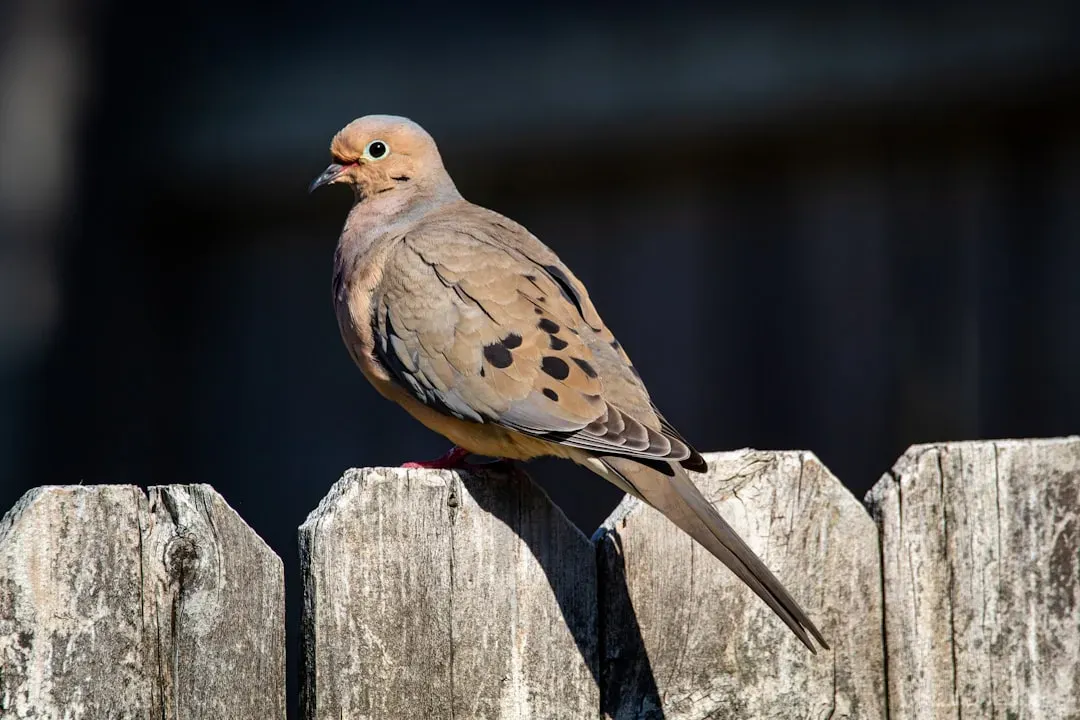
Have you ever noticed a pair of mourning doves returning to your backyard day after day, their soft cooing becoming a familiar part of your daily routine? These gentle visitors are more than just passing guests; their repeated appearances are deeply rooted in their behaviors and needs. Let’s explore the reasons behind their consistent visits and how you can make your backyard a haven for these charming birds.
Abundant Food Sources
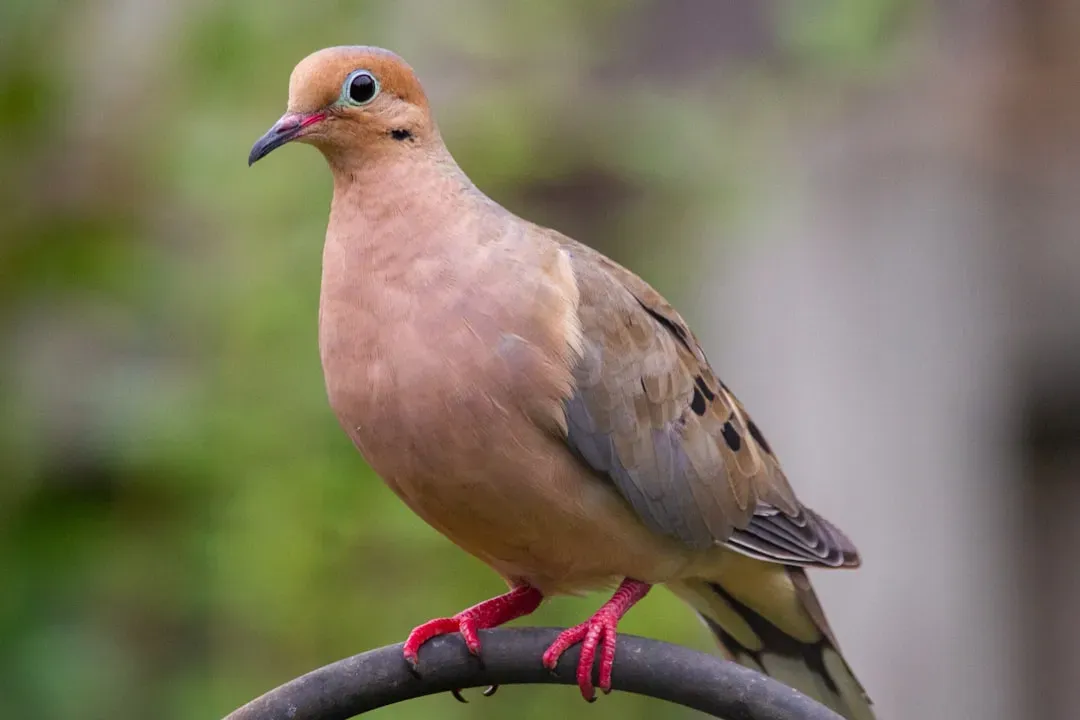
Abundant Food Sources (Image Credits: Unsplash)
Mourning doves primarily feed on seeds, making backyards with accessible food sources particularly attractive. They favor seeds from grasses, weeds, and cultivated grains. If your yard offers a steady supply of these seeds, it’s likely to become a regular feeding ground for them.
To encourage their visits, consider providing a ground-level platform feeder stocked with millet, cracked corn, or sunflower seeds. These offerings align with their natural diet and can make your backyard a preferred dining spot. Remember, doves prefer feeding on flat surfaces and are less inclined to perch on traditional hanging feeders.
Ideal Nesting Sites
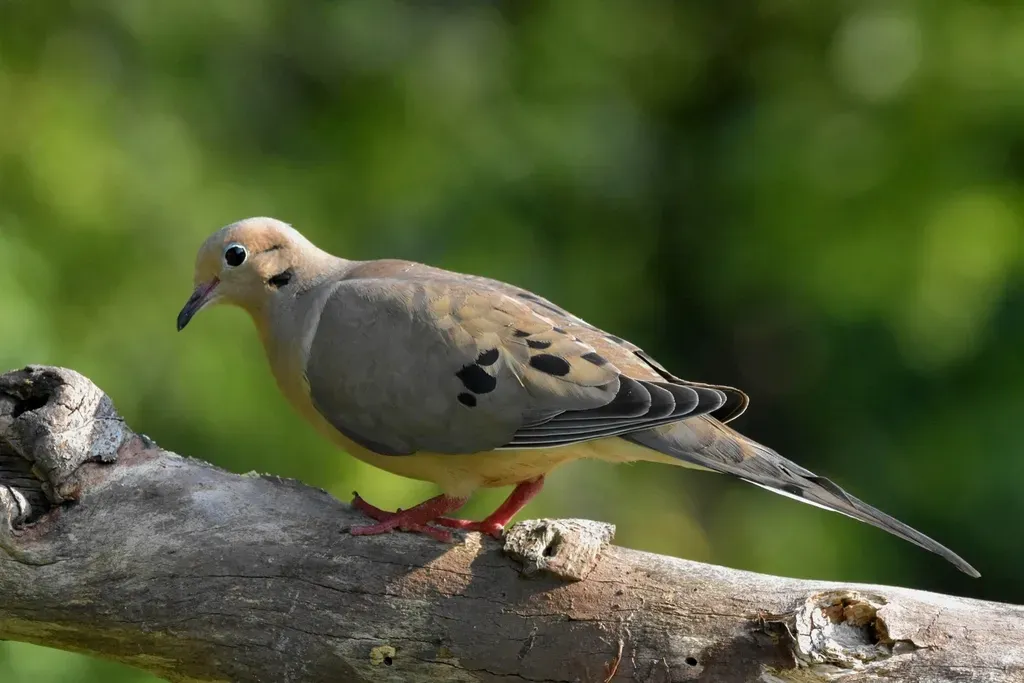
Ideal Nesting Sites (Image Credits: Pexels)
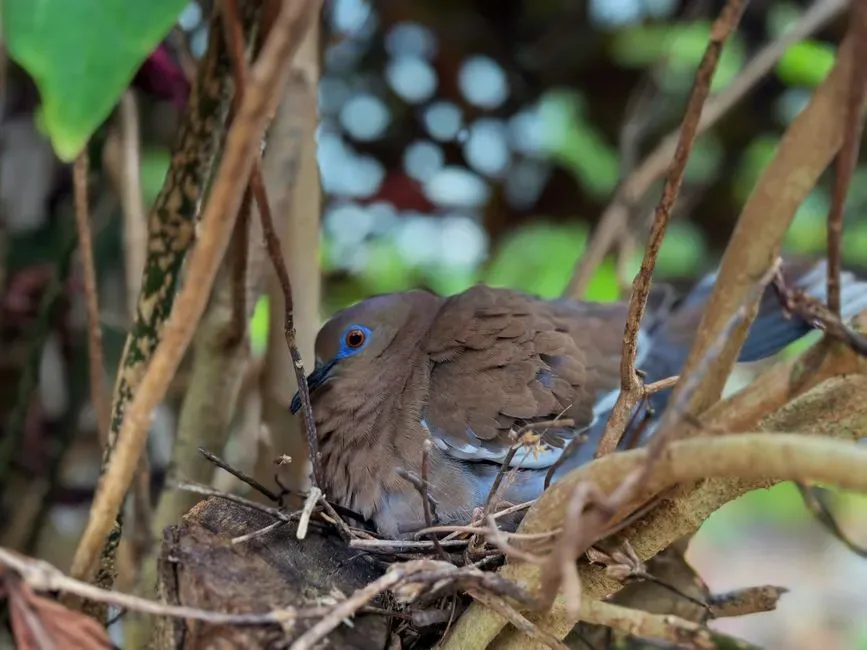
Mourning doves are known for their adaptability in choosing nesting sites. They often select locations that offer both safety and proximity to food. Your backyard might provide the perfect environment for them to raise their young.
They typically build their nests in trees, shrubs, or even on man-made structures like eaves and gutters. The presence of dense foliage or evergreen trees can be particularly inviting. By maintaining a variety of trees and shrubs, you can create an appealing habitat that meets their nesting preferences.
Consistent Water Availability
Consistent Water Availability (Image Credits: Pexels)
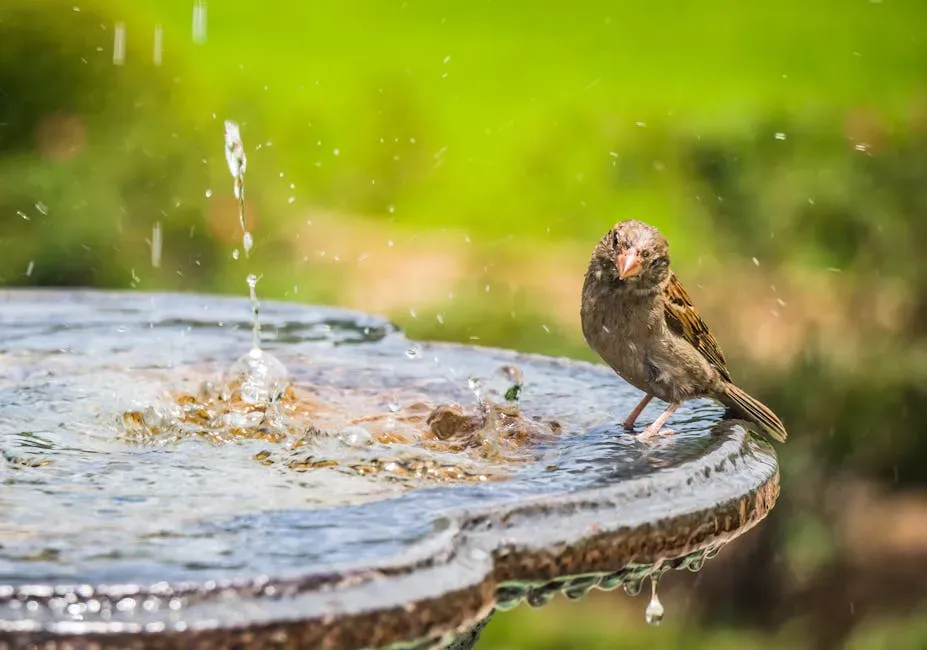
Like all birds, mourning doves require a reliable water source for drinking and bathing. A backyard that offers clean, accessible water can become a daily destination for them.
Installing a birdbath or shallow water feature can attract doves and other bird species. Ensure the water is refreshed regularly to maintain cleanliness and prevent the spread of disease. Placing the water source near trees or shrubs provides them with quick access to cover if they sense danger.
Safe Roosting Areas
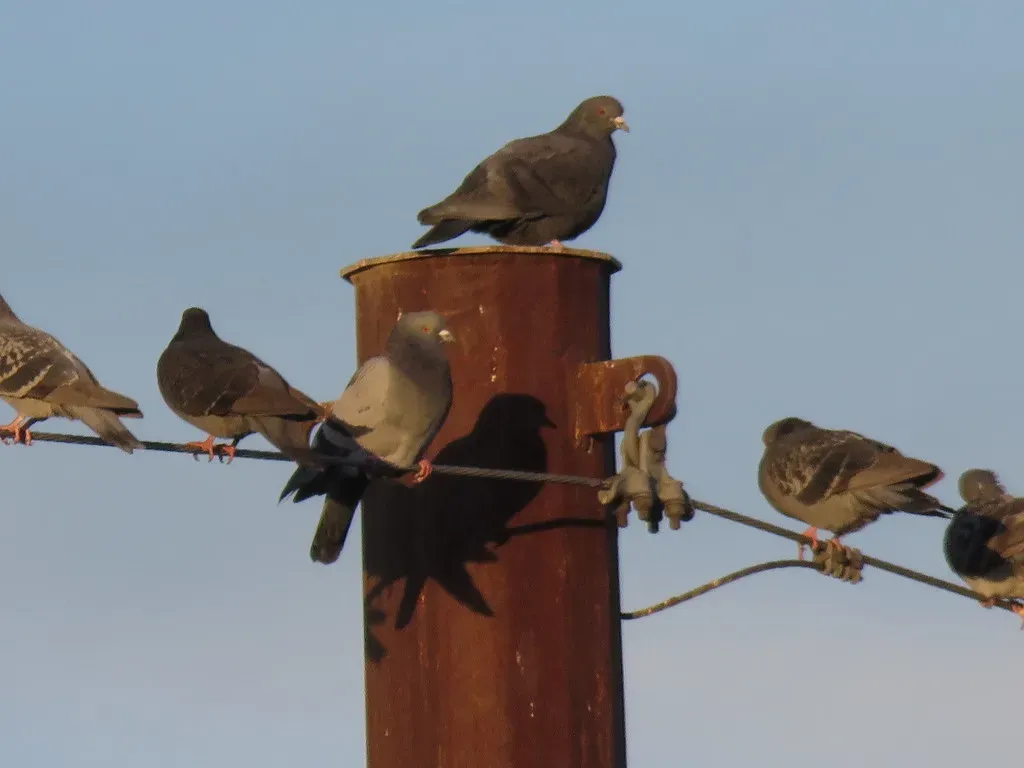
Safe Roosting Areas (Chic Bee, Flickr, CC BY 2.0)
Safety is paramount for mourning doves, especially during rest periods. They seek out areas that offer protection from predators and harsh weather conditions.
Dense trees, shrubs, or even tall grasses can serve as excellent roosting spots. By cultivating a diverse landscape with varying plant heights and densities, you provide them with multiple options to feel secure. Avoid excessive pruning during breeding seasons to ensure they have ample cover.
Minimal Human Disturbance
Minimal Human Disturbance (Image Credits: Unsplash)
While mourning doves can be quite tolerant of human presence, they still prefer environments where disturbances are minimal. A peaceful backyard can encourage them to return regularly.
Limit loud noises and sudden movements near their preferred areas. If you have pets, consider keeping them indoors or supervised when doves are present. Creating a tranquil environment not only benefits the doves but also enhances your own experience of observing them.
Territorial Behavior
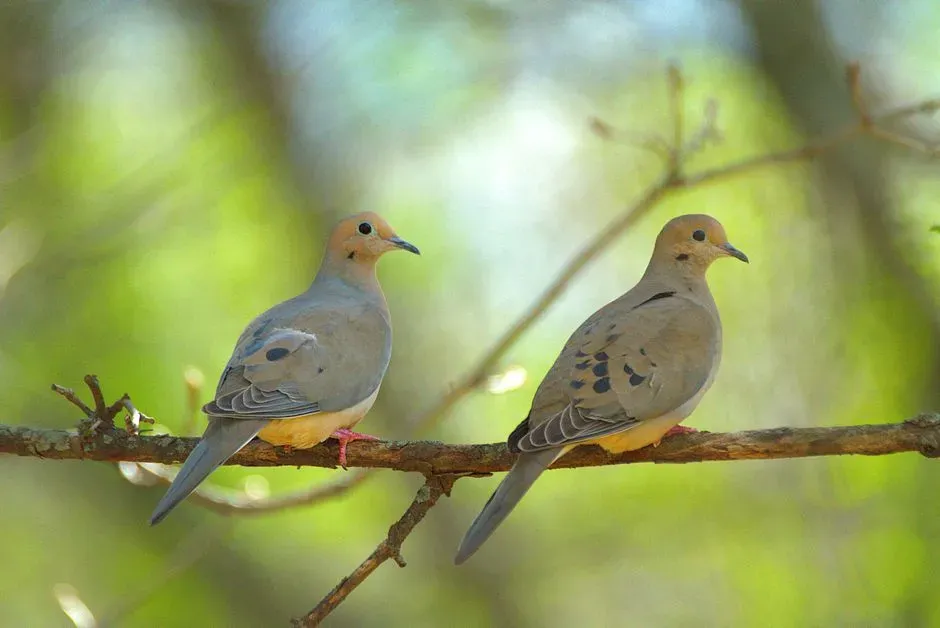
Territorial Behavior (Image Credits: Pexels)
Mourning doves exhibit a degree of territoriality, especially during breeding seasons. Once they establish a territory that meets their needs, they are likely to defend it and return to it consistently.
This behavior means that if your backyard offers the right combination of food, water, and shelter, a pair of doves may claim it as their own. Observing their interactions can provide insights into their social structures and behaviors.
Seasonal Migration Patterns
Seasonal Migration Patterns (Image Credits: Rawpixel)
Depending on your geographic location, the presence of mourning doves in your backyard can be influenced by their migratory habits. In some regions, they are year-round residents, while in others, they may be seasonal visitors.
Understanding their migration patterns can help you anticipate their visits. Providing resources during their migration periods can offer them much-needed respite and increase the likelihood of return visits.
In conclusion, the repeated visits of mourning doves to your backyard are a testament to the environment you’ve cultivated. By offering food, water, shelter, and safety, you’ve created a sanctuary that meets their essential needs. Embracing their presence not only enriches your outdoor space but also fosters a deeper connection with the natural world. Isn’t it remarkable how a few thoughtful choices can transform your backyard into a haven for wildlife?
Did you find this helpful? Share it with a friend who’d love it too!
Gargi is an MA in History and a B.Ed graduate from India, with a deep passion for animals and wildlife awareness. As an article writer and editor at Animals Around The Globe, she combines her love for storytelling with her dedication to educating readers about animals, conservation, and responsible pet care. A devoted dog lover, Gargi enjoys creating engaging and informative content that inspires compassion and awareness toward the natural world.