

Owls, long regarded as symbols of wisdom and mystery, have recently been spotted inhabiting urban skyscrapers. These enigmatic birds, typically associated with quiet, rural landscapes, are becoming familiar faces in concrete jungles. This surprising shift raises questions about what draws them to such environments and what it means for the future of urban wildlife.
The Allure of Tall Structures

Towering skyscrapers offer owls a unique vantage point reminiscent of their natural tree habitats. With clear, expansive views, these structures allow owls to spot prey and roost safely from potential ground-based predators. Additionally, the artificial lighting in cities may attract insects, which in turn draw small mammals that owls hunt.
Changes in Urban Ecosystems

Urban areas are evolving ecosystems, increasingly supporting a diverse range of wildlife. As cities expand and adapt, so too do the animals within them. The presence of owls may indicate a growing adaptability and integration into these human-dominated environments.
The Impact of Habitat Loss

Deforestation and habitat destruction force many owl species to seek new territories. With natural habitats dwindling, urban areas provide alternative living spaces, albeit far from their traditional domains. These changes compel owls to adapt to survive in uncharted environments.
Nesting Opportunities in the City
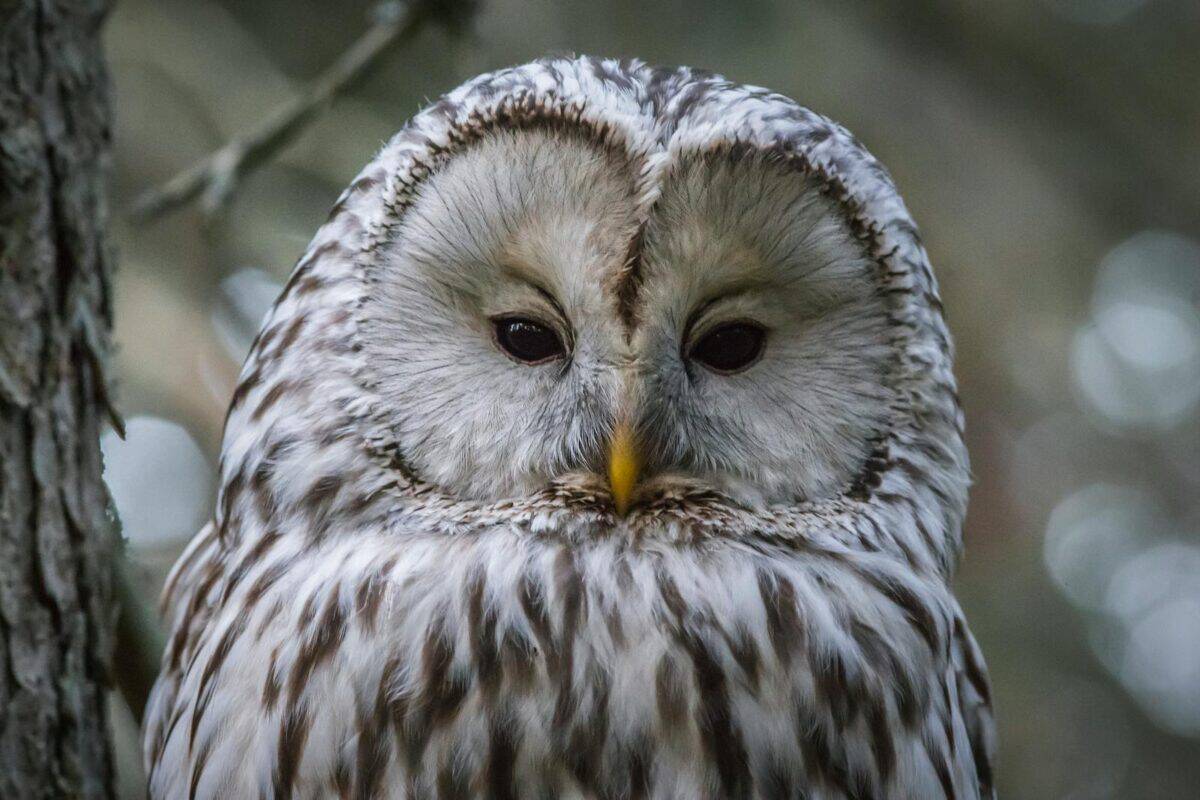
Many skyscrapers offer suitable nesting sites similar to natural cliff faces or old trees. Cavities, ledges, and crevices provide safe havens for nesting owls, allowing them a secure spot to raise their young away from many predators.
An Abundance of Prey

Cities are teeming with food sources. Rodents, pigeons, and other small urban wildlife are abundant, providing owls with ample hunting opportunities. The buffet of prey available in cities is an attractive proposition for these nocturnal hunters.
Light Pollution and Hunting Habits

Urban areas are often illuminated around the clock. While light pollution can disrupt many natural processes, it potentially enhances an owl’s hunting capability, making nocturnal prey more visible in an otherwise dark environment.
Adapting to Noise Pollution

Owls possess acute hearing, an asset in both natural and urban settings. Despite the noise pollution that cities generate, owls have demonstrated an impressive ability to adapt, focusing their hearing to filter out background noise while honing in on crucial sounds like prey movement.
Interactions with Humans

Owls have historically held significance in human culture, often observed with intrigue and fascination. As they occupy urban spaces, they foster a greater appreciation and awareness among city dwellers about avian lives and their roles within urban ecosystems.
Potential Risks and Challenges
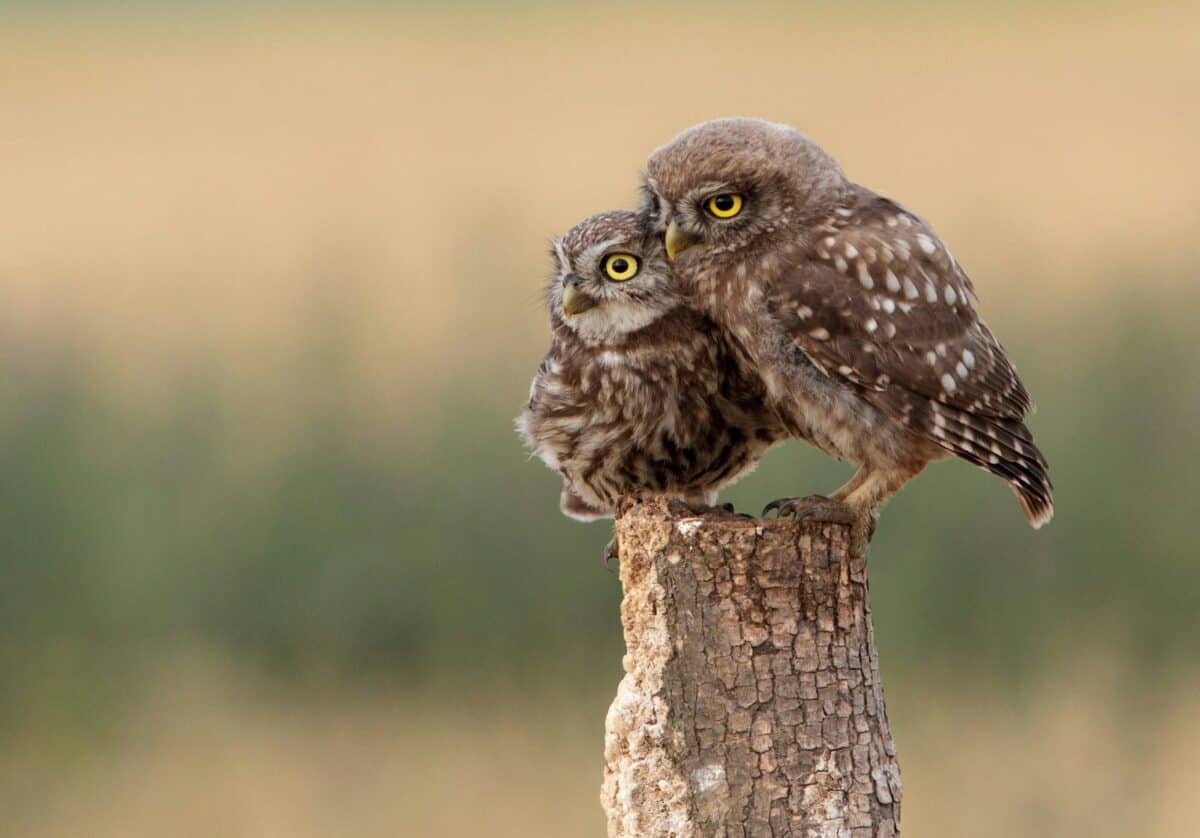
While cities present opportunities, they also pose risks such as collisions with glass facades, ingestion of poisoned rodents, and exposure to pollutants. Owls, like other urban wildlife, face a delicate balance between thriving and surviving in urban settings.
Conservation Efforts in Urban Areas

Conservationists and city planners are increasingly recognizing the need to incorporate wildlife-friendly designs into urban development. Efforts include bird-safe building standards and creating green spaces that support diverse species, including owls.
Owls’ Role in Urban Pest Control

Owls play a crucial role in controlling urban pest populations, naturally managing small mammal numbers. This ecological service helps reduce the need for chemical control methods, contributing to a healthier urban environment.
Understanding Urban Wildlife Dynamics
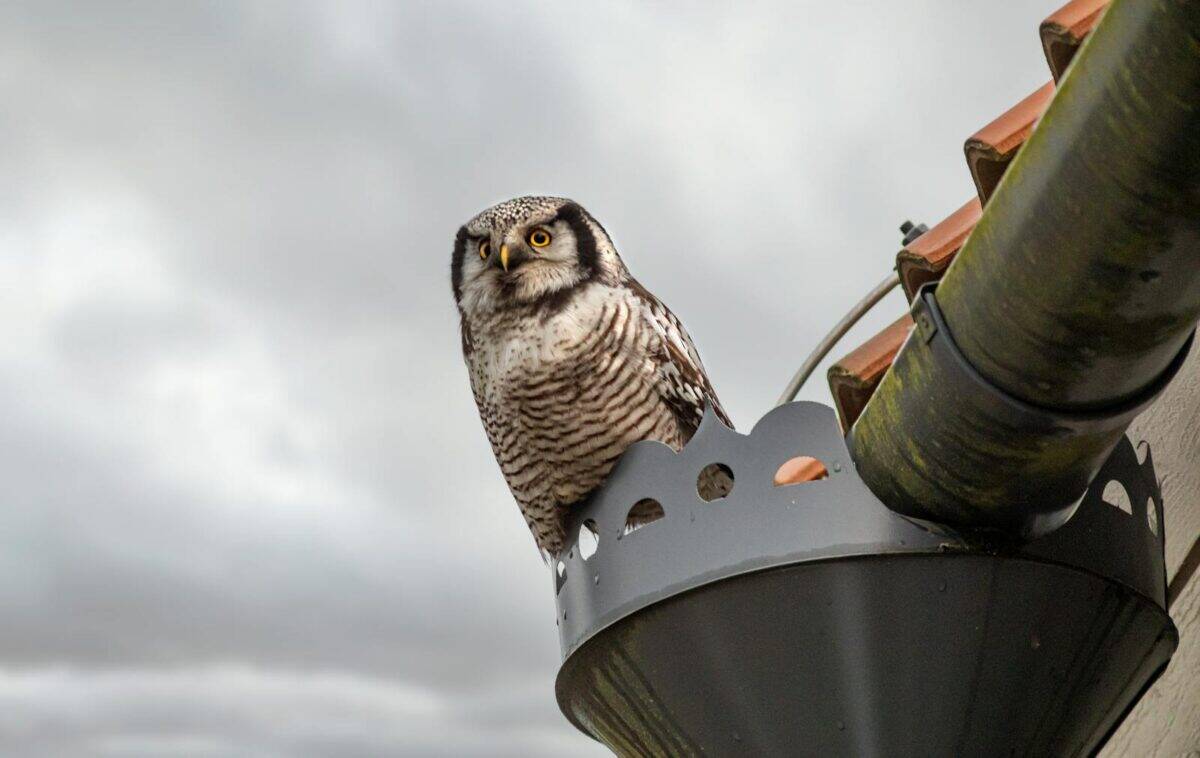
The presence of owls in cities highlights the complex dynamics between urban environments and wildlife. Studying these interactions helps scientists and city planners develop strategies to coexist sustainably with urban wildlife, benefiting ecological and human communities alike.
In conclusion, the phenomenon of owls in skyscrapers underscores the adaptive abilities of wildlife in the face of changing environments. As these birds of prey colonize urban areas, they serve as a testament to nature’s resilience and the evolving relationship between urban development and wildlife. By understanding and supporting this shift, humans can foster a harmonious coexistence with the wildlife that increasingly shares our metropolitan homes.

- Could Wolves Be the Answer to America’s Ecosystem Crisis? - July 20, 2026
- 10 Animals That Cheat Death in the Most Unexpected Ways - July 19, 2026
- The Shrimp That Punches Like a Bullet - July 19, 2026