


Owning a parrot is a delightful experience as these intelligent and colorful birds bring joy to many households. However, caring for a parrot involves more than just providing food, water, and a cage. Parrots require mental stimulation daily to thrive. This need stems from their high intelligence and complex social nature. In this article, we’ll explore why daily mental stimulation is crucial for parrots and how you can enrich their environment for a healthier, happier life.
The Intelligence of Parrots

Parrots are highly intelligent creatures, comparable to primates and dolphins in cognitive ability. Their intelligence can be seen through their problem-solving skills, ability to mimic human speech, and understanding of complex concepts. In the wild, parrots face daily challenges that require clever thinking, such as locating food and avoiding predators. Therefore, their brains are wired for stimulation, learning, and adaptation.
Natural Habitat and Daily Challenges

In their natural habitats, parrots engage in activities that stimulate their minds, like foraging for food, socializing with other birds, and exploring their environment. These tasks are not only physically demanding but mentally stimulating as well. By simulating similar challenges in captivity, we cater to their inherent needs and ensure they lead fulfilling lives.
Social Creatures by Nature

Parrots are inherently social animals. In the wild, they live in flocks, which provide companionship and learning opportunities. This social structure requires communication and interactions that can be quite complex. For a parrot in captivity, daily social interaction with both humans and other birds can help fulfil this natural desire, preventing loneliness and stress.
The Importance of Enrichment Activities

Enrichment activities mimic the challenges parrots face in the wild, providing the necessary mental stimulation. These activities can include interactive toys, puzzle feeders, and exercises. Such items encourage parrots to use their cognitive skills, providing both entertainment and mental growth.
Behaviors Indicating Boredom
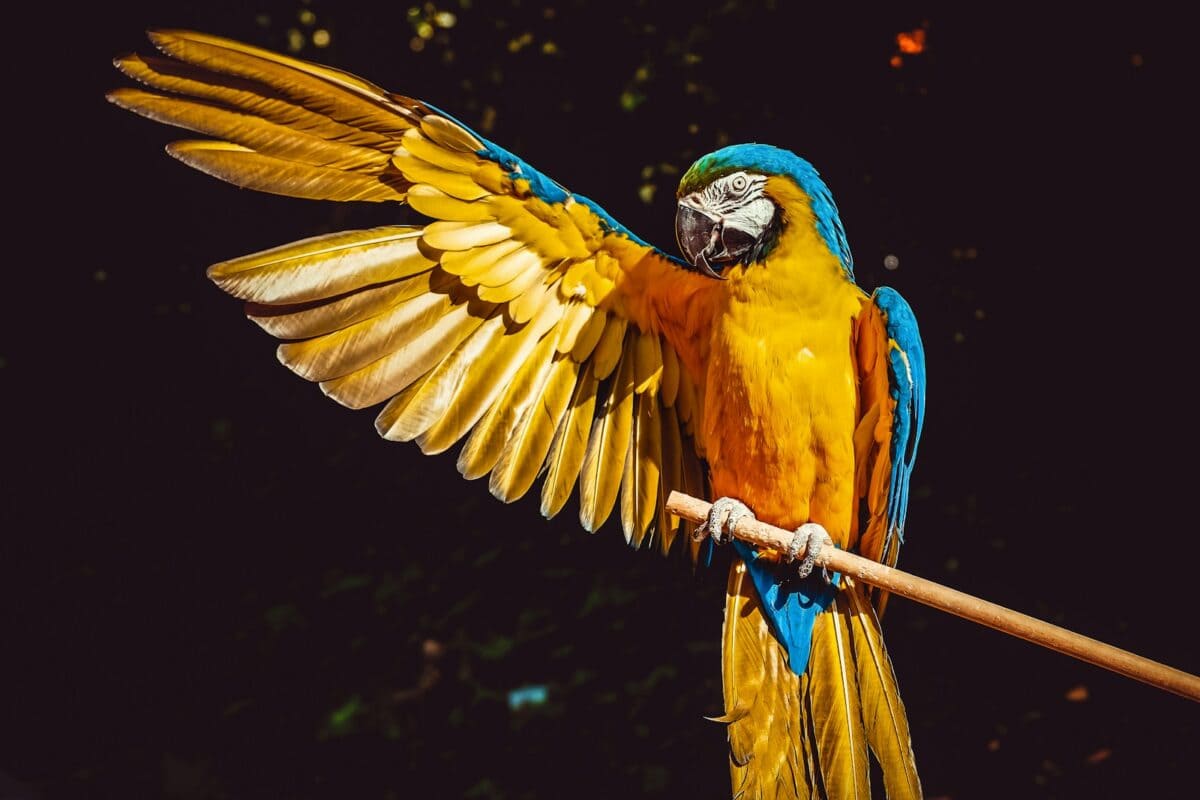
Lack of stimulation can lead to boredom in parrots, manifested through various behaviors such as feather plucking, excessive screeching, aggression, and self-harm. Recognizing these signs early allows owners to take corrective actions to enrich their environment and improve their parrot’s wellbeing.
Building a Stimulating Environment

Cage setup is crucial for a parrot’s mental stimulation. It should include a variety of toys that can be rotated regularly, perches of different textures, and opportunities for climbing and swinging. Natural branches can offer new textures and smells that add interest to their environment.
The Role of Training and Tricks
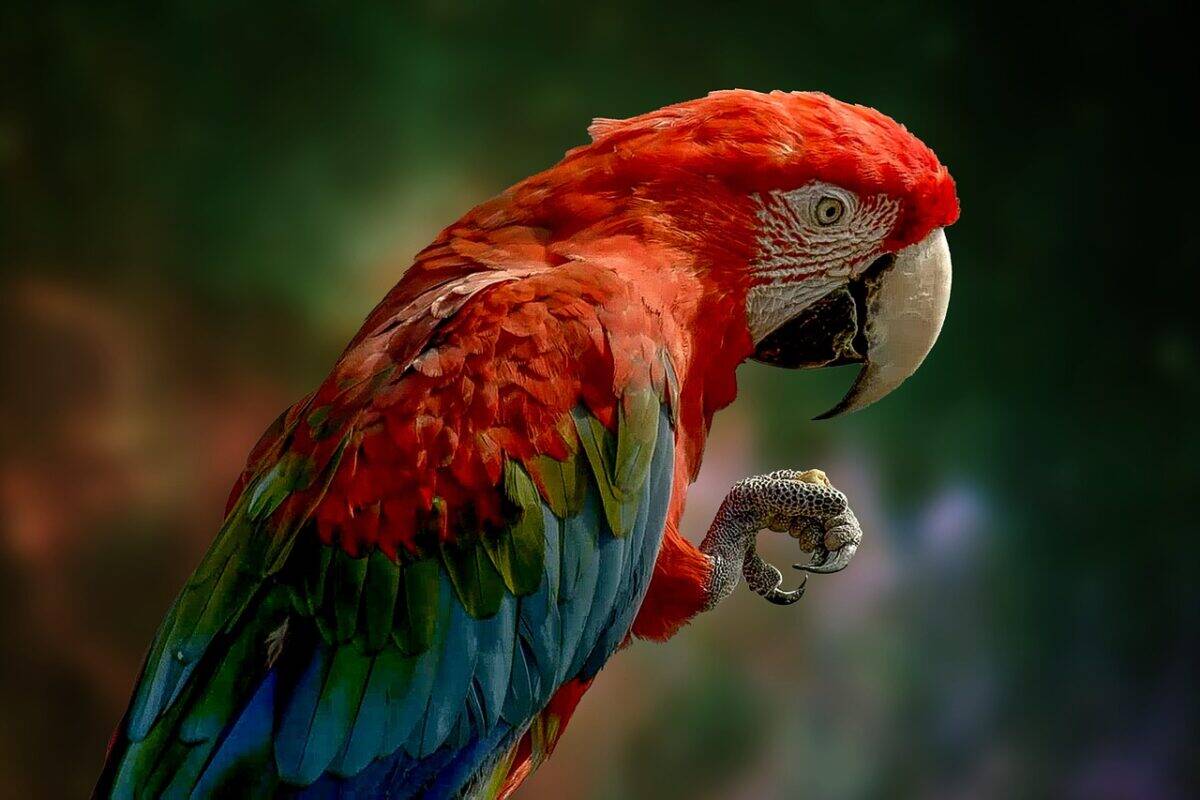
Training parrots to perform tricks is an excellent way to provide mental stimulation. This type of engagement requires concentration and patience, helping to foster a strong bond between the bird and the owner. Simple commands or more complex routines can challenge and entertain parrots while reinforcing positive behaviors.
Incorporating Foraging Activities
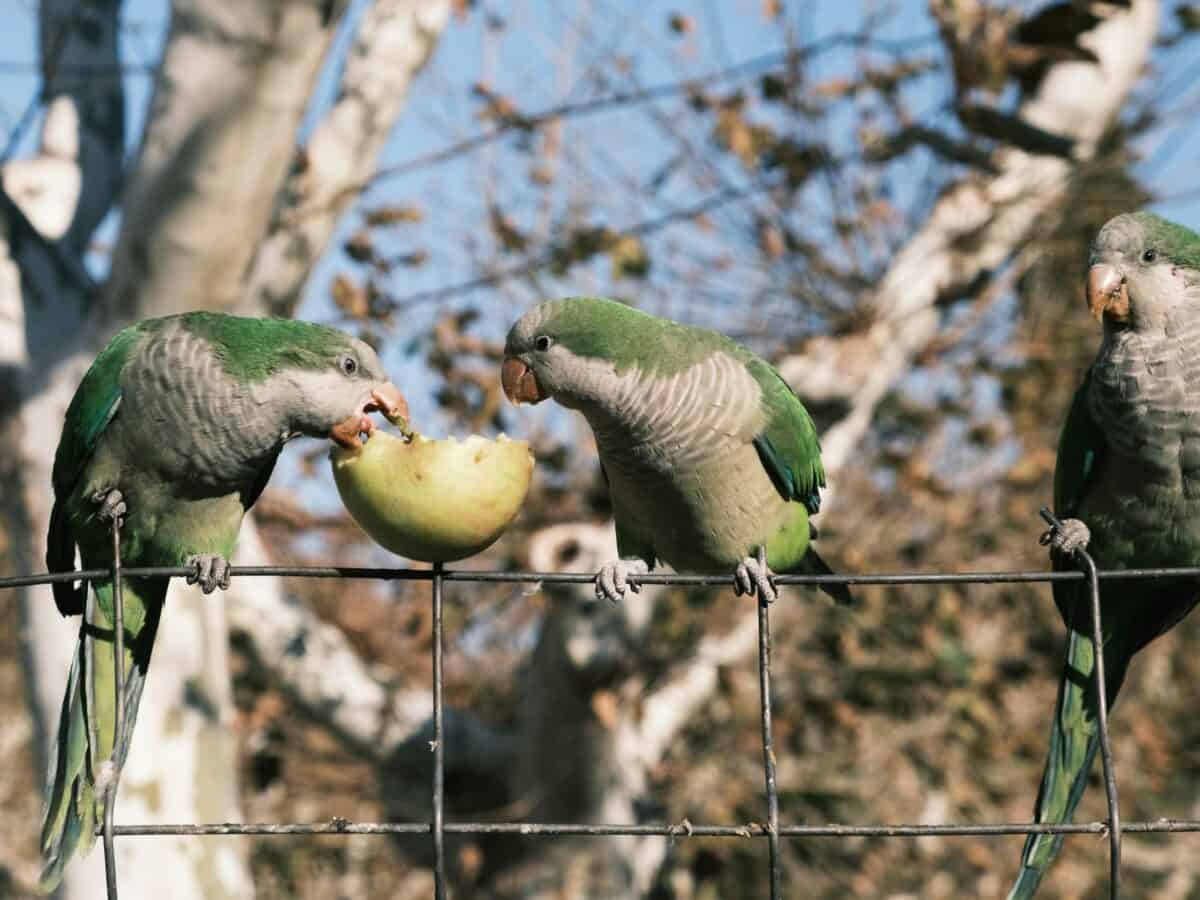
Because foraging is an essential aspect of a parrot’s life in the wild, incorporating foraging activities in their daily routine can be highly beneficial. This can be achieved by hiding food in toys or providing leafy branches that require some exploration before finding the treats within.
The Impact of Music and Sounds

Exposure to different sounds and music can be stimulating for parrots. Many birds enjoy listening to music or mimicking household sounds, which can offer cognitive engagement. Owners can explore different genres to see what their parrot prefers and use it as a daily enrichment tool.
Introducing New Objects and Challenges

Introducing new objects into your parrot’s environment periodically can provide fresh stimuli. These objects don’t have to be expensive toys; items like paper bags, cardboard tubes, or even safe household objects can intrigue and challenge them, preventing monotony.
Ensuring Health Through Mental Stimulation

Mental stimulation is not just about psychological benefits; it also contributes significantly to a parrot’s physical health. An engaged parrot is likely more active, reducing the risk of obesity and associated health problems. Additionally, a mentally healthy parrot is less prone to stress-related illnesses.
The Benefits of Interactive Play
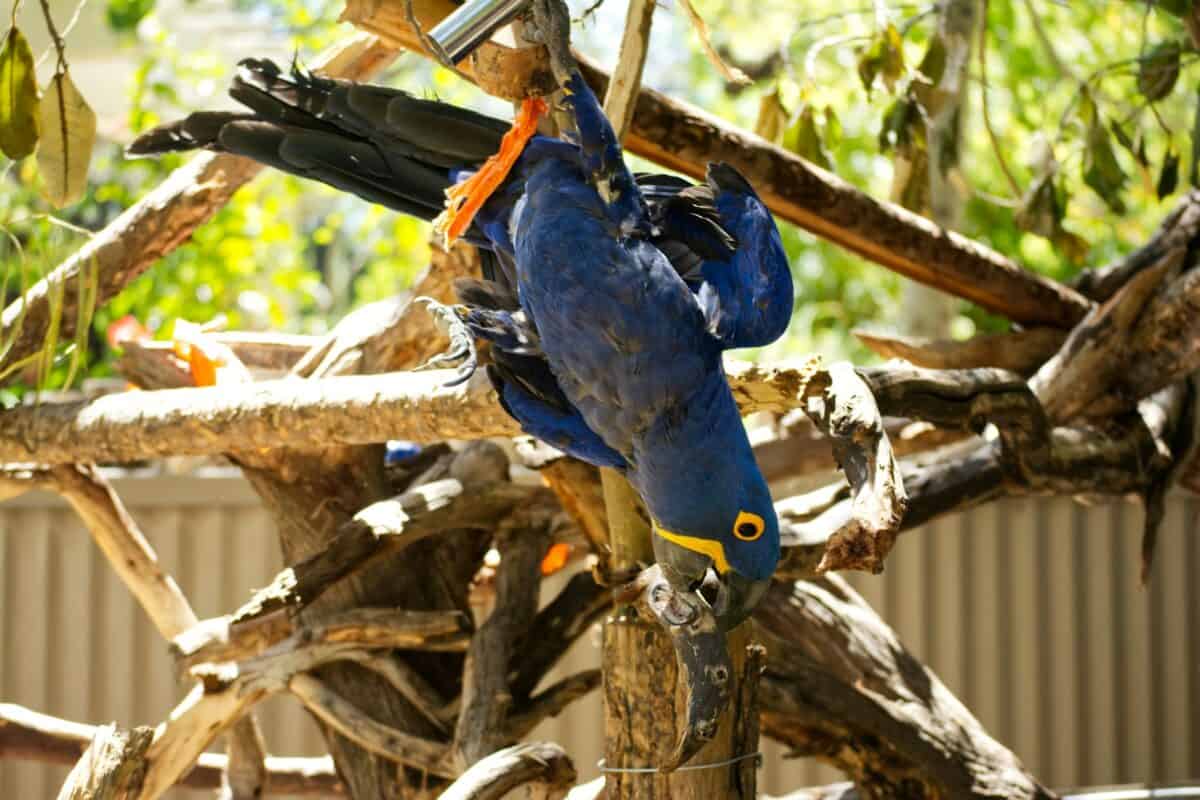
Interactive play with their human companions can greatly satisfy parrots’ need for social interaction and mental stimulation. Games such as fetch or even gentle wrestling can be both fun and beneficial for parrots, strengthening their bond with their owners.
In conclusion, daily mental stimulation is vital for parrots to maintain their physical and psychological health. By mimicking the challenges they would encounter in the wild, providing interactive activities, and ensuring plenty of socialization, you can help your parrot lead a fulfilling and content life. Not only does this enrichment benefit the parrot, but it also enhances the joy and satisfaction of being a parrot owner. Understanding and responding to these needs is crucial to developing a strong and rewarding relationship with these remarkable birds.

- How Crickets Chirp Using Their Wings - July 20, 2026
- The Largest Sea Turtle Ever Rescued Off North Carolina - July 20, 2026
- The Ocean’s Escape Artist: Why Octopuses Outsmart Us All - July 20, 2026