
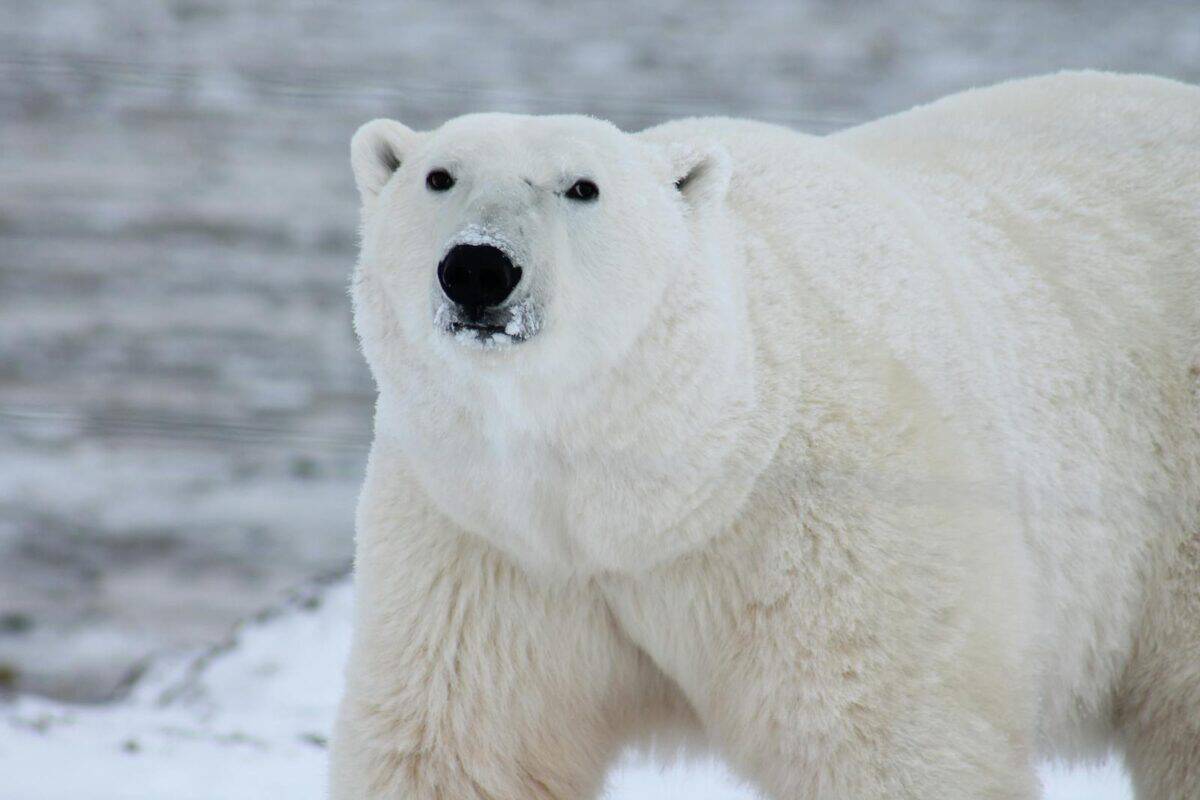
Polar bears, majestic icons of the Arctic, are increasingly astonishing scientists with their extensive wanderings. Once content within their icy dominion, these apex predators are now venturing further than ever before. This phenomenon isn’t just a momentary deviation; it’s a result of profound shifts in the Arctic environment. Understanding why polar bears are roaming more widely involves delving into the complex interplay of climate change, survival strategies, and ecosystem dynamics.
Climate Change

The melting of Arctic sea ice, the primary habitat for polar bears, is accelerating at an unprecedented rate due to climate change. The retreat of ice means polar bears have to travel greater distances in search of food and suitable habitats. This increased travel is not by choice but necessity, driven by a rapidly transforming landscape.
Impact on Hunting Patterns

Polar bears largely rely on sea ice as a platform for hunting seals, their primary food source. As sea ice becomes more fragmented and scarce, bears must venture farther to find food. This means reduced hunting opportunities and longer fasting periods, increasing the bears’ travel range in their quest for sustenance.
Changes in Prey Availability
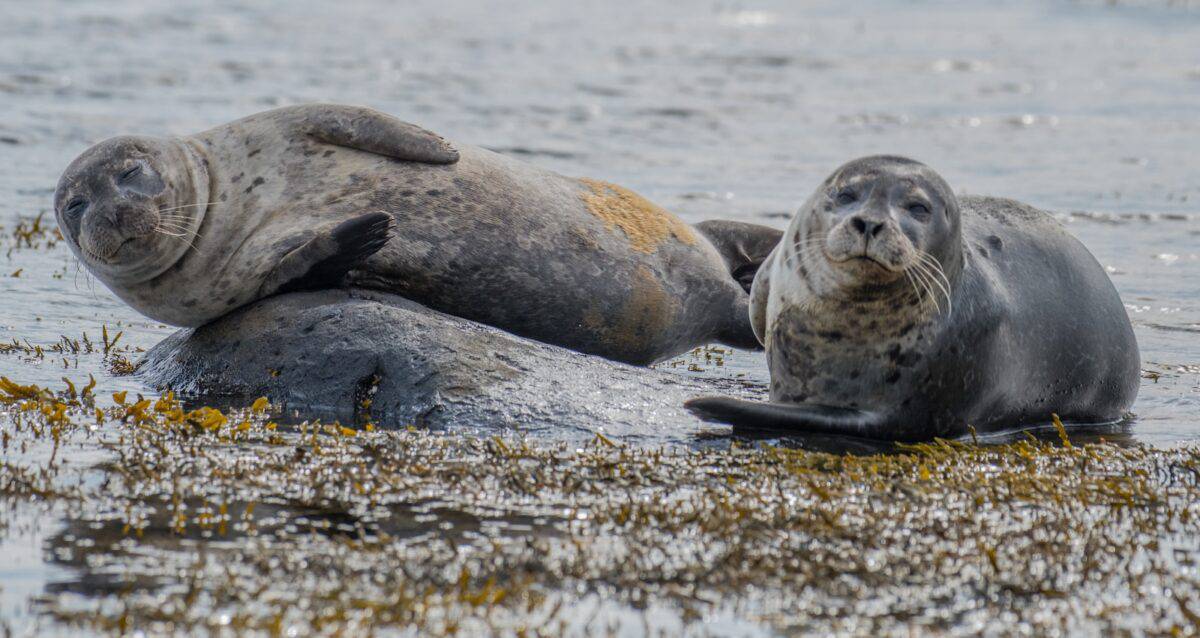
Seals, the polar bear’s main prey, are also affected by changing ice conditions. As seals adjust their locations and breeding behaviors due to the shifting ice, polar bears must follow these prey migrations, leading to increased movement across the Arctic.
Receding Ice and New Challenges

As sea ice recedes, particularly during warmer months, polar bears are forced to navigate through waters they once might have avoided. This exposes them to new dangers and requires additional energy, contributing to the need for larger ranges to support their energetic demands.
Effects on Reproduction

The additional energy expenditure associated with increased wandering can negatively influence reproduction rates among polar bears. Nutritional stress can lead to lower reproductive success, as bears struggle to find enough resources to support themselves and their offspring.
Adaptation Strategies

Polar bears are incredibly adaptive; however, their physiological and behavioral adjustments have limits. As their environment changes at an unprecedented pace, the ability of polar bears to adapt swiftly enough to avoid negative impacts is tested. Trekking longer distances is one visible adaptation, albeit a potentially unsustainable one.
The Role of Human Activity
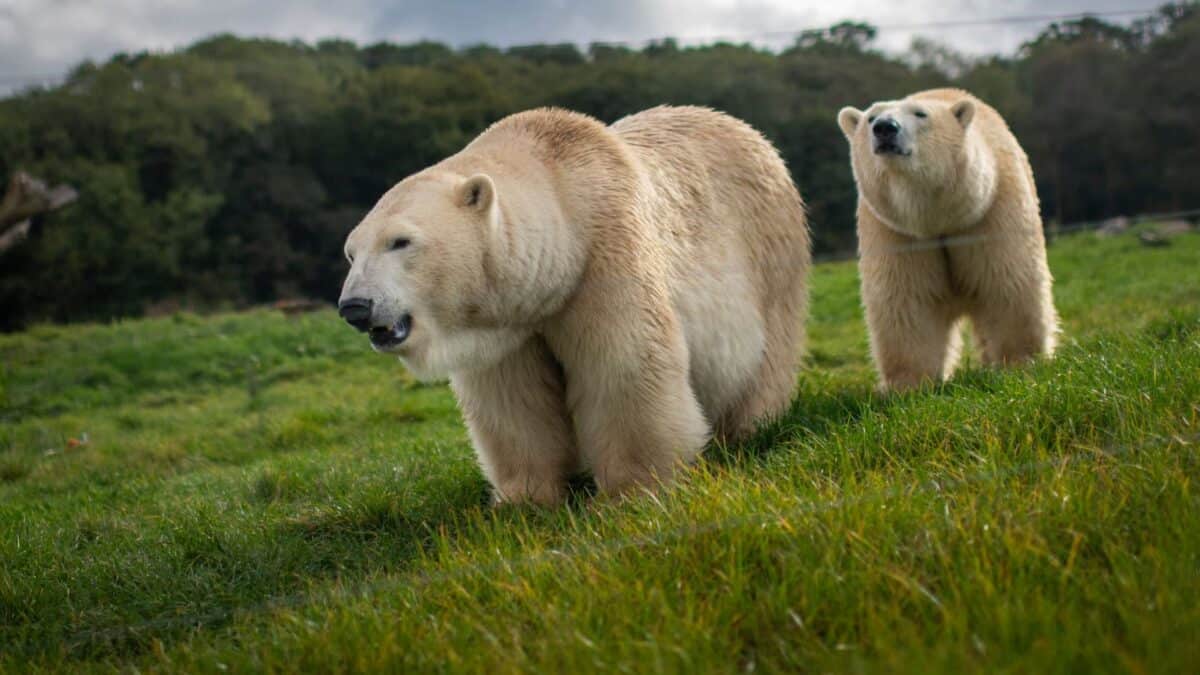
Human activities such as oil and gas exploration exacerbate the challenges polar bears face by disturbing habitats and increasing potential human-polar bear encounters, forcing bears to alter their routes and expend more energy to avoid these disturbances.
Inter-Polar Bear Interactions

With polar bears venturing further, encounters with other bears become more frequent. This can lead to competition over the diminishing resources, which may increase stress and aggression among bears, further complicating their survival strategies.
Conservation Efforts

Conservation measures aimed at protecting polar bears focus on mitigating climate change through global initiatives to reduce greenhouse gas emissions. These efforts are vital to slowing down habitat loss and stabilizing the factors driving these majestic creatures to wander further afield.
Public Awareness and Education
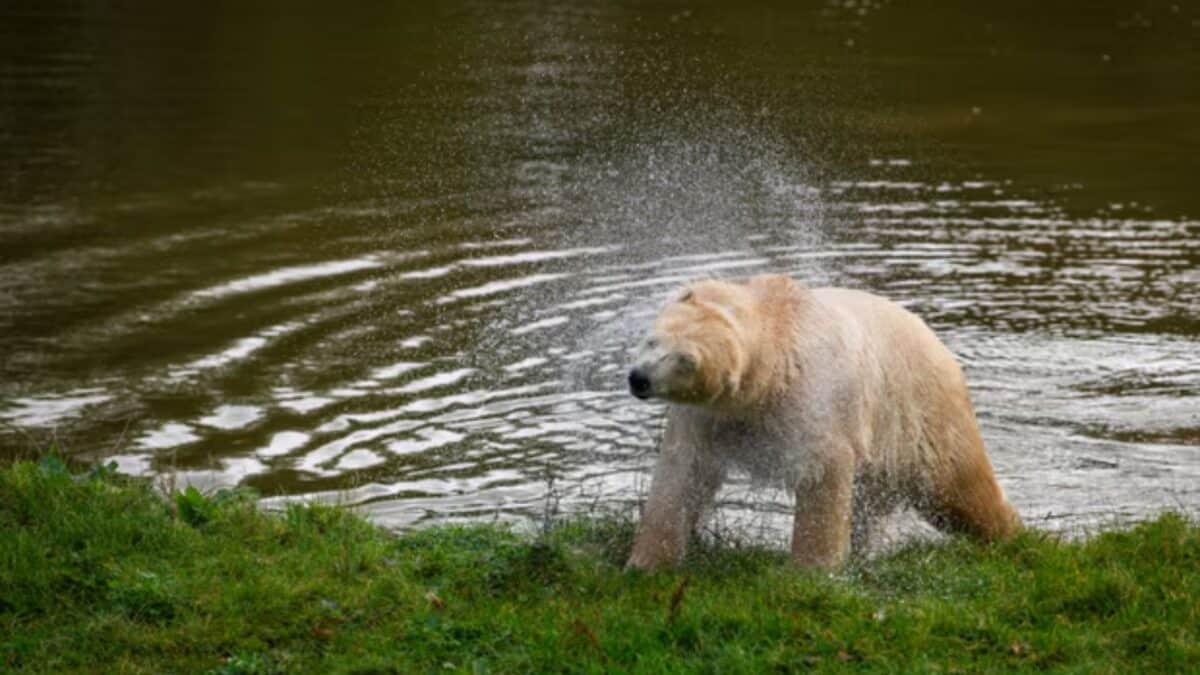
Raising awareness about the plight of polar bears is crucial. Educating the public on the effects of climate change and the importance of conservation can play a critical role in fostering support for measures that can make a tangible difference for polar bear populations.
Research and Monitoring

Ongoing research and monitoring are essential to understanding the full extent of the changes affecting polar bear habitats and behavior. Scientists employ satellite tracking to gather data on bear movements, offering insights into how these animals are adapting and what future conservation strategies might entail.
Looking to the Future

The future of polar bears likely depends on international cooperation to address climate change. Protecting the icy habitats that serve as their refuge is critical. Global efforts towards sustainable practices and reducing carbon emissions are essential steps to ensuring that polar bears continue to thrive in their natural habitat.
Conclusion
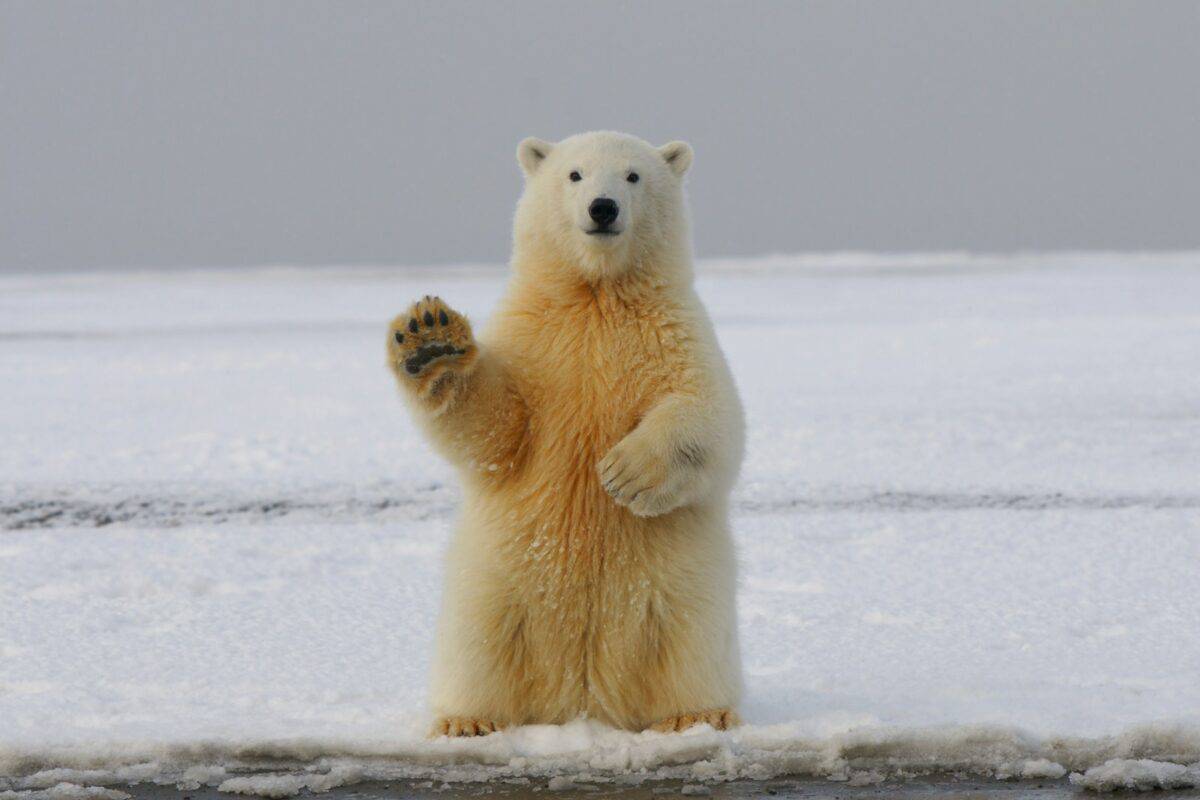
Polar bears wandering further than ever symbolizes a planet in flux, urging us to acknowledge and act on the pressing challenges of our time. As ambassadors of the Arctic, their plight sheds light on broader environmental issues. Conservation actions and climate policies undertaken today will determine whether future generations witness polar bears thriving in their icy realms or struggling to survive in an increasingly non-conducive world.

- How Rhinoceros Males Compete for Mating Rights in the Wild - July 18, 2026
- 13 Spider Species Thriving in Changing Environments - July 18, 2026
- The World’s Deadliest Plants and What Makes Them So Lethal - July 18, 2026