

Worried about unexpected vet bills?
Pet insurance can cover thousands in unexpected vet costs. Get a free quote from Lemonade in under 2 minutes.
Get My Free Quote →Sponsored · Opens Lemonade.com
Atlantic puffins, those charismatic seabirds with their distinctive colorful beaks, have long fascinated observers with their nesting behaviors. Traditionally, these birds construct their nests using natural materials like feathers, grass, and seaweed. However, researchers and wildlife observers have increasingly documented a troubling trend: puffins are now incorporating plastic waste and other human-made debris into their nests. This shift in behavior isn’t merely a curious adaptation but rather a concerning indicator of the widespread presence of plastic pollution in marine ecosystems. As human waste continues to flood our oceans, puffins and other seabirds have begun to utilize these materials not by choice, but out of necessity due to their overwhelming presence in the environment.
The Natural Nesting Materials of Puffins
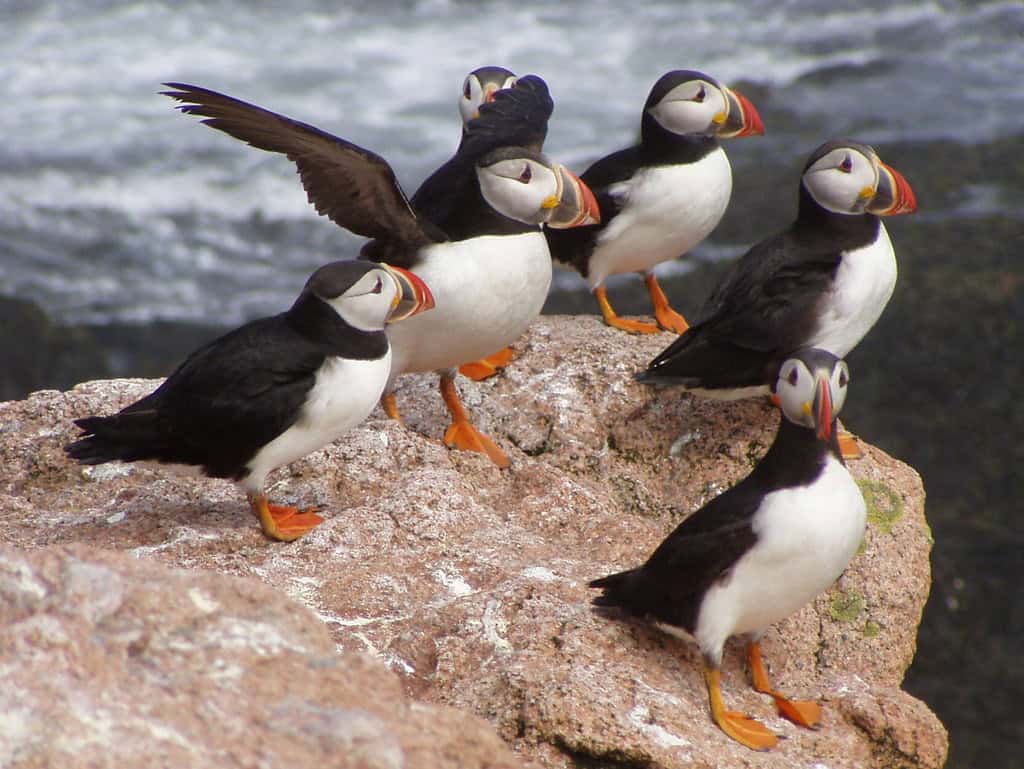
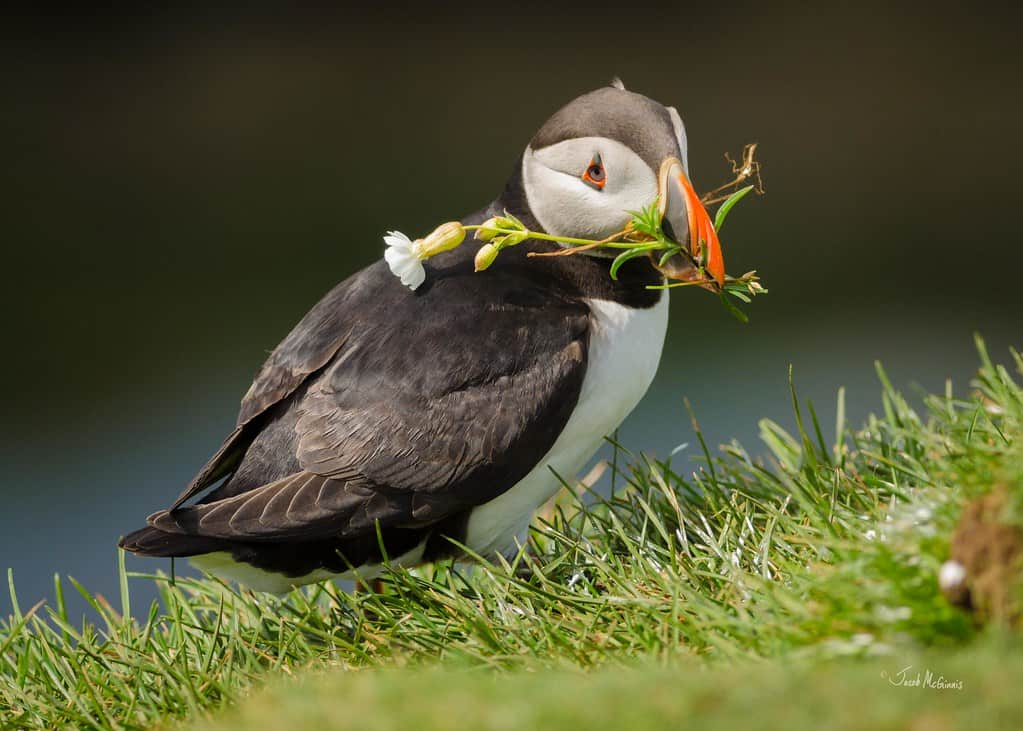
Historically, Atlantic puffins have been meticulous nest builders. They typically create burrows in soil or crevices among coastal rocks, lining these spaces with soft, natural materials. Traditional nesting materials include grasses, seaweed, feathers, and small twigs gathered from their surrounding environment. These materials serve important functions: they insulate eggs and chicks against the harsh coastal climate, provide cushioning, and help maintain appropriate humidity levels within the nest. The birds’ instinct leads them to select materials that are soft, pliable, and readily available in their immediate vicinity. This natural behavior has evolved over thousands of years to optimize breeding success in their coastal and island habitats.
The Alarming Shift to Anthropogenic Materials

Recent studies have documented a significant and concerning trend across puffin colonies worldwide. Researchers examining nests on islands from Iceland to Maine have found increasing amounts of synthetic materials, including fishing line, plastic fragments, polyester fibers, and even rubber bands. A 2019 study in Northwest Iceland found that 67% of puffin nests contained at least some form of anthropogenic debris. Similarly, monitoring efforts at colonies in the Gulf of Maine have reported plastic presence in over 50% of examined nests. This shift represents not an active choice by the birds but rather the pervasive reality of modern oceans, where plastic pollution has become so ubiquitous that puffins encounter these materials as frequently as natural nesting components.
Ocean Plastic Pollution: The Root Cause

The primary driver behind puffins’ use of trash in nesting is the staggering volume of plastic entering our oceans annually. Current estimates suggest between 8-12 million metric tons of plastic waste enter marine environments each year. Once in the ocean, plastics don’t biodegrade but instead break down into smaller fragments, creating a nearly permanent presence. Oceanic currents concentrate these materials in certain areas, including many of the fishing grounds where puffins feed. The birds encounter this debris while foraging, and like the natural materials they’ve traditionally gathered, they collect pieces that appear suitable for nest construction. This behavior reflects not adaptation but rather the unfortunate reality that in many marine areas, plastic has become as common as natural materials—or sometimes even more abundant.
Types of Trash Found in Puffin Nests

The variety of human-made debris found in puffin nests reflects the diverse nature of marine pollution. Researchers have cataloged numerous types of trash, with fishing industry waste being particularly prevalent. Items commonly identified include broken fishing line, fragments of nets, plastic rope fibers, and packaging straps. Consumer waste is also prominent, with researchers finding bottle caps, food wrappers, balloon fragments, and countless unidentifiable plastic pieces. Particularly concerning is the presence of microplastics—tiny plastic fragments less than 5mm in size—which have been found embedded throughout nesting materials. A 2022 analysis of puffin nests in the North Atlantic found microplastic fibers in 89% of sampled nests, with an average of 7.4 pieces per nest—a stark illustration of how thoroughly these pollutants have infiltrated marine ecosystems.
The Dangers of Synthetic Nesting Materials

The incorporation of plastic and other waste materials into puffin nests poses serious threats to both adults and chicks. Unlike natural materials that are breathable and moisture-regulating, synthetic materials can trap excess heat and moisture, potentially affecting egg development and chick health. Studies have shown that nests with higher proportions of plastic materials experience increased humidity fluctuations compared to those made primarily of natural components. Additionally, plastic fragments can present physical dangers—chicks may become entangled in fishing line or plastic straps, leading to injuries, impaired growth, or even death. There have been documented cases of puffin chicks suffering deep lacerations from sharp plastic edges or becoming fatally entangled in synthetic fibers within their nests.
Potential Chemical Hazards

Beyond the physical risks, plastics introduce chemical hazards to puffin nests. Many plastic products contain chemical additives, including phthalates, bisphenol A (BPA), and flame retardants, which can leach out over time. Research has suggested these chemicals may act as endocrine disruptors in birds, potentially affecting reproductive success and development. Additionally, plastics in marine environments can adsorb other environmental pollutants, including persistent organic pollutants (POPs) and heavy metals, effectively concentrating these toxins. When these contaminated materials are incorporated into nests, they create prolonged exposure for both incubating adults and developing chicks. Laboratory analyses of plastic fragments from puffin nests have detected concerning levels of various industrial chemicals, though the full biological impacts of this exposure remain under investigation.
Research Methods for Studying Puffin Nesting Materials
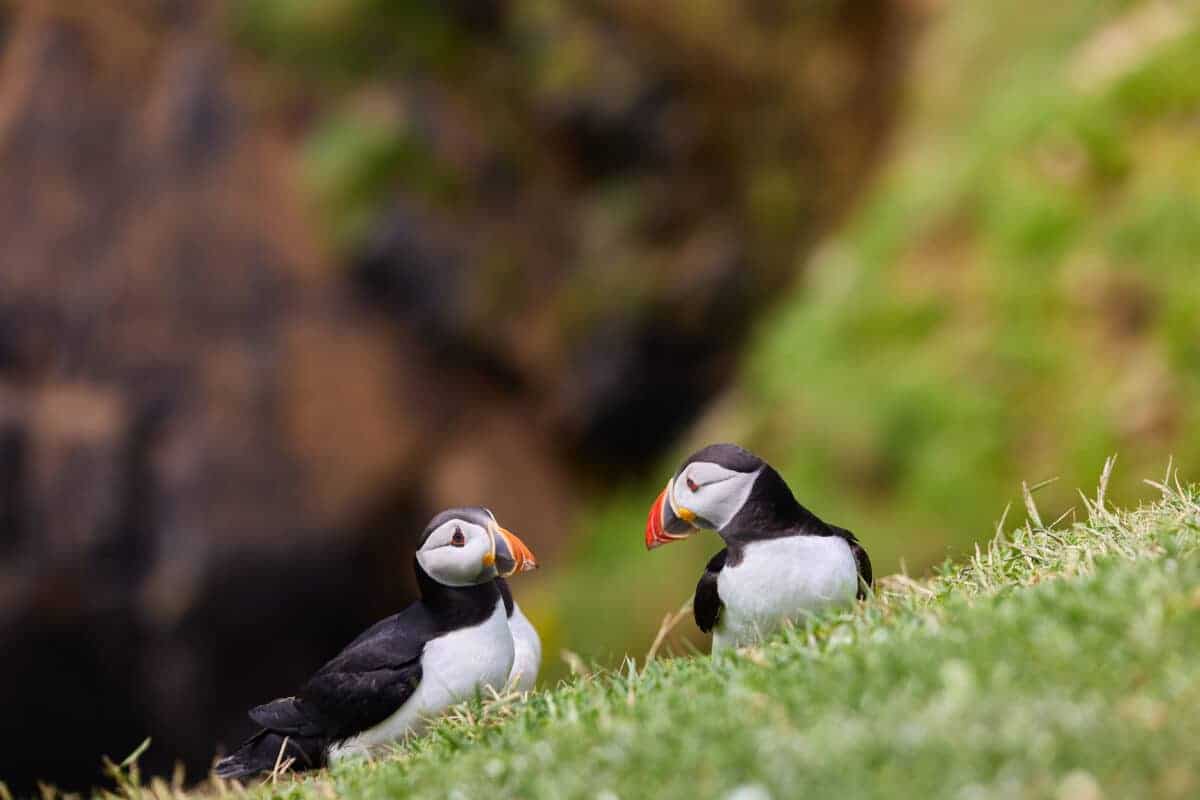
Scientists employ various methods to document and understand puffins’ use of trash in nesting. Field researchers carefully examine nest composition during routine monitoring of breeding colonies, cataloging both natural and anthropogenic materials. Some studies involve collecting and analyzing abandoned nests after breeding seasons to minimize disturbance to active nests. Advanced research techniques include spectroscopic analysis to identify specific plastic polymers and their chemical compositions. Long-term monitoring programs, such as those conducted by the Project Puffin initiative in Maine and the Marine and Freshwater Research Institute in Iceland, have been particularly valuable in tracking changes in nest composition over time. These research efforts not only document the prevalence of trash but also help scientists understand potential impacts on breeding success and population dynamics.
Geographic Variation in Trash Usage

The extent to which puffins incorporate trash into their nests varies significantly by location, reflecting regional differences in ocean pollution levels. Colonies near heavily fished waters or major shipping lanes typically show higher percentages of synthetic materials in their nests. For example, studies in the North Sea, where commercial fishing activity is intense, have found plastic in up to 80% of examined nests, while more remote colonies in parts of Norway and northwestern Iceland show lower rates, with plastic present in 30-40% of nests. Even these relatively “cleaner” locations, however, show an increasing trend over time. Researchers have also observed differences based on proximity to population centers, with colonies closer to urban areas generally encountering more consumer plastics, while remote colonies more commonly incorporate fishing industry waste. This geographical variation helps scientists map pollution hotspots and better understand the sources of marine debris affecting seabird populations.
Effects on Puffin Populations

While individual impacts of plastic in nests have been documented, researchers are still working to understand the population-level effects of this phenomenon. Some preliminary studies suggest colonies with higher proportions of plastic in nests may experience slightly lower hatching success rates, although isolating plastic as the specific cause remains challenging due to multiple environmental stressors affecting puffins. Long-term monitoring programs have noted correlations between increasing nest plastic and declining productivity in certain colonies, particularly when combined with other threats like food shortages due to climate change and overfishing. The Atlantic puffin is currently listed as “Vulnerable” on the IUCN Red List, with populations experiencing significant declines across parts of their range. While direct causation remains difficult to establish, the increasing presence of trash in nesting materials represents one of several anthropogenic pressures potentially contributing to these declines.
Conservation Efforts and Solutions

Addressing the issue of trash in puffin nests requires tackling the broader problem of marine plastic pollution. Several conservation organizations are working on multiple fronts to address this challenge. Beach cleanup initiatives in puffin breeding areas have removed tons of potential nesting debris, while educational programs aim to reduce plastic consumption and improve waste management in coastal communities. On a policy level, organizations like BirdLife International and the Marine Conservation Society advocate for stronger regulations on fishing gear disposal and single-use plastics. Some innovative approaches include providing alternative natural nesting materials near affected colonies—in pilot programs in Iceland, researchers have placed caches of feathers, grass, and seaweed near colony entrances, noting that birds readily use these materials when available. While these efforts help, conservation experts emphasize that only addressing the root cause—the flow of plastics into marine environments—will provide a lasting solution.
Citizen Science and Monitoring Programs
Public involvement has become increasingly important in tracking and addressing the issue of trash in puffin nests. Citizen science initiatives, where volunteers assist in monitoring and data collection, provide valuable information while raising public awareness. Programs like the Seabird Ecological Assessment Network (SEANET) train volunteers to document marine debris during seabird surveys, while organizations like Audubon’s Project Puffin engage citizen scientists in monitoring breeding colonies. These programs not only extend research capacity but also create passionate advocates for conservation. Digital platforms now allow the public to report observations of puffins collecting trash or photographs of nests containing human-made materials, creating broader datasets than traditional research alone could generate. Through these collaborative efforts, scientists gain more comprehensive information while fostering public investment in finding solutions to marine pollution.
Conclusion: The Path Forward for Protecting Puffins

The presence of trash in puffin nests serves as a poignant indicator of how profoundly human activities have altered even remote marine ecosystems. What appears at first glance as adaptive behavior is actually a troubling sign of environmental degradation that threatens these iconic seabirds. The solution requires addressing marine pollution at its sources—reducing plastic production, improving waste management systems, and implementing stronger regulations on fishing gear and other industrial contributors to ocean waste. As individuals, choosing reusable alternatives to single-use plastics, participating in beach cleanups, and supporting organizations working on this issue can all make meaningful contributions. The plight of plastic-collecting puffins offers both a warning and an opportunity—a visible reminder of pollution’s reach and a compelling reason to take action before these charismatic birds and the marine ecosystems they depend on suffer irreversible harm.
Worried about unexpected vet bills?
Pet insurance can cover thousands in unexpected vet costs. Get a free quote from Lemonade in under 2 minutes.
Get My Free Quote →Sponsored · Opens Lemonade.com

- 15 Common Snake Species Found in the US - June 5, 2026
- Ancient DNA Found in Cave Dirt May Rewrite Animal History - June 5, 2026
- What Steve Irwin Taught Us About Crocodiles - June 5, 2026