

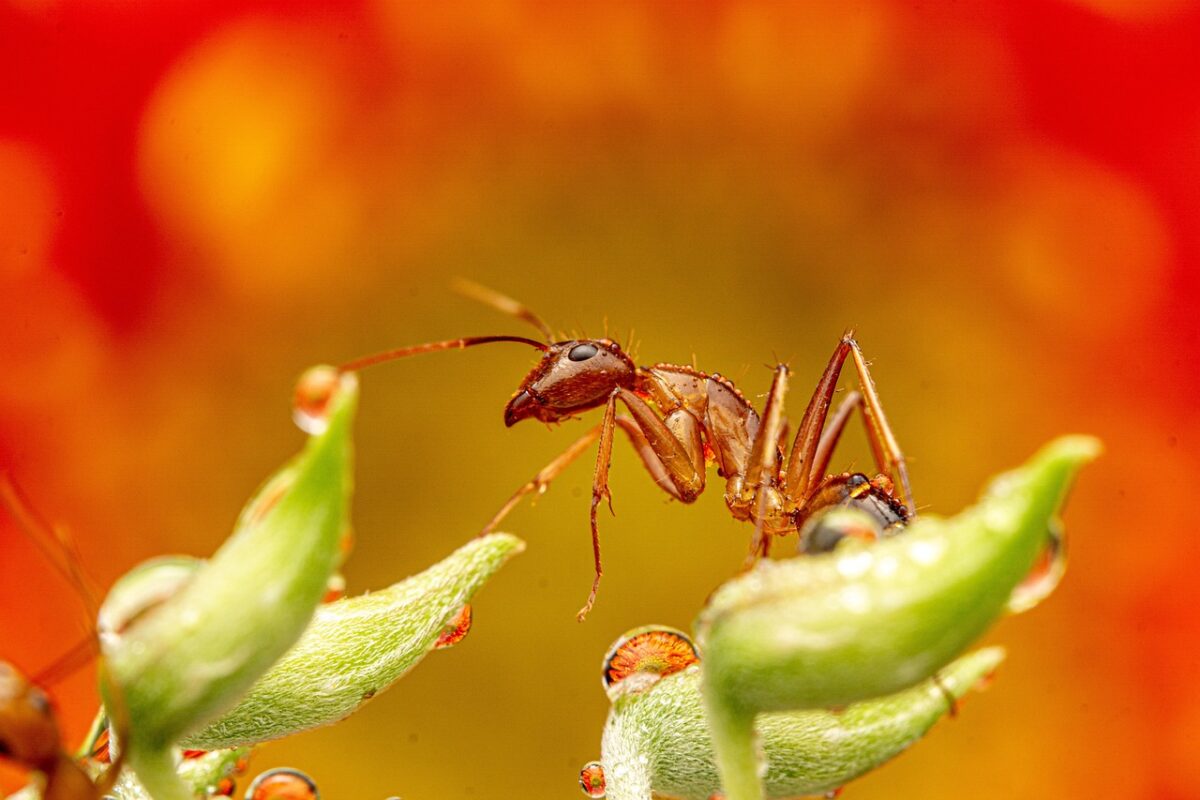
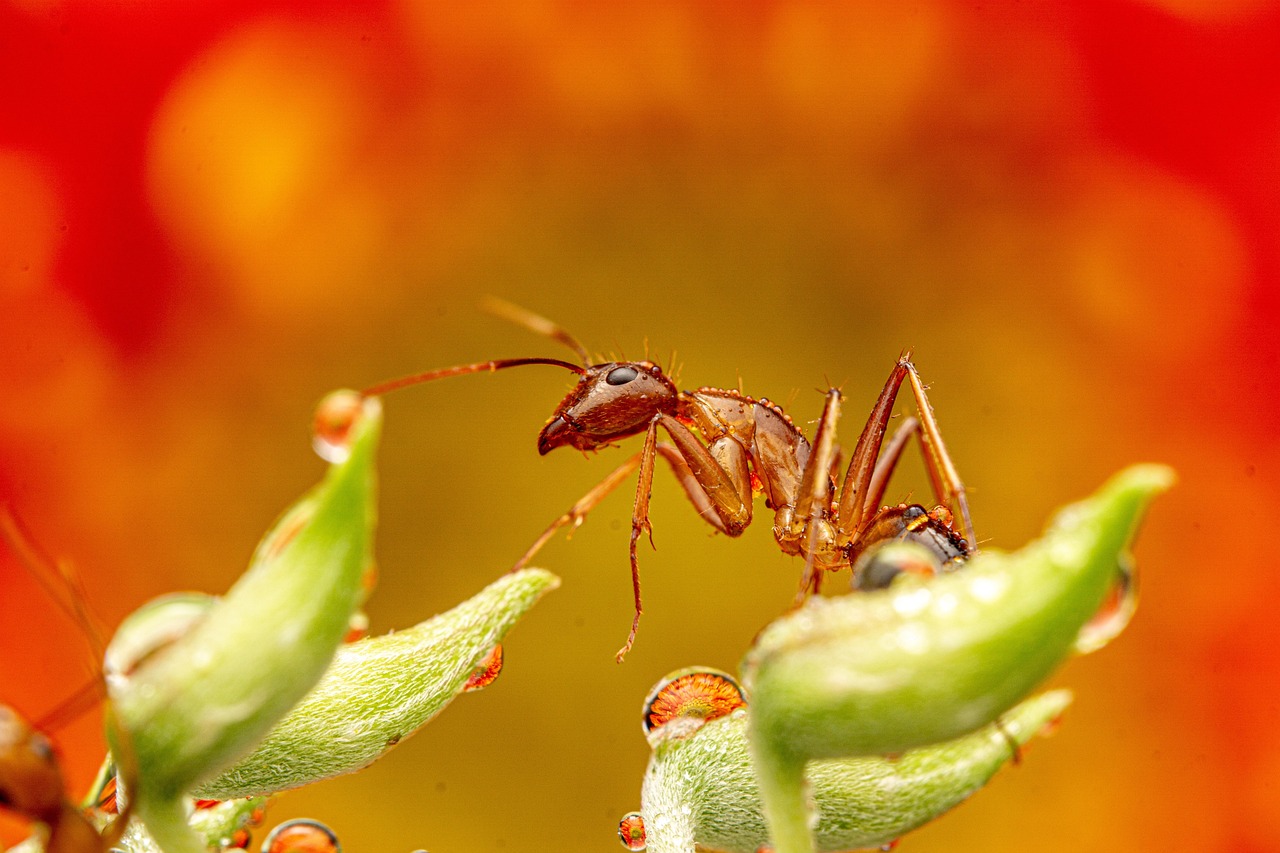
The Queen Factor: Why Farms Aren’t Forever Colonies (Image Credits: Pixabay)
Ant farms captivate observers with their intricate tunnels and busy workers, yet these setups carry an inherent expiration date tied to their design.
The Queen Factor: Why Farms Aren’t Forever Colonies
Queens in natural ant societies boast lifespans exceeding a decade, with some reaching 25 years or more under ideal conditions.
These remarkable insects dedicate their existence to egg-laying, shielded deep within the nest by devoted workers. Their longevity stems from this protected role, free from foraging dangers or physical strain. Commercial ant farms, however, exclude queens entirely. Suppliers ship only workers, the colony’s labor force, due to shipping complexities and regulations aimed at curbing invasive species. Without reproduction, populations dwindle as individuals age out, typically over weeks to months. This setup delivers a snapshot of ant behavior rather than a perpetual habitat.
Gel Versus Sand: Habitat Impacts on Survival
Gel farms simplify maintenance with nutrient-packed medium that nourishes and hydrates ants automatically.
Sand farms mimic natural burrows but demand vigilant owner intervention for sustenance. Each type presents unique hurdles that influence how long workers endure.
| Gel Farms | Sand Farms | |
|---|---|---|
| Nutrition | Integrated | Owner-supplied |
| Primary Risk | Mold growth | Dehydration |
Well-managed gel avoids fungal outbreaks through ventilation, while sand requires precise moisture to prevent drying. Both demand attention to extend the observation window effectively.
Common Errors Shortening Ant Lives
Shipping stress claims some ants within days of arrival, a normal outcome from transit rigors.
Other missteps accelerate decline. Vibrations from nearby movement collapse fragile tunnels, trapping residents. Extreme temperatures prove lethal too – direct sun scorches, while drafts chill. Here are frequent owner oversights:
- Placing farms in high-traffic zones prone to jostling.
- Exposing setups to sunlight or vents causing swings beyond 70-75°F.
- Overlooking subtle signs of mold or dryness.
- Ignoring initial die-off as adjustment period.
Addressing these sustains healthier activity longer.
Essential Care for Peak Ant Performance
Harvester ants, favored in many kits for their size and vigor, persist two to six months with optimal handling.
These robust diggers craft elaborate networks, rewarding patient keepers. Boost vitality through targeted feeding: sugar water or honey for energy, paired with protein from tiny insects or flakes weekly. In sand farms, dampen cotton balls for safe hydration, averting drownings. Maintain steady room conditions and minimal disturbance. Such practices align with natural tolerances, allowing full expression of worker castes’ industrious traits.
- No queen means worker-only farms last weeks to months.
- Match habitat care to type – mold watch for gel, moisture for sand.
- Stable spots, balanced diet, and ideal temps extend observation time.
Ant farms thrive briefly without queens, yet proper stewardship unlocks their full potential as educational marvels. Focus shifts from permanence to appreciation of fleeting cooperation and engineering feats. What steps will you take for your next ant farm? Share in the comments.

- Urban Coyotes Show Remarkable Adaptability, Learning to Thrive in City Environments - July 22, 2026
- Beavers Are Nature’s Engineers, Creating Vital Habitats for Other Wildlife Species - July 21, 2026
- The Recovery of the California Condor Offers Hope for Other Critically Endangered Birds - July 21, 2026