

The sandbar shark, scientifically known as Carcharhinus plumbeus, has established itself as one of the most successful shark species along the Atlantic seaboard of the United States. From the shallow bays of the Chesapeake to the coastal waters of Florida, these powerful predators have adapted remarkably well to the diverse marine environments of America’s eastern shores. Unlike some of their more endangered relatives, sandbar sharks maintain relatively stable populations in these waters, a testament to both their ecological adaptability and the specific characteristics of the Atlantic coastal ecosystem that support their life cycle. Understanding why these sharks thrive in this particular region offers valuable insights into marine conservation, ecological relationships, and the delicate balance that sustains our ocean’s biodiversity. This article explores the multifaceted reasons behind the success of sandbar sharks in U.S. Atlantic waters, from their biological adaptations to the environmental conditions that favor their survival.
The Perfect Habitat: Shallow Coastal Waters
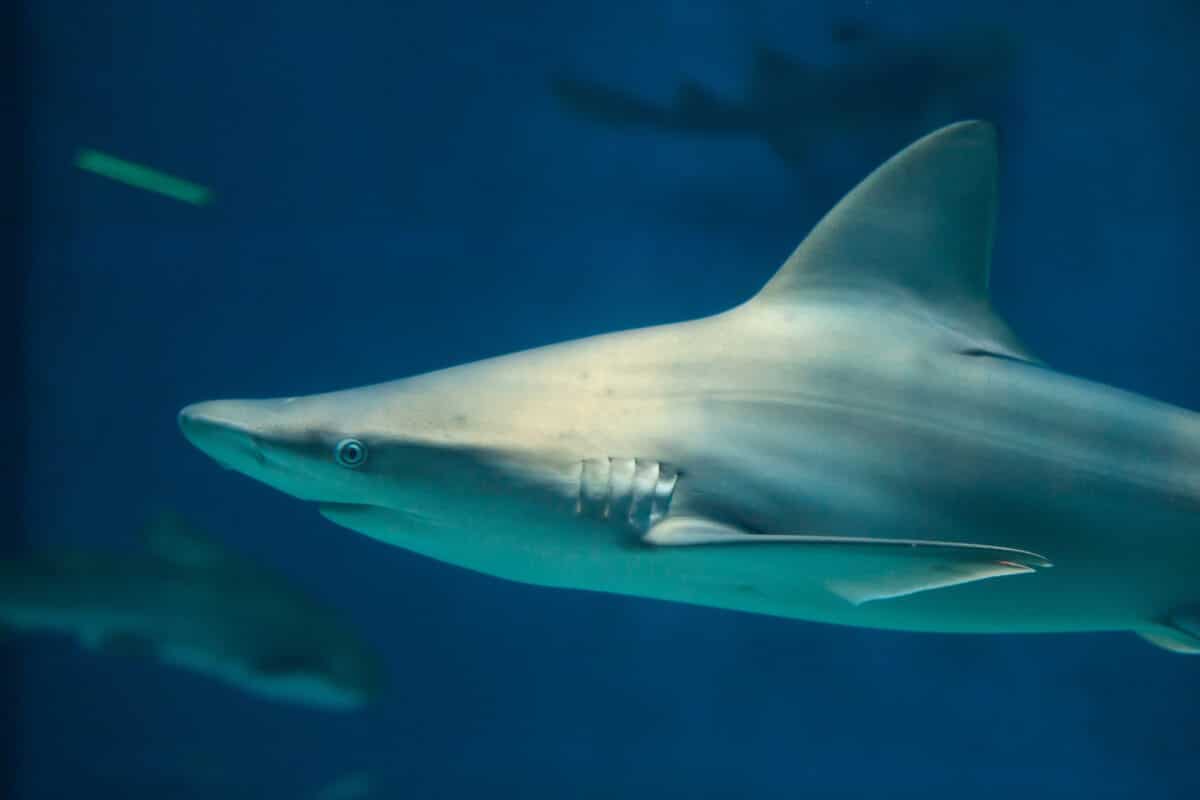
Sandbar sharks have earned their common name from their preference for sandy bottoms and shallow waters, making the extensive continental shelf of the U.S. Atlantic coast an ideal habitat. This shelf extends far from shore in many regions, creating vast areas of relatively shallow water that rarely exceeds 200 feet in depth. These conditions perfectly match the sandbar shark’s preference for depths between 60 to 200 feet, allowing them to establish extensive territories along virtually the entire eastern seaboard.
The gradual slope of the Atlantic shelf also creates diverse bottom structures, from sandy plains to rocky outcroppings, providing the sharks with varied hunting grounds. Unlike some shark species that require specific habitat types, sandbar sharks demonstrate remarkable adaptability to different bottom compositions, though they show a clear preference for sandy or muddy substrates where their countershaded bodies (dark on top, light on bottom) provide excellent camouflage from both above and below. This habitat flexibility allows them to utilize a broader range of the coastal environment than many competing predators.
Nursery Havens: Protected Bays and Estuaries

Perhaps the most crucial factor in the sandbar shark’s success along the Atlantic coast is the abundance of protected bays, sounds, and estuarine systems that serve as ideal nursery grounds. Areas like the Chesapeake Bay, Delaware Bay, and various coastal lagoons from New Jersey to South Carolina provide the perfect conditions for shark pups to develop safely. These semi-enclosed waters offer young sharks protection from larger predators, including adult sharks of other species that might otherwise view them as prey.
Research has shown remarkable site fidelity in these nursery areas, with female sandbar sharks returning to the same bays year after year to give birth. Studies in the Chesapeake Bay have documented generations of sandbar sharks using identical nursery grounds, suggesting a strong evolutionary connection between these sharks and specific Atlantic coastal features. This relationship has allowed sandbar shark populations to maintain stable reproductive success even as coastal development has accelerated, as long as these critical nursery habitats remain intact and water quality remains sufficient.
Seasonal Migration Patterns
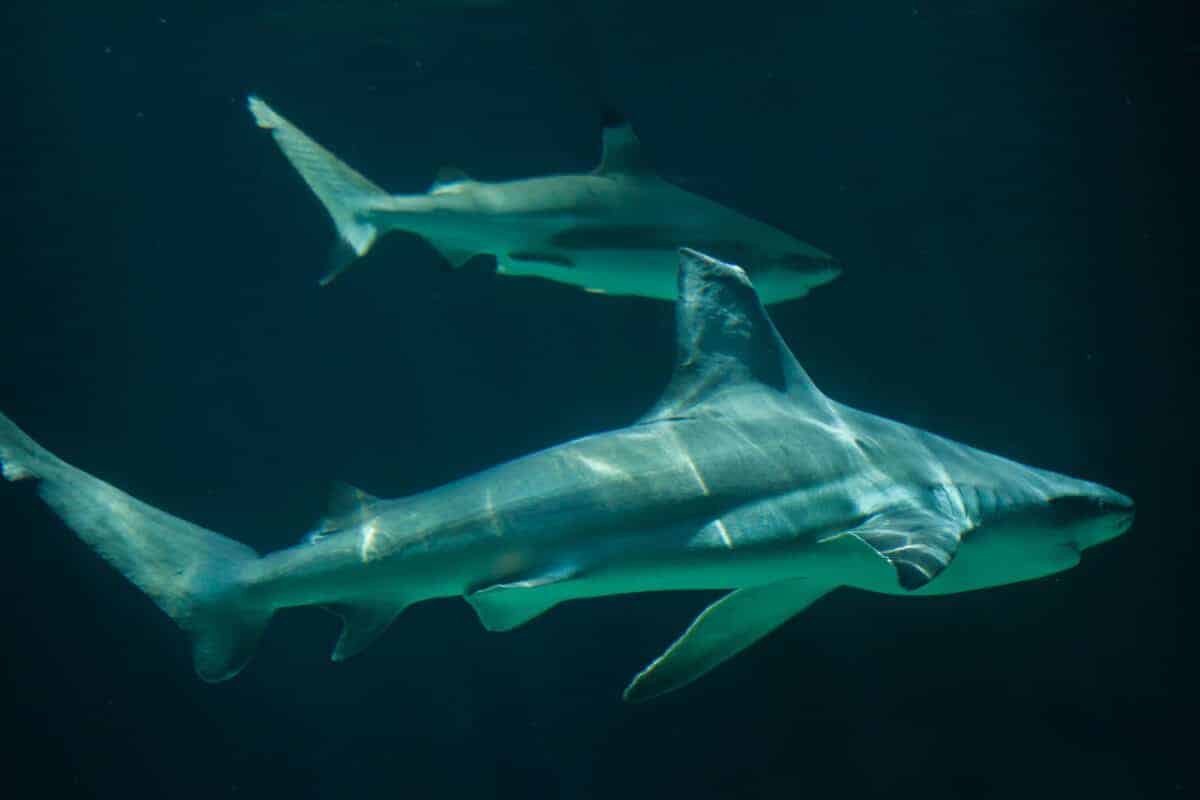
Sandbar sharks have developed sophisticated migration patterns that maximize their access to resources along the Atlantic coast. During warmer months, they spread throughout the Mid-Atlantic region, venturing into bays and estuaries where prey is abundant. As waters cool in autumn, they undergo a coordinated southward migration, with most of the population moving to waters between the Carolinas and Florida for the winter months, where temperatures remain within their preferred range of 59°F to 86°F.
This migratory behavior represents a remarkable adaptation to the seasonal temperature fluctuations of the Atlantic coast. By following this north-south movement pattern, sandbar sharks effectively extend their active feeding period throughout the year, avoiding the metabolic slowdown that would occur if they remained in northern waters during winter. Tracking studies have shown individuals traveling over 1,000 miles annually in these migrations, demonstrating both their swimming efficiency and the energetic advantage this strategy provides. Their ability to navigate these extensive migrations with high precision, often returning to the exact same seasonal locations year after year, remains one of the most impressive aspects of their biology.
Dietary Flexibility and Feeding Strategies
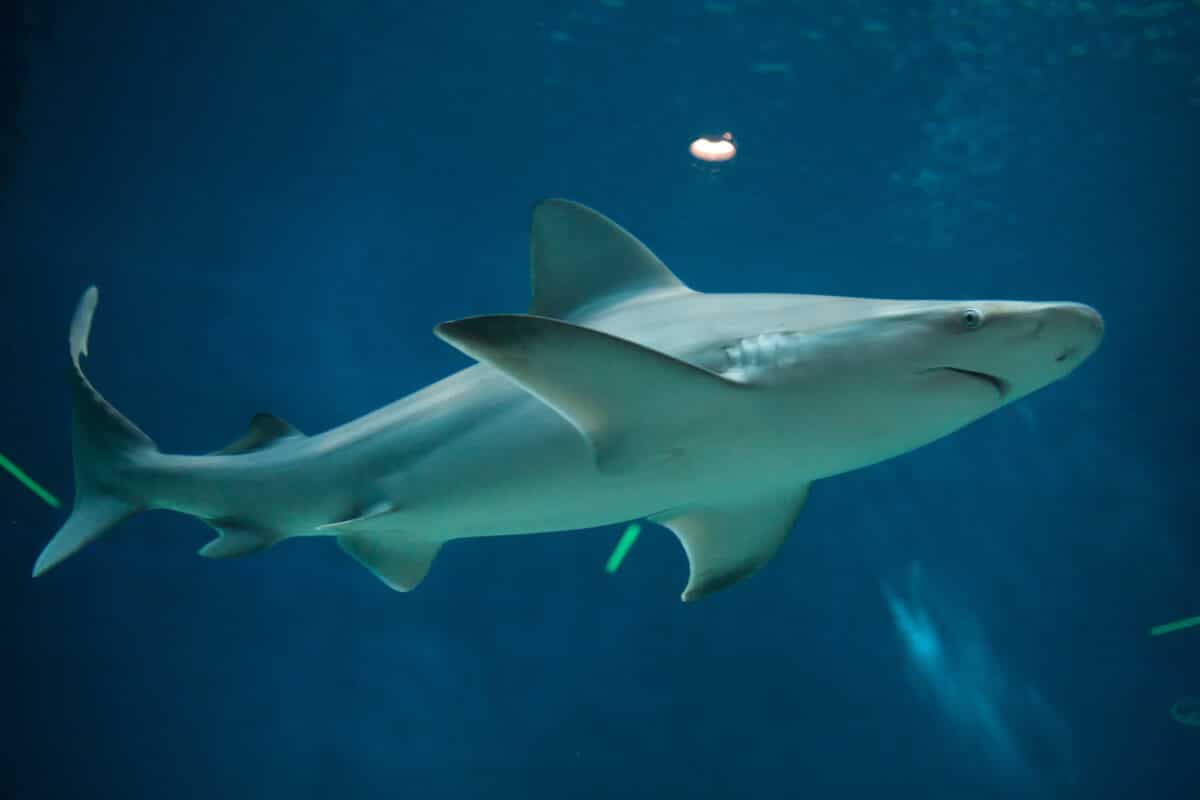
Sandbar sharks thrive along the Atlantic coast partly due to their generalist feeding strategy. Their diet consists primarily of bottom-dwelling fish, small sharks, rays, crabs, and occasionally squid and octopus. This dietary flexibility allows them to adapt to seasonal changes in prey availability and take advantage of the diverse marine fauna found along the eastern seaboard. Unlike specialist predators that might face population crashes when a specific prey species declines, sandbar sharks can simply shift their attention to more abundant food sources.
Their feeding behavior typically involves cruising close to the bottom, using their excellent sense of smell and the ability to detect electrical fields through specialized organs called ampullae of Lorenzini to locate prey hidden in sediment. This bottom-focused hunting strategy is perfectly suited to the expansive sandy and muddy bottoms characteristic of the Atlantic continental shelf. Additionally, their powerful jaws and serrated teeth are ideally adapted for catching and consuming the diverse prey items found in these habitats, from hard-shelled crustaceans to bony fish. This combination of sensory capabilities and physical adaptations makes them highly efficient predators in the Atlantic coastal ecosystem.
Reproductive Biology and Population Resilience

The reproductive strategy of sandbar sharks balances the production of relatively few, but well-developed offspring. Females give birth to 6-13 live young after a 9-12 month gestation period, with each pup measuring an impressive 1.5-2 feet at birth. This strategy of producing fewer but larger young increases survival rates compared to species that release many smaller, more vulnerable offspring. Additionally, sandbar sharks invest significantly in their young by choosing protected nursery areas, further enhancing juvenile survival.
However, this reproductive approach comes with trade-offs. Females only reproduce every 2-3 years, and individuals don’t reach sexual maturity until they’re between 13-16 years old, making population recovery slow after declines. Despite this limitation, the species has maintained relatively stable populations along the Atlantic coast compared to faster-growing but less resilient shark species. Their life history strategy, while slow, has proven effective in the relatively stable Atlantic coastal ecosystem, where their nursery areas have historically remained protected from excessive disruption. This reproductive resilience, combined with their habitat flexibility, helps explain their continued success in these waters.
Relationship with Human Activities
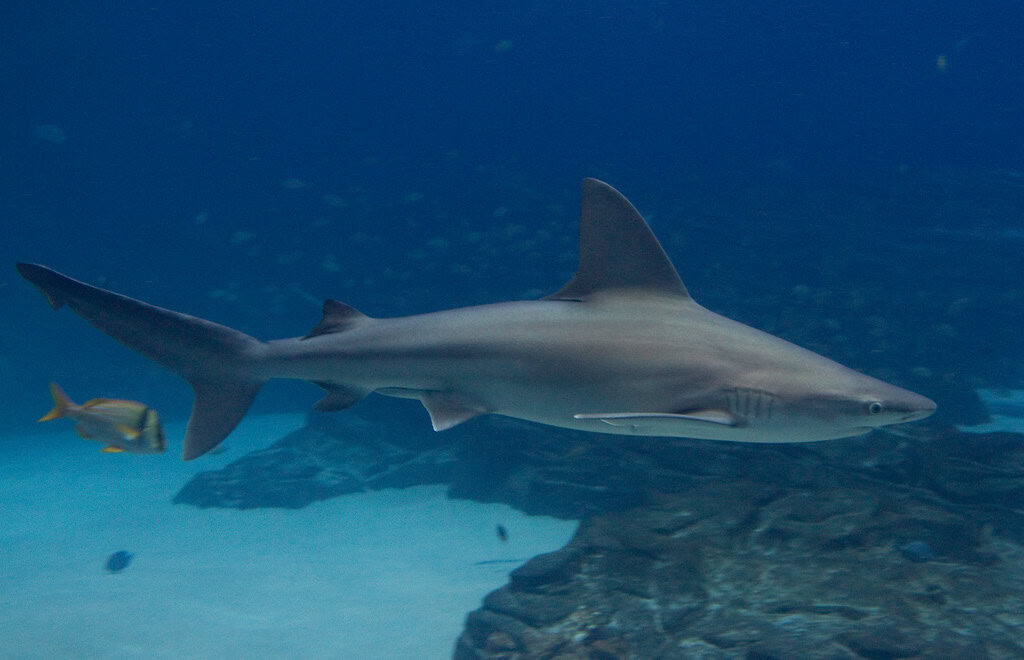
Sandbar sharks have developed a complex relationship with human activities along the Atlantic coast. While they’ve faced significant fishing pressure historically, several factors have allowed their populations to persist better than some other large shark species. First, they typically remain in deeper waters beyond the surf zone, reducing interactions with recreational swimmers and the associated fear-based culling that has impacted other species. Second, their preference for depths beyond the immediate coastline has provided some buffer against the most intense coastal development impacts.
Additionally, sandbar sharks have benefited from fishing regulations implemented in the 1990s and early 2000s. In U.S. Atlantic waters, they are now managed under strict quotas and are prohibited from recreational retention in federal waters. The species was previously overfished but has responded positively to these management measures. Commercial fisheries for the species are now strictly regulated with limited entry and low quotas, allowing populations to stabilize and even show signs of recovery in some areas. This management success story demonstrates how appropriate regulations can allow sustainable human use while maintaining healthy shark populations.
Water Quality Tolerance
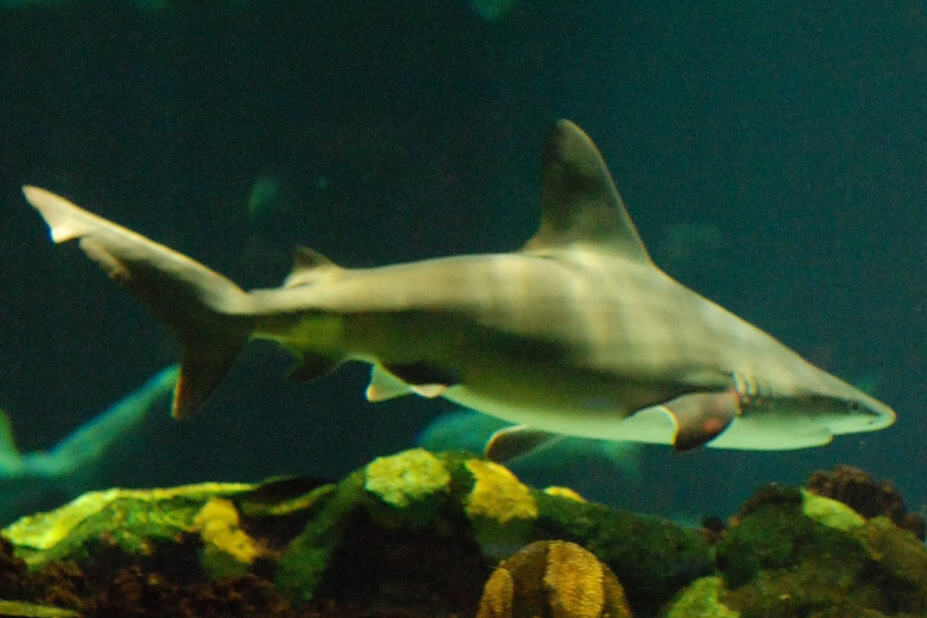
Another factor contributing to the sandbar shark’s success along the Atlantic coast is their moderate tolerance for variations in water quality. While they prefer clean water, they can withstand conditions that might drive away more sensitive species. Their ability to tolerate moderately reduced oxygen levels, slightly elevated turbidity, and modest fluctuations in salinity allows them to utilize estuarine environments that may be periodically affected by runoff or other water quality challenges.
This tolerance is particularly important in areas like the Chesapeake Bay, where agricultural runoff and urban development have created seasonal water quality challenges. While extreme pollution events can drive sandbar sharks from an area temporarily, they typically return once conditions improve. This resilience gives them an advantage over more specialized species and helps explain their continued presence in waters adjacent to heavily developed regions. However, researchers note that this tolerance has limits, and sustained poor water quality in nursery areas could eventually impact population health, highlighting the importance of ongoing water quality management in coastal regions.
Reduced Competition from Apex Predators
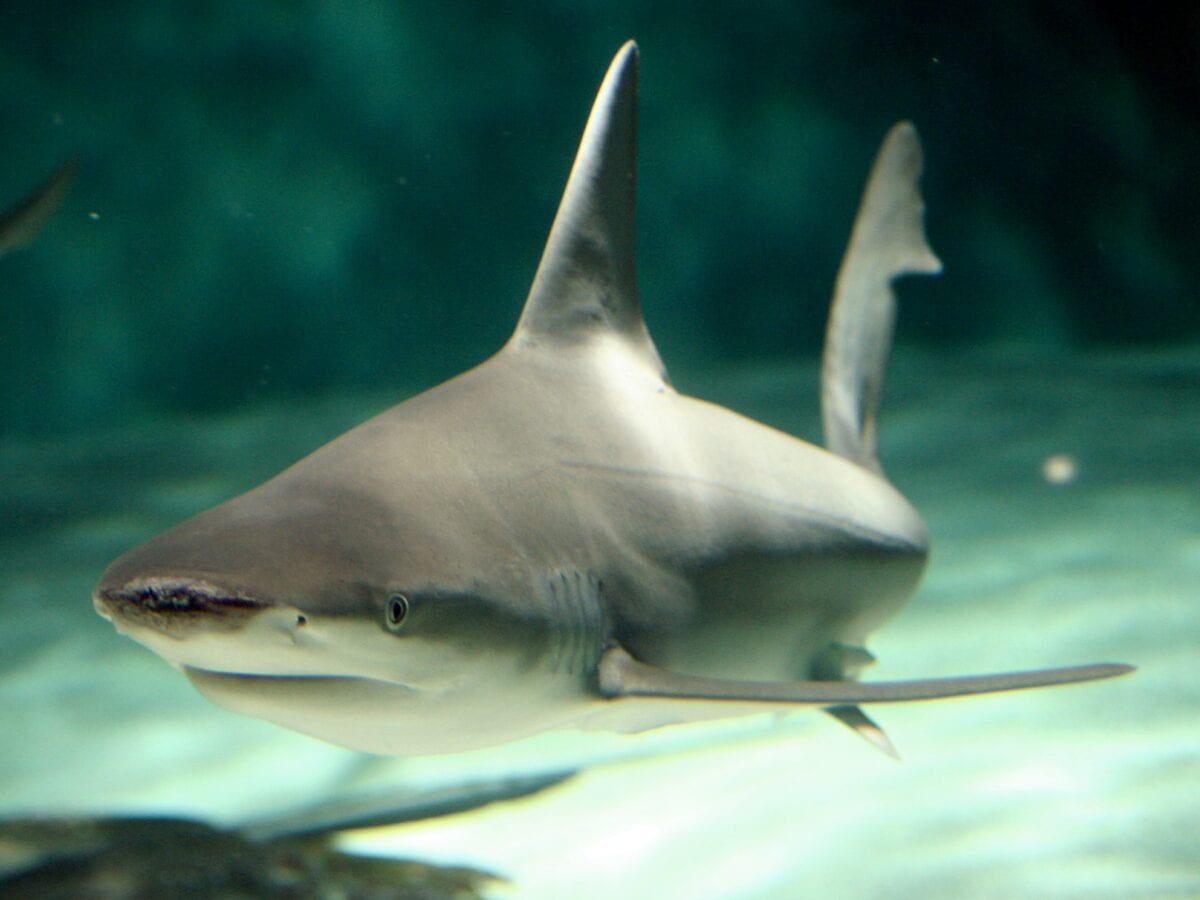
The historical depletion of larger shark species along the Atlantic coast has inadvertently benefited sandbar sharks by reducing competition and predation pressure. Species like the great white, tiger, and bull sharks once maintained larger populations throughout these waters and would have competed with sandbar sharks for prey and occasionally preyed upon them, particularly juveniles. As these apex predator populations declined due to fishing pressure in the mid-to-late 20th century, sandbar sharks faced less competition and predation risk.
This ecological release has allowed sandbar sharks to expand their functional role in some Atlantic coastal ecosystems, occupying niches that might previously have been dominated by larger sharks. Their position as mid-sized predators (typically 6-8 feet as adults) places them in an ecological sweet spot – large enough to have few natural predators as adults but not so large that they required the vast territories and prey resources of true apex predators. This balance has proven advantageous as marine food webs along the Atlantic coast have undergone significant changes due to fishing pressures and other human impacts over the past century.
Genetic Adaptations to Atlantic Conditions
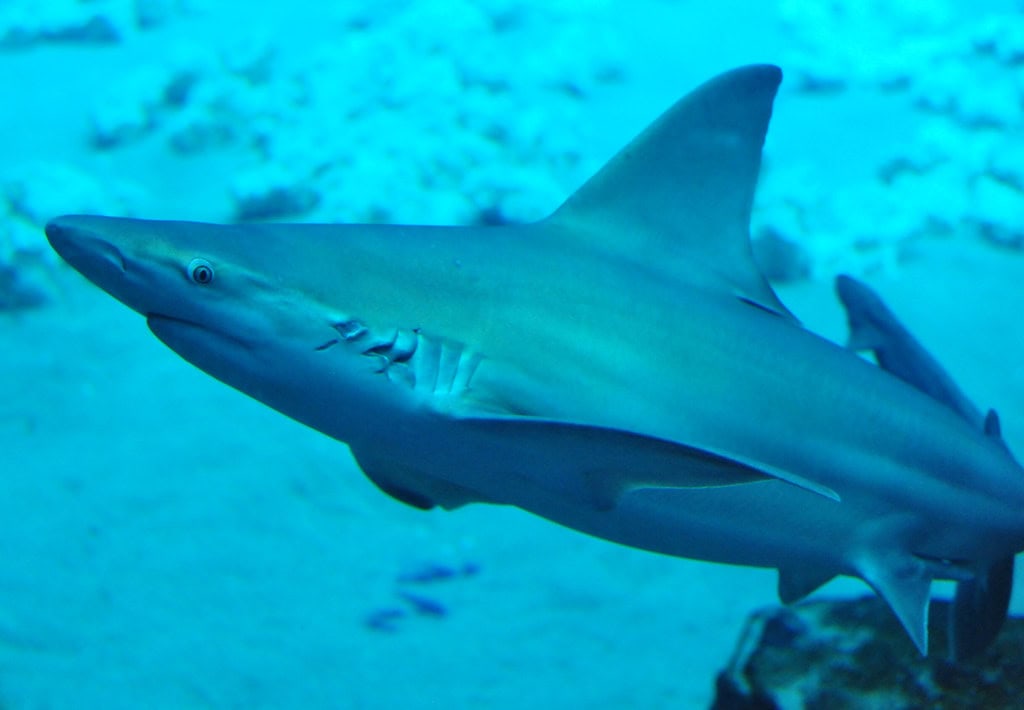
Recent genetic research has revealed that Atlantic sandbar shark populations possess distinct genetic adaptations compared to their Pacific and Indian Ocean relatives. These adaptations reflect thousands of years of selection for traits that enhance survival in the specific conditions of the western Atlantic. Genetic studies have identified variations in genes related to osmoregulation (salt balance), temperature tolerance, and immune response that appear tailored to the environmental conditions found along the U.S. Atlantic coast.
This genetic specialization helps explain why sandbar sharks have been so successful in these waters despite facing numerous challenges. It also highlights the importance of preserving the genetic diversity within Atlantic populations, as these specific adaptations represent an evolutionary investment that would be difficult to replace if lost. Conservation geneticists studying these sharks have emphasized that even though the species exists globally, the Atlantic populations contain unique genetic resources that have evolved specifically for success in these regional conditions – making their conservation particularly important from both ecological and evolutionary perspectives.
Climate Resilience and Adaptation

As climate change alters marine ecosystems worldwide, sandbar sharks have demonstrated encouraging signs of resilience along the Atlantic coast. Their wide temperature tolerance (59°F to 86°F) provides a buffer against warming waters, while their migratory behavior allows them to track preferred temperature ranges as they shift. This flexibility may give them an advantage over more temperature-sensitive species as ocean warming continues to affect the region.
Research tracking sandbar shark movements has already documented subtle shifts in their migration timing and distribution patterns that correlate with changing water temperatures. Their ability to adjust these patterns appears to be helping them maintain access to suitable habitat despite changing conditions. Additionally, their dietary flexibility means they can potentially adapt to shifts in prey species composition driven by climate change. While no marine species is immune to the challenges of climate change, the sandbar shark’s combination of physiological tolerance, behavioral flexibility, and dietary adaptability suggests they may be better positioned than many large marine predators to cope with changing Atlantic coastal conditions in the coming decades.
Legal Protections and Conservation Measures
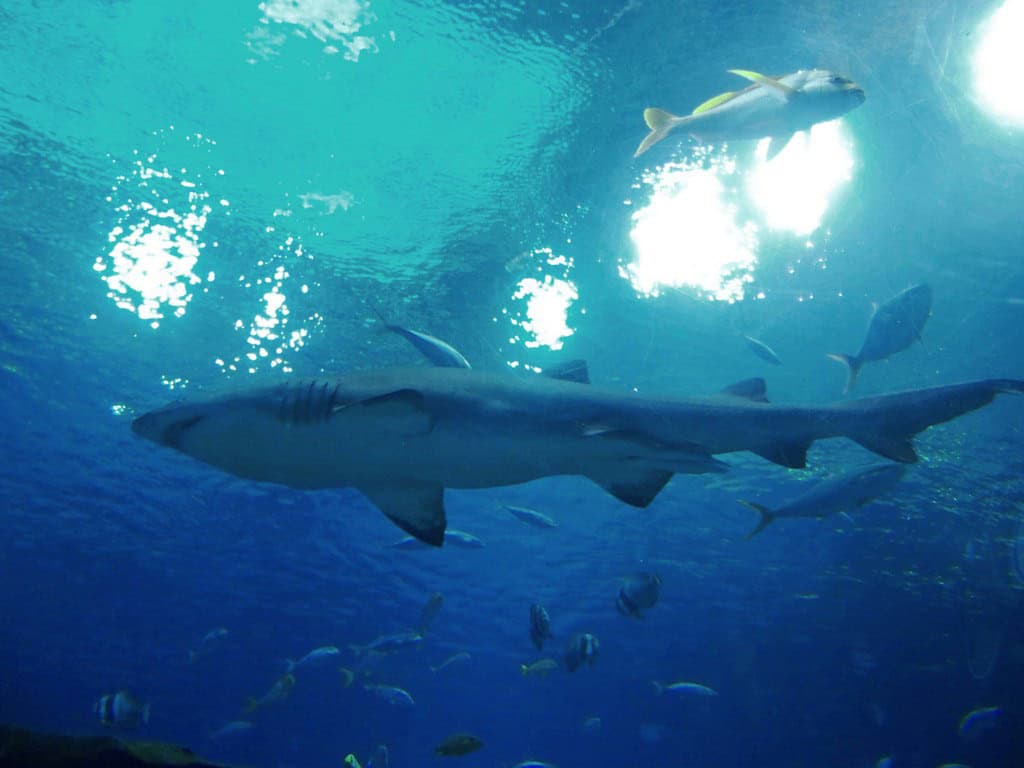
The implementation of specific legal protections has significantly contributed to the sandbar shark’s continued presence along the Atlantic coast. In 1993, the National Marine Fisheries Service established the Large Coastal Shark Complex management plan, which included sandbar sharks and began setting sustainable harvest limits. Further protections came in 2008 with Amendment 2 to the Highly Migratory Species Fishery Management Plan, which specifically addressed sandbar shark conservation by designating them as a research-only species in most U.S. commercial fisheries and prohibiting recreational retention.
These regulatory measures have been complemented by increased scientific monitoring, including fishery-independent surveys that track population trends without relying on fishing data alone. The result has been a gradual stabilization of sandbar shark populations in U.S. Atlantic waters. While recovery remains incomplete and continues to face challenges, the species offers a promising example of how proper management can halt declines and begin rebuilding shark populations. The Atlantic States Marine Fisheries Commission now coordinates interstate management efforts for coastal sharks, creating a more comprehensive approach to conservation that considers the species’ migratory nature and cross-jurisdictional habitat needs.
The Future of Sandbar Sharks Along the Atlantic Coast

The future of sandbar sharks along the U.S. Atlantic coast depends on a delicate balance of conservation efforts, habitat protection, and adaptive management in the face of evolving challenges. Current scientific assessments suggest cautious optimism, with evidence of population stabilization and potential recovery in some regions following decades of decline. The species’ natural resilience, combined with improved management measures, has created a foundation for long-term sustainability that was absent just thirty years ago. The continued protection of critical nursery habitats in coastal bays and estuaries remains particularly essential for ensuring reproductive success and population renewal.
However, sandbar sharks still face significant challenges, including habitat degradation, climate change impacts, and ongoing fishing pressure both within U.S. waters and beyond, where the species receives less protection. Their slow growth and reproductive rate means that recovery will take decades rather than years, requiring sustained conservation commitment. If current protections remain in place and are strengthened where needed, particularly regarding habitat quality in nursery areas, sandbar sharks are likely to continue their ecological success story along the Atlantic coast, serving as both an important predator in these marine ecosystems and a model for successful management of long-lived marine species.

- Are Mountain Lions Making a Comeback in the Midwest? - August 7, 2026
- Best National Parks for Seeing Bison, Bears, and Wolves in the Wild - August 7, 2026
- Why Octopuses Are Smarter Than We Thought - August 7, 2026