


The phenomenon of sea turtles returning to their natal beaches to lay eggs—known as natal homing—represents one of nature’s most remarkable navigational feats. These ancient mariners traverse thousands of miles of open ocean, sometimes after decades away, to find the exact beach where they hatched. This precise homing behavior has fascinated scientists and nature enthusiasts for generations. What drives these magnificent creatures to undertake such extraordinary journeys? How do they navigate across vast distances with such accuracy? The answers involve a complex interplay of biology, evolution, and environmental factors that have sustained sea turtle populations for over 100 million years.
The Remarkable Phenomenon of Natal Homing
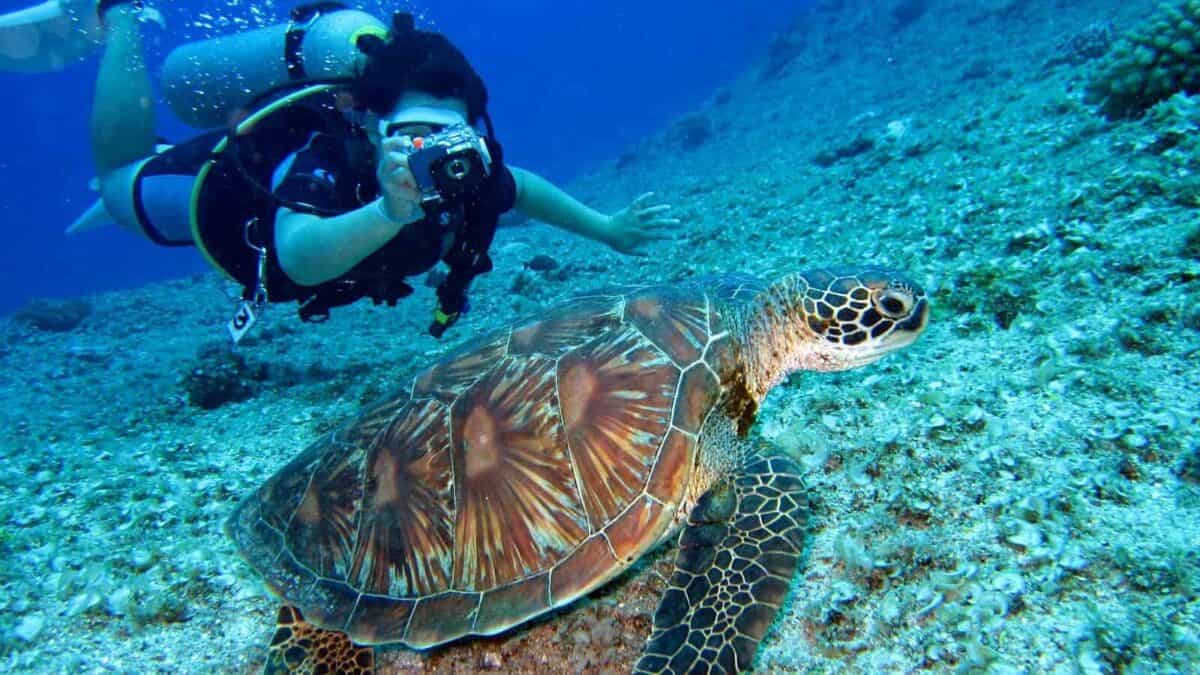
Natal homing in sea turtles refers to the instinctive behavior where female turtles return to the beach where they were born to lay their own eggs. This phenomenon, also called philopatry, isn’t unique to sea turtles but is particularly dramatic in these species given the vast distances they travel. Research has documented sea turtles returning to their natal beaches with remarkable precision, sometimes within just a few kilometers of their original hatching site.
This behavior has been observed across all seven species of sea turtles, from the massive leatherback to the smaller Kemp’s ridley, though the strength of natal homing varies between species. For instance, loggerhead turtles demonstrate extremely strong natal homing, while olive ridleys may show more flexibility in their nesting site selection.
Evolutionary Advantages of Beach Fidelity

The evolution of natal homing confers significant advantages to sea turtle populations. By returning to the beaches where they successfully hatched, females essentially select sites that have proven viable for egg development and hatchling survival. This strategy increases the likelihood that their offspring will also survive. Beaches with suitable sand temperature, minimal predation, low human disturbance, and appropriate tide levels offer better chances for successful reproduction.
Over millions of years, natural selection has favored turtles with strong homing abilities, as they consistently produce more surviving offspring than those that nest on less suitable beaches. This evolutionary adaptation helps explain why sea turtles have persisted through countless environmental changes, including ice ages and warm periods, for over 100 million years.
The Role of Magnetic Navigation

One of the most fascinating aspects of sea turtle navigation is their ability to use Earth’s magnetic field as a guidance system. Sea turtles possess specialized cells containing magnetite, a magnetic mineral that enables them to detect variations in the planet’s magnetic field. Each coastal area has a unique magnetic signature created by the angle and intensity of the magnetic field at that location. Scientists believe turtles imprint on the magnetic signature of their natal beach as hatchlings.
Years later, as mature females ready to nest, they can recall this magnetic map and use it to navigate back to the vicinity of their birthplace. Research by Dr. Kenneth Lohmann at the University of North Carolina has provided compelling evidence for this “magnetic map” hypothesis, showing that turtles can detect both magnetic field intensity and inclination angle, essentially giving them access to a natural GPS system.
Chemical Imprinting and Olfactory Navigation

Beyond magnetic navigation, chemical imprinting likely plays a significant role in natal homing. Each beach has a distinct chemical signature derived from its mineral composition, local vegetation, and other environmental factors. Researchers hypothesize that hatchling sea turtles imprint on these unique chemical cues during their first journey from nest to sea. When returning to nest, adult females may use olfactory navigation—following these chemical signatures—especially as they approach coastal waters.
Scientists have observed sea turtles exhibiting increased sampling behaviors, such as lifting their heads above water more frequently, as they near their nesting beaches, suggesting they might be detecting airborne chemical cues. This multi-sensory approach to navigation would explain the remarkable precision of their return, often to within a few kilometers of their hatching site.
The Journey Back: Timing and Triggers

The timing of a sea turtle’s return to her natal beach is governed by complex biological and environmental cues. Female sea turtles typically reach sexual maturity between 10 and 30 years of age, depending on the species. Once mature, most species nest every 2-4 years, though the interval varies based on food availability and environmental conditions. Hormonal changes triggered by seasonal shifts in daylight, water temperature, and food abundance initiate the nesting migration.
These journeys often coincide with specific seasons—for example, loggerheads in Florida typically nest between May and August. During a single nesting season, a female may lay multiple clutches of eggs (typically 3-7), spaced about two weeks apart, returning to the ocean between nestings. This reproductive strategy maximizes genetic diversity while ensuring eggs are laid under optimal seasonal conditions.
Species-Specific Nesting Behaviors

While all sea turtle species exhibit natal homing, their specific nesting behaviors vary considerably. Leatherback turtles, the largest sea turtle species, show relatively flexible nesting site selection compared to other species, though they still return to their general natal region. Green turtles demonstrate some of the strongest natal homing precision, often returning to within a few kilometers of their hatching site.
Hawksbill turtles frequently nest on small island beaches throughout tropical oceans, while Kemp’s ridleys are famous for their synchronized mass nesting events called “arribadas,” where thousands of turtles come ashore simultaneously at specific beaches in Mexico. Loggerhead turtles, with nesting sites across temperate and subtropical regions, often demonstrate remarkable navigational precision despite having some of the longest migration routes, sometimes exceeding 8,000 miles between feeding and nesting grounds.
The Role of Ocean Currents and Geography
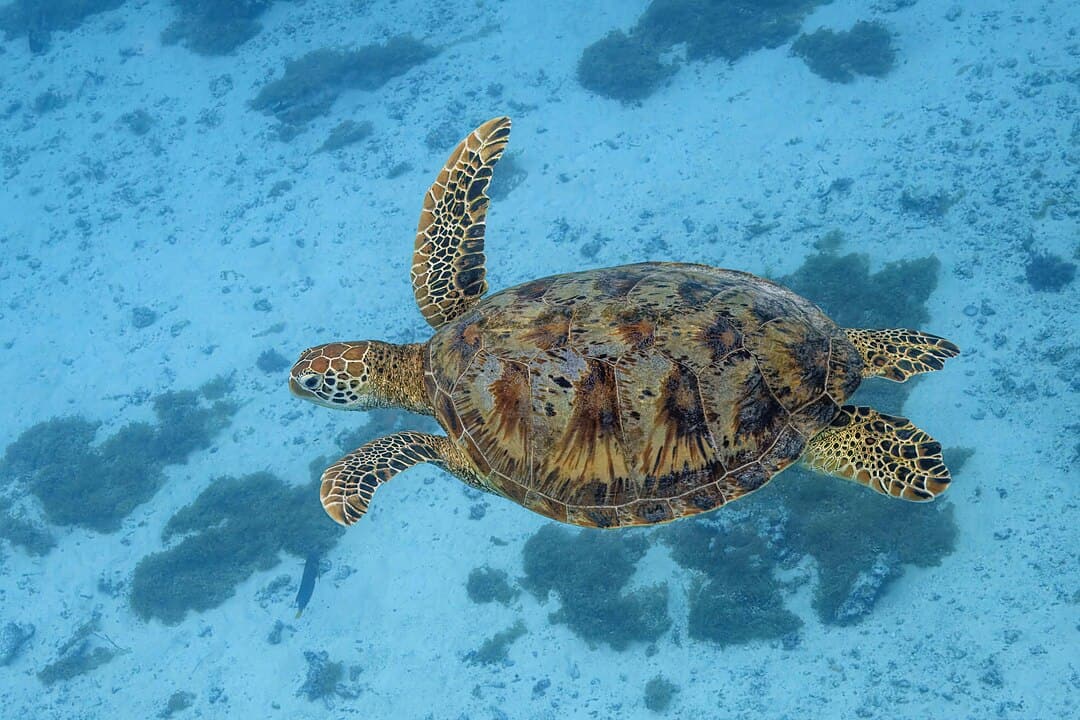
Ocean currents play a crucial role in sea turtle navigation and the development of natal homing behavior. As hatchlings, sea turtles enter a period called the “lost years,” during which they drift with ocean currents, often within major circular current systems called gyres. These currents help distribute young turtles to feeding grounds, but they also impart important navigational information.
Research suggests that as turtles mature, they develop a detailed map of ocean currents, coastal geography, and bathymetry (underwater topography). This knowledge helps them navigate back to their natal beaches years later. Interestingly, geography itself may influence the strength of natal homing behaviors. On isolated islands with limited suitable nesting habitat, turtles show stronger natal site fidelity compared to those that hatch on long, continuous mainland beaches, where suitable nesting habitat may extend for hundreds of kilometers.
Challenges to Natal Homing in the Modern World

The remarkable natal homing behavior of sea turtles faces unprecedented challenges in today’s world. Light pollution from coastal development disorients both nesting females and emerging hatchlings, often with fatal consequences. Beach erosion, sea level rise, and coastal armoring (seawalls, rock barriers) reduce or eliminate suitable nesting habitat. Ocean pollution, particularly plastic debris, can interfere with turtles’ sensory abilities, potentially disrupting their navigation systems.
Climate change poses perhaps the greatest threat, as rising temperatures affect sand temperatures, which determine hatchling sex ratios (warmer temperatures produce more females). Increasingly extreme weather events damage nesting beaches, while shifting ocean currents and changing magnetic fields due to geomagnetic shifts may confuse turtles’ navigational systems. These combined pressures have contributed to all seven sea turtle species being classified as threatened or endangered.
Conservation Implications of Beach Fidelity

The strong natal homing behavior of sea turtles has significant implications for conservation efforts. Because turtles return to specific beaches, protection of these key nesting sites becomes crucial for species survival. Conservation organizations and government agencies have established protected areas at major nesting beaches worldwide, implementing measures such as nighttime monitoring, predator control, and restrictions on coastal development.
Beach renourishment projects must carefully consider sand quality and temperature characteristics to maintain suitable nesting conditions. The high site fidelity also means that if a nesting beach is destroyed or rendered unsuitable, those turtles may not simply relocate to another beach—they may continue attempting to nest in suboptimal locations or cease nesting altogether. This makes each nesting beach essentially irreplaceable from a conservation perspective, heightening the urgency of protection efforts.
Research Methods and Tracking Technologies

Scientists use increasingly sophisticated methods to study sea turtle natal homing. Flipper tagging programs, some running continuously since the 1950s, provide long-term data on nesting frequency and site fidelity. Satellite transmitters attached to turtles’ carapaces track their oceanic migrations in near real-time, revealing previously unknown movement patterns. Genetic analysis allows researchers to determine population structures and the degree of natal homing precision. Stable isotope analysis of tissues can reveal feeding ground locations and migration patterns.
Experimental studies using magnetic field manipulations have demonstrated turtles’ sensitivity to Earth’s geomagnetic field. Most recently, environmental DNA (eDNA) techniques can detect turtle presence from water samples, while drone surveys provide non-invasive monitoring of nesting beaches. These combined approaches have revolutionized our understanding of sea turtle navigation and nesting behaviors, though many mysteries remain about the precise mechanisms of their remarkable homing abilities.
Cultural Significance and Traditional Knowledge

The predictable return of sea turtles to specific beaches has cultural significance for many coastal communities worldwide. Indigenous peoples in regions from the Caribbean to the Pacific have incorporated sea turtle migrations into their cultural calendars and traditional ecological knowledge systems for thousands of years. In some cultures, the arrival of nesting turtles marks seasonal transitions or triggers ceremonial events.
Traditional knowledge often includes detailed understanding of nesting beach characteristics, timing of arrivals, and behavioral patterns that complement scientific research. In places like Tortuguero, Costa Rica—now famous for its green turtle nesting beach—generations of local knowledge preceded formal scientific studies. Many successful conservation programs integrate this traditional ecological knowledge with scientific approaches, recognizing that coastal communities have observed and interacted with nesting sea turtles across many human generations, offering insights that short-term scientific studies might miss.
The Next Generation: From Egg to Ocean

The cycle of natal homing begins with the next generation’s journey from nest to ocean. After approximately 60 days of incubation, hatchlings emerge simultaneously, usually under cover of darkness, and make their way to the sea in what biologists call “the hatchling frenzy.” During this crucial journey of a few hundred meters, the tiny turtles—usually weighing less than 50 grams—are imprinting on multiple environmental cues. They appear to register the magnetic signature of the beach, chemical characteristics of the sand and water, and potentially visual landmarks.
Once in the water, hatchlings swim frantically for 24-48 hours to reach offshore currents, a period known as the “swimming frenzy.” The environmental information gathered during these first critical hours will remain dormant until the turtle matures and begins its own reproductive migration decades later. Amazingly, despite the many years and thousands of miles that intervene, the imprinted information remains sufficiently intact to guide the adult turtle back to its birthplace.
Conclusion: The Enduring Mystery of Sea Turtle Navigation
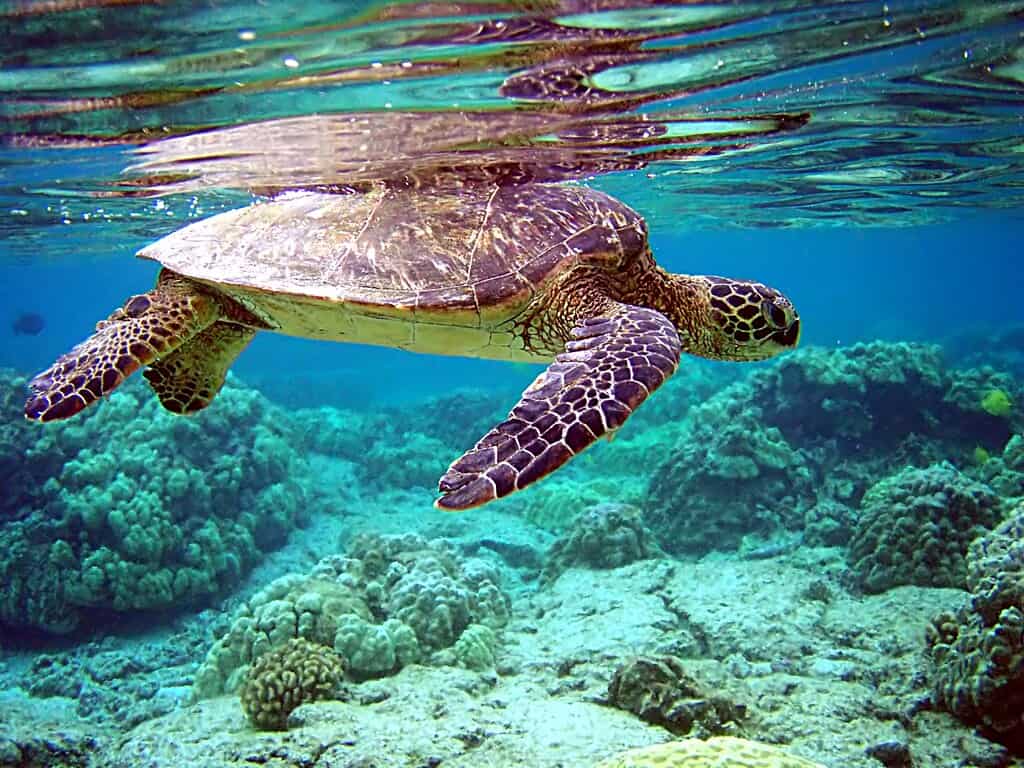
The remarkable ability of sea turtles to return to their natal beaches represents one of nature’s most impressive navigational feats and continues to inspire scientific research and conservation efforts worldwide. Through a sophisticated combination of magnetic navigation, chemical imprinting, and possibly other sensory mechanisms not yet fully understood, these ancient mariners maintain connections to specific shorelines that span decades and thousands of miles.
This extraordinary behavior not only ensures the survival of their species but also creates profound connections between oceans and coastlines, linking marine and terrestrial ecosystems. As we face growing environmental challenges, understanding and protecting the natal homing behavior of sea turtles becomes increasingly important, not just for the turtles themselves but for the health of our planet’s interconnected ecosystems. The journey of the sea turtle—from hatchling to navigator to nesting mother—remains one of nature’s most poignant reminders of the remarkable adaptations that evolve when species develop deep connections to specific places.

From exploring the marine wonders in the Azores and witnessing the vast savannas of Kenya, to delving deep into the rich biodiversity of South Africa and traversing iconic landscapes in Australia and the US like Yellowstone, Chris's experiences are vast.
With a penchant for diving alongside sharks, the ocean holds a special place in his heart.
Through his academic insights, he champions wildlife conservation, striving with 'Animals Around The Globe' to cultivate a profound connection between humans and animals, enhancing our mutual appreciation.
Connect with him at Feedback@animalsaroundtheglobe.com.
- 13 Most Bizarre Things Washed Up on American Beaches - July 26, 2026
- Why More Animals Are Moving Into Urban Areas - July 26, 2026
- The Surprising Intelligence of Octopuses Explained - July 26, 2026