

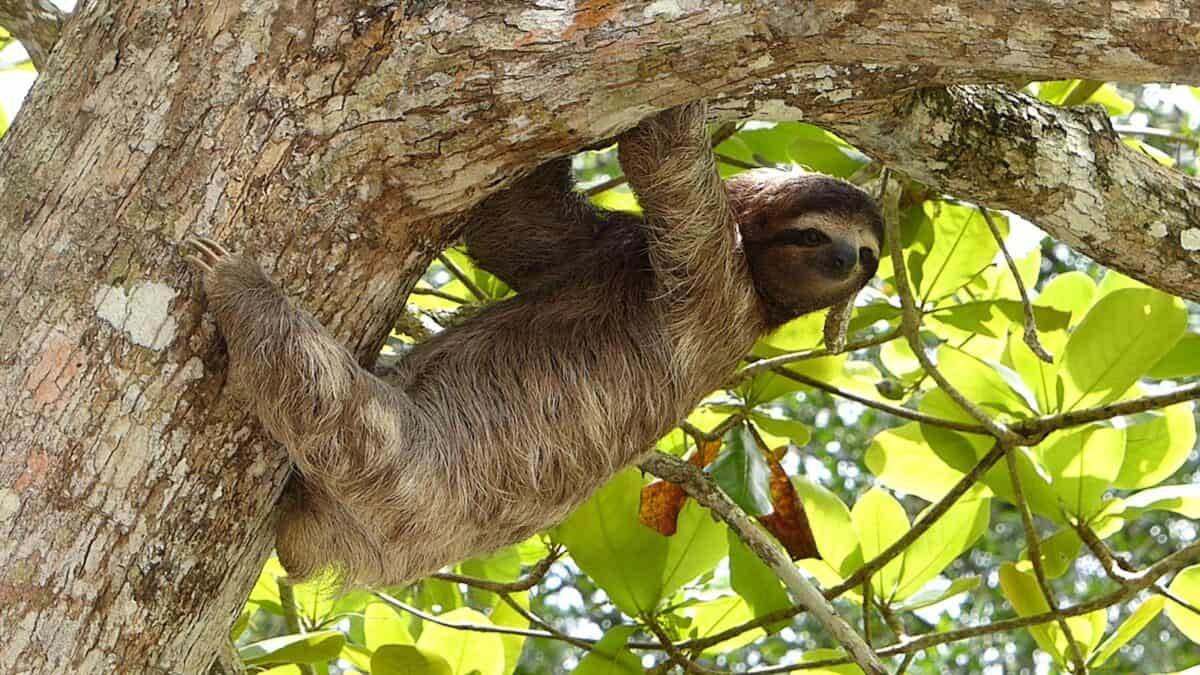
Sloths may not be the fastest creatures in the animal kingdom, but their unique adaptations have made them exceptional survivalists in the wild. These slow-moving mammals have captured the curiosity of researchers and animal enthusiasts alike, thanks to their distinct lifestyle and adaptations. In this article, we will explore why sloths are the ultimate survivalists, thriving in the seemingly leisurely pace of life.
Understanding Sloths: An Overview
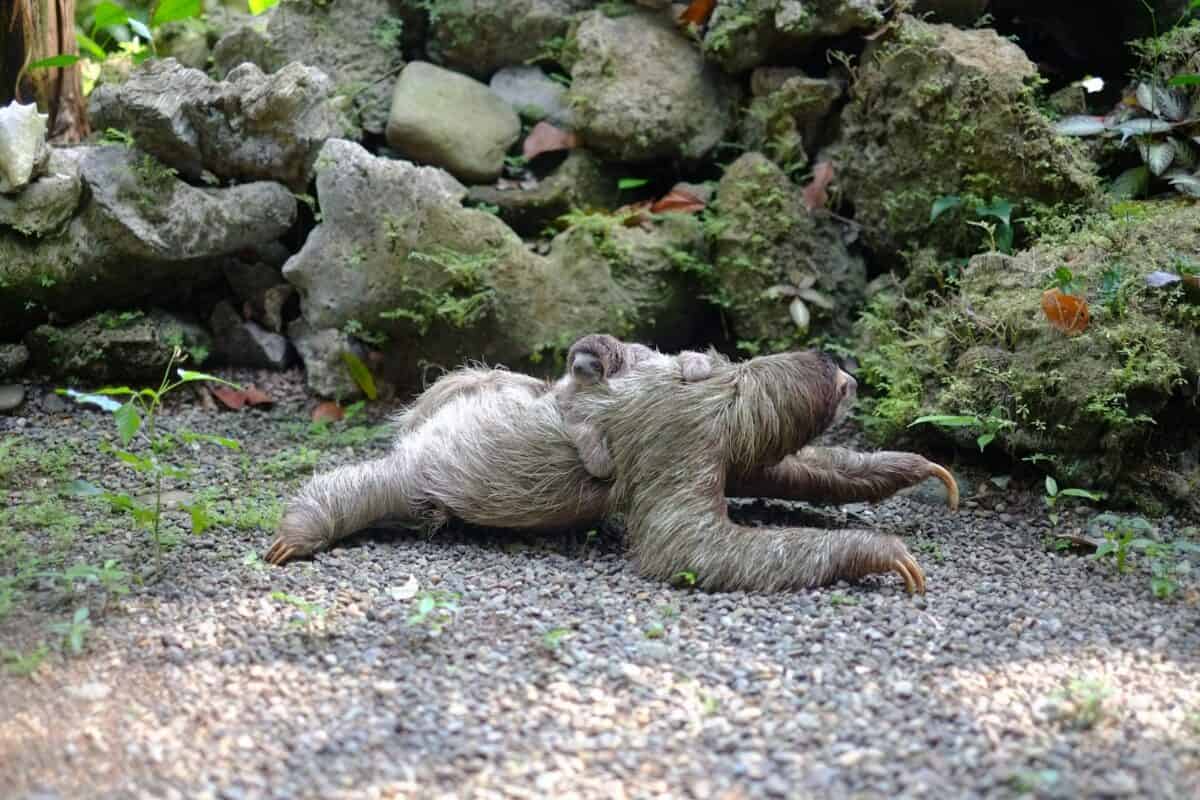
Sloths are a group of arboreal mammals known for their deliberate movements and tree-dwelling habits. They are primarily found in the rainforests of Central and South America. Comprising two major families, two-toed and three-toed sloths, these creatures have evolved to live life in the slow lane, offering unique insights into survival strategies in their natural habitat.
The Evolutionary Path of Sloths

The evolutionary history of sloths dates back to over 35 million years ago. Their ancestors were massive ground-dwellers, but today’s sloths have adapted to an arboreal existence. This transition equipped them with features designed for hanging and moving through trees with minimal energy use, protecting them from predators and environmental dangers.
Anatomy of Slow Motion: The Sloth’s Physique

One of the most compelling attributes of sloths is their unique physiological build, optimized for a slow lifestyle. Their muscles are adapted for endurance rather than speed, allowing them to hang from branches for extended periods. Additionally, their long limbs and curved claws serve as an effective mechanism for clutching branches and hanging effortlessly.
Metabolic Rates: The Secret to Sloth Survival
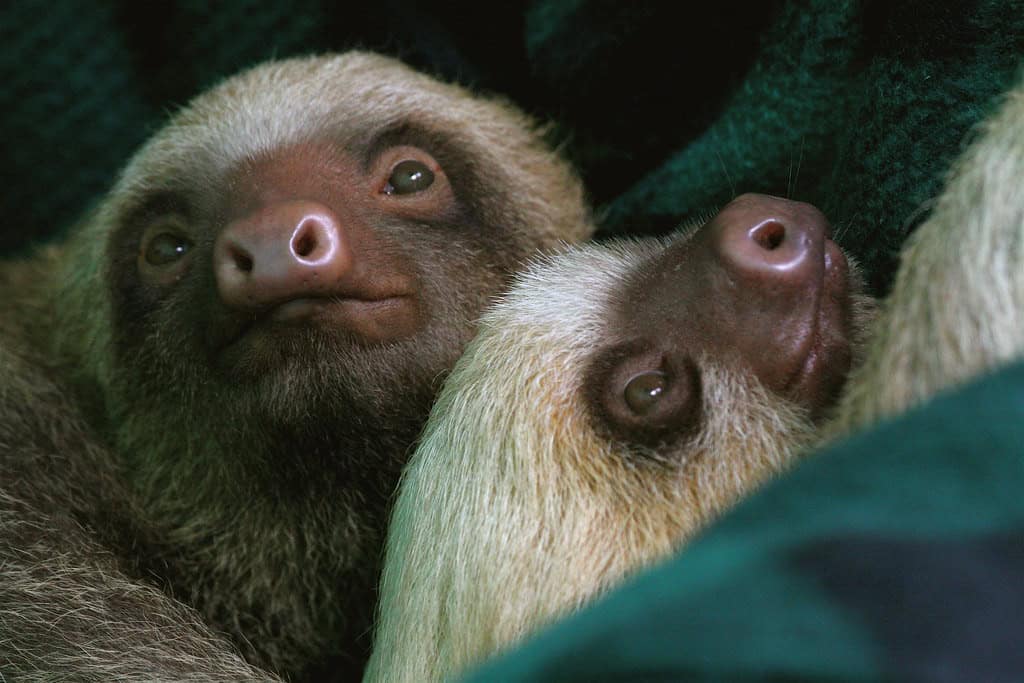
Sloths have one of the slowest metabolic rates among mammals, which is a crucial factor in their survival. This energy-efficient lifestyle enables them to thrive on a diet primarily consisting of leaves, which are low in nutrients. By conserving energy, sloths can survive in their nutrient-sparse environment without expending valuable resources on rapid movements.
Camouflage: A Natural Defense Mechanism

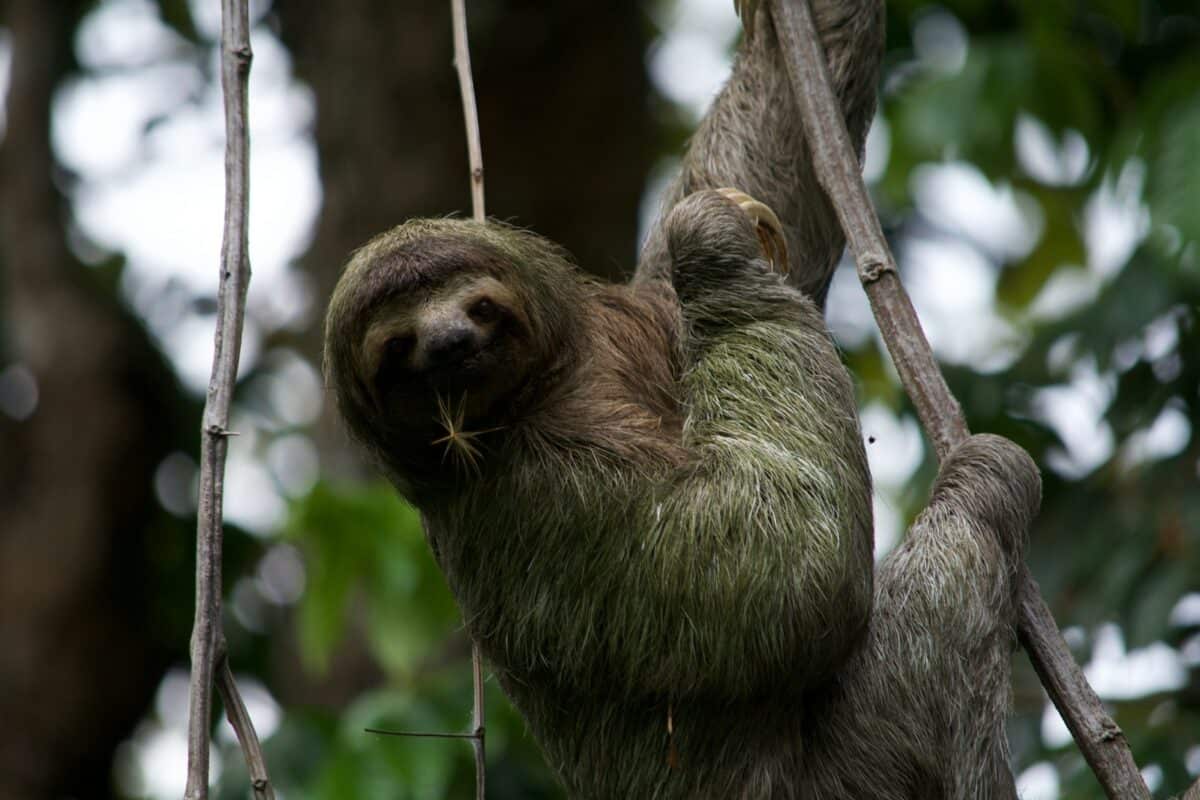
The sloth’s fur hosts a unique ecosystem of its own. Algae and microorganisms grow on their fur, providing them with a greenish tint that helps them blend seamlessly with their surroundings. This natural camouflage acts as a first line of defense against predators, making sloths exceedingly difficult to spot in the wild.
Slows and Steady: Behavioral Adaptations

Sloths spend most of their lives hanging upside down in trees. This vertical lifestyle minimizes encounters with predators and competitors. Their slow pace also ensures that they do not draw attention to themselves, a principle of survival where remaining undetected is often as crucial as overt defensive strategies.
Digestive Excellence in Sloths
The sloth’s digestive system is tailor-made for processing its fibrous diet. Sloths possess a complex, multi-chambered stomach that efficiently breaks down tough plant material over weeks. This slow digestion process is perfectly aligned with their lifestyle, maximizing nutrient extraction from each meal.
Breathing Techniques: Conserving Oxygen
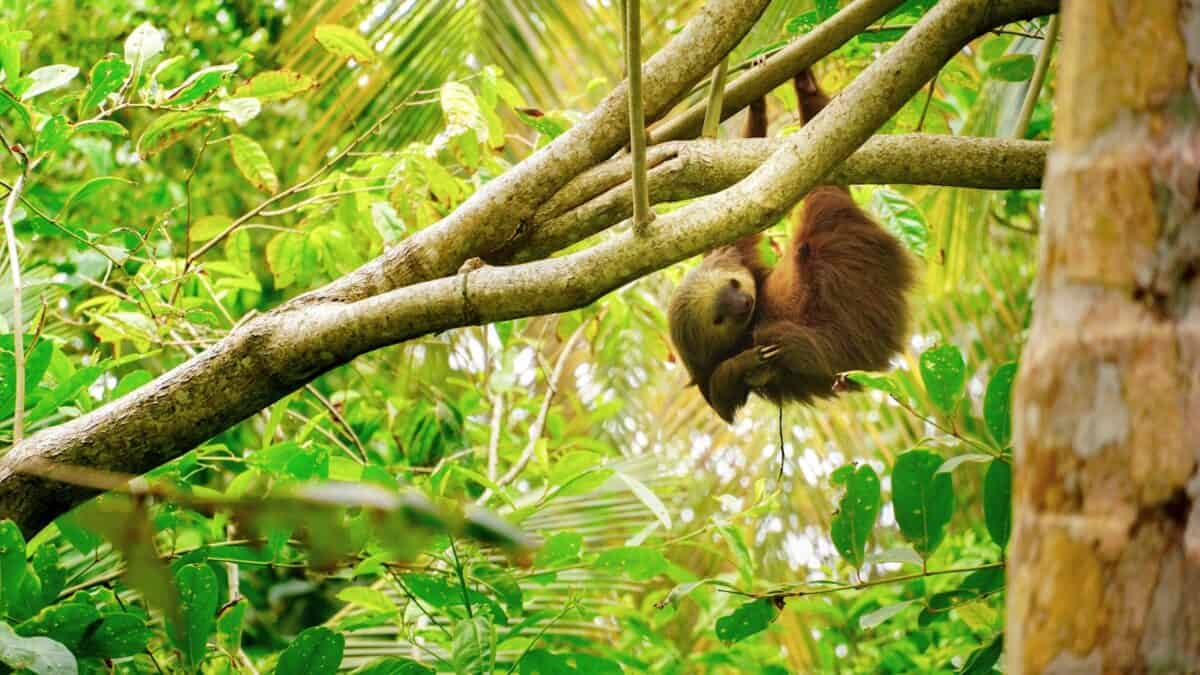
Sloths exhibit an extraordinary breathing technique where they can alter their breathing rate to conserve energy and oxygen. By holding their breath for extended periods while submerged, they continue foraging even in water, adding another layer of survival adaptability in varying environments.
Sloths and the Biodiversity of Rainforests
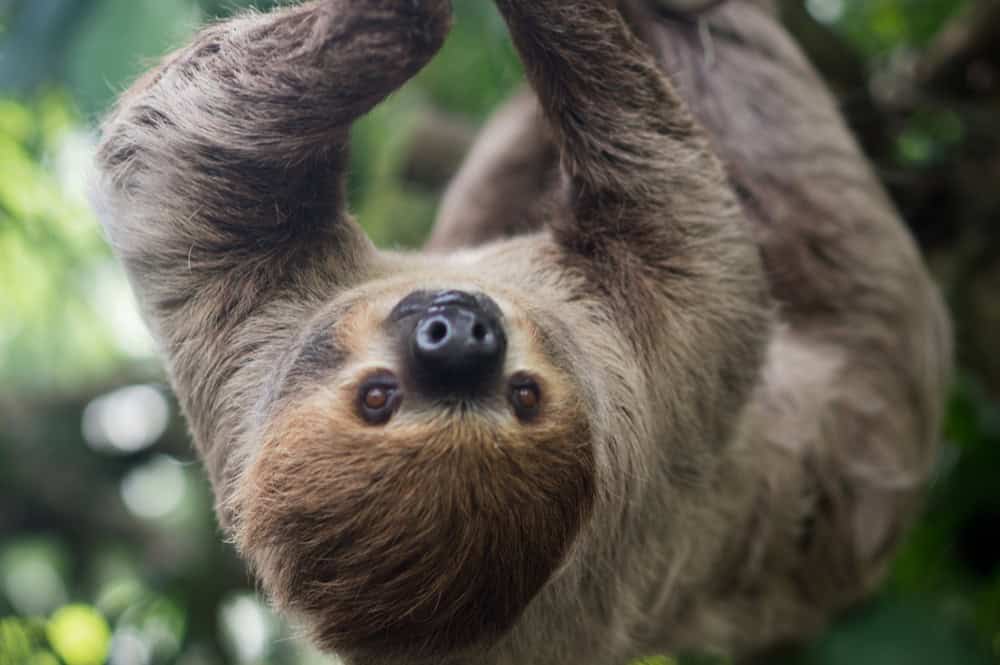
Sloths play a significant ecological role by fostering biodiversity in rainforest ecosystems. Their fur provides a home for countless species of insects and algae. By being hosts to these organisms, sloths contribute to the ecological balance, emphasizing the interdependence of rainforest inhabitants.
Threats and Conservation Efforts

Despite their incredible adaptations, sloths face numerous challenges, including habitat destruction and human encroachment. Conservation efforts are crucial to protect their habitats and ensure their survival. Environmental agencies and local conservation groups are working tirelessly to raise awareness and instigate change.
The Magnetic Appeal of Sloths

Beyond their biological intrigue, sloths have captured the imaginations of people worldwide due to their endearing nature and unique lifestyle. Social media and ecotourism have amplified interest in sloths, playing a pivotal role in fostering conservation awareness and support globally.
Lessons from the Sloth: Adapting to a Changing World
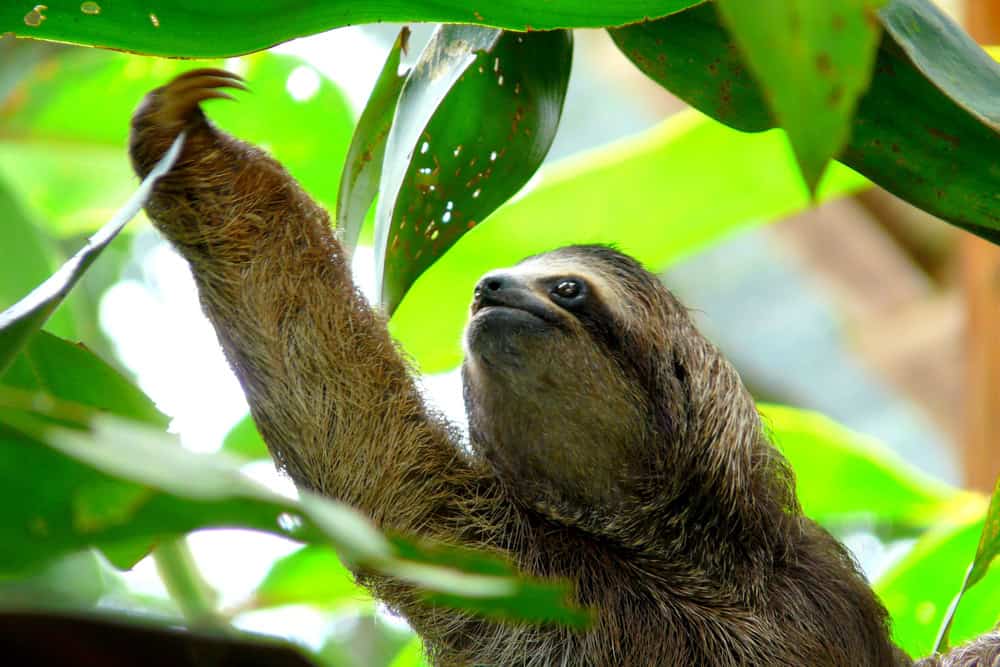
Sloths demonstrate that survival is not solely about speed or strength; it’s about making the best of available resources and adapting to one’s environment. Their lifestyle is a testament to the effectiveness of conservation in nature and serves as a reminder of the crucial balance needed to maintain biodiversity.
Conclusion

Sloths epitomize the art of survival in slow motion, embodying strategies that have enabled them to thrive for millions of years. Their remarkable adaptations highlight the importance of biodiversity and ecological harmony. By understanding and protecting sloths, we preserve not just an iconic species, but an invaluable piece of our natural world’s intricate tapestry.

From exploring the marine wonders in the Azores and witnessing the vast savannas of Kenya, to delving deep into the rich biodiversity of South Africa and traversing iconic landscapes in Australia and the US like Yellowstone, Chris's experiences are vast.
With a penchant for diving alongside sharks, the ocean holds a special place in his heart.
Through his academic insights, he champions wildlife conservation, striving with 'Animals Around The Globe' to cultivate a profound connection between humans and animals, enhancing our mutual appreciation.
Connect with him at Feedback@animalsaroundtheglobe.com.
- Why Flamingos Are Flocking to New Jersey’s Salt Marshes - July 20, 2026
- How a Giant Sloth Skeleton Changed Evolution Theories - July 20, 2026
- The Wildlife Cost of Your Chocolate Bar—and How to Make Ethical Choices - July 20, 2026