
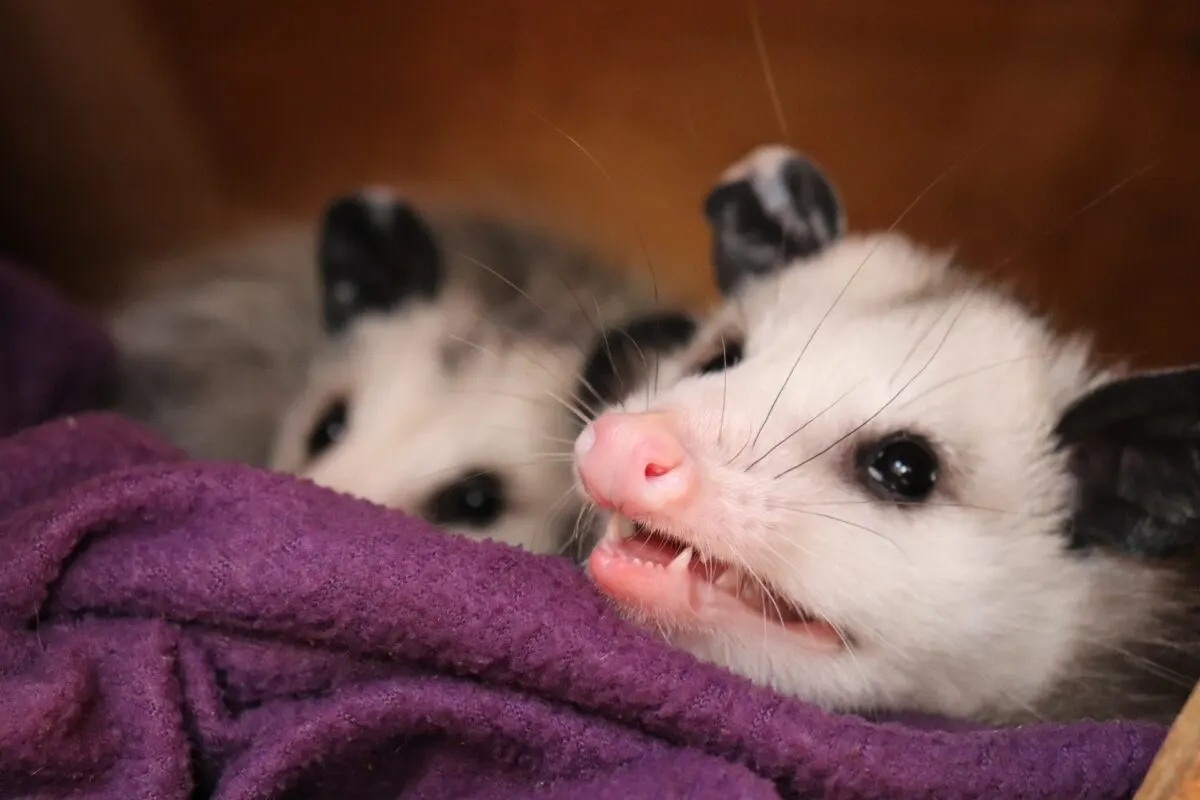
In the wild, survival requires cunning strategies, and playing dead is one of nature’s most remarkable defense mechanisms. This behavior, scientifically known as thanatosis or death feigning, is employed by various species across the animal kingdom as a last-resort survival tactic. From opossums to certain snake species, insects, and even birds, the ability to convincingly mimic death can mean the difference between surviving a predator encounter and becoming a meal. This fascinating adaptation showcases the incredible ingenuity of evolution and the lengths to which creatures will go to preserve their lives. Let’s explore why and how animals employ this deceptive survival strategy, the science behind it, and the various species that have mastered the art of playing possum.
The Science Behind Playing Dead

Thanatosis, or tonic immobility, is more than just an animal playing pretend—it’s a complex physiological response triggered by threat perception. When an animal enters this state, its body undergoes significant changes: heart rate may slow, muscles become rigid, and breathing can appear to stop entirely. This response is typically involuntary and controlled by the autonomic nervous system, similar to our own fight-or-flight response. Research has shown that in some species, specialized neurons trigger a temporary paralysis, while in others, hormones flood the system to create a death-like state. The biological mechanisms vary widely between species, but the end goal remains the same: to appear so convincingly dead that a predator loses interest. This remarkable physiological shutdown can last from seconds to hours, depending on the species and the severity of the perceived threat.
The Opossum: Nature’s Oscar Winner

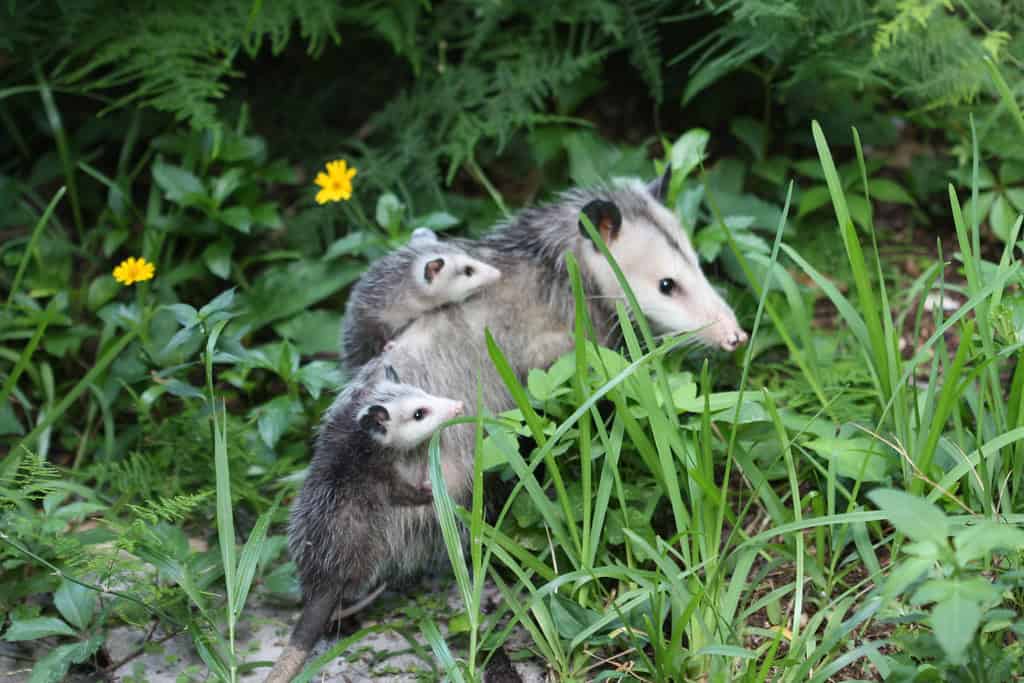
North America’s Virginia opossum (Didelphis virginiana) is perhaps the most famous death-feigner in the animal kingdom. When threatened, these marsupials don’t simply play dead—they enter an involuntary comatose-like state that can last for hours. Their lips pull back in a grimace, they secrete a foul-smelling liquid from anal glands, and their bodies become limp and unresponsive. This elaborate performance is so convincing that predators typically abandon what they perceive as a rotting carcass. Remarkably, during this state, the opossum’s breathing slows dramatically, and its heart rate can drop by over 50%. This isn’t a conscious act of playing pretend, but rather an involuntary physiological response triggered by extreme fear—essentially, the opossum faints from fright. This adaptation has served the species well, contributing to opossums being one of the oldest surviving mammal species in North America, with a lineage dating back 70 million years.
Insects and Arachnids: Masters of Deception
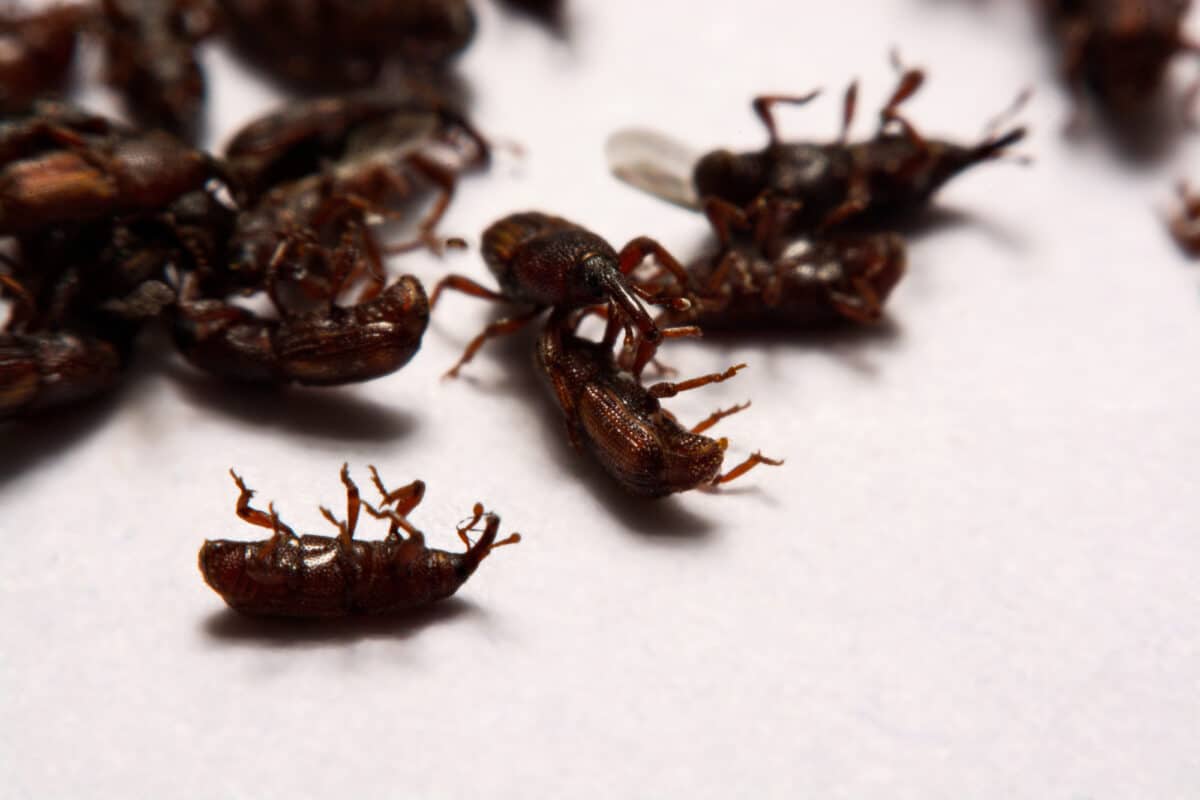
The insect world contains some of the most prolific practitioners of thanatosis. Many beetles, including the rice weevil and the cinnabar beetle, will collapse and remain motionless when disturbed. Studies have shown that some insects can maintain this state for impressive periods—certain species of ground beetles can play dead for up to 20 minutes. The hognose beetle takes death-feigning to another level by tucking in its legs and antennae tightly against its body, enhancing its corpse-like appearance. Among arachnids, several spider species employ this tactic when confronted by larger predators. The nursery web spider, when threatened, will drop from its web, curl its legs, and remain immobile on the ground below. What makes insect thanatosis particularly fascinating is that, unlike in some mammals, it appears to be a more calculated response rather than purely involuntary, with some species showing the ability to “decide” when to employ this strategy based on the specific threat level.
Reptilian Trickery: Snakes That Play Dead

Several snake species have evolved impressive death-feigning behaviors, with the eastern hognose snake (Heterodon platirhinos) being the most theatrical performer. When threatened, this snake will flatten its head and neck like a cobra, hiss loudly, and strike repeatedly—but rarely bite. If this intimidation display fails, the hognose transitions to plan B: it rolls onto its back, opens its mouth, lets its tongue hang out, and may even discharge a foul-smelling musk while releasing blood from its cloaca. This snake commits so fully to the performance that even if flipped right-side up, it will immediately roll onto its back again—as if insisting that dead snakes must lie belly-up. The grass snake of Europe exhibits similar behavior, sometimes remaining in its death pose for over 15 minutes. These reptilian performances demonstrate how thanatosis has evolved independently across different animal groups, highlighting its effectiveness as a survival strategy across vastly different ecological niches.
Birds: Feathered Actors
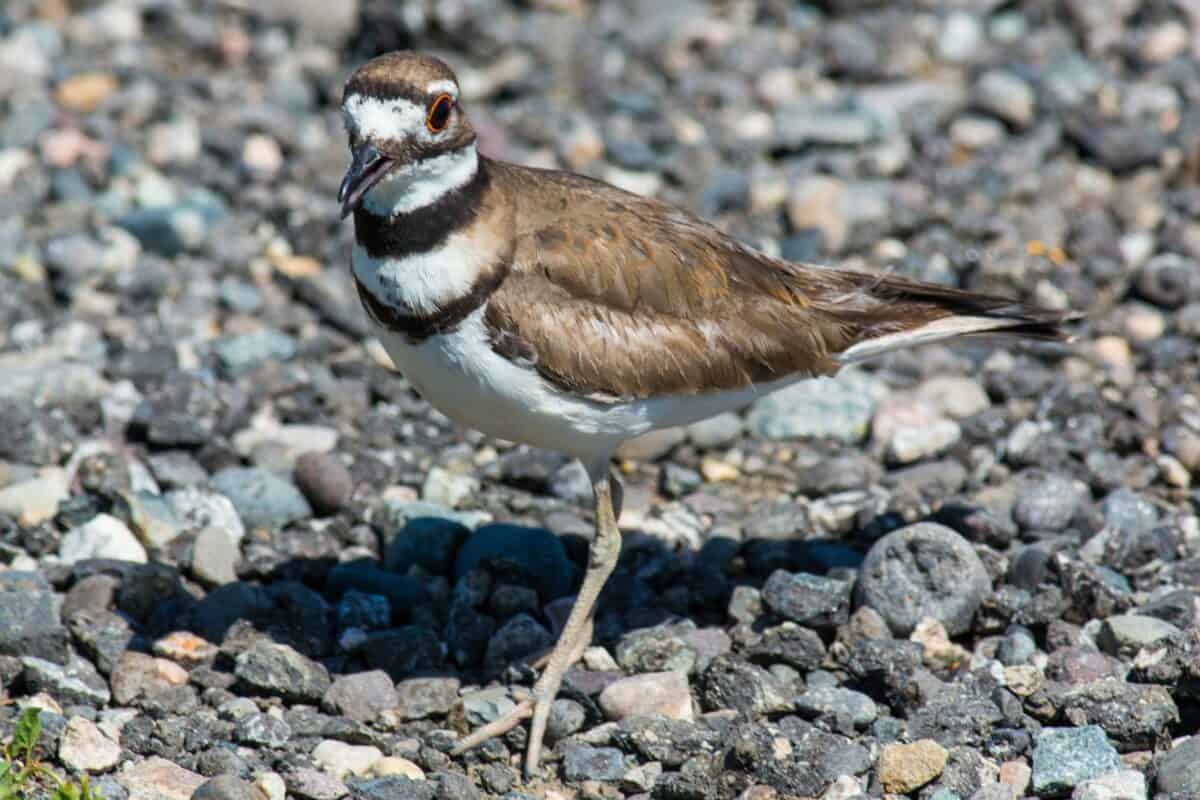
Though less common among birds, several species employ death-feigning as a defense strategy. The killdeer (Charadrius vociferus) is known for its “broken wing display,” where it pretends to be injured to lure predators away from its nest, but some birds take playing dead to a more extreme level. Young blue tits may fall into a trance-like state when handled, appearing completely lifeless until released. The hognose snake isn’t the only animal named for this behavior—the American woodcock is sometimes called the “timber doodle” for its habit of freezing in place or flopping over when threatened. Perhaps most dramatic is the behavior of certain ground-nesting birds like the Eurasian wryneck, which, when threatened at its nest, will stretch out its neck, close its eyes, and become completely immobile, resembling a small branch or twig. This behavior can persist even when the bird is handled, demonstrating the powerful neurological mechanisms behind thanatosis in avian species.
Evolutionary Advantages of Playing Dead
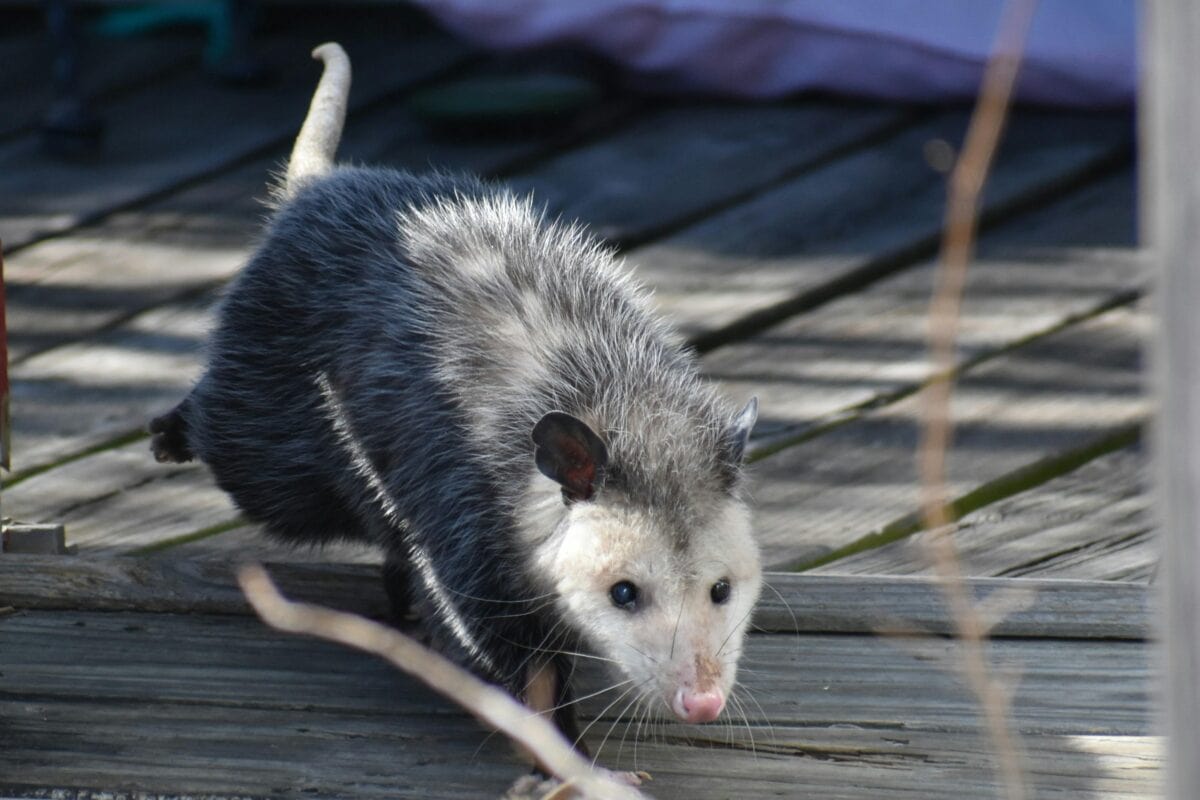
Death-feigning has evolved independently across multiple animal lineages, suggesting strong selective pressure favoring this adaptation. The primary evolutionary advantage is straightforward: many predators are triggered to hunt by movement and lose interest in prey that appears dead. Additionally, some predators specifically avoid scavenging or prefer fresh kills, making apparently dead prey unappealing. Research published in the journal Behavioral Ecology suggests that thanatosis is particularly effective against visually-oriented predators that use movement to identify prey. From an evolutionary perspective, playing dead represents a fascinating example of convergent evolution—where unrelated species develop similar traits in response to similar environmental pressures. The widespread occurrence of this behavior across vastly different animal groups underscores its effectiveness as a survival strategy. Recent studies have even suggested that thanatosis may offer additional benefits beyond predator avoidance, including conserving energy during threat encounters and reducing the likelihood of injury compared to flight or fight responses.
Aquatic Animals and Their Death-Feigning Behaviors
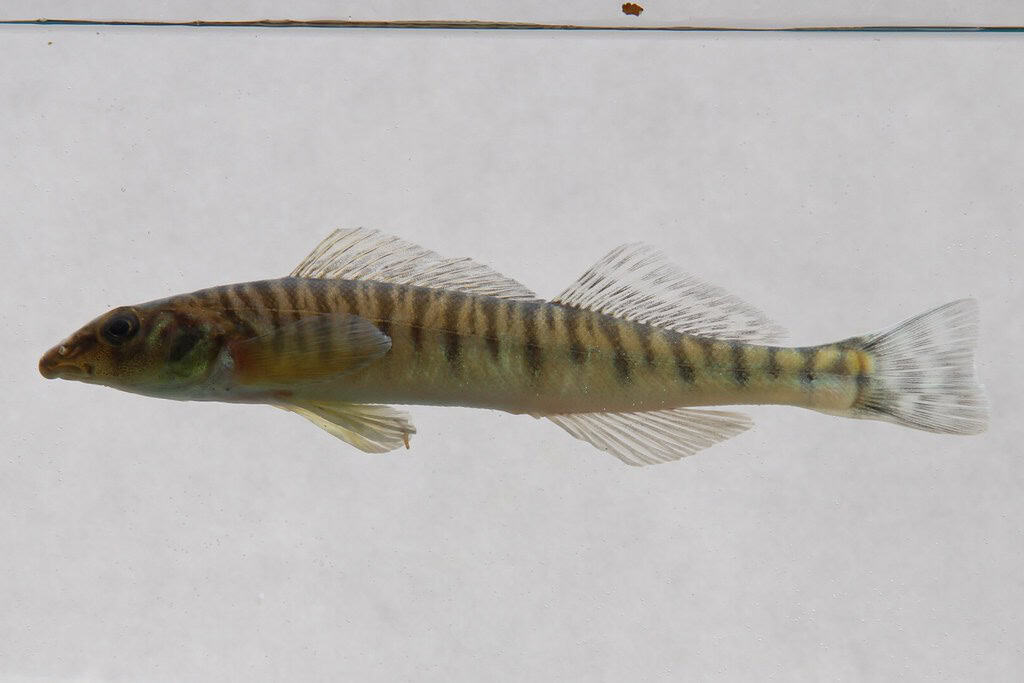
Death-feigning behaviors aren’t limited to land animals—several aquatic species employ similar strategies. The Tennessee logperch, a small freshwater fish, will float motionless on its side when caught, appearing dead until released back into the water. Some shark species, particularly the lemon shark, exhibit a state called tonic immobility when turned upside down, entering a trance-like state that researchers sometimes use to safely study these animals. Perhaps most surprisingly, certain octopus species will float lifelessly with arms dangling when threatened, mimicking dead sea life. The triggerfish takes a different approach—when threatened, it can lock itself into crevices and appear rigid and lifeless. These aquatic examples of thanatosis demonstrate how this survival strategy has evolved to work in completely different environments, with the same underlying principle: appearing dead or uninteresting to potential threats increases survival chances. Marine biologists have noted that these behaviors may have additional benefits in aquatic environments, such as allowing smaller fish to drift with currents away from predators while appearing to be already-dead floating debris.
Playing Dead as a Hunting Strategy

Interestingly, thanatosis isn’t exclusively a defensive mechanism—some predators have evolved to use death-feigning as a hunting strategy. The eastern hognose snake, already mentioned for its defensive death-feigning, sometimes employs a similar strategy when hunting, remaining completely still until prey comes within striking distance. Alligator snapping turtles possess a pink, worm-like appendage on their tongue that they wiggle while lying motionless with their mouths open, luring curious fish directly into their jaws. Similarly, certain species of anglerfish remain motionless on the ocean floor, waving only their lure to attract prey while the rest of their body appears inanimate. These examples represent a fascinating evolutionary twist—the co-option of a defensive behavior for offensive purposes. This dual application of thanatosis highlights the versatility of seemingly simple adaptations and demonstrates how natural selection can repurpose traits for different survival advantages depending on the ecological context and survival pressures.
The Neurological Mechanisms
The neurological underpinnings of thanatosis vary across species but typically involve complex interactions between the brain, endocrine system, and muscles. In mammals like opossums, intense fear triggers an involuntary parasympathetic nervous system response—essentially, the opposite of the fight-or-flight reaction—causing heart rate deceleration, muscle relaxation, and reduced responsiveness. Recent research using modern imaging techniques has revealed that during thanatosis, certain brain regions associated with fear and threat assessment show heightened activity while motor control areas are temporarily suppressed. In insects, specialized neurons appear to trigger muscle paralysis when certain threat stimuli are detected. A 2016 study published in Biology Letters found that death-feigning in the fire ant is linked to specific dopamine pathways, suggesting neurochemical control of this behavior. The duration and intensity of death-feigning responses can be influenced by factors including the animal’s age, prior experience with predators, and even genetic factors, highlighting the sophisticated neural control mechanisms that have evolved to fine-tune this survival strategy across different species.
When Playing Dead Goes Wrong

Despite its effectiveness, thanatosis isn’t a foolproof survival strategy. Some predators have evolved to recognize and circumvent this trick. Certain snake species will investigate apparently dead prey by nudging or biting it to provoke a response. Ravens and other corvids have been observed waiting patiently beside animals exhibiting thanatosis, essentially calling their bluff. In a more direct evolutionary response, some predators like foxes and wolves have developed behaviors to carry “dead” prey back to their dens—even if the prey is merely feigning death. For animals using thanatosis, the timing of “resurrection” is critical—emerge too soon, and the predator might still be present; wait too long, and another opportunistic predator might come along. There are also energy costs and vulnerability trade-offs associated with death-feigning, as the animal becomes temporarily defenseless against other threats while in this state. These limitations illustrate the evolutionary arms race between predator and prey, where survival strategies and counter-strategies continually evolve in response to each other.
Human Applications and Biomedical Research

The study of thanatosis has practical applications beyond understanding animal behavior. Medical researchers have investigated the physiological mechanisms behind tonic immobility to better understand conditions like cataplexy (sudden muscle weakness triggered by strong emotions) and certain forms of paralysis. The ability of some animals to dramatically slow their metabolic rates during thanatosis has inspired research into therapeutic hypothermia for trauma patients and potential applications for long-term space travel. Psychologists have drawn parallels between animal thanatosis and the human “freeze” response during traumatic events, suggesting evolutionary connections in how vertebrate brains process extreme threat. Some military training programs even incorporate lessons from animal thanatosis in survival techniques, teaching personnel when playing dead might be advantageous in certain combat scenarios. Perhaps most fascinating is the potential application in robotics—engineers have designed “death-feigning” robots that can appear to malfunction or shut down when detecting threats, potentially preserving their functionality until danger passes. These cross-disciplinary applications demonstrate how understanding natural adaptations can inspire innovations across multiple fields.
Conclusion: Nature’s Ultimate Survival Trick

Thanatosis represents one of nature’s most remarkable adaptations—a strategy that turns apparent vulnerability into a powerful survival mechanism. From insects to mammals, the ability to convincingly mimic death has evolved independently across diverse animal groups, underscoring its effectiveness as an anti-predator strategy. The physiological and neurological complexities behind this seemingly simple behavior reveal the sophisticated mechanisms that evolution has produced through natural selection. Beyond its scientific fascination, death-feigning provides a powerful metaphor for survival through adaptability rather than strength alone. As we continue to study and understand the intricacies of animal thanatosis, we gain not only insights into evolutionary biology but also potential applications in fields ranging from medicine to robotics. In the endless evolutionary arms race between predator and prey, playing dead remains one of the most dramatic and effective survival strategies—proving that sometimes, the best way to survive is to appear not to be alive at all.

- The Secret Language of Dolphins Decoded by Researchers - July 20, 2026
- 7 Animals That Can Survive Extreme Environments You Couldn’t - July 20, 2026
- The Longest Snake Ever Found in the U.S. - July 20, 2026