

There’s something quietly startling about spotting a peregrine falcon perched on a downtown skyscraper ledge, or finding a robin’s nest wedged neatly inside an old welding rig. It feels out of place until you realize it might not be out of place at all. Birds are doing this more and more, and for reasons that go deeper than mere curiosity or chance.
The story of birds nesting in strange, human-made locations is really a story about pressure and survival. Birds have been building nests for millions of years, typically selecting natural locations like trees, shrubs, cliff edges, or ground cavities. As human infrastructure expands and natural habitats diminish, many bird species have begun to adapt in surprising ways. What we’re witnessing now, in 2026, is both extraordinary and a little sobering.
Habitat Loss Is the Engine Behind the Shift
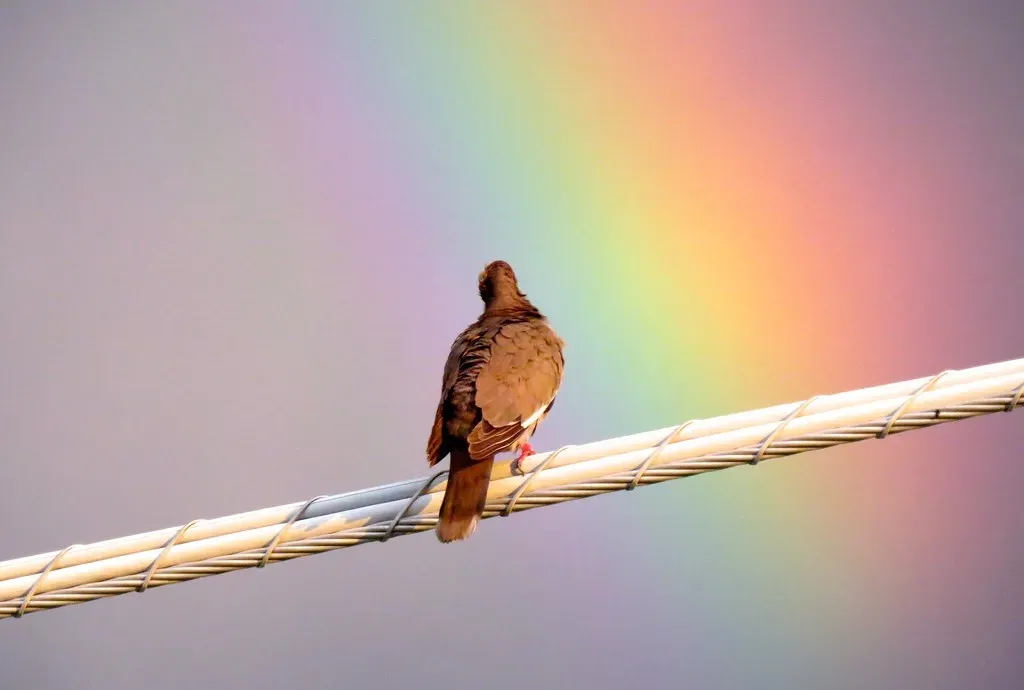
The world is urbanising rapidly, and by 2050, the vast majority of the global human population will be living in urban areas. Urbanisation is characterised by land-use changes such as increased residential housing, business development and transport infrastructure, resulting in habitat loss and fragmentation. For birds, that fragmentation is not abstract. It means fewer trees, fewer cliff faces, fewer quiet forest floors.
As development reaches into rural areas, many forests, if not fragmented or obliterated outright, are enveloped by human settlement. This has imposed great stress on avian populations, with many songbird species experiencing declines in some portion of their range. Nesting in a traffic light or a hanging flower basket isn’t whimsy. It’s improvisation under genuine pressure.
Urbanization has brought about changes in the resources upon which birds depend, such as habitat types and availability. To survive and breed successfully in urban environments, birds have had to adapt to trade-offs between the pressures specific to urban settings and the benefits that these new habitats offer.
Skyscrapers, Bridges, and Buildings as Stand-In Habitats
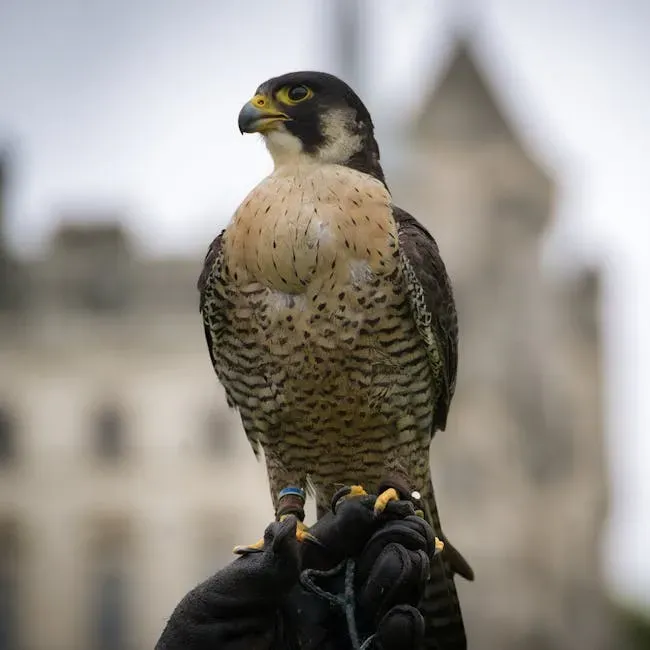
Tall buildings and skyscrapers mimic the high cliff ledges that peregrine falcons traditionally nest on. Cities also provide an abundant supply of prey such as pigeons and smaller birds. It turns out the concrete geometry of a city isn’t so different from a coastal cliff, at least from a falcon’s perspective.
It might seem counterintuitive, but in some measurable ways cities offer birds safer nesting conditions than the countryside. Cities provide additional and safer nesting sites compared to rural habitats. Fewer large predators patrol rooftops and building ledges than forest floors, and that matters enormously to a nesting bird. Urban peregrines, in fact, have shown real breeding success by exploiting this quirk of city geography.
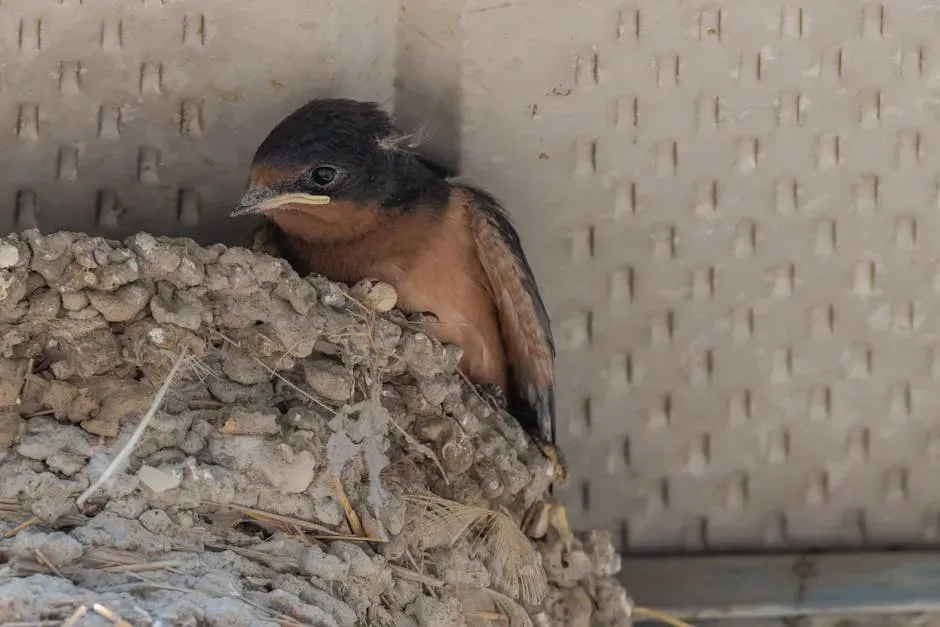
Barn swallows, who traditionally nest in caves and open structures in rural areas, have transitioned to nesting under bridges and highway overpasses, using these man-made structures to support their mud-built nests. This adaptation not only provides them with safe nesting sites away from many ground predators, but also places them near water sources where insects, their primary food source, are abundant.
The Birds That Make the Cut – and Those That Don’t
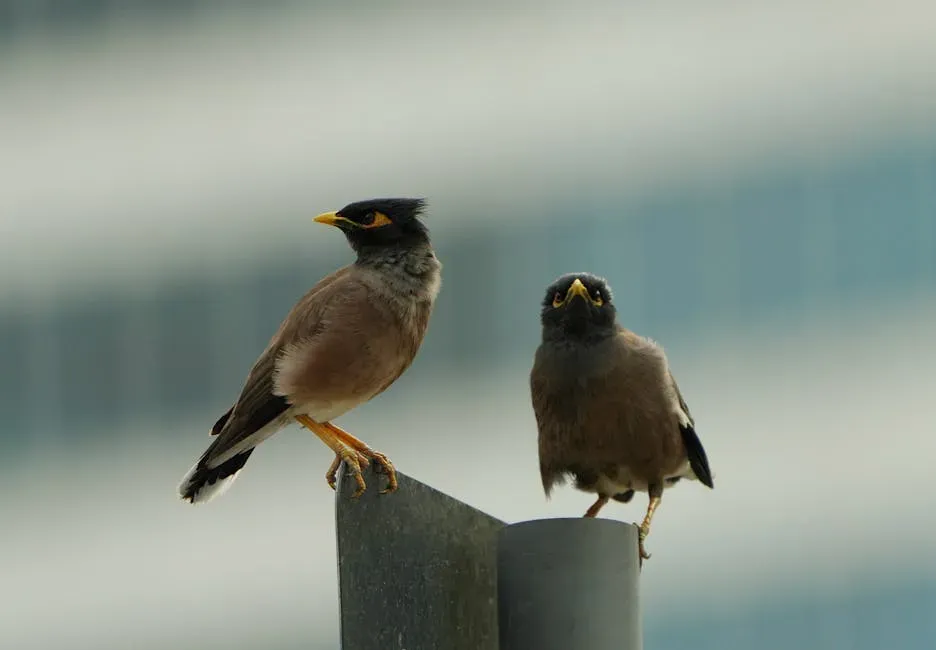
Not every species can pull off this kind of behavioral pivot. The birds with the highest urban-associated success share traits including smaller body size, lower territoriality, greater ability to fly over long distances, broader dietary preferences and habitat niches, and larger clutch sizes. Such traits make it easier for birds to find food and suitable nesting places in cities while raising offspring that survive.
Species negatively affected by urbanization tend to be insectivorous, ground-nesting, and short-distance migratory, the very ones that struggle to pivot when their habitat changes. The birds that thrive in city nesting environments tend to be generalists. The specialists, those tightly wired to a specific forest type or nesting substrate, often quietly disappear.
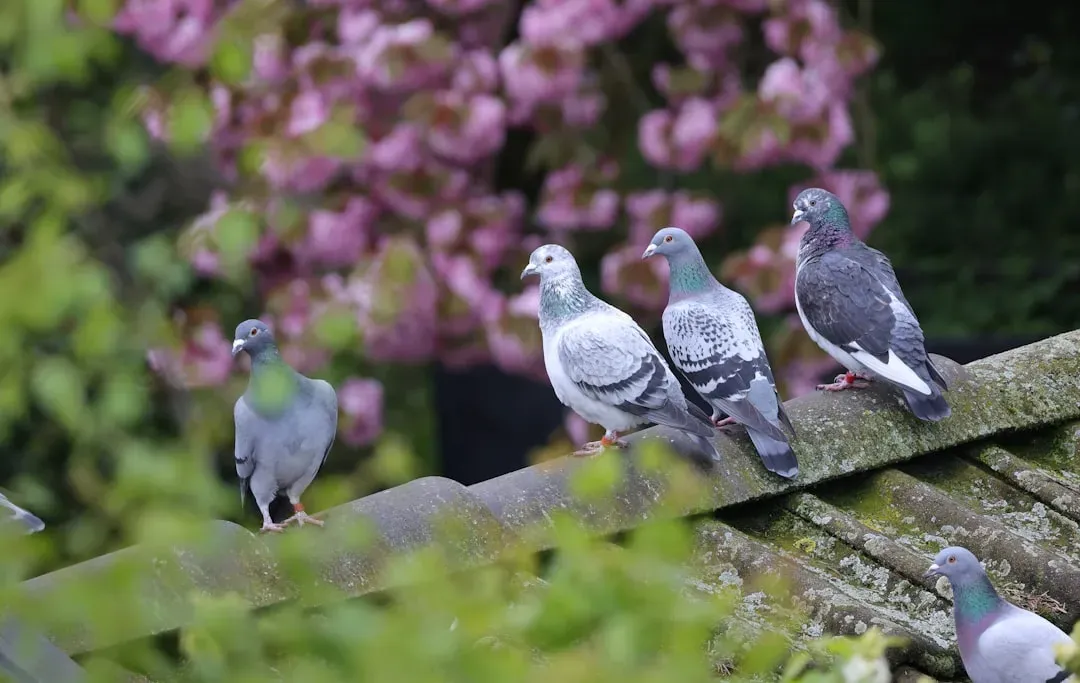
The birds that can’t adapt to urban pressures decline or disappear from cities entirely. The ones that can, including sparrows, finches, pigeons, crows, and starlings, become the dominant urban avifauna, often at the expense of less flexible species. That trade-off carries real ecological costs beyond the individual birds involved.
When Climate Change Rewrites the Nesting Calendar
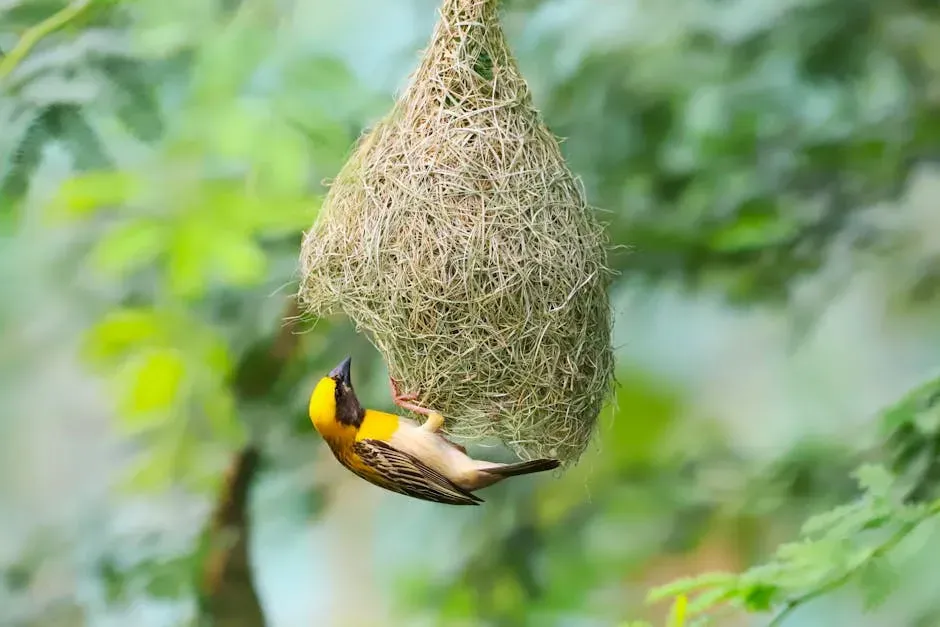
It’s not just where birds nest that’s changing. It’s also when, and how. Global warming may be causing birds to alter their nesting habits, with some species in Chicago laying their eggs nearly a month earlier than usual. These findings add to a growing body of research on how birds are affected by shifts in their environment.
Specifically, birds may be able to adapt to climate change via alterations in their nesting phenology, patterns of nest-site selection and changes in nest design. The timing of nesting is deeply tied to food availability, particularly the emergence of insects that feed chicks. When those windows shift, birds have to shift with them or face lower survival rates for their young.
Climate change may be upsetting various stages of a bird’s life cycle, from migration patterns to where and when they reproduce and build nests in the spring. If birds begin nesting earlier than normal, they run the risk of laying eggs during what climate scientists refer to as “false spring,” a short period of unusually warm weather in late winter that can trick vegetation and animals into thinking a new season has begun. It’s a miscue with serious consequences.
Nesting Materials Are Changing Too – and Not Always for the Better
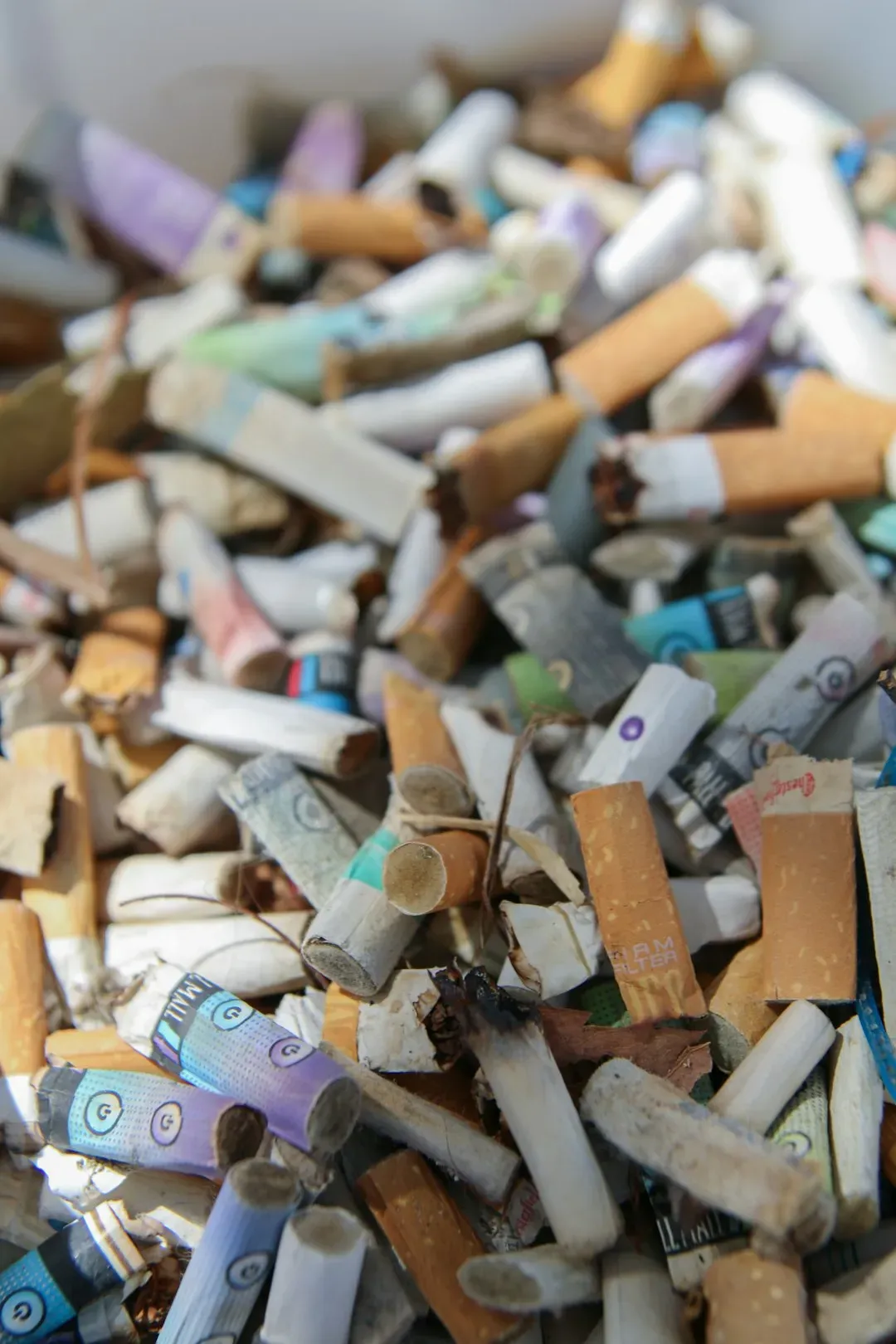
In cities, birds often use what’s most available, and that sometimes means plastic, string, cigarette butts, or synthetic fibers. While this adaptability is remarkable, it’s not without risks. Over 176 species of birds worldwide were documented using human-made materials in their nests. That number says something about how thoroughly our waste has infiltrated even the most intimate spaces of wildlife.
One of the stranger, more fascinating details from recent research involves cigarette butts. There have been increasing reports that blue tits living in cities bring cigarette butts into their nests or build nests in cigarette ashtrays and butt bins, and tobacco is often cited as an efficient insect repellent and insecticide. The birds appear to be using nicotine intentionally, as a kind of rudimentary pest control.
The tradeoff is uncomfortable. The latest wave of research confirms that multiple bird species actively select cigarette remnants for their anti-parasitic properties, but also reveals that this chemical shield comes at a measurable biological cost. Chicks can choke on the trash when they mistake it for food, plastic strings can entangle the birds, and some trash can introduce toxins to the nest, exposing birds to harmful chemicals. Ingenuity and harm, bound together in the same small nest.
What Cities Can Actually Do About It
Some cities have introduced green roofs covered with vegetation, providing new habitats for urban birds and other wildlife. These green roofs can reduce the “heat island” effect of cities and offer birds a cooler place to rest and feed. It’s a relatively simple design choice that carries outsized ecological value.
This underscores the critical importance of integrating biodiversity considerations into urban planning, demonstrating how diverse urban structures can support bird populations while contributing to the resilience of urban ecosystems. The design of a city’s buildings, its ledges, its eaves, its open blocks versus closed ones, matters far more to nesting birds than most architects ever consider.
The growing field of urban ecology offers promising approaches for designing human environments that better accommodate wildlife needs, including the intentional creation of nesting opportunities within architectural designs. The future relationship between birds and humans will be shaped by our willingness to create space for wildlife within our built environment.
Conclusion: Adaptation Has a Limit, and We’re Approaching It
What’s happening with birds and their nesting choices is one of the clearest, most visible signs of how fundamentally we’ve reshaped the natural world. Birds nesting in traffic lights, on skyscraper ledges, inside old car motors, and in cigarette butt bins aren’t just odd curiosities. They’re a direct consequence of the habitats we’ve taken away and the materials we’ve left behind.
The adaptability on display is genuinely remarkable. Some species have managed to turn glass towers and highway bridges into workable substitutes for cliffs and caves. But adaptability isn’t infinite. Birds with more flexible diets and who have adapted to urbanization fare better, but those that can’t make the leap are quietly disappearing. We tend to notice the sparrows because they’re still there. We rarely pause to think about the birds we no longer see.
There’s something instructive in watching a falcon raise its young on a city rooftop. It’s not a triumph of nature over concrete. It’s a compromise. A species doing the best it can with what we’ve left it. That ought to sit with us for a moment. Because the question isn’t only whether birds can adapt to our cities. It’s whether we’re willing to design those cities with them in mind.
