
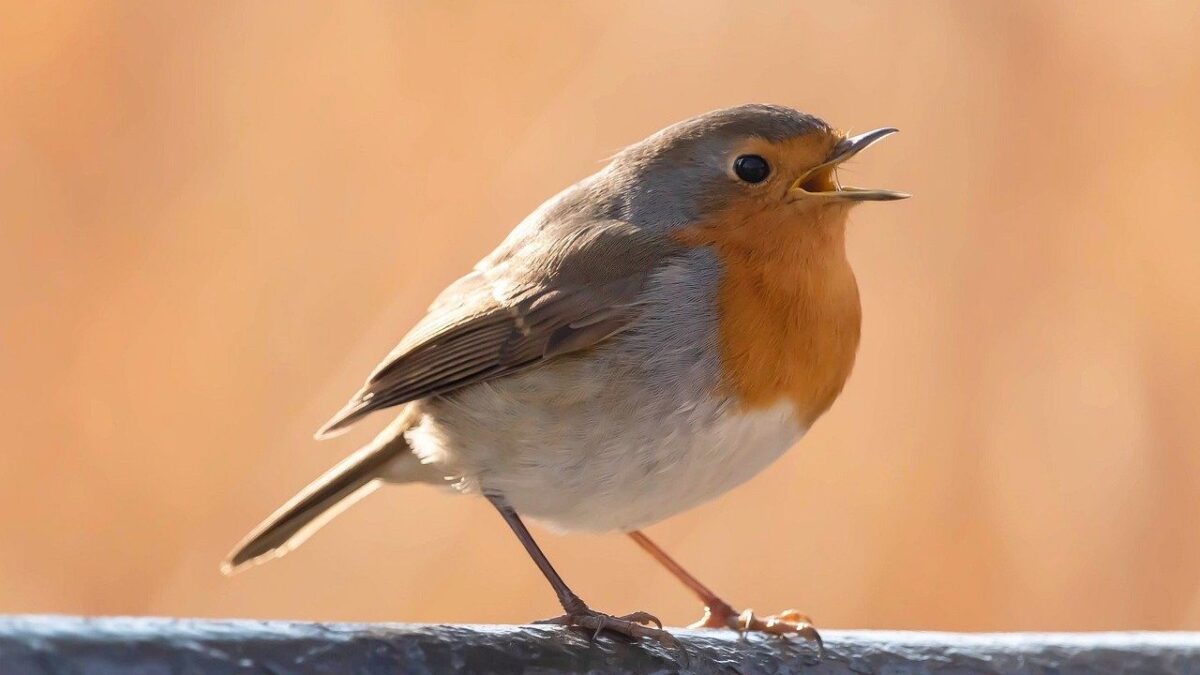
Every morning, the same thing happens. The world is still wrapped in half-darkness when the first chirps begin. Then another bird joins in, and another. Soon, there’s an entire orchestra tuning up without a single conductor waving a baton. If you’ve ever been awake early enough to catch this performance, you already know it’s something special. This phenomenon, known as the dawn chorus, has inspired poets, confused scientists, and woken up countless people who just wanted five more minutes of sleep.
What’s fascinating is that despite decades of research, we’re still piecing together exactly why birds do this. Some theories have been debunked, while others continue to gain traction. The answer, as with many things in nature, isn’t simple or singular. Let’s dive into what makes these feathered performers tick when the sun hasn’t even shown its face yet.
The Hormone Connection: Nature’s Internal Alarm Clock
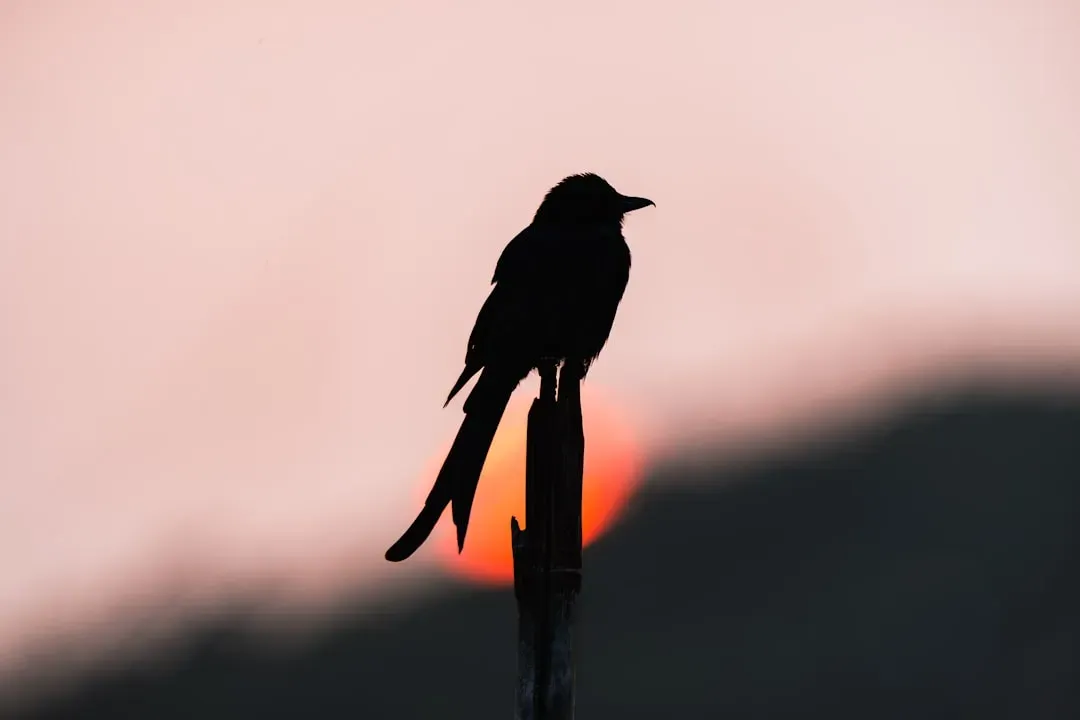
Inside every bird’s brain, there’s a complex chemical ballet happening long before dawn breaks. Melatonin guides the rhythm, dropping before dawn to signal the body to prepare for activity. This hormonal shift is what kicks the entire process into gear. Honestly, it’s like nature’s version of a caffeine jolt, except it happens automatically without any coffee involved.
Birds became hormonally aroused in the dark long before initiating dawn singing, and suppression of spontaneous singing by darkness enhanced their intrinsic motivation to sing. Think of it this way: imagine being forced to stay quiet all night when you have something really important to say. By the time morning arrives, those words are bursting to get out. That’s essentially what happens to birds.
Recent research has shown something pretty remarkable. When researchers blocked melatonin’s action, finches began singing even earlier. This proves the hormone isn’t just along for the ride; it’s actively controlling when birds feel compelled to vocalize.
The circadian rhythm operates like a perfectly calibrated clock. The hormonal drop creates readiness; the light provides permission. It’s a handoff between internal chemistry and external environment that produces perfect timing.
The Rebound Effect: Why Silence Makes the Song Stronger
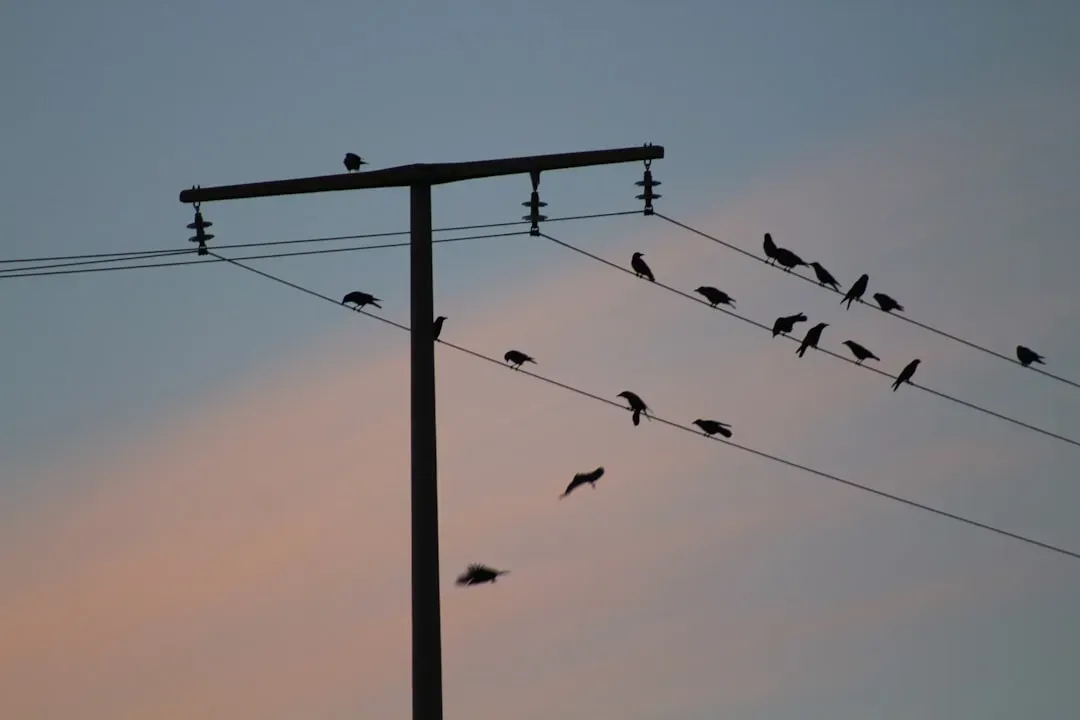
Here’s where things get really interesting. This elevated motivation subsequently triggered a rebound of intensive singing at dawn. Darkness essentially acts as a gag order on bird vocalizations. All night long, they’re awake, alert, and ready to sing, yet something holds them back.
Scientists delayed morning light for a few hours in controlled experiments. When the lights finally came on, the birds sang far more than usual. Shorter nights produced weaker singing. The pattern became clear: the longer birds are forced to suppress their singing instinct, the more explosive their morning performance becomes.
This kind of rebound behavior appears in many living systems; muscles grow stronger after rest, hunger feels sharper after fasting, and the pattern is universal. Birds simply express this cycle through sound. The dawn chorus isn’t a planned concert at all. It’s a surge of pent-up energy finally being released after hours of forced restraint.
What makes this discovery significant is that it explains the consistency of the phenomenon. Every single morning, birds experience the same buildup and release cycle. No wonder the dawn chorus happens with such reliable precision across species and continents.
Defending Territory When Rivals Are Listening

Territory is serious business in the bird world. Birds that are highly territorial tend to make advertisements early in the morning to claim territories or advertise where they are after a night of inactivity. All night, boundaries go unpatrolled and unannounced. Dawn is when birds reassert their claims to specific patches of earth.
Dawn songs are more complex and louder than songs sung at other times of the day, and these songs may be a way for male birds to signal that a territory belongs to them. It’s basically the avian equivalent of planting a flag and shouting “mine!” to anyone within earshot. The louder and more intricate the song, the more impressive the territorial claim appears.
There’s even evidence that neighboring males directly influence each other’s singing behavior. The presence or absence of neighbouring males has a significant effect on the dawn chorus singing behaviour of territorial males. When all neighbors were removed in experimental settings, some males stopped singing their dawn chorus entirely. This proves the songs aren’t just mindless vocalizations; they’re targeted messages aimed at specific audiences.
Birds with existing territories sing the dawn chorus to affirm that their territory is occupied, and to deter any prospective squatters. Think about it from the bird’s perspective: overnight mortality is a real thing. Some birds don’t make it through the night. Dawn is when survivors check who’s still around and whether any prime real estate has suddenly become available.
Attracting Mates Through Morning Performance

If territory is about real estate, then mate attraction is about advertising yourself as the best possible partner. The dawn chorus is, in fact, mostly composed of birds of both genders singing to find a mate so they can breed. Spring mornings aren’t just noisy; they’re basically nature’s speed dating event happening in real time.
Males that start singing earliest during the dawn chorus often secure more mating opportunities. Early bird gets the worm takes on new meaning here. Females are listening carefully, assessing which males demonstrate the most stamina, precision, and commitment. A male that can belt out complex melodies right at first light is advertising robust health and genetic fitness.
The timing around fertility makes this even more strategic. Female birds have a fertile window a few days before and after laying their eggs, and eggs are laid at dawn; male bird song in the dawn chorus peaked right before the females laid their eggs. Males aren’t singing randomly throughout breeding season. Their vocalizations intensify precisely when it matters most for reproductive success.
Birds singing with strong consistency show higher reproductive success – males with exact repetition often attract a mate faster and pair with females that lay more eggs. Consistency signals reliability, and in the evolutionary calculus of mate selection, reliability translates to better offspring survival rates. The dawn chorus becomes a daily audition where only the most capable performers win breeding opportunities.
Vocal Warm-Up After Nighttime Silence

Athletes stretch before games. Musicians practice scales before concerts. Birds, it turns out, need warm-ups too. Dawn singing accelerated refinement of song structure, supporting its role as intensive vocal exercise to optimize song performance after overnight silence. After hours of not using their vocal equipment, birds need to get everything working smoothly again.
Birds lose some vocal precision during long silence, and the first songs of the day help recover that control. Think of it like morning voice in humans, except birds actively work to eliminate it through practice. The dawn chorus doubles as both communication and physical training.
Research showed something fascinating about this practice effect. Finches refined their song patterns faster after longer nights. The more time they spent in vocal silence, the more benefit they gained from their morning exercises. It’s literally use it or lose it, applied to birdsong.
A strong morning performance may also impress potential mates and intimidate rivals, and the practice sharpens both voice and instinct, ensuring that the bird remains competitive. This multi-purpose function makes the dawn chorus remarkably efficient. Birds accomplish physical maintenance, territorial defense, and mate attraction all at once through the same behavior.
Why The Acoustic Transmission Theory Doesn’t Hold Up

For decades, the dominant explanation was simple and elegant: birds sing at dawn because sound travels better in cool, humid morning air. A dominant theory about why birds sing at dawn has been that they can be heard farther and more clearly at that time. It made intuitive sense, and generations of ornithologists accepted it as gospel truth.
Recent research has turned this theory on its head. Scientists say they didn’t find evidence to back up this acoustic transmission hypothesis. A study analyzing recordings from dozens of locations in India’s Western Ghats examined whether high-frequency singers were more active at dawn. They found no significant relationship. The physics might help slightly, but it’s not what’s driving the behavior.
Here’s where the theory really falls apart. When researchers looked into whether birds sing in low light because that low light makes a bad time to forage, it would make sense that the same would be true at dusk, but most birds were far more vocal at dawn. If acoustic conditions were the primary driver, dawn and dusk should be equally noisy. They’re not.
Social factors, particularly territoriality and feeding habits, are more important in driving dawn singing behavior than environmental conditions. The study’s conclusion was clear: birds sing early because they have something to say at that time, not just because it’s easier to be heard. The acoustics might be a nice bonus, but they’re not the cause.
Conclusion

The dawn chorus represents one of nature’s most reliable and enchanting performances. What began as a simple question – why do birds sing so early? – has revealed a complex interplay of hormones, behavioral needs, and evolutionary pressures. The dawn chorus represents one of nature’s most coordinated performances, driven by a complex interplay of hormones, territorial instincts, and reproductive strategy.
We now know that melatonin drops trigger a hormonal cascade, darkness builds up singing motivation overnight, and the first light releases an explosive rebound of vocalization. Birds are defending territories after nighttime inactivity, attracting mates during crucial fertile windows, and warming up their vocal equipment after hours of silence. The old theory about acoustic transmission, while not entirely wrong, turns out to be far less important than the social and biological factors driving this behavior.
Next time you’re awake early enough to hear that first robin or blackbird start up, you’ll know there’s so much more happening than meets the ear. Those aren’t just pretty sounds; they’re survival strategies honed over millions of years. What do you think about it? Has the dawn chorus ever woken you up at an inconvenient time, or do you consider yourself lucky to hear nature’s alarm clock?
