


Have you ever watched someone instantly connect with an animal, as if they share a secret language? Maybe they can calm a nervous dog with just their presence, or horses seem to seek them out in a field. While it might seem magical, science is revealing fascinating mechanisms behind this natural gift.
Recent research uncovers biological, neurological, and psychological factors that explain why certain individuals possess an extraordinary ability to understand and communicate with animals. From mirror neurons firing in perfect synchrony to heightened sensory processing, the scientific evidence paints a compelling picture of what makes an “animal whisperer.”
Mirror Neurons: The Biological Foundation of Animal Connection
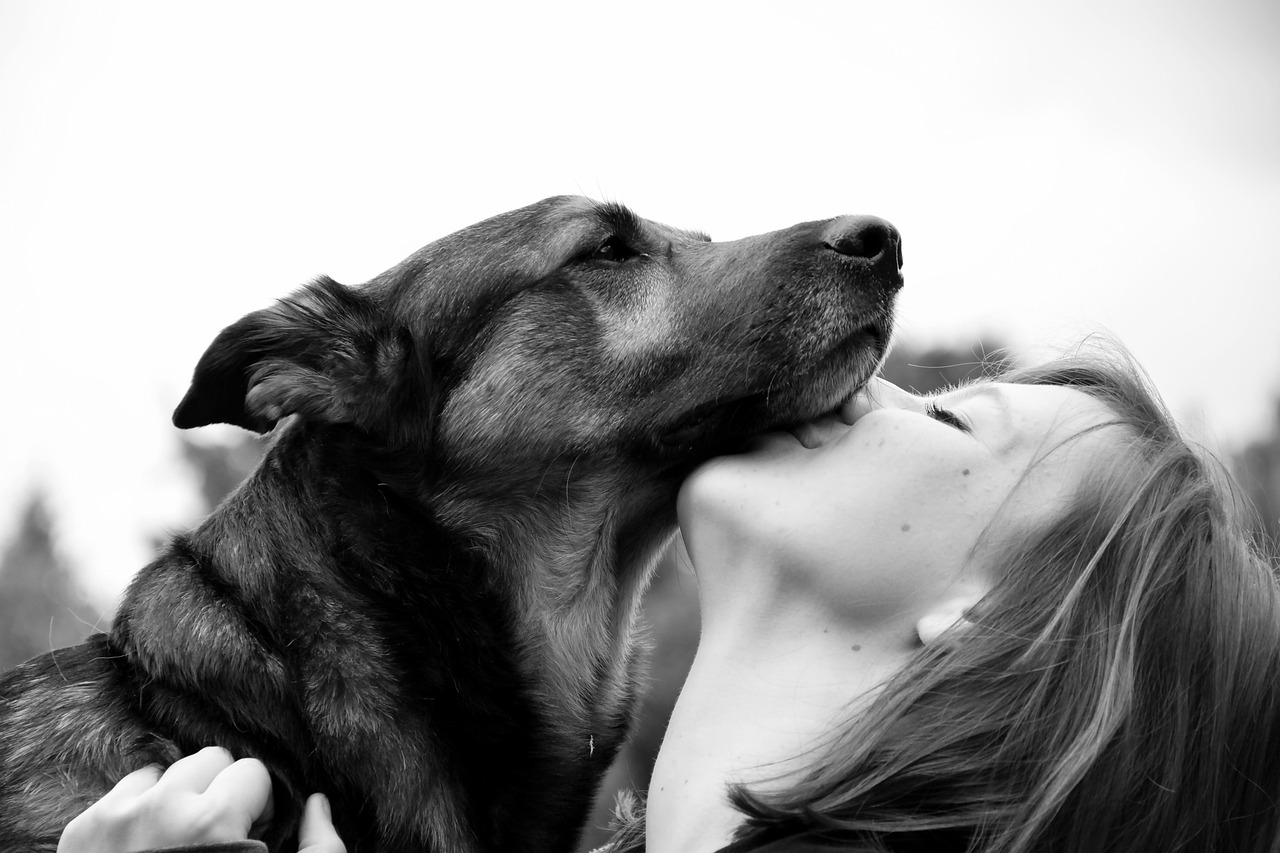
A mirror neuron is a neuron that fires both when an animal acts and when the animal observes the same action performed by another. Thus, the neuron “mirrors” the behavior of the other, as though the observer were itself acting. This discovery revolutionized our understanding of empathy and social connection.
Neuroscientists such as Marco Iacoboni have argued that mirror neuron systems in the human brain help humans understand the actions and intentions of other people. In addition, Iacoboni has argued that mirror neurons are the neural basis of the human capacity for emotions such as empathy. These specialized cells don’t just respond to human interactions. Mirror neurons are believed to mediate the understanding of other animals’ behaviour. For example, a mirror neuron which fires when the monkey rips a piece of paper would also fire when the monkey sees a person rip paper, or hears paper ripping (without visual cues).
Christian Keysers at the Social Brain Lab and colleagues have shown that people who are more empathic according to self-report questionnaires have stronger activations both in the mirror system for hand actions and the mirror system for emotions, providing more direct support for the idea that the mirror system is linked to empathy. This suggests that natural animal whisperers likely possess highly active mirror neuron systems that allow them to literally feel what animals are experiencing.
Heightened Sensory Processing Creates Deeper Animal Understanding
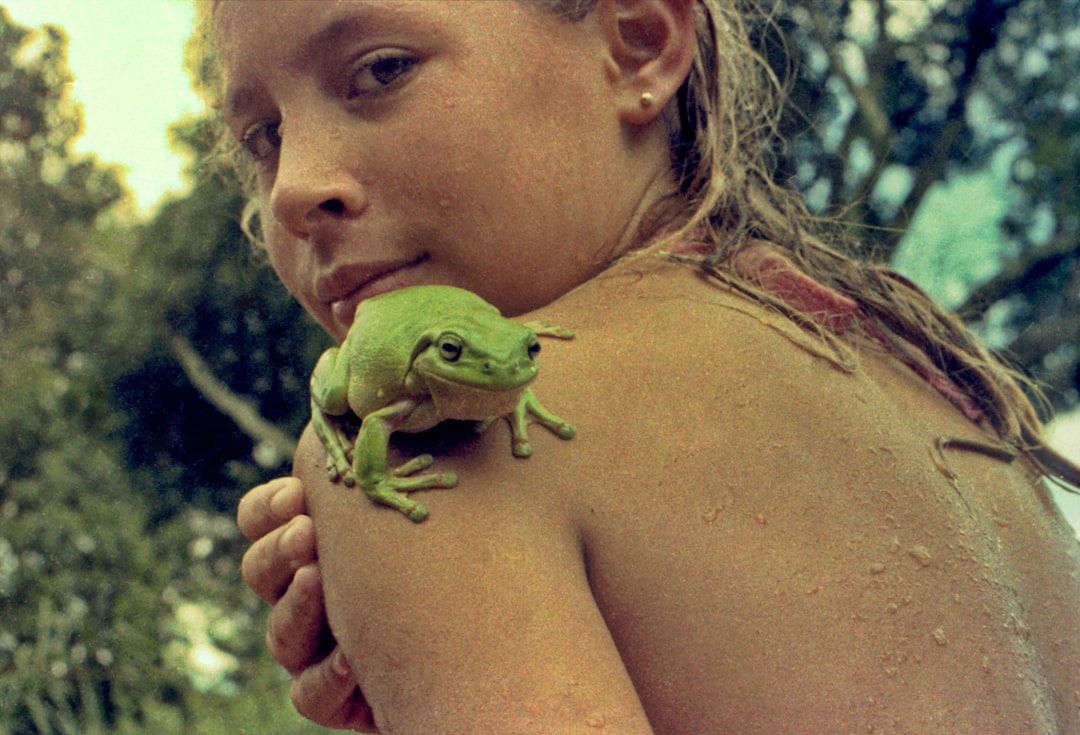
People who think of themselves as empaths tend to be neurodivergent people with very active mirror neurons. We may easily absorb the emotional feeling state of others, lose touch with our own feelings, and become confused or overwhelmed by the variety of emotional signals in large crowds of people.
“We are hypersensitive to the energy of other people. Much like other living beings that don’t have spoken words as their communication, we can communicate in other ways.” She says her children let her know how she’s feeling by their behavior, because they are so sensitive to her energy. This hypersensitivity, often seen as a challenge in human social situations, becomes a superpower when connecting with animals.
Animals communicate primarily through body language, scent, energy, and subtle behavioral cues. People with heightened sensory processing naturally pick up on these signals that others might miss entirely. They notice the slight tension in a dog’s shoulders, the flicker of an ear, or changes in breathing patterns that indicate emotional states.
The Neurodivergent Advantage in Animal Communication
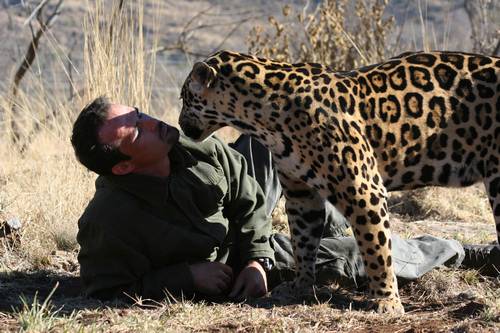
Many autistic individuals exhibit a deep sense of empathy, particularly towards animals. There is a body of research that supports the connection between autism and animals. Studies have demonstrated that autistic individuals often have a heightened sensitivity to animals, often displaying a natural ability to communicate and bond with them.
This review highlights that while individuals with ASD traditionally show deficits on a wide range of ToM tests, such as recognizing facial emotions, such ToM deficits may be ameliorated if the stimuli presented is cartoon or animal-like rather than in human form. Individuals with ASD show a greater interest in anthropomorphic characters and process the features of these characters using methods typically reserved for human stimuli.
Autistic people share information with other autistic people as effectively as non-autistic people share information with other non-autistic people. Information sharing can break down when pairs are from different neurotypes – when there is an autistic and a non-autistic person. This same principle applies to animal communication, where traditional social barriers don’t exist.
The Science Behind Non-Verbal Animal Communication

Much like how different people around the world speak different languages, wild animals too have their unique ways of communicating with each other. According to scientists, the different types of communication that can be seen in the animal world can be classified into four broad categories: Vocalisation: Lions roar, whales sing, and wolves howl.
Body Language: Wild animals often use physical movements or behaviour to convey emotions, threats and also romance. Chimpanzees baring their teeth or peacocks fanning their feathers are classic examples of how animals communicate through body language. Animal whisperers instinctively understand these communication channels.
These are based on the authors’ own knowledge and observations as well as on the feedback from the five “animal whisperers”. The aspects described included (in generic terms): Behavioral analysis: interpretation of the behavior shown in relation to typical behavioral patterns of the respective animal species Body language: Specific indications of the animal’s body language, such as tension, relaxation, or specific communication signals
Recent technological advances are validating what natural animal whisperers have long claimed to understand. Pardo gathered around 470 distinct calls and, together with his teammate, Kurt Fristrup, developed a machine learning model -Random Forest, to train these calls to detect subtle differences in call structure based only on its bioacoustic features. After identifying the call structure based on its acoustic features, these calls were played back to the elephants, and they reacted positively to prove the validity of the research hypotheses.
Emotional Contagion and Empathetic Resonance
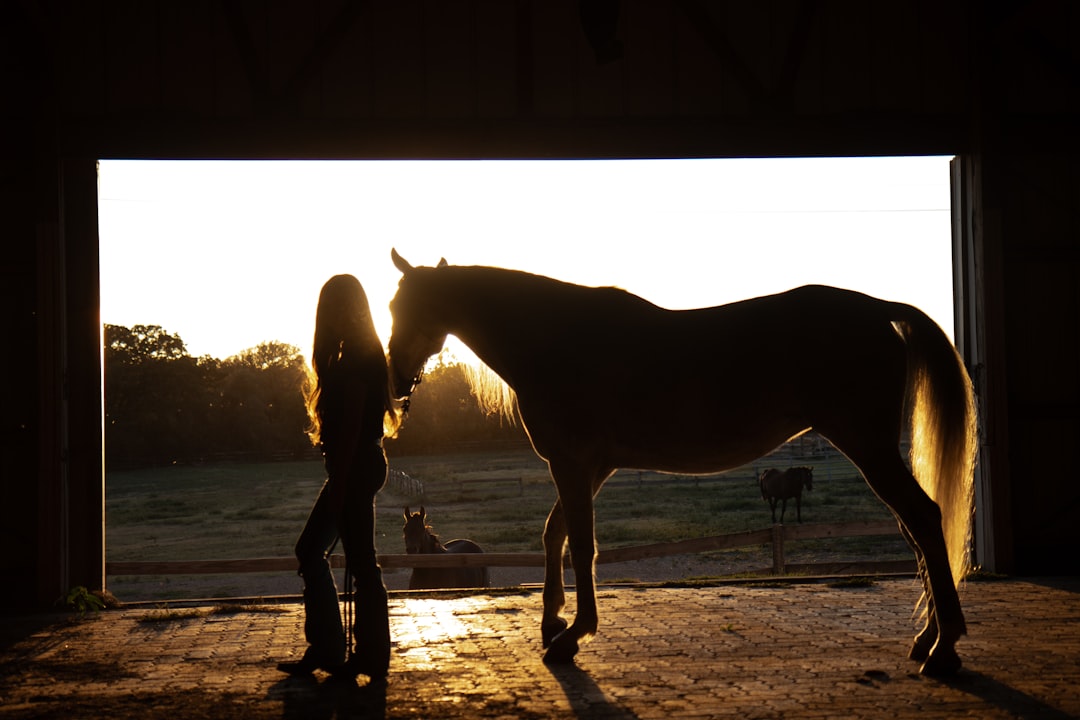
Neuroscientists believe that the areas of the brain typically activated by our own emotions are also active when we observe another individual experiencing feelings or sensations. Evidence suggests that mirror neurons are strongly associated with human empathy. This emotional mirroring extends naturally to animal interactions.
When we are experiencing pain, the anterior cingulate cortex is active. We also see activation in the same region when we observe someone else receiving a painful experience. Studies in rats have shown that the anterior cingulate cortex contains mirror neurons for pain, i.e. neurons responding both during the first-hand experience of pain and while witnessing the pain of others, and inhibition of this region leads to reduced emotional contagion in rats and mice
Natural animal whisperers experience this emotional contagion intensely. They literally feel what animals are feeling, creating an immediate bridge of understanding. This isn’t anthropomorphizing, it’s a documented neurological phenomenon where the observer’s brain mirrors the emotional state of the observed being.
Intuitive Body Language Reading Skills

Most animal whisperers rely on keen observation, intuition, and interpretation of animal body language and behavior – skills that are consistent with what trained animal behaviorists or trainers use, though often framed in more intuitive or holistic terms.
What appears supernatural is often highly developed pattern recognition combined with unconscious processing of subtle cues. The capacity to infer the mental state or the emotional status of other individuals is a necessity for thriving in a social environment. Social animals, and in particular primates, have evolved the capacities of displaying and reading signals about emotional status and about others’ intentions.
Animal whisperers unconsciously process thousands of micro-signals. They notice changes in posture, breathing patterns, ear position, tail movement, and energy levels. Their brains rapidly analyze these patterns against their accumulated experience, creating seemingly instant understanding of an animal’s emotional state and needs.
Research Validates Animal-Human Emotional Bonds
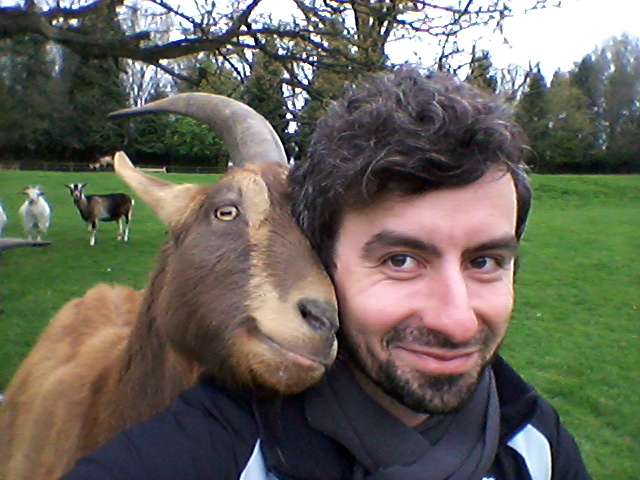
Given the similarities between human and non-human empathic displays, highlighting the intact human-animal bond in the autistic population is a stark rebuttal to the ‘pathos’ of autism. In essence, it contradicts the dehumanising narrative that autistic people are less loving, compassionate and invested in the emotions of themselves and others due to their social differences.
Studies on the relationship between animals and autism consistently demonstrate positive outcomes. Animal interaction helps neurodivergent individuals engage more fully with others, develop confidence, and gain independence. It’s observed that children with autism sometimes relate better to animals than to people, and therapists are able to make better therapeutic connections and strides when animals are around
The therapeutic benefits work both ways. A recently-published study found that African elephants have names for each other, and address one another by name. It’s a significant finding, as very few creatures have this ability. As we discover more about animal intelligence and emotional complexity, we realize that the connection natural animal whisperers feel is likely reciprocal recognition between two conscious beings.
The science behind animal whispering reveals a fascinating intersection of neurobiology, psychology, and evolutionary adaptation. Rather than mystical abilities, these individuals possess highly developed neurological systems that allow them to tap into our ancient capacity for interspecies communication. Their mirror neurons fire more intensely, their sensory processing picks up subtle cues others miss, and their brains naturally interpret the rich language of animal behavior.
This research doesn’t diminish the wonder of watching someone communicate effortlessly with animals. Instead, it reveals the beautiful complexity of consciousness and connection that exists throughout the animal kingdom. What do you think about this scientific perspective on animal communication? Tell us in the comments.

- What Christmas Reindeer Are You According to Your Zodiac Sign - July 31, 2026
- Tropical Storm Gabrielle Now Eyeing Bermuda as a Hurricane - July 31, 2026
- Watch Two Hikers Fight Off Brown Bear Near Seward’s Exit Glacier - July 31, 2026