

That piercing shriek outside your window at dawn can jolt anyone awake. Blue jays have a way of making their presence impossible to ignore, turning quiet mornings into something far more lively.
Their calls carry a mix of urgency and persistence that often leaves people wondering what exactly is going on. A closer look at their habits reveals patterns that go well beyond random noise.
Claiming Their Space

Blue jays are fiercely protective of their chosen areas, especially when food sources or nesting spots are involved. They use loud, repeated screams to signal ownership and discourage other birds from moving in too close. This behavior helps them maintain control over prime real estate in backyards and wooded edges where resources can be limited.
Early morning often marks a peak time for these declarations because the day ahead brings competition from squirrels, other songbirds, and even neighboring jays. The volume serves as a clear broadcast that travels across open spaces. Over time, consistent callers establish a kind of acoustic boundary that others learn to respect.
Warning of Threats

Many of those sharp screams function as alarm signals when a potential danger appears nearby. A cat on the prowl, a hawk circling overhead, or even a human stepping outside can trigger a rapid series of calls that alert the entire local group. This quick communication helps everyone stay alert without needing to see the threat directly.
The intensity tends to match the level of perceived risk, with shorter bursts for minor disturbances and longer, harsher notes for serious concerns. Jays often position themselves on high perches to get a better view while they vocalize. Such warnings can ripple through the neighborhood, prompting other species to take cover as well.
Imitating Other Birds
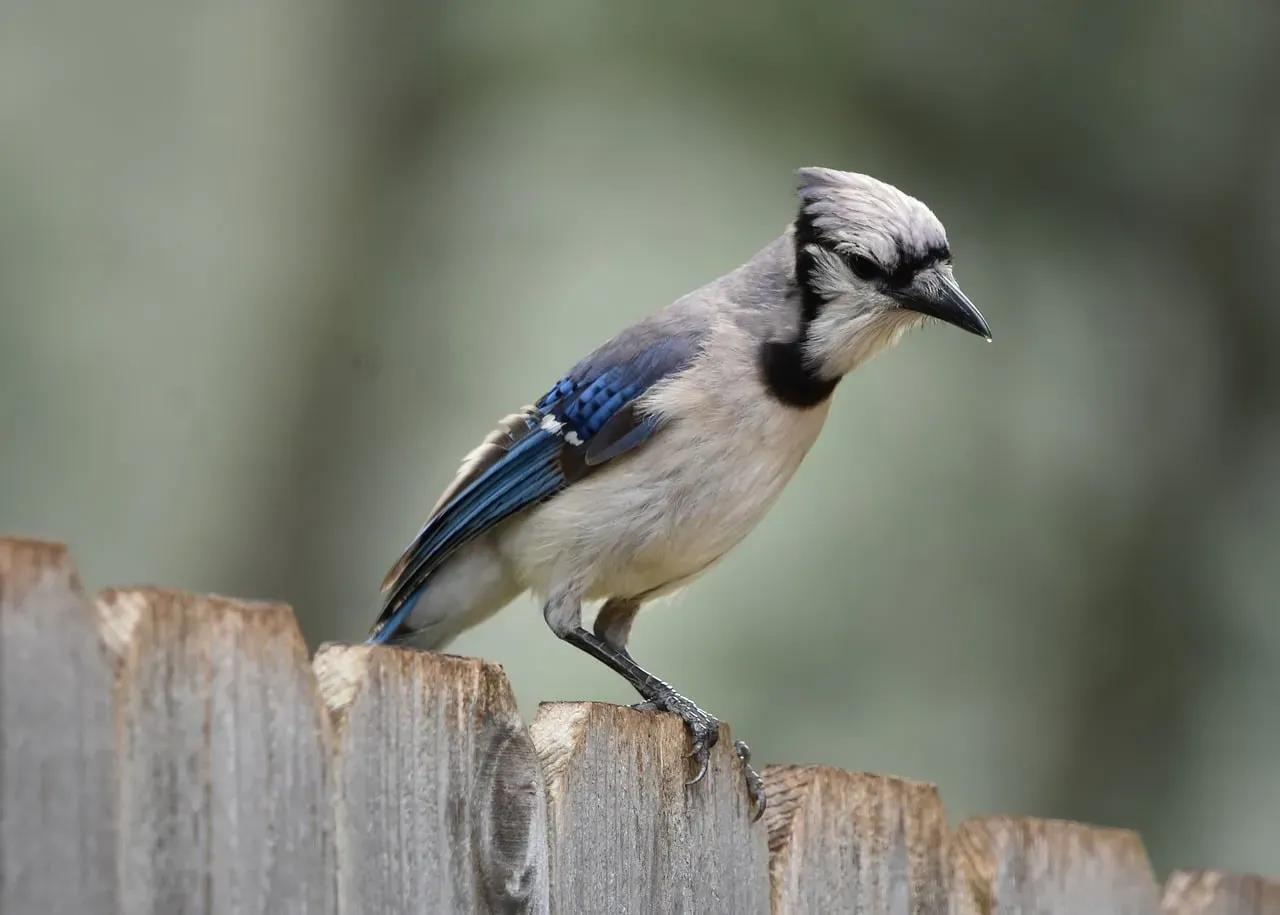
Blue jays possess a remarkable talent for copying sounds from their surroundings, including the calls of hawks and other predators. This mimicry can serve to confuse rivals or create the illusion of greater danger than actually exists. A single jay might string together several different imitations in quick succession during a morning outburst.
The skill likely developed as a survival advantage, allowing them to test reactions or deter intruders without direct confrontation. Listeners sometimes mistake these copies for the real thing, which adds an extra layer of effectiveness. Over repeated mornings, the same individual may refine its repertoire based on what works best in that location.
Communicating with Their Flock

These birds live in loose family groups or small flocks, and their calls help coordinate movements and share information throughout the day. Morning screams can rally scattered members back together after a night apart or announce the discovery of a reliable food patch. The exchanges often involve back and forth patterns rather than one way shouting.
Younger birds in particular seem to practice and learn these signals through observation and trial. Adults use variations in pitch and rhythm to convey different messages, from simple location updates to more specific invitations or cautions. This ongoing dialogue keeps the group functioning smoothly even when members are out of sight.
Reacting to Human Presence

Windows and feeders placed near homes frequently draw blue jay attention because they represent reliable sources of seeds, nuts, or water. The morning calls sometimes reflect excitement or mild frustration when access feels blocked or when reflections in glass create confusion. Jays quickly learn which houses offer consistent handouts and adjust their routines accordingly.
Repeated visits can lead to bolder behavior, including closer approaches and more vocal announcements aimed at claiming the spot before other wildlife arrives. People who maintain steady feeding schedules often notice the same birds returning at similar times each day. Over weeks, these interactions can become almost predictable.
Changes with the Seasons

Call patterns shift noticeably as the year progresses, with spring bringing heightened activity tied to nesting and mate selection. Summer tends to feature more social chatter as fledglings learn the ropes, while fall sees increased focus on caching food for colder months ahead. Winter calls may grow sparser yet more insistent around scarce resources.
Weather also plays a role, with clear mornings often producing the loudest displays and stormy conditions prompting shorter, more urgent notes. These seasonal adjustments reflect the changing priorities of survival and reproduction. Observers who track the same birds over multiple years can spot these rhythms emerging naturally.
What This Means for Your Backyard

Understanding the reasons behind the noise turns those early screams from annoyance into something more meaningful. Blue jays contribute to the local ecosystem by controlling insects, dispersing seeds, and keeping other species on their toes through their vigilance. Their presence signals a healthy, active environment rather than a problem to solve.
Simple steps like spacing feeders apart or adding natural cover can ease some of the intensity without removing the birds entirely. Many people find that once they recognize the communication at work, the morning soundtrack becomes easier to appreciate. In the end, sharing space with such expressive neighbors adds a layer of wild energy to everyday routines that is hard to replicate elsewhere.

- 16 Garden Choices Experienced Growers Wish They Had Made a Full Decade Earlier Than They Did - August 1, 2026
- 14 Things Veteran Gardeners Wish Someone Had Told Them Before Their Very First Full Planting Season - August 1, 2026
- 17 Plants Experienced Gardeners Say They Wish They Had Put In Years Before They Finally Did - August 1, 2026