


In the vast blue expanses of our oceans, sharks have evolved remarkable adaptations that have helped them thrive for over 450 million years. Among these adaptations is one particularly fascinating survival mechanism: some shark species must keep swimming continuously to stay alive. This phenomenon, known as obligate ram ventilation, represents one of nature’s most intriguing respiratory adaptations. Unlike most fish that can actively pump water over their gills while stationary, these perpetual swimmers have developed a dependency on forward motion to breathe. This article explores the fascinating science behind why certain sharks can never stop swimming, the evolutionary advantages this provides, and what happens if they do come to a halt.
The Basics of Shark Respiration

To understand why some sharks must keep swimming, we need to first understand how sharks breathe. Like other fish, sharks extract oxygen from water using gills. These specialized organs contain thin filaments filled with blood vessels that absorb oxygen as water passes over them. However, unlike humans who actively breathe by expanding and contracting their lungs, fish must ensure a constant flow of water over their gills to extract the oxygen they need.
Most fish species achieve this water flow through a process called buccal pumping. They take water in through their mouths and then force it over their gills and out through gill slits using specialized muscles in their mouths and pharynx. This mechanism allows these fish to ventilate their gills even when they remain motionless in the water. However, evolution has taken a different path for some shark species, leading to the development of ram ventilation as their primary or exclusive breathing method.
Ram Ventilation: Swimming to Breathe
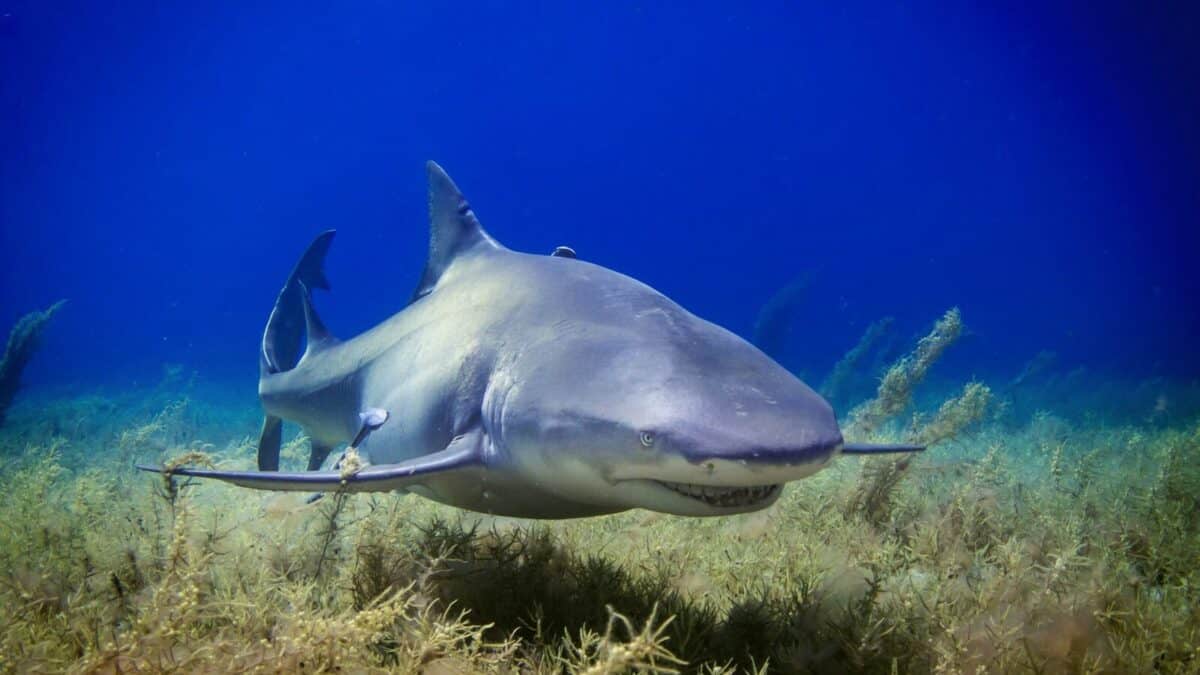
Ram ventilation is a respiratory method where sharks use their forward motion to force water through their open mouths, over their gills, and out through their gill slits. As these sharks swim, water naturally flows into their slightly open mouths due to the pressure differential created by their movement. The faster they swim, the more water passes over their gills, potentially increasing oxygen uptake. This method is energetically efficient for actively swimming predators since it eliminates the need for muscles dedicated solely to pumping water.
Sharks that utilize ram ventilation have evolved larger gill surface areas and modified gill structures that maximize oxygen extraction even at relatively low swimming speeds. Their gill slits are often positioned to optimize water flow as they move forward. While some sharks can switch between buccal pumping and ram ventilation depending on their activity level, obligate ram ventilators have lost the ability to pump water over their gills and must rely exclusively on swimming to breathe.
Obligate vs. Facultative Ram Ventilators
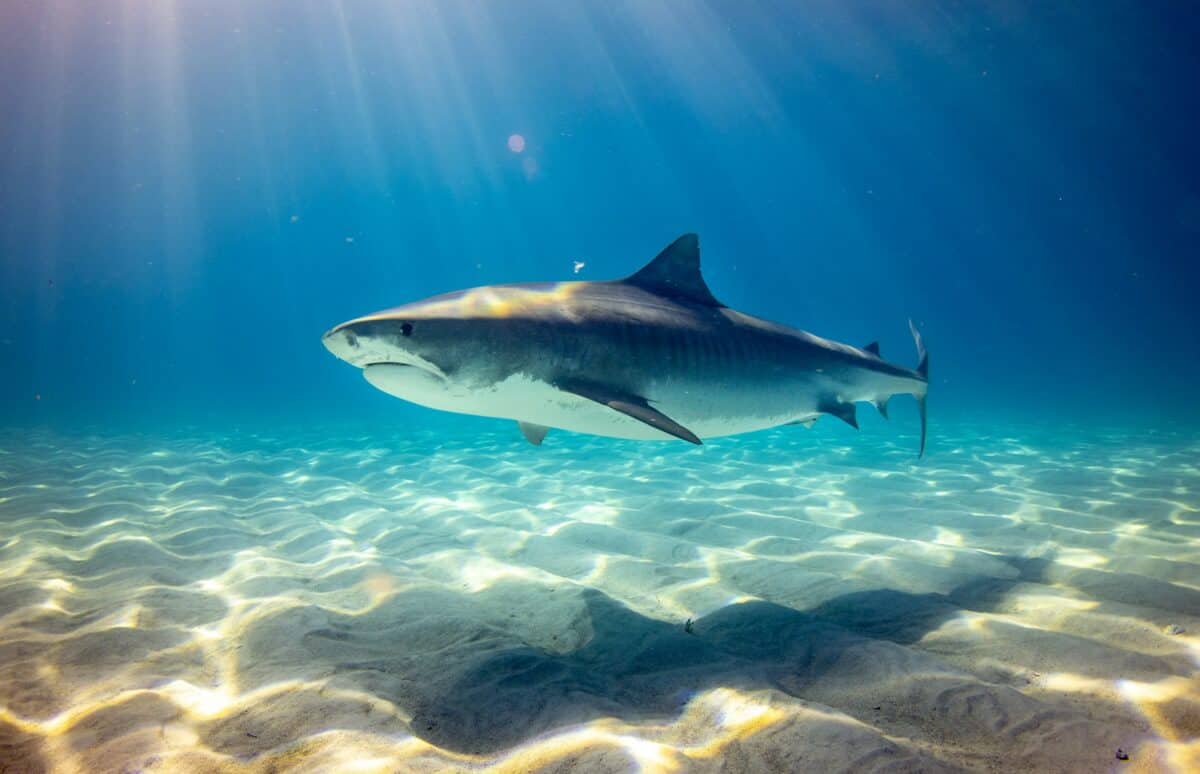
Not all sharks that use ram ventilation are dependent on it for survival. Marine biologists categorize sharks into two groups based on their respiratory strategies: obligate ram ventilators and facultative ram ventilators. Obligate ram ventilators must swim continuously to breathe and will suffocate if they stop for too long. These include iconic species like the great white shark, mako shark, salmon shark, and most open-ocean shark species that are constantly on the move.
Facultative ram ventilators, on the other hand, can use both ram ventilation and buccal pumping. Species like nurse sharks, tiger sharks, and bull sharks fall into this category. These sharks can actively pump water over their gills when stationary, which allows them to rest on the ocean floor or remain motionless while hunting. This versatility gives them greater flexibility in their behavior and habitat preferences compared to their perpetually swimming cousins.
The Great White and Other Notable Obligate Swimmers

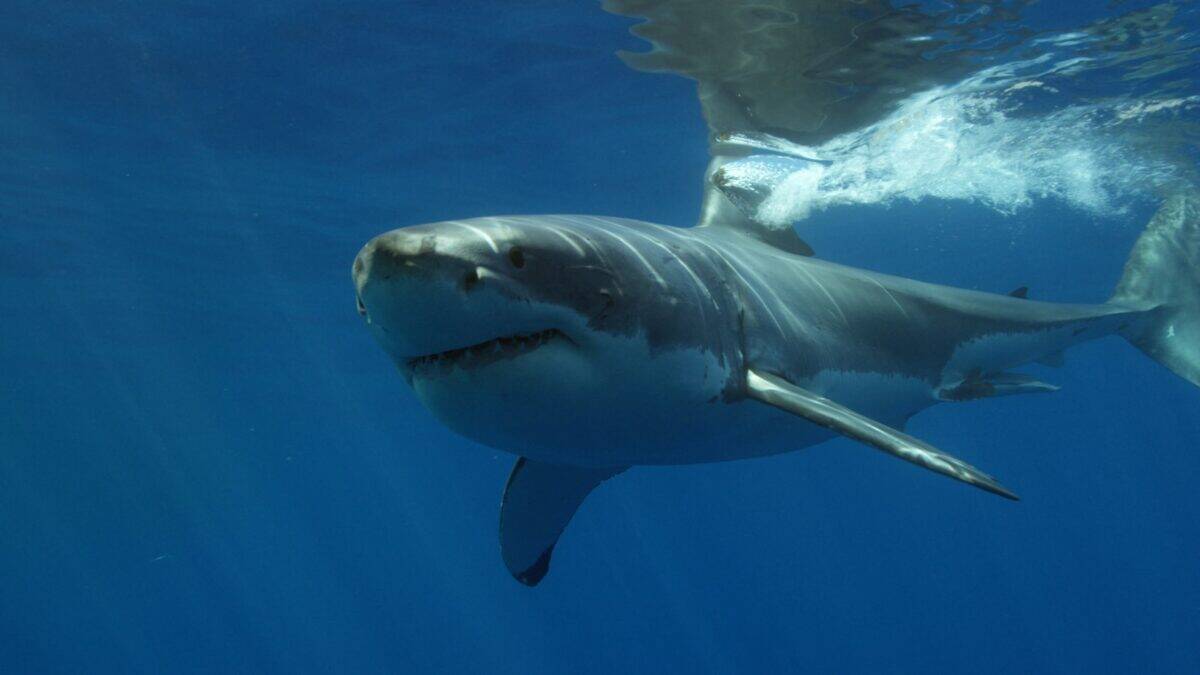
The great white shark (Carcharodon carcharias) is perhaps the most famous obligate ram ventilator. These apex predators must maintain a swimming speed of at least 3-4 mph to ensure sufficient oxygen flow over their gills. Great whites have evolved particularly efficient swimming mechanics, with their powerful, crescent-shaped tails providing the constant thrust needed to maintain forward motion with minimal energy expenditure. Their streamlined bodies further reduce drag, making continuous swimming less energetically costly.
Other notable obligate ram ventilators include the shortfin and longfin mako sharks (Isurus species), which are among the fastest sharks in the ocean, capable of swimming at speeds up to 45 mph. The salmon shark (Lamna ditropis), thresher sharks (Alopias species), and the whale shark (Rhincodon typus)—the largest fish in the sea—are also obligate swimmers. These species have all independently evolved adaptations that make continuous swimming energetically sustainable, including specialized muscle arrangements, temperature regulation systems, and efficient gill structures.
Evolutionary Advantages of Continuous Swimming
While being forced to swim constantly might seem like a liability, this adaptation offers several evolutionary advantages. Obligate ram ventilators are typically active predators that cover vast distances in search of prey. Their need to swim continuously aligns perfectly with their hunting strategy and migratory behaviors. By eliminating the muscles and structures needed for buccal pumping, these sharks have streamlined their anatomy for efficient, high-speed swimming.
The continuous swimming lifestyle has also driven the evolution of additional adaptations that benefit these sharks. Many obligate ram ventilators have developed regional endothermy (warm-bloodedness in certain body regions), which allows their swimming muscles to operate more efficiently. Species like the mako and great white can maintain muscle temperatures significantly higher than the surrounding water, enabling faster swimming speeds and enhanced hunting capabilities in colder environments where their prey might be slower and more vulnerable.
The Sleep Conundrum: How Do They Rest?

One of the most intriguing questions about sharks that must swim continuously is how they rest or sleep. Unlike humans and many other animals that require periods of complete inactivity, obligate ram ventilators have evolved alternative resting strategies. Research suggests these sharks experience unihemispheric sleep, where one half of the brain rests while the other half remains active enough to maintain essential swimming movements and environmental awareness.
Scientists have observed behaviors in some obligate ram ventilators that suggest periods of reduced activity that might correspond to rest states. For example, some species will swim more slowly or in regular patterns during certain times, potentially entering a state similar to autopilot. Some open-ocean sharks have been documented swimming into areas with strong currents, potentially using these natural water flows to assist with ram ventilation while expending less energy. These adaptations allow obligate ram ventilators to rest without stopping and risking suffocation.
What Happens When Obligate Swimmers Stop

When an obligate ram ventilator stops swimming, the consequences can be dire. Without the continuous flow of water over their gills, oxygen levels in their bloodstream begin to drop rapidly. Within minutes, the shark can experience hypoxia (oxygen deficiency), which affects brain function and muscle coordination. If the shark cannot resume swimming quickly enough, it will eventually suffocate and die.
This vulnerability explains why fishing methods that restrain these sharks, such as certain types of nets or lines, are particularly dangerous to obligate ram ventilators. A great white or mako shark caught in fishing gear may die quickly if it cannot maintain forward motion. This biological constraint also explains why these species are rarely found in aquariums—the tank sizes required to allow continuous swimming at sufficient speeds would be impractically large, and any mechanical failures in water circulation systems could be rapidly fatal.
Adaptations That Support Continuous Swimming
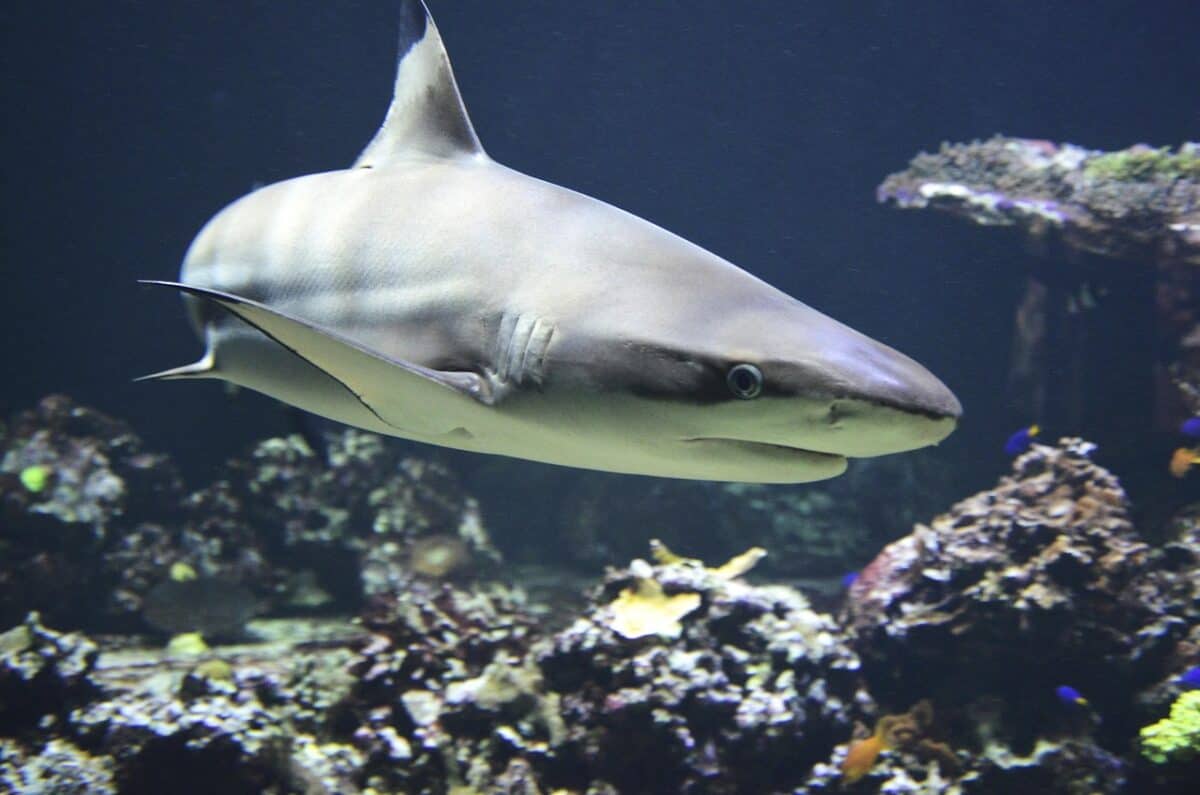
Obligate ram ventilators have developed numerous physiological and anatomical adaptations to support their perpetual motion lifestyle. Their muscular systems are specialized for endurance, with a higher proportion of red muscle fibers that are efficient for continuous activity. Their cardiovascular systems are also optimized to deliver oxygen effectively throughout their bodies while swimming. Many species have larger hearts relative to their body size compared to facultative ram ventilators.
The body shape of obligate ram ventilators reflects their need for efficient, sustained swimming. They typically have streamlined, fusiform (spindle-shaped) bodies that minimize drag. Their pectoral fins are often stiff and non-deformable, acting like airplane wings to provide lift as they move through the water. This lift reduces the energy needed to maintain depth, allowing more energy to be dedicated to forward propulsion. Even their skin is covered in tiny, tooth-like scales called dermal denticles that reduce drag and turbulence as water flows over their bodies.
The Role of Environmental Factors

Environmental factors can significantly impact obligate ram ventilators and their need to swim continuously. Water temperature affects their metabolic rate and oxygen requirements—warmer water contains less dissolved oxygen and increases a shark’s metabolic rate, potentially requiring faster swimming speeds to maintain adequate oxygenation. Conversely, colder water contains more dissolved oxygen but may slow a shark’s movements, creating a delicate balance that these species must navigate.
Ocean currents also play a crucial role in the lives of continuously swimming sharks. Many species use currents strategically, swimming with them to conserve energy during long migrations or positioning themselves in areas where strong water flow assists with ram ventilation. Changing ocean conditions due to climate change, including warming waters and altered current patterns, may pose particular challenges for obligate ram ventilators, potentially affecting their distribution, behavior, and even survival in the coming decades.
Conservation Implications
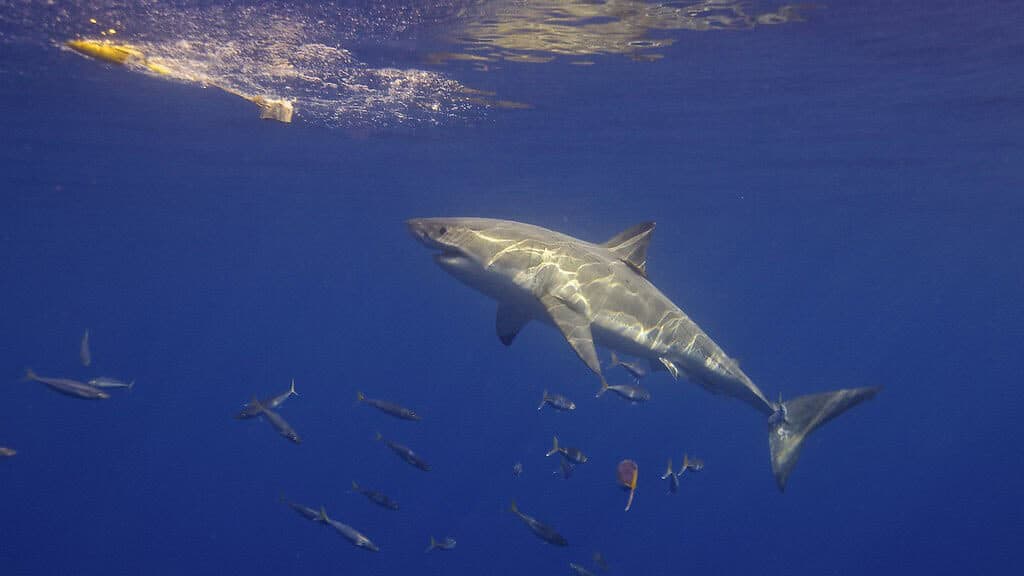
The specialized respiratory requirements of obligate ram ventilators create unique conservation challenges. These sharks are particularly vulnerable to fishing methods that restrict movement, such as gillnets and longlines. Even if released after capture, the stress and oxygen debt accumulated during their restraint can lead to post-release mortality. Understanding the respiratory needs of these species has led to the development of more selective fishing gear and handling protocols designed to increase survival rates when these sharks are caught accidentally.
Marine protected areas (MPAs) are especially valuable for obligate ram ventilators, as many of these species have predictable migration routes and aggregation sites. By protecting these critical habitats and the corridors between them, conservation efforts can help maintain healthy populations of these important ocean predators. Additionally, research into the physiological thresholds and adaptability of obligate ram ventilators provides crucial information for predicting how these species might respond to changing ocean conditions in the future.
Fascinating Exceptions and Special Cases

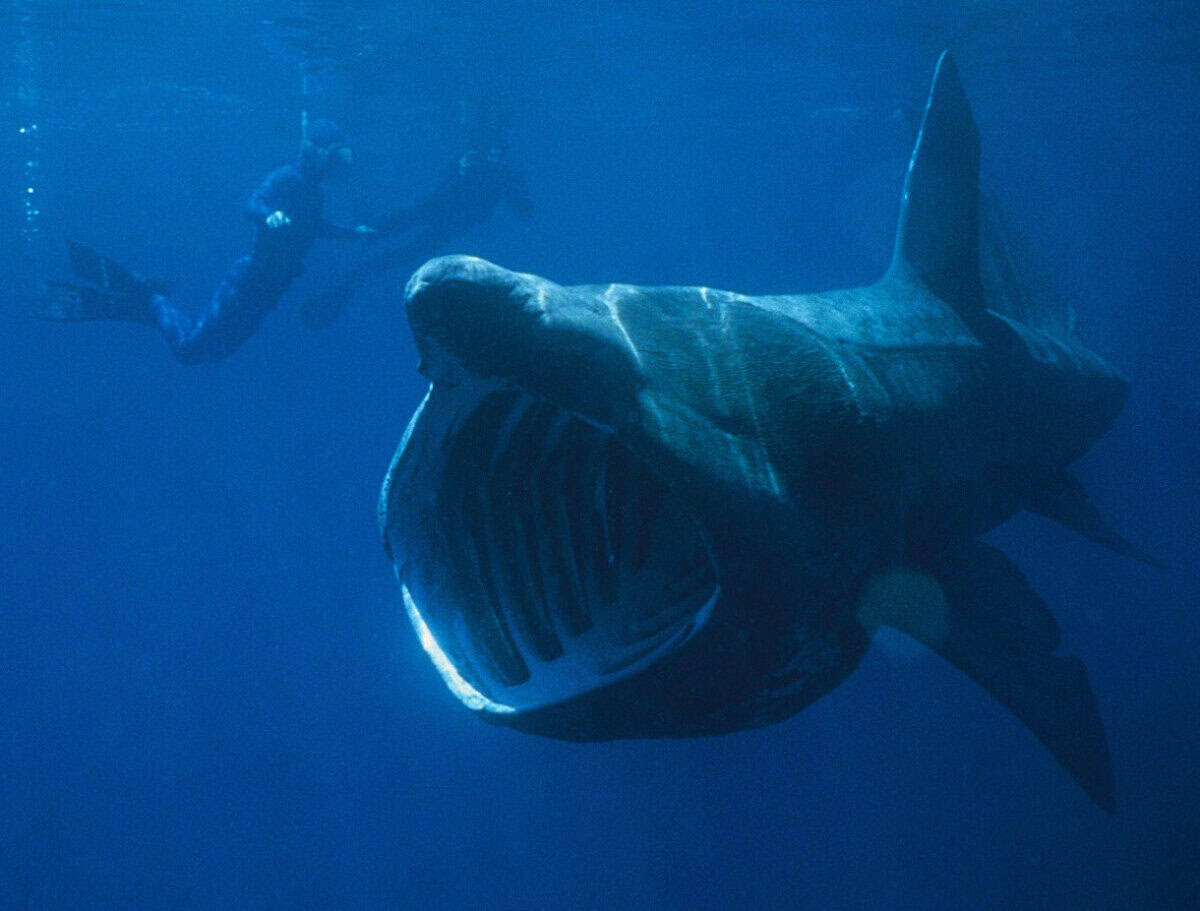
While the division between obligate and facultative ram ventilators is generally clear-cut, nature always includes fascinating exceptions. Some shark species exhibit behaviors that challenge our understanding of these categories. The megamouth shark (Megachasma pelagios), a rare deep-sea species discovered only in 1976, appears to be an obligate ram ventilator with an unusual twist—it may use its luminescent mouth to attract prey while swimming slowly with its enormous mouth open, simultaneously breathing and feeding.
The whale shark, despite its massive size and seemingly slow swimming speed, is an obligate ram ventilator that has evolved a highly efficient gill system. It can extract oxygen effectively even while swimming at the relatively slow pace of around 3 mph. Some scientists have also documented unusual behaviors in normally obligate ram ventilating species, such as great whites that appear to enter brief periods of reduced activity in strong currents, suggesting that our understanding of shark respiration continues to evolve as research techniques improve.
Conclusion: Nature’s Perpetual Swimmers
The evolution of obligate ram ventilation in sharks represents a remarkable example of how the need to solve one biological problem—respiration—can shape an organism’s entire lifestyle and drive the development of numerous complementary adaptations. For species like the great white, mako, and whale shark, the necessity of continuous movement has become intrinsically woven into every aspect of their biology, from muscle structure to hunting strategies. This adaptation showcases the incredible diversity of solutions that evolution can produce, even for something as fundamental as breathing.
As we continue to study these fascinating marine predators, we gain not only a deeper appreciation for their unique biology but also valuable insights that can inform conservation efforts. The perpetual swimmers of our oceans have survived for millions of years through countless environmental changes, but they now face unprecedented challenges from human activities and climate change. By understanding and protecting these remarkable creatures, we help ensure that future generations will share our seas with nature’s most perfectly evolved perpetual swimming machines.

From exploring the marine wonders in the Azores and witnessing the vast savannas of Kenya, to delving deep into the rich biodiversity of South Africa and traversing iconic landscapes in Australia and the US like Yellowstone, Chris's experiences are vast.
With a penchant for diving alongside sharks, the ocean holds a special place in his heart.
Through his academic insights, he champions wildlife conservation, striving with 'Animals Around The Globe' to cultivate a profound connection between humans and animals, enhancing our mutual appreciation.
Connect with him at Feedback@animalsaroundtheglobe.com.
- Spirit Animals: What Yours Means and How to Find It - July 31, 2026
- Why the World’s Loudest Animals Are Going Quiet - July 31, 2026
- This Animal Produces the Loudest Mating Call on Earth - July 31, 2026