
As human populations continue to expand and urban areas grow at unprecedented rates, the natural world finds itself at a crossroads. Cities now cover approximately 3% of the Earth’s land surface, yet they house over half of the world’s human population. This rapid urbanization has transformed landscapes, creating novel ecosystems that present both challenges and opportunities for wildlife. While some species struggle to adapt and ultimately disappear from urban environments, others have found ways to not only survive but thrive in these human-dominated landscapes. Understanding why certain animals flourish while others fade away in urban settings reveals fascinating insights into evolution, adaptation, and the complex relationship between humans and wildlife in our increasingly urbanized world.
The Urban Revolution: A New Ecological Frontier
Cities represent one of the most dramatic environmental transformations in Earth’s recent history. These concrete jungles create entirely new habitats characterized by higher temperatures (the “urban heat island” effect), altered precipitation patterns, increased pollution, fragmented green spaces, abundant artificial structures, and constant human presence. According to the United Nations, 68% of the world’s population is projected to live in urban areas by 2050, meaning these human-made ecosystems will only continue to expand and intensify. This rapid urban growth presents what ecologists call a “novel ecosystem” – environments with combinations of species and environmental conditions that have not previously existed. These novel ecosystems force wildlife to either adapt to new conditions, relocate, or face local extinction. The species that succeed in cities often share certain traits and adaptations that allow them to exploit the unique opportunities that urban environments provide.
Behavioral Flexibility: The Urban Survivor’s Key Trait
Perhaps the most critical characteristic of successful urban animals is behavioral flexibility – the ability to adjust behavior in response to new environmental challenges. Species that thrive in cities typically demonstrate remarkable adaptability in their foraging, nesting, and activity patterns. For example, urban raccoons have learned to open garbage cans, city-dwelling birds sing at higher pitches to overcome traffic noise, and coyotes have shifted to more nocturnal activity to avoid human encounters. Research published in the journal Behavioral Ecology found that common city birds like house sparrows and pigeons show significantly higher levels of behavioral innovation than their rural counterparts. This cognitive flexibility allows them to exploit new food sources and nesting opportunities. Meanwhile, species with rigid behavioral patterns or specialized needs often struggle to adapt to urban conditions. The Florida scrub-jay, for instance, requires specific habitat conditions and has strict territorial behaviors that make urban adaptation nearly impossible, contributing to its population decline in developed areas.
Diet Generalists: The Advantage of Omnivory

Animals with flexible, omnivorous diets hold a significant advantage in urban environments. Cities offer novel food resources, from discarded human food to ornamental plants, and species that can capitalize on these resources often flourish. Dietary generalists like crows, raccoons, and coyotes readily supplement their natural diet with human food waste, giving them a competitive edge. A study in the journal Global Change Biology found that urban-dwelling red foxes in London have significantly different diets compared to their rural counterparts, with anthropogenic food making up nearly 40% of their diet. In contrast, dietary specialists face significant challenges in cities. The koala, which feeds almost exclusively on eucalyptus leaves, cannot adapt to urban food sources and suffers when its specialized food resource is removed for development. Similarly, insectivorous bats that specialize in catching moths or beetles may struggle when light pollution and habitat fragmentation disrupt insect populations. This explains why generalist bat species like the big brown bat are commonly found in cities, while specialist species are notably absent.
Reproduction Strategies: Fast Life Histories in the Fast City
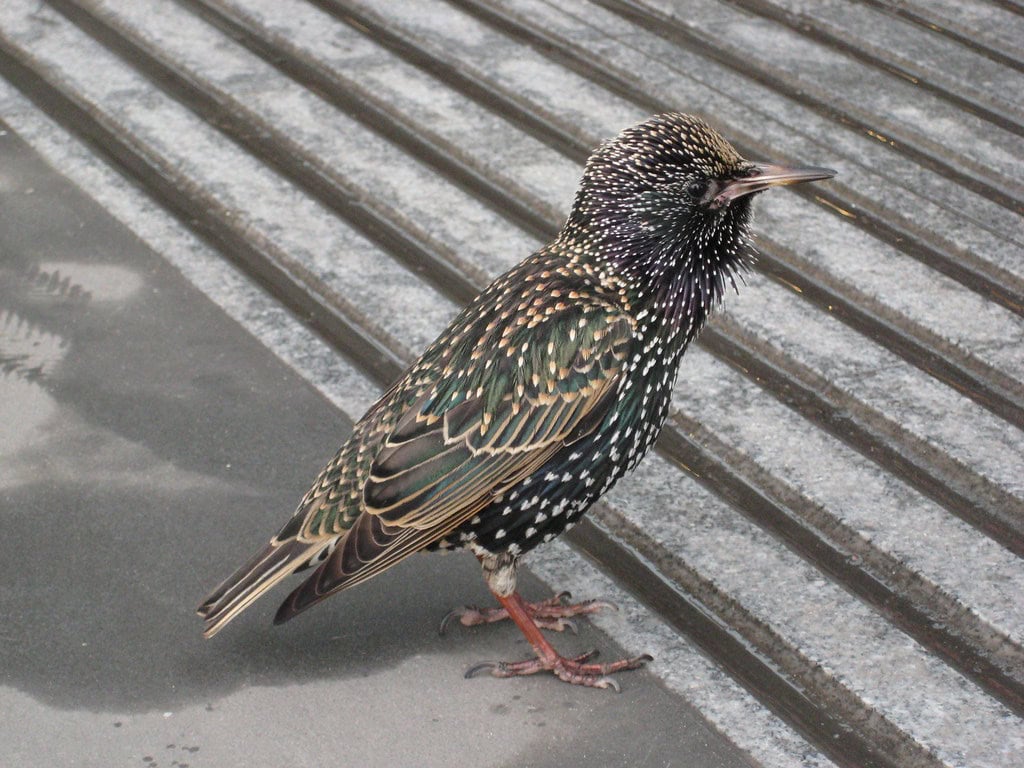
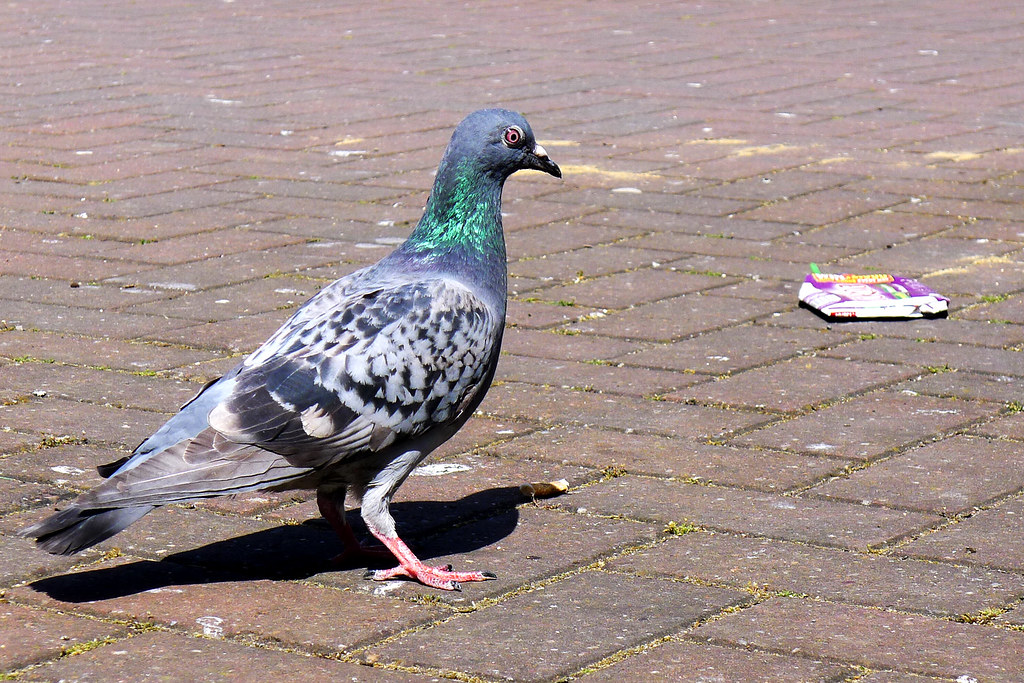
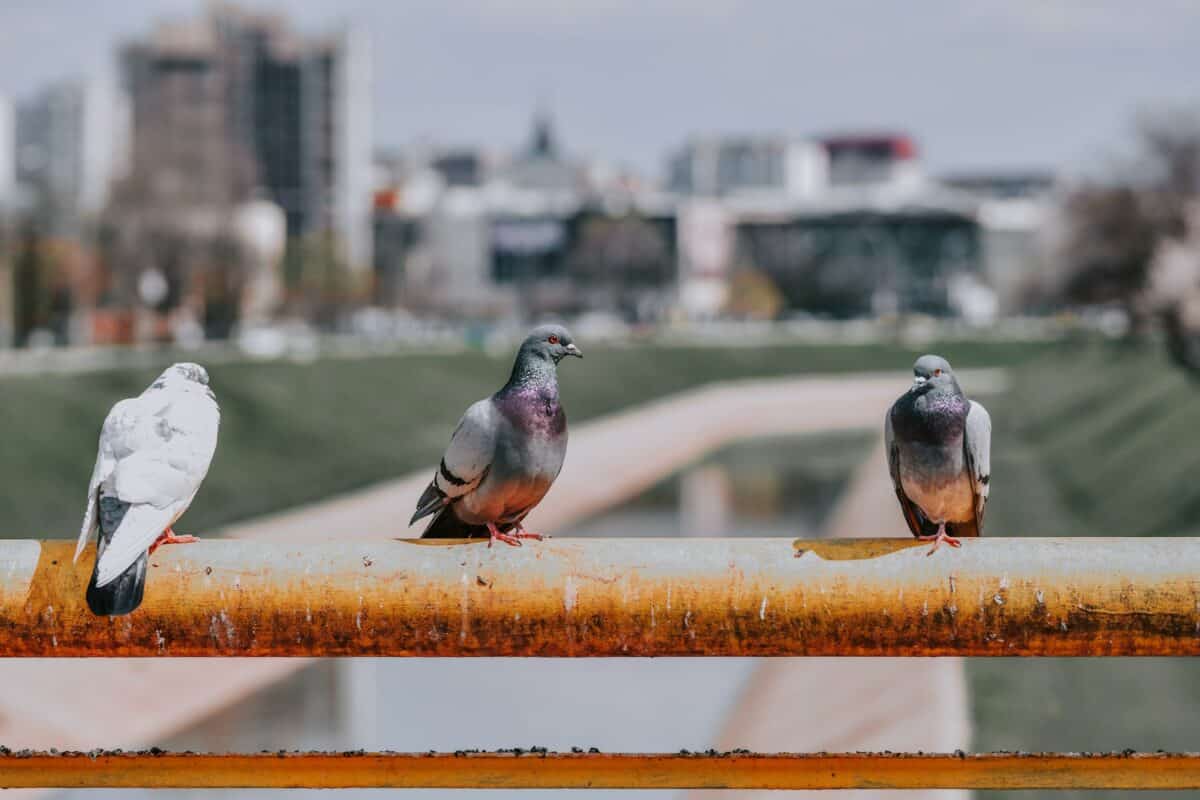
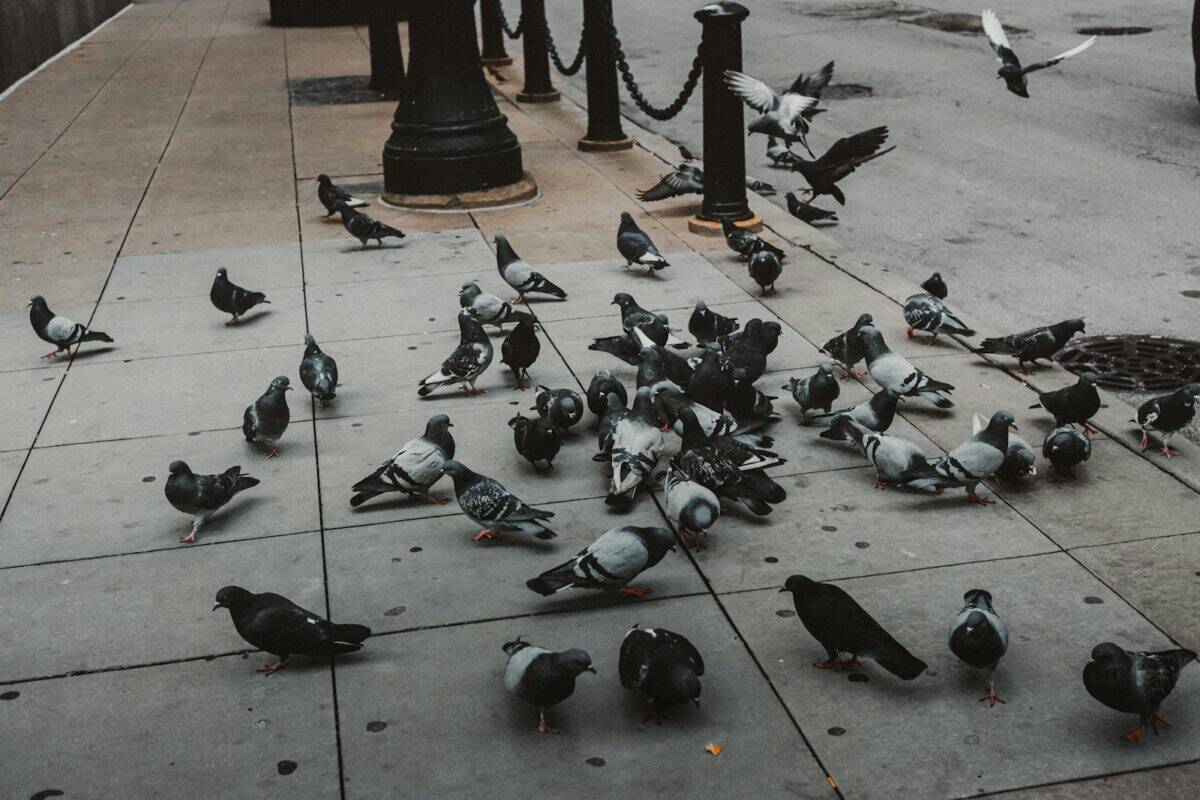
Species with high reproductive rates and shorter life spans – what biologists call “fast life history” strategies – often excel in unpredictable urban environments. These animals can quickly build populations and adapt to changing conditions across generations. Rodents like rats and mice epitomize this strategy, producing large litters multiple times per year, allowing rapid adaptation to urban pressures through natural selection. Birds that produce multiple broods annually, such as house sparrows and European starlings, similarly maintain strong urban populations. A comprehensive study published in Nature Communications analyzed 27 bird species across 27 cities and found that successful urban colonizers generally had higher annual reproductive outputs than their rural counterparts. Conversely, animals with slow life histories – those that mature slowly, produce few offspring, and invest heavily in each – struggle to maintain viable populations when facing urban hazards. Large raptors like eagles, which typically produce only 1-2 young annually and take years to reach breeding age, can be devastated by even modest increases in mortality from collisions with buildings, vehicles, or power lines. This reproductive strategy difference helps explain why pigeons (which can breed year-round) thrive in cities while more slowly reproducing birds often disappear.
Fear Response: Managing Stress in Human Proximity
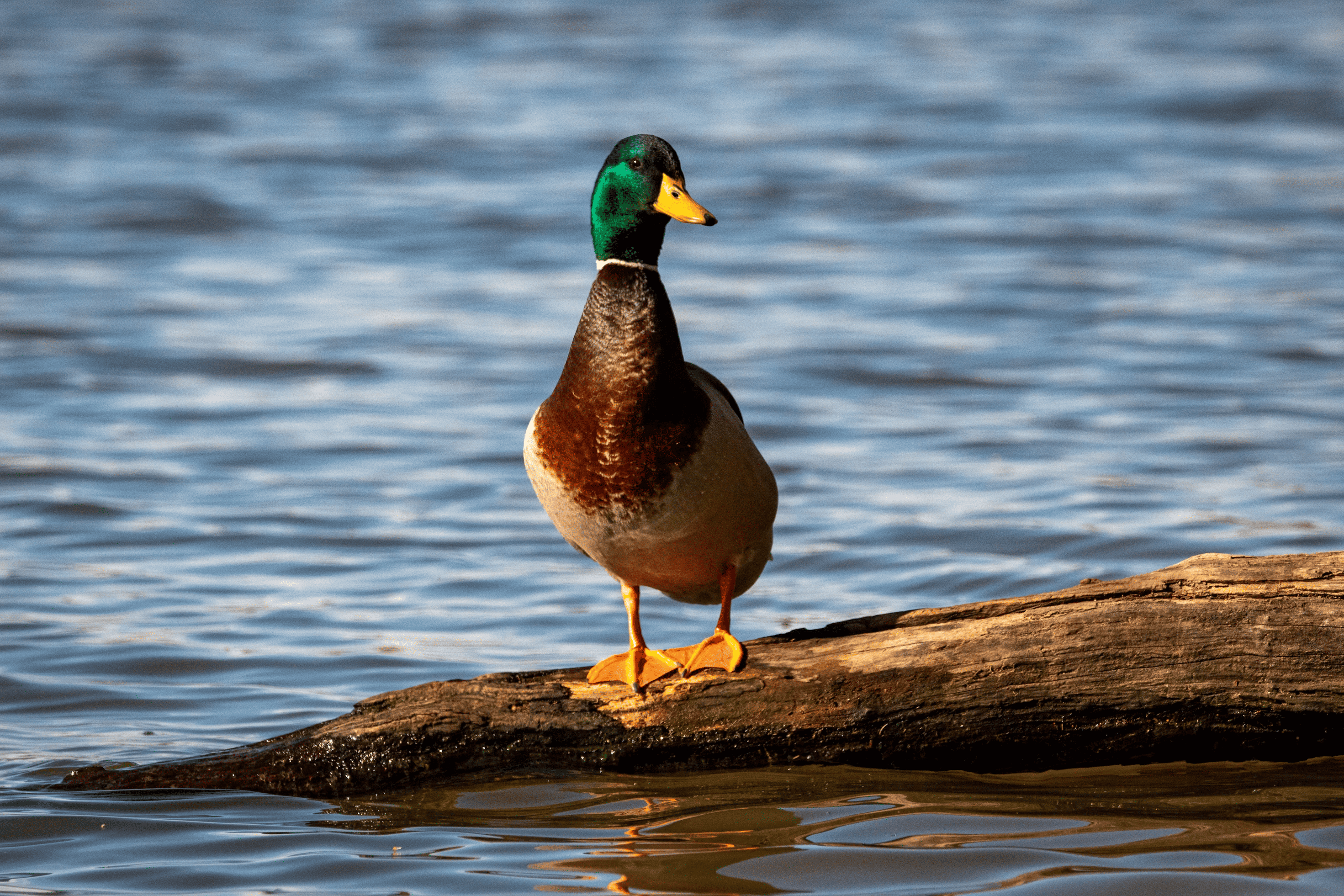
A reduced fear response toward humans – a trait scientists call decreased “flight initiation distance” – characterizes many successful urban species. Animals that can tolerate human proximity without experiencing chronic stress have a distinct advantage in cities. Urban populations of many species, including American crows, mallard ducks, and fox squirrels, allow humans to approach much closer than their rural counterparts before fleeing. Research in the journal Science documented that urban lizards in Puerto Rico have evolved shorter limbs and larger toe pads, adaptations that make them more agile on human-made surfaces, alongside behavioral changes that make them more tolerant of human presence. Interestingly, this tolerance appears to be both learned and genetic – studies of urban blackbirds in Europe have found that they have different genetic markers associated with fear responses compared to rural populations. Meanwhile, species with strong innate fear responses to humans struggle to establish in cities. Many forest songbirds like wood thrushes and warblers show persistent stress responses to human activity, leading to decreased breeding success and eventual local extinction in heavily urbanized areas. This heightened sensitivity to disturbance explains why many sensitive species disappear even from urban green spaces that might otherwise provide suitable habitat.
Habitat Generalists vs. Specialists: Adaptation to Fragmentation
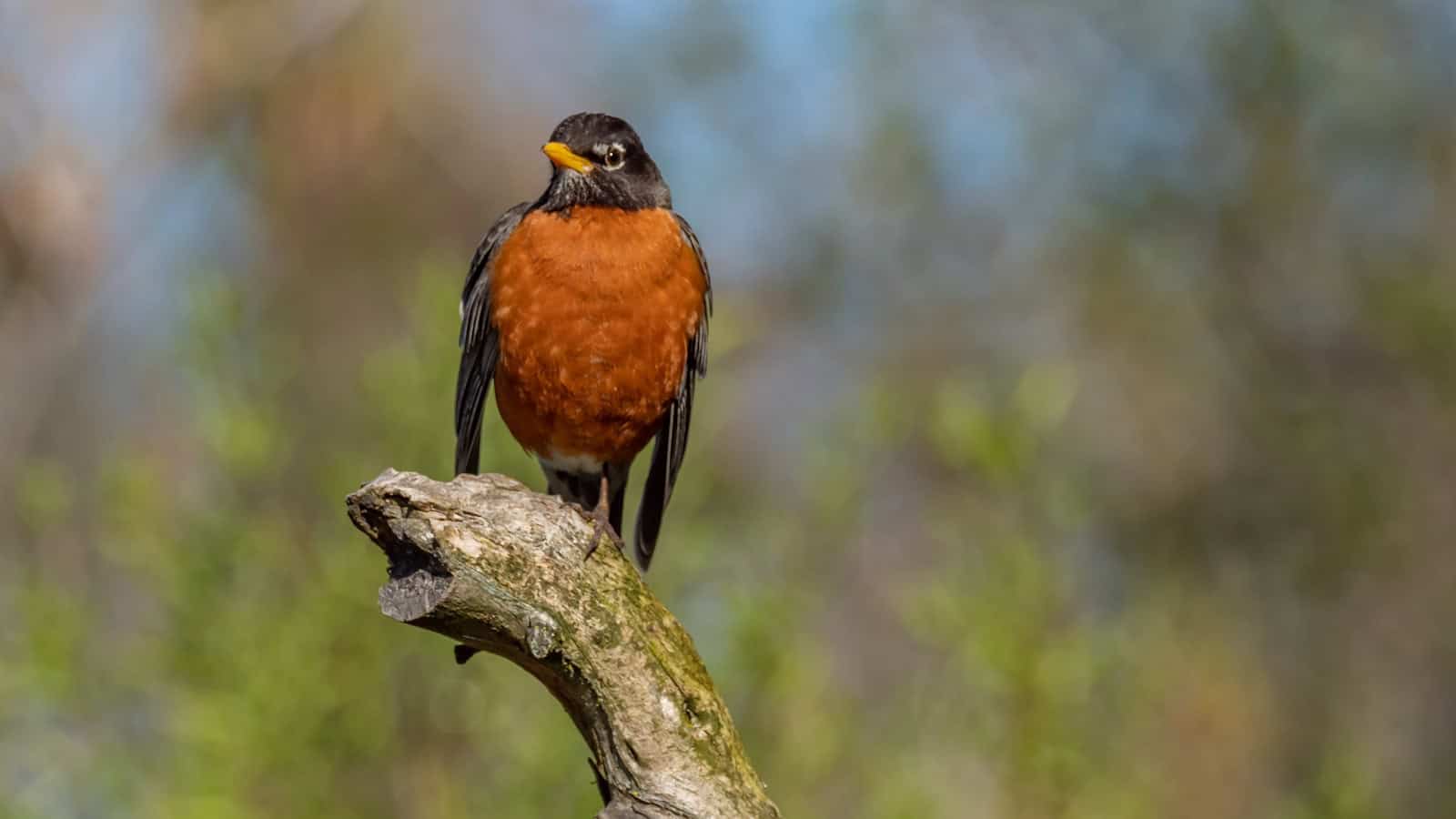
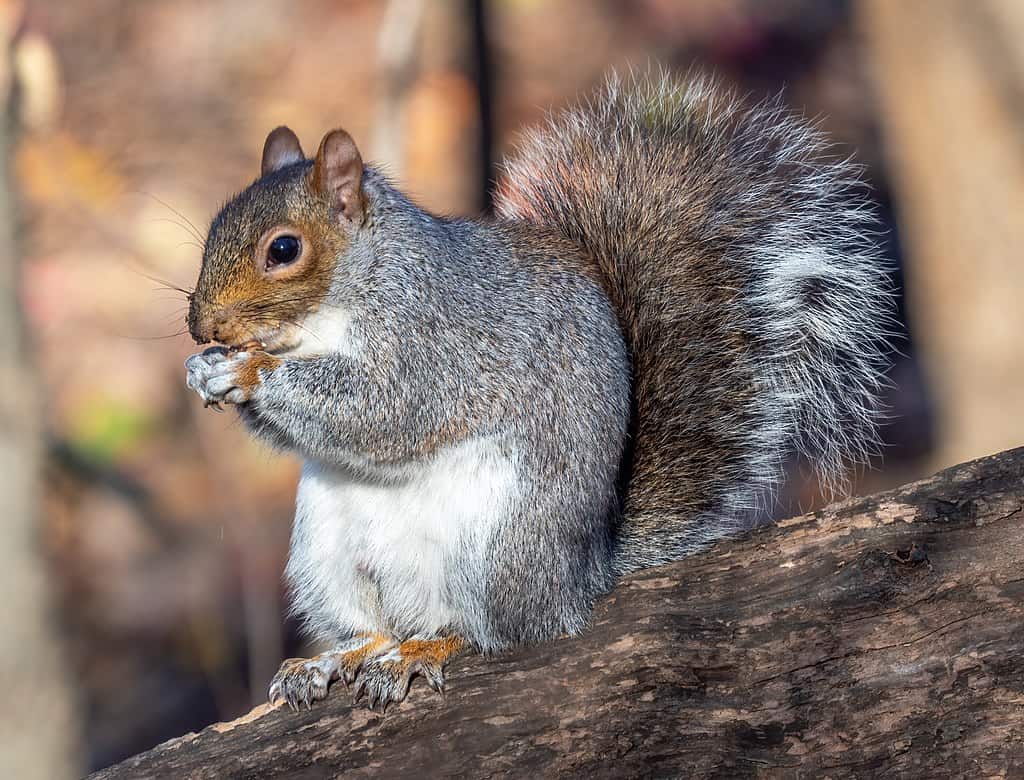
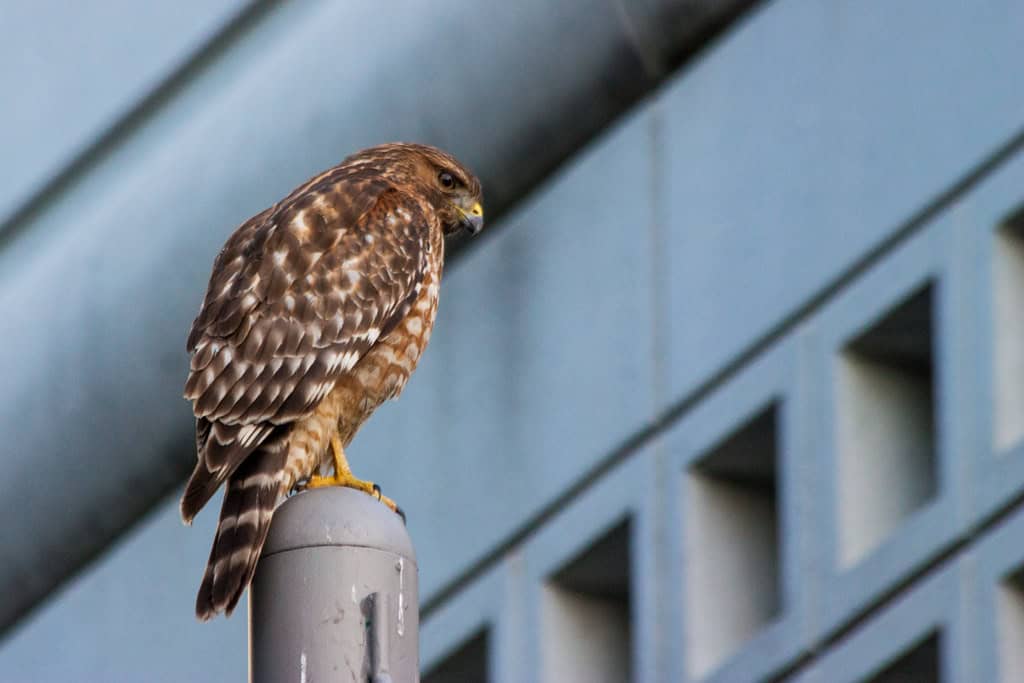
Species that require specific habitat conditions – specialists – face enormous challenges in cities, where natural habitats are fragmented and altered. Urban development typically creates a patchwork of isolated green spaces, which disrupts the continuous habitat many specialists require. Habitat generalists, by contrast, can use a variety of environments and are less affected by this fragmentation. Urban adapter species like American robins can nest in street trees, parks, and residential areas, making them largely unaffected by the loss of continuous forest. Similarly, red-tailed hawks have thrived in cities by hunting in parks and nesting on buildings, demonstrating remarkable habitat flexibility. A 2019 study in the journal Ecological Applications found that habitat generalists comprised over 75% of bird species in highly urbanized areas, while specialists were largely absent. Among mammals, habitat specialists like flying squirrels have disappeared from many urban areas because they require continuous forest canopy to move safely, while eastern gray squirrels thrive because they can use isolated trees and cross open areas on the ground. The persistence of habitat specialists in cities often depends on the preservation of large, connected natural areas within the urban matrix – a key consideration for urban conservation planning.
Physiological Adaptations: Coping with Urban Pollutants
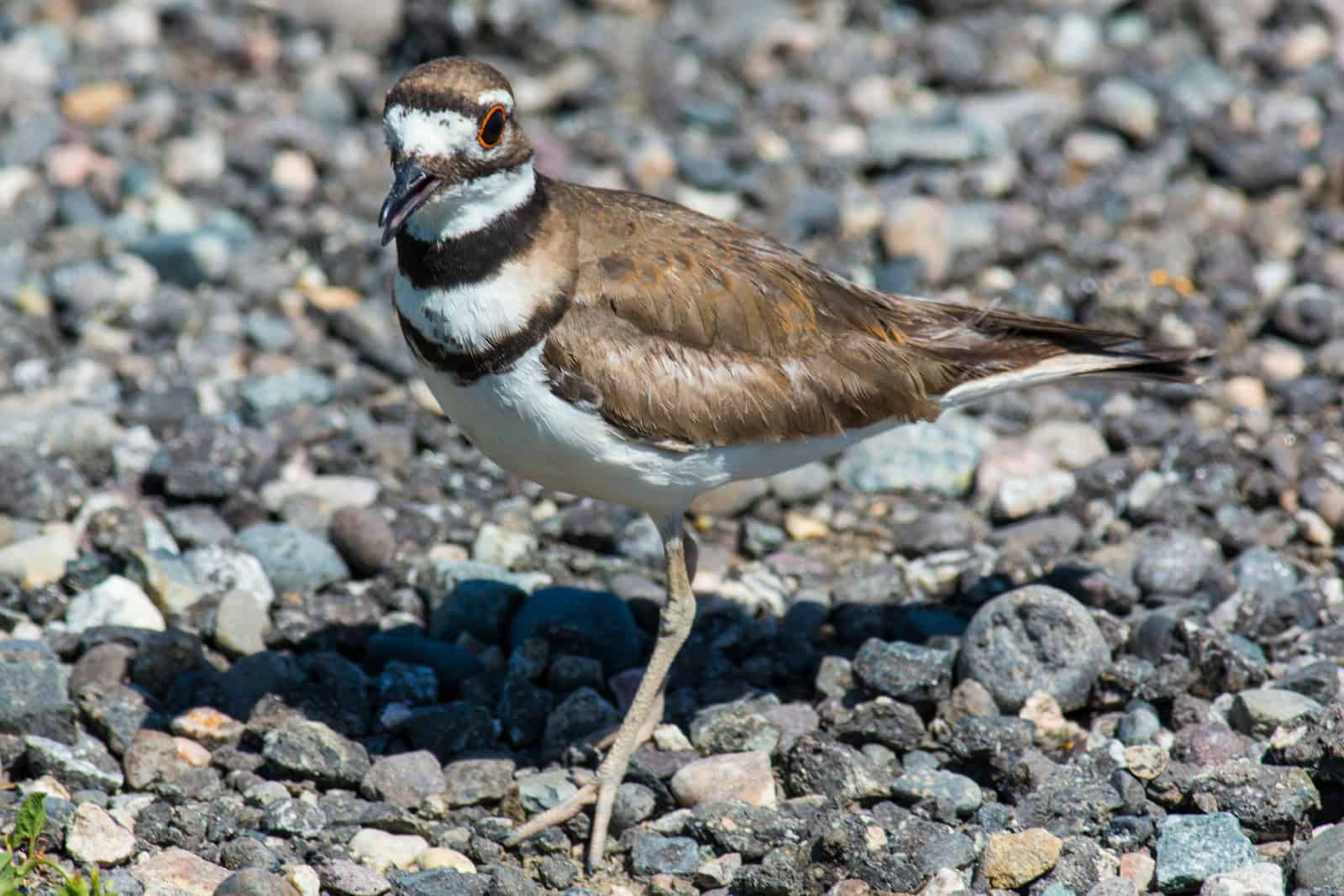
The ability to tolerate pollution and other physiological stressors represents another crucial adaptation for urban wildlife success. Cities expose animals to a cocktail of contaminants including air pollutants, heavy metals, pesticides, and light pollution. Species that possess detoxification mechanisms or can physiologically adapt to these stressors have a competitive advantage. Research published in the journal Environmental Pollution found that urban populations of house sparrows have developed enhanced liver enzyme systems that help detoxify environmental pollutants. Similarly, certain urban fish species in contaminated waterways have evolved resistance to PCBs and heavy metals. Urban killdeer (a shorebird) have shown remarkable tolerance for nesting in highly polluted industrial sites. In contrast, pollution-sensitive species like freshwater mussels and amphibians have disappeared from many urban waterways due to their permeable skin and sensitivity to water quality changes. Particularly striking is the case of the peregrine falcon, which nearly vanished from eastern North America due to DDT contamination but has since made a dramatic comeback in cities, where they nest on skyscrapers and bridges. Their recovery demonstrates how some species can adapt to urban environments once specific physiological stressors are removed.
Edge Species: Pre-Adapted for Urban Success
Many of the most successful urban adapters were historically “edge species” – animals that naturally inhabited the boundaries between different habitat types. These species were pre-adapted to the fragmented, heterogeneous nature of urban environments. Before urbanization, white-tailed deer, coyotes, and northern cardinals all thrived in forest edges and clearings, making their transition to suburban environments relatively seamless. Their natural history prepared them for the mixed habitat structure of residential neighborhoods. A fascinating study in the journal Proceedings of the Royal Society B examined the evolutionary history of urban bird communities across six continents and found that species from edge habitats were consistently overrepresented in cities. In contrast, forest interior specialists like many warblers, thrushes, and woodland salamanders have largely disappeared from urban areas, as they evolved in continuous habitats and lack adaptations for navigating fragmented landscapes. This pattern helps explain why some regions have seen such dramatic changes in wildlife communities as urbanization increases – the species composition shifts from interior specialists to edge-adapted generalists, fundamentally altering ecosystem dynamics.
Exploiting Urban Infrastructure: Finding Homes in Human Spaces
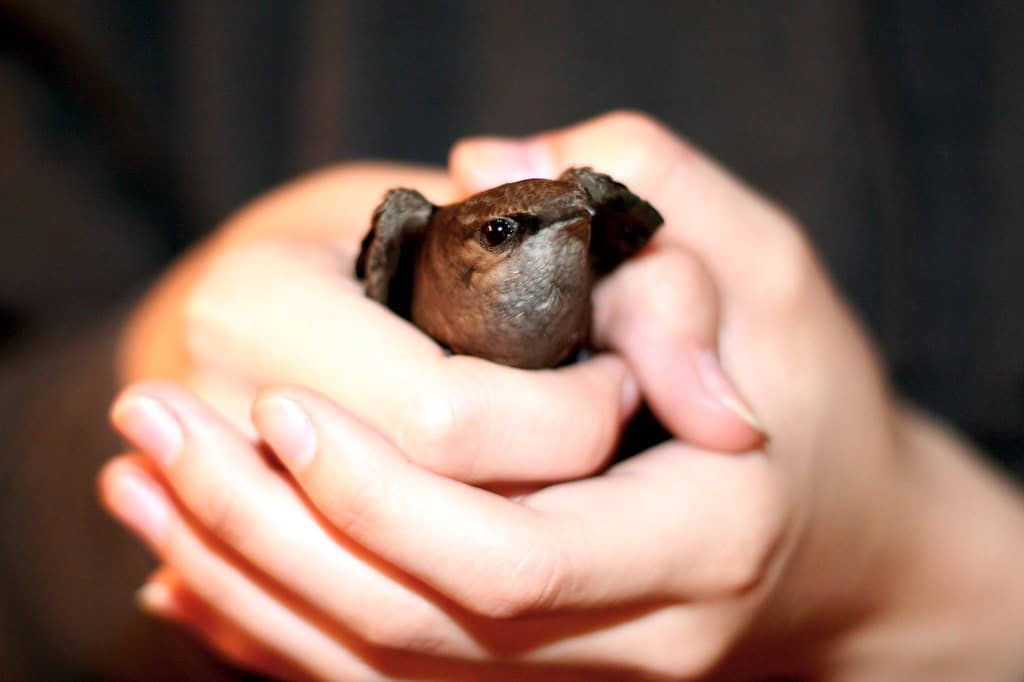
Successful urban species often exploit human structures as substitutes for natural habitat features. Buildings, bridges, and other infrastructure can provide novel nesting sites and shelter that benefit certain species. Peregrine falcons nest on skyscrapers that mimic their natural cliff habitats, achieving higher nesting success in cities than in natural areas due to reduced predation. Chimney swifts, which historically nested in hollow trees, now nest almost exclusively in chimneys and air shafts as their natural habitat has declined. Bats like the big brown bat roost in attics and wall voids, finding these spaces more thermally stable than natural roosts. A study in the journal Urban Ecosystems documented 16 bird species nesting on human structures in a single city, with many achieving higher reproductive success than in natural sites. Even aquatic species adapt to urban infrastructure – gobies and other fish use submerged concrete structures as spawning sites in urban harbors. However, species that cannot utilize artificial structures or have highly specific nesting requirements often decline in cities. Cavity-nesting birds that require large, dead trees for nesting, like pileated woodpeckers, frequently disappear from urban areas despite the presence of some trees, as urban forestry practices typically remove dead trees for safety reasons. This differential ability to use human infrastructure creates winners and losers in the urban wildlife community.
Intelligence and Learning: The Cognitive Urban Advantage

Higher cognitive abilities and enhanced learning capabilities give certain species a significant advantage in navigating the complex challenges of city life. Corvids (crows and their relatives) exemplify this pattern, with their remarkable problem-solving abilities allowing them to exploit urban resources in innovative ways. American crows have been documented using cars to crack nuts at intersections, waiting for traffic lights to change before retrieving their food. Urban raccoons quickly learn to defeat supposedly “raccoon-proof” garbage containers, demonstrating impressive manual dexterity and spatial reasoning. Research published in Science documented that urban birds have larger brains relative to their body size compared to their rural counterparts, suggesting that cognitive capacity plays a crucial role in urban adaptation. A study in Royal Society Open Science found that urban great tits in the UK could solve novel food puzzles faster than rural populations, demonstrating enhanced learning in city birds. These cognitive advantages allow urban animals to adjust to the rapid changes and novel challenges cities present. By contrast, species with limited behavioral plasticity or cognitive flexibility struggle to develop new behaviors needed for urban survival. This cognitive filter helps explain why certain taxonomic groups, like corvids, parrids (chickadees and titmice), and some mammals consistently succeed in urban environments while others decline.
Predator-Prey Dynamics: Changing Relationships in Urban Ecosystems

Urbanization dramatically reshapes predator-prey relationships, creating new dynamics that benefit some species while disadvantaging others. Cities often support high densities of mesopredators – medium-sized predators like raccoons, opossums, and domestic cats – while excluding larger apex predators like wolves and mountain lions. This mesopredator release can devastate prey species that lack urban adaptations. Research published in Nature Communications found that free-ranging domestic cats kill between 1.3–4.0 billion birds annually in the United States alone, contributing to urban bird population declines, particularly among ground-nesting species. Conversely, some prey species benefit from the unique predator landscape of cities. Eastern gray squirrels in urban parks face fewer natural predators and achieve much higher population densities than in forests. Many songbirds nest higher in urban areas in response to ground predator pressure, a behavioral adaptation that increases their survival. Urban peregrine falcons have helped control pigeon populations in many cities, demonstrating how native predators can help regulate abundant urban adapter species. The complex reshuffling of predator-prey relationships in cities creates ecological winners and losers, with species that can adjust their anti-predator behaviors to new threats thriving, while those with fixed defensive strategies often disappearing. This dynamic partially explains why ground-nesting birds have largely vanished from urban areas while many canopy-nesting species persist.
Human Attitudes: The Social Dimension of Urban Wildlife Success

Human perceptions, values, and behaviors significantly influence which species succeed in urban environments. Animals that humans find appealing, harmless, or beneficial often receive protection, supplemental feeding, and habitat enhancements that improve their urban survival. Songbirds benefit from widespread birdfeeding – Americans spend over $4 billion annually on bird food – creating a substantial food subsidy that helps some species thrive even in highly developed areas. Research in the journal Biological Conservation found that urban areas with higher socioeconomic status typically support greater bird diversity, largely due to increased vegetation and wildlife-friendly practices. Conversely, species perceived as nuisances or threats face persecution, legal control measures, and habitat modifications designed to exclude them. Urban coyotes, though ecologically beneficial, are often targeted for removal when they generate public concern. Bats suffer from widespread negative perceptions despite their pest control benefits, leading to the destruction of urban roosts. Cultural differences in wildlife attitudes also shape urban biodiversity patterns globally. A comparative study of cities in North America and Europe found that European cities generally maintain higher native bird diversity, partly reflecting different cultural attitudes toward urban green space and wildlife conservation. This social dimension of urban ecology means that public education and changing perceptions can significantly impact which species persist in cities – making human attitudes an important factor in urban conservation efforts.
Conclusion: Lessons from Urban Adapters and Conservation Implications
The stark contrast between urban adapters and avoiders offers valuable insights for wildlife conservation in our increasingly urbanized world. Successful urban species demonstrate that behavioral flexibility, dietary adaptability, and tolerance of human activity are key traits for surviving in human-dominated landscapes. These urban survivors aren’t simply passive recipients of change but active participants who adjust their behavior, physiology, and even evolve in response to novel urban pressures. Understanding these adaptation mechanisms can help conservationists predict vulnerability to urbanization and design more effective protection strategies for sensitive species. Cities themselves represent a frontier for conservation, where thoughtful urban planning, habitat restoration, and public engagement can create spaces where both humans and diverse wildlife communities coexist. As urbanization continues globally, the lessons learned from both urban adapters and avoiders will be crucial for maintaining biodiversity in the cities of tomorrow, ensuring that our urban futures include not just the most adaptable species but a rich tapestry of wildlife that enhances the human experience of urban living.

- The Secret Language of Dolphins Decoded by Researchers - July 20, 2026
- 7 Animals That Can Survive Extreme Environments You Couldn’t - July 20, 2026
- The Longest Snake Ever Found in the U.S. - July 20, 2026