

Most people barely glance up when a squirrel darts across the lawn. It’s just a squirrel, doing squirrel things. Yet that small, twitchy creature darting between your garden beds is quietly running a set of cognitive operations that scientists have spent decades trying to fully understand. The more researchers look, the more surprised they tend to be.
These animals are not simply reacting to the world on instinct alone. They exhibit high levels of intelligence through behaviors that emphasize their ability to learn and adapt, not only remembering food locations but also developing new tactics to overcome obstacles, often through trial and error. That gap between what we assume and what the evidence actually shows is worth taking seriously.
A Memory That Would Embarrass Most People
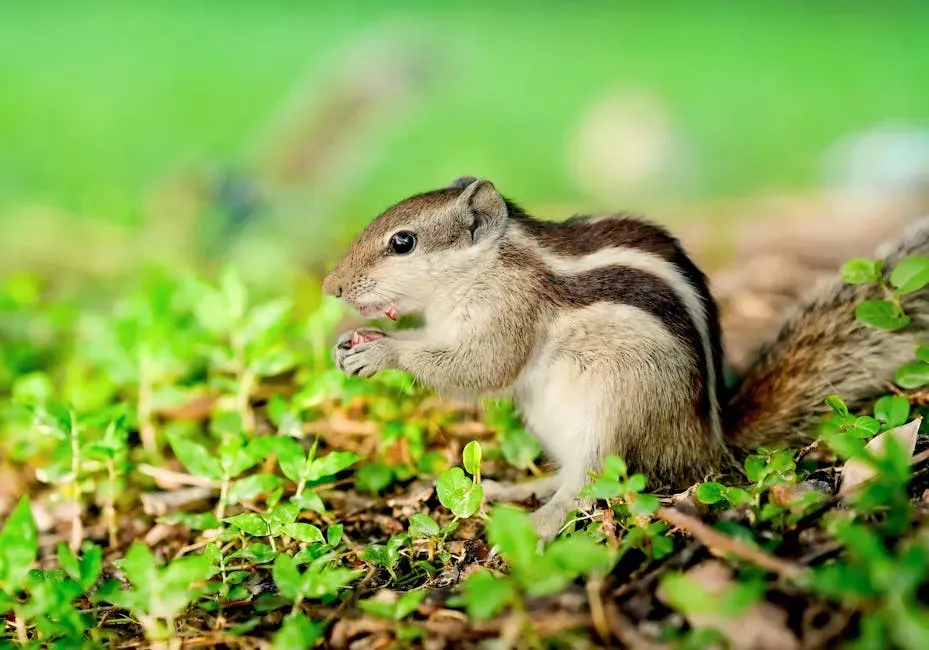
The signature proof of squirrel intelligence is also the most visible: their food-caching behavior. Studies have shown that squirrels can remember the locations of hundreds of buried nuts, optimizing their foraging strategies to ensure survival through winter months. That alone is remarkable, but the mechanism behind it is even more interesting.
Research has shown that squirrels create a cognitive, or mental, map to remember where these nut stashes are. This research on squirrels is even helping us learn more about the human brain and spatial memory. The mental mapping isn’t vague or approximate. This spatial memory is so precise that squirrels can often find their caches even after the ground has been covered with snow or leaves, which obscure visual landmarks.
There’s a structural reason for this. The hippocampus of squirrels is larger than that of similar species that don’t hide their food. Scientists suggest this may be due to neuroplasticity, or the brain’s ability to adapt and change over an organism’s lifetime in response to environmental changes. This isn’t just a fun fact. It points to a brain that is actively rewired by the demands of survival.
Squirrels use spatial chunking. In one study, researchers gave squirrels four different types of nuts and found that statistically, squirrels would segregate the nuts by type. Based on everything known from cognitive science, it’s more of an effort to do so, but it makes their locations easier to remember. In other words, they apply a memory strategy that mirrors techniques humans are taught in school.
The Art of the Long Con: Deceptive Caching
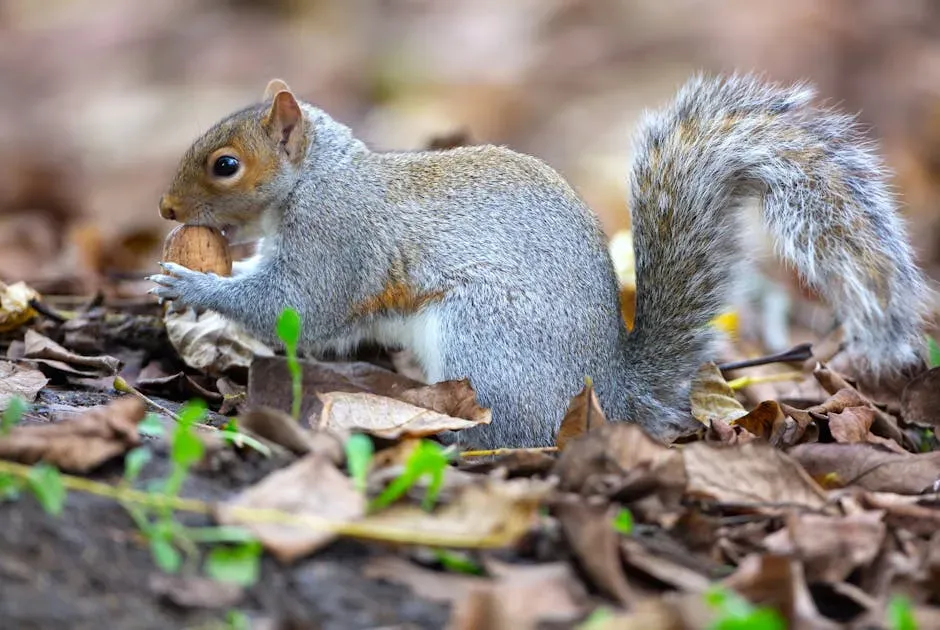
If remembering thousands of hiding spots isn’t enough, squirrels have taken their intelligence a step further into outright deception. Free-living eastern grey squirrels, when caching food in the presence of conspecifics, perform behavioural deception by covering additional empty sites where nothing has been cached. Scientists call this “deceptive caching,” and it’s more calculated than it sounds.
Researchers at the University of Exeter observed that squirrels are far more likely to perform these fake-outs when they know they are being watched. If a squirrel is alone, it will simply bury its nut and move on. The behavior switches on specifically in social situations. That context-dependence is a tell-tale sign of intentional, not reflexive, action.
Such deceptive caching occurred in two distinct populations, occurred more often in the close presence of conspecifics, and reduced the probability of cache pilferage by surrogate human cache pilferers. The strategy works. That’s what makes it so striking.
The ability to anticipate the thoughts and actions of others is a mark of advanced intelligence rarely attributed to common rodents. Researchers typically associate this kind of social cognition with primates and corvids. Finding it in a backyard squirrel quietly changes that picture.
Problem Solvers That Don’t Forget
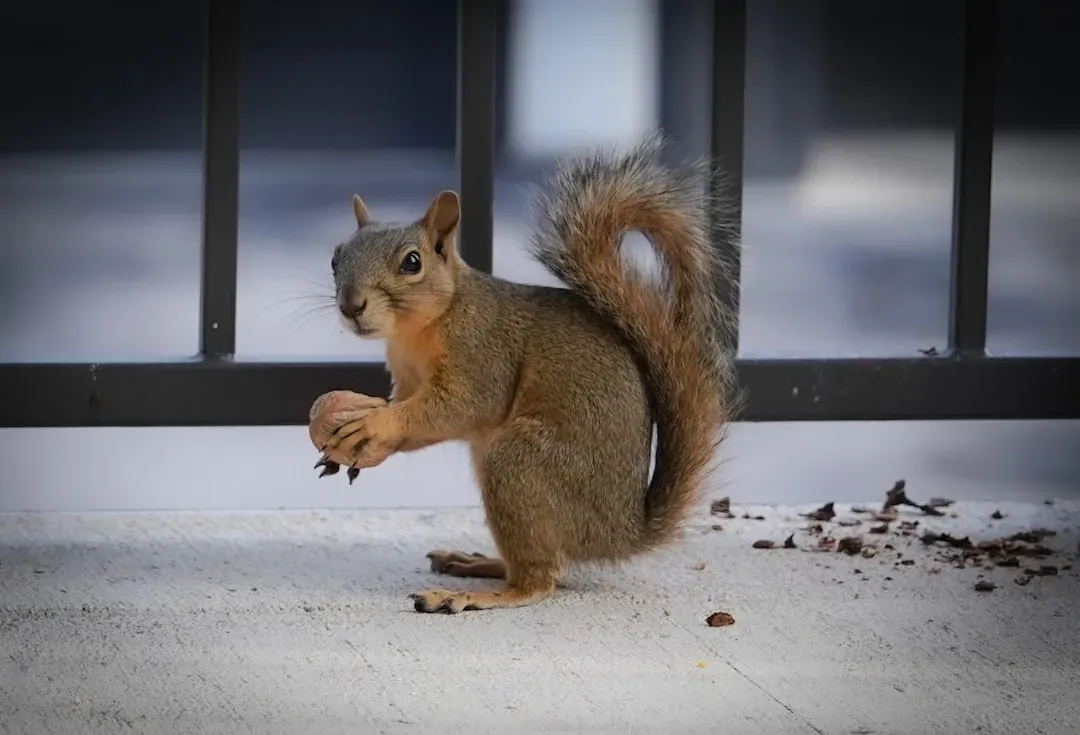
Squirrels don’t just solve problems in the moment. They remember how they solved them, sometimes for a remarkably long time. Squirrels can remember problem-solving techniques for long periods and can apply them to new situations, researchers have discovered. This was demonstrated concretely in a study from the University of Exeter.
A 2017 study published in Animal Cognition highlighted how squirrels possess exceptional memory retention capabilities. Led by scientists at the University of Exeter, the study observed how squirrels could recall problem-solving techniques nearly two years after their initial exposure. In the experiment, subjects were tasked with pressing levers to access hazelnuts, a task they had performed 22 months prior. Remarkably, they quickly remembered how to solve the problem, taking only a few seconds to succeed.
The study went further. Gray squirrels were shown to remember the solutions 22 months after first learning them, were also able to apply effective solutions when solving a similar but different problem, and could apply less preferred solutions when the preferred solution became ineffective. Flexible problem-solving over a nearly two-year gap is not something most people would associate with a rodent.
A Communication System Worth Listening To
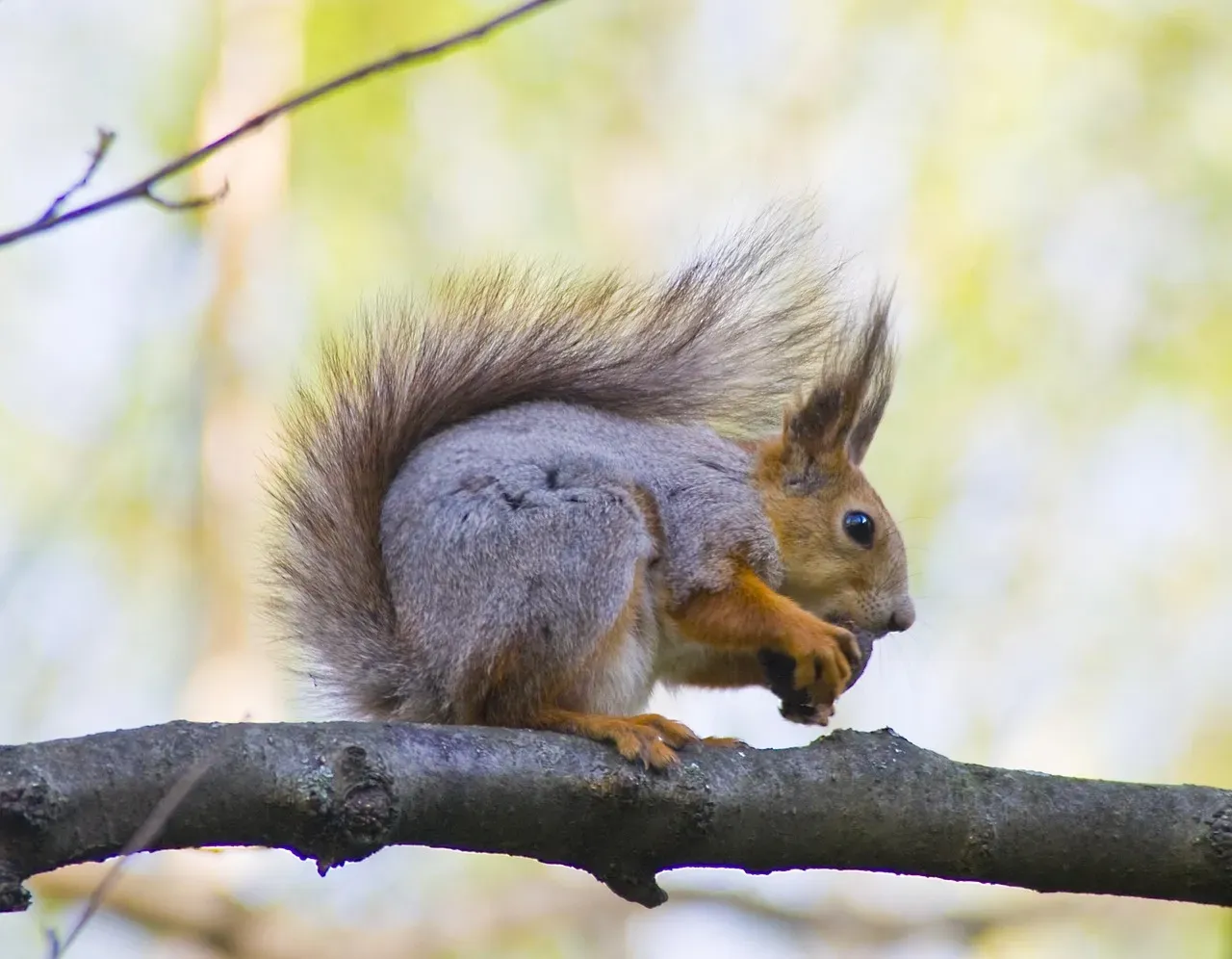
Walk past a squirrel and you’ll likely hear it before you see it. That chattering and tail-flicking isn’t just noise. Studies have shown that squirrels are capable of complex communication, including warning calls that distinguish between different types of predators, allowing for appropriate responses to potential threats.
Squirrels can distinguish between different types of predators and adjust their calls accordingly. A screech warning of a hawk will often cause other squirrels to freeze or seek shelter in dense foliage, while a warning about a ground predator might prompt squirrels to climb higher in trees or move to more open areas where they can better monitor the threat. The precision here is notable. These aren’t general alarm sounds. They’re targeted, situational messages.
One of the most fascinating aspects of squirrel intelligence is their use of tail signals to convey messages to other squirrels. These signals are not random movements but deliberate, nuanced gestures that serve specific purposes in their social interactions. Combined with vocalizations, this layered system of communication makes the squirrel in your yard a far more social and expressive animal than it appears at first glance.
Research has shown that frequency and pitch variations in squirrel calls are not only species-specific but also influenced by environmental factors. For instance, squirrels in noisy urban environments may produce calls with higher frequencies to avoid being drowned out by background noise. They adapt their own communication style to the environment they’re living in. That’s a level of behavioral flexibility that earns genuine scientific respect.
The Urban Squirrel: Learning From Humans
Perhaps the most modern display of squirrel intelligence is how well they’ve adapted to living alongside us. They learn human routines, like garbage collection days, and figure out how to navigate busy streets and utilize human infrastructure to their advantage, highlighting impressive urban adaptation skills. The city isn’t a hostile environment for them. It’s an opportunity.
Squirrels’ interactions with humans have led to innovative behaviors that blend natural instincts with learned strategies. Some squirrels have been observed burying food in potted plants on apartment balconies, a behavior that combines their natural hoarding instinct with an understanding of human-made environments. This kind of hybrid behavior underscores their ability to integrate learned information into their survival strategies.
Based on previous findings, gray squirrels show enhanced cognitive ability, meaning a higher success rate in solving novel food-extraction problems, suggesting they are a successful mammalian invader and urban dweller. Their intelligence isn’t just a relic of forest life. It scales with complexity, and cities are very complex indeed.
There’s also a broader scientific payoff to all of this research. Research on the squirrel hippocampus, which is a key part of the brain lost in Alzheimer’s, has found that part of the hippocampus increases in male squirrels specifically during the caching season in the fall, showing a form of seasonal plasticity. In terms of managing the quality of life for a patient with Alzheimer’s, researchers believe we might learn something from the memory strategies squirrels are using, as there may be simple organizational techniques squirrels rely on that could be translated to help a person with the disease.
Conclusion: The Quiet Genius at Your Bird Feeder
Squirrels occupy a strange place in human perception. They’re familiar enough to be ignored, small enough to be dismissed, and common enough to seem unremarkable. The science tells a different story. From spatial memory that grows and adapts with the seasons, to deliberate deception of rivals, to communication systems tuned to specific threats, these animals are running cognitive machinery that researchers are still working to fully map.
They won’t solve a math problem or learn your name. But they will remember where they hid every last nut, fool you into watching an empty patch of dirt, and adapt to your neighborhood far faster than you might expect. That’s not nothing. In fact, for a creature most people dismiss with a wave of the hand, it’s genuinely impressive.
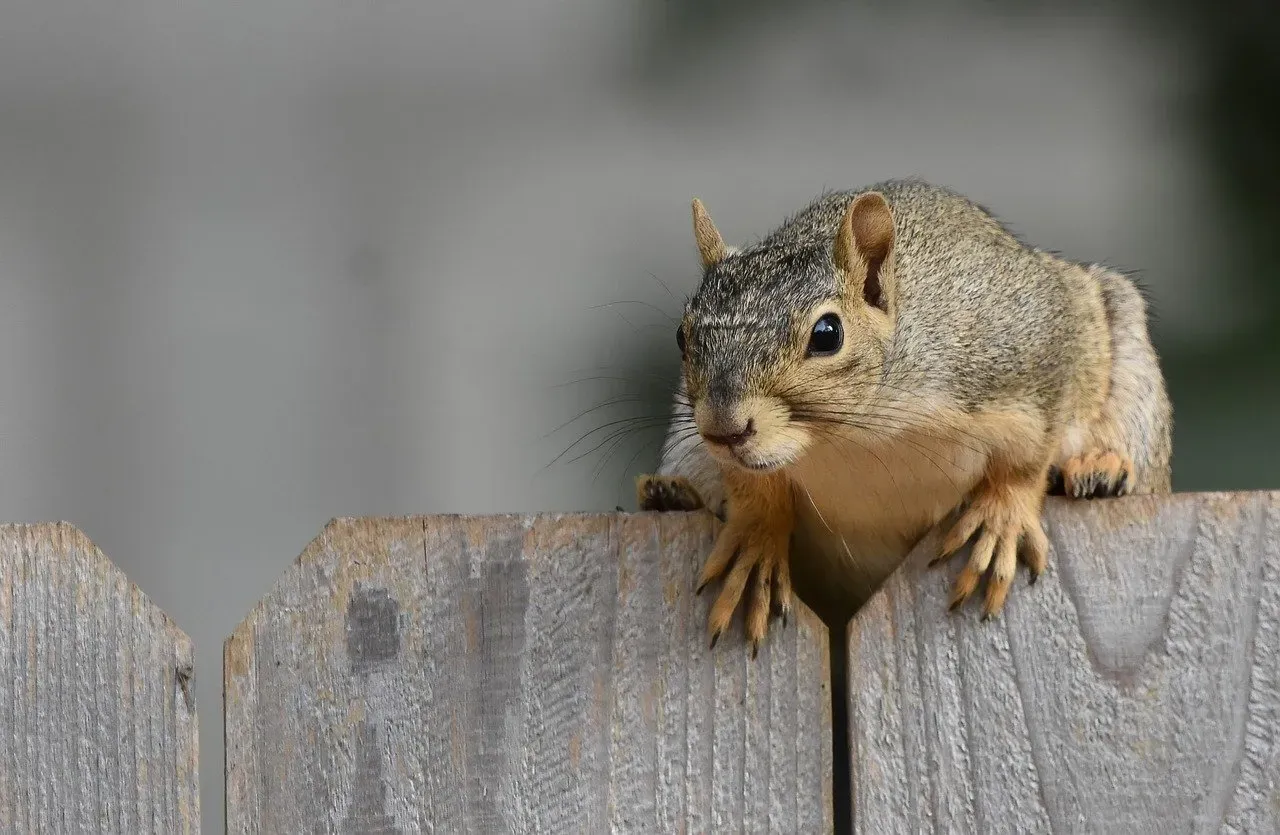
The next time a squirrel pauses on your fence and seems to study you, consider that the assessment might be mutual, and that it’s probably more informed than you think.

- 15 Little-Known Facts About DNA That Control More Than You Think - August 10, 2026
- 10 Things Cats Never Forget About Their Owners - August 10, 2026
- 8 Ways Cats Show They're Worried About You - August 10, 2026