Earth Science Says Much of the Midwest Was Once Beneath a Shallow Tropical Sea-feature Image/Pexels
Imagine standing in the heart of the Midwest, surrounded by vast plains and rolling hills, and then picture this: beneath your feet lies a history where this very land was once submerged under a warm, shallow tropical sea. It’s a revelation that transforms our understanding of the region’s serene landscapes.
The Ancient Tropical Seas of the Midwest
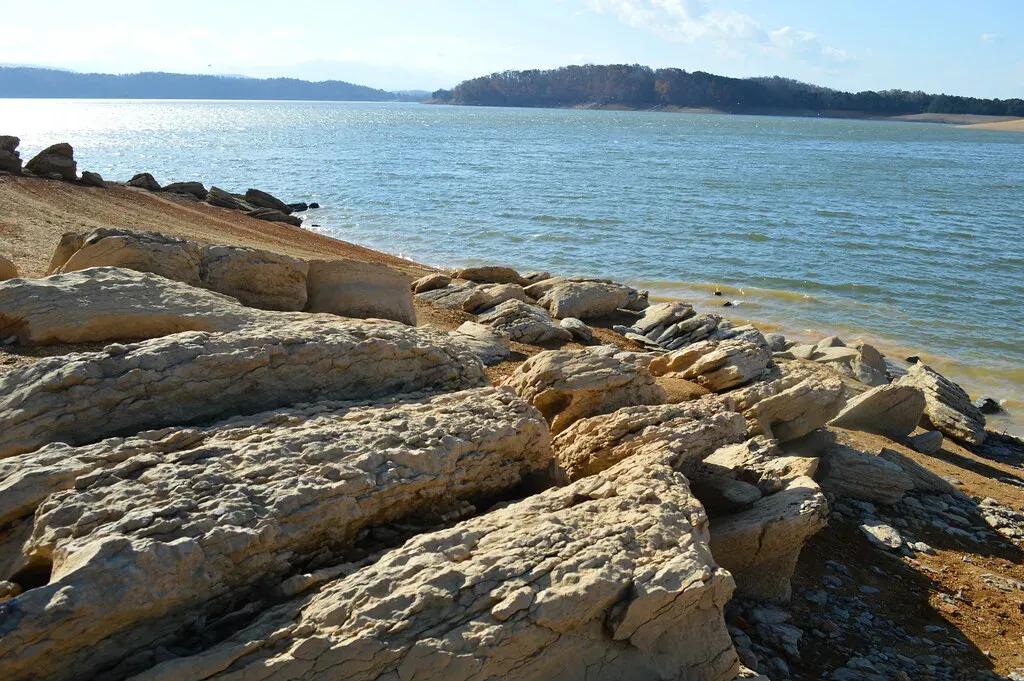
The Ancient Tropical Seas of the Midwest (Kyle Hartshorn, Flickr, CC BY 2.0)
Hundreds of millions of years ago, during the early Paleozoic Era, the area now known as the Midwest was located near the equator. This positioning subjected it to a warm, tropical climate, leading to the formation of shallow seas that covered vast portions of the continent. These seas were teeming with marine life, from trilobites to brachiopods, whose remains contributed to the sedimentary layers we find today.
The evidence of these ancient seas is prominently displayed in the sedimentary rock formations across the region. Limestone, sandstone, and shale layers tell a story of fluctuating sea levels and the rich biodiversity that once thrived here. These rocks, formed from the accumulation of marine sediments, serve as a testament to the Midwest’s submerged past.
Formation of Sedimentary Layers
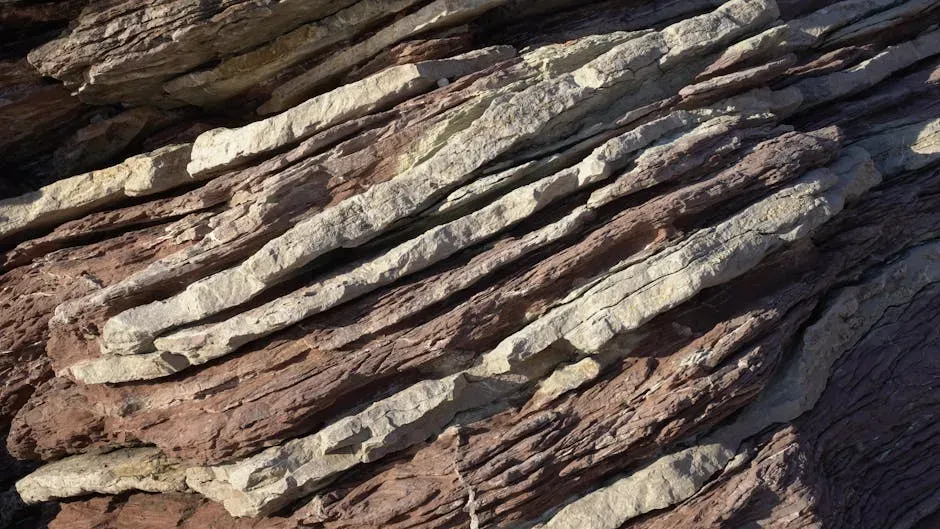
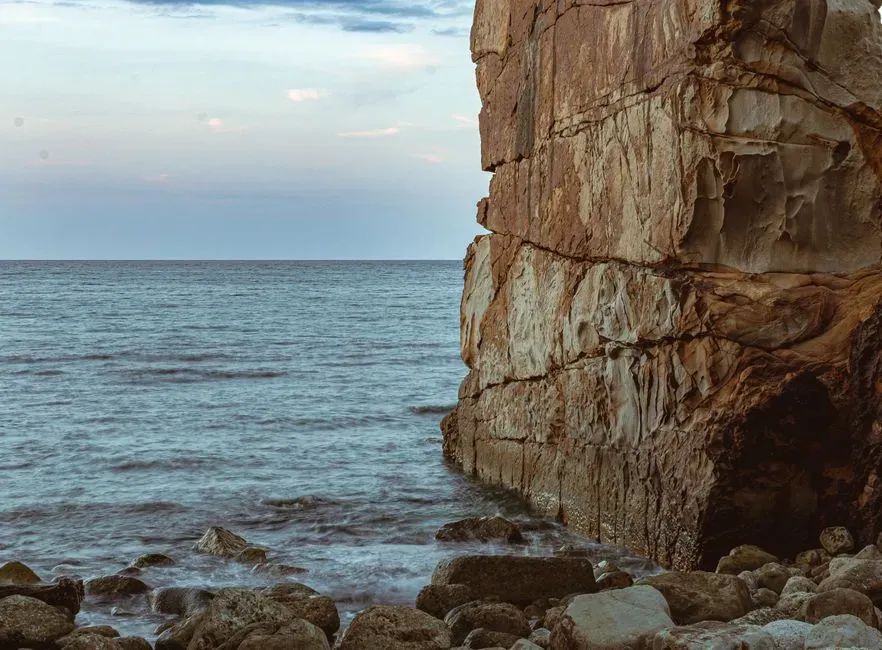
Formation of Sedimentary Layers (Image Credits: Pexels)
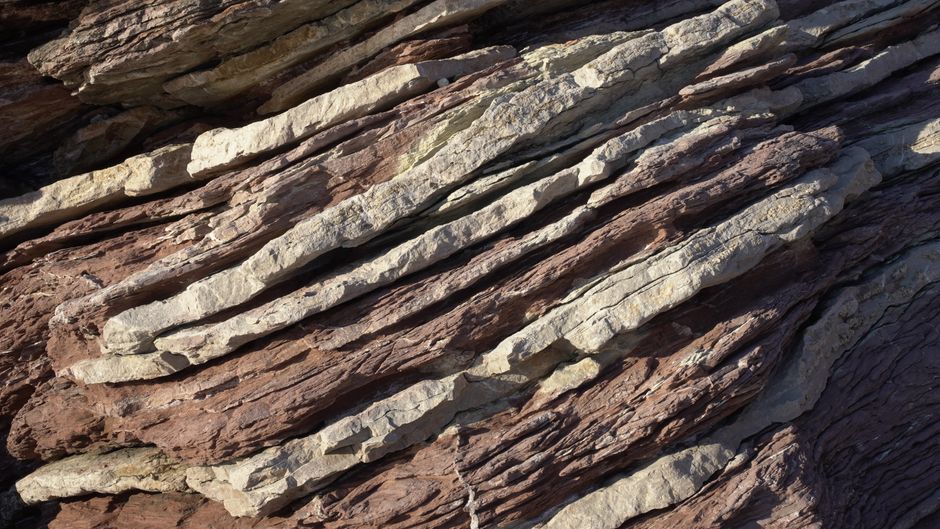
As the shallow seas advanced and retreated over millions of years, they deposited vast amounts of sediments. Sand, silt, and clay settled in layers, eventually lithifying into the sedimentary rocks that dominate the Midwest’s geology. The horizontal stratification of these layers reflects the stability and gradual changes in the region’s ancient marine environments.
These sedimentary deposits are not just geological records; they have shaped the region’s topography and soil composition. The fertile soils derived from these ancient sediments have made the Midwest one of the most productive agricultural areas in the world. It’s fascinating to think that the breadbasket of America owes its richness to a time when it was beneath the sea.
Fossil Evidence of Marine Life
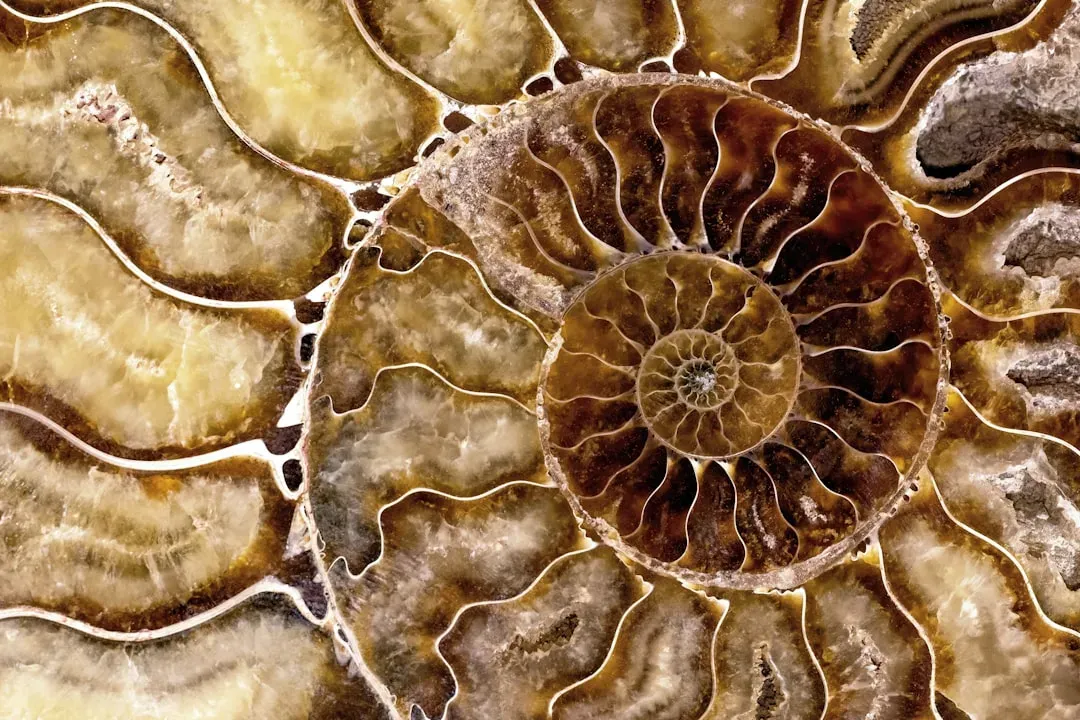
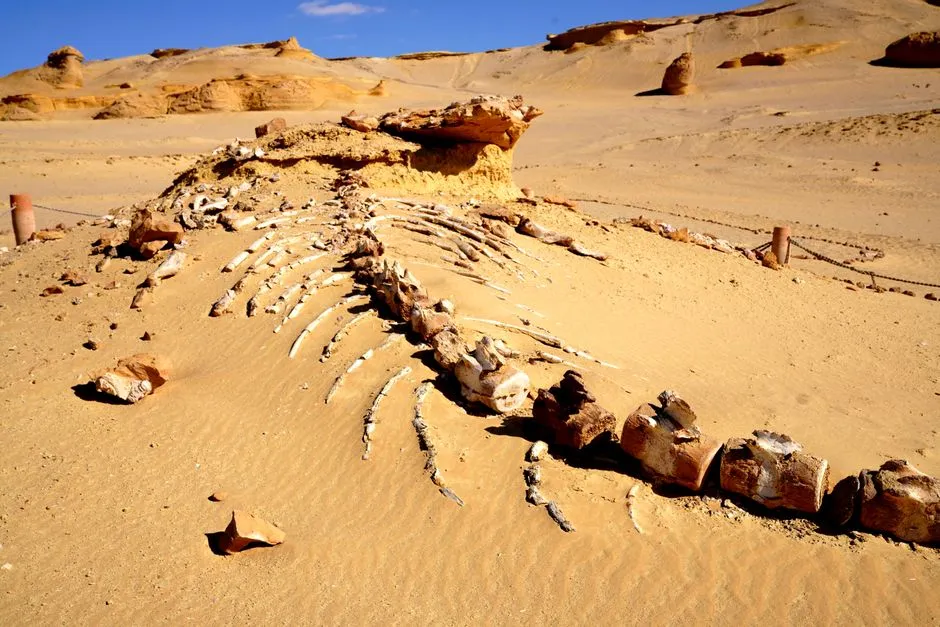
Fossil Evidence of Marine Life (Image Credits: Unsplash)
The fossil record in the Midwest is a window into its marine past. Fossils of ancient sea creatures, such as trilobites, brachiopods, and corals, are commonly found embedded in the region’s sedimentary rocks. These fossils provide insights into the diverse ecosystems that once flourished in these tropical waters.
In areas like southeastern Minnesota, the Decorah Shale is renowned for its rich fossil content. Amateur and professional paleontologists alike have uncovered well-preserved specimens, offering a tangible connection to the region’s submerged history. Each fossil tells a story of adaptation and survival in ancient marine habitats.
Impact of Glacial Activity
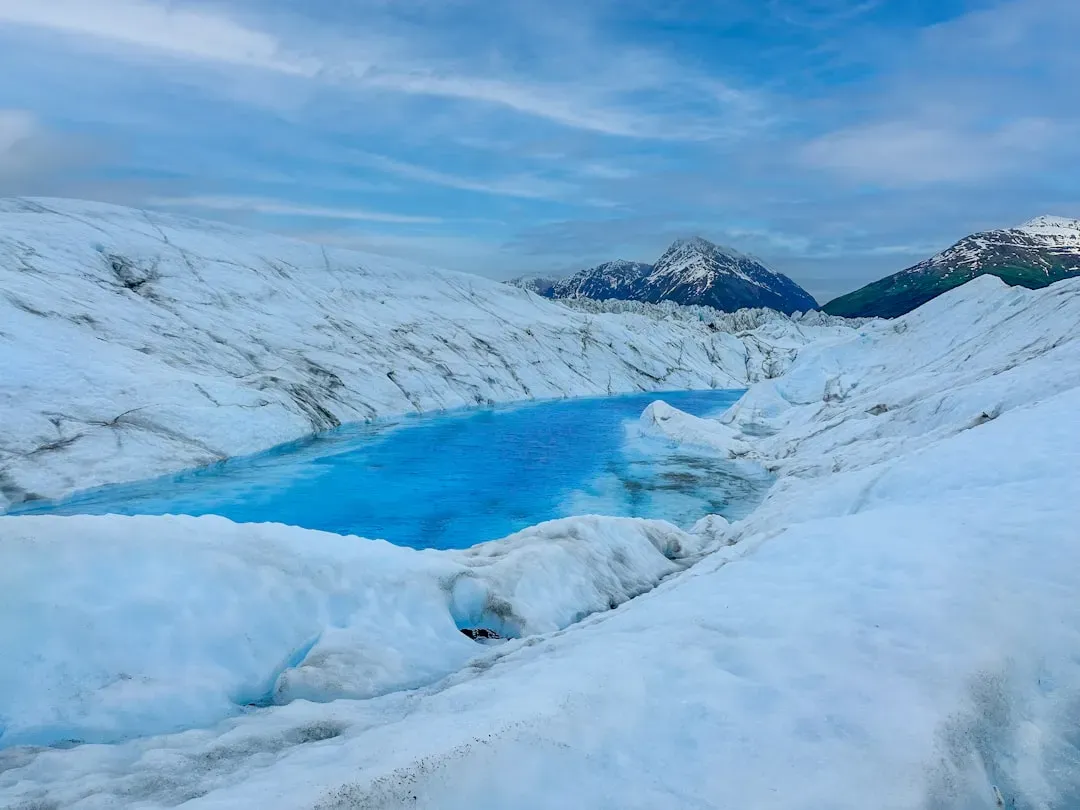
Impact of Glacial Activity (Image Credits: Unsplash)
Fast forward to the Pleistocene Epoch, and the Midwest underwent another dramatic transformation. Massive glaciers advanced and retreated across the region, reshaping the landscape through processes of erosion and deposition. These glacial movements scoured the land, leaving behind the flat plains and rolling hills characteristic of the Midwest today.
The glaciers also deposited rich, fertile soils, further enhancing the region’s agricultural potential. The legacy of these glacial activities is evident in the Midwest’s topography, with features like moraines and kettle lakes dotting the landscape. It’s a reminder of the dynamic forces that have sculpted the land over millennia.
Modern Implications of Ancient Seas
Modern Implications of Ancient Seas (Image Credits: Pexels)
Understanding the Midwest’s ancient marine history isn’t just an academic exercise; it has practical implications. The sedimentary rocks formed from these ancient seas are reservoirs for groundwater, crucial for agriculture and human consumption. Additionally, these formations can contain fossil fuels and minerals, contributing to the region’s economy.
Moreover, recognizing this history fosters a deeper appreciation for the land. It reminds us that the landscapes we often take for granted are the result of complex and dynamic geological processes. This perspective can inspire more sustainable interactions with our environment, acknowledging the deep time scales that have shaped it.
Preserving Geological Heritage
Preserving Geological Heritage (Image Credits: Pexels)
The Midwest’s geological heritage is a treasure trove for scientists and enthusiasts alike. Preserving fossil sites and geological formations is essential for ongoing research and education. These sites offer invaluable insights into Earth’s history and the evolutionary processes that have led to the present day.
Efforts to protect these areas ensure that future generations can study and appreciate the region’s rich geological past. Educational programs and public outreach can further enhance awareness and stewardship of these natural resources. After all, understanding our past is key to navigating our future.
Conclusion
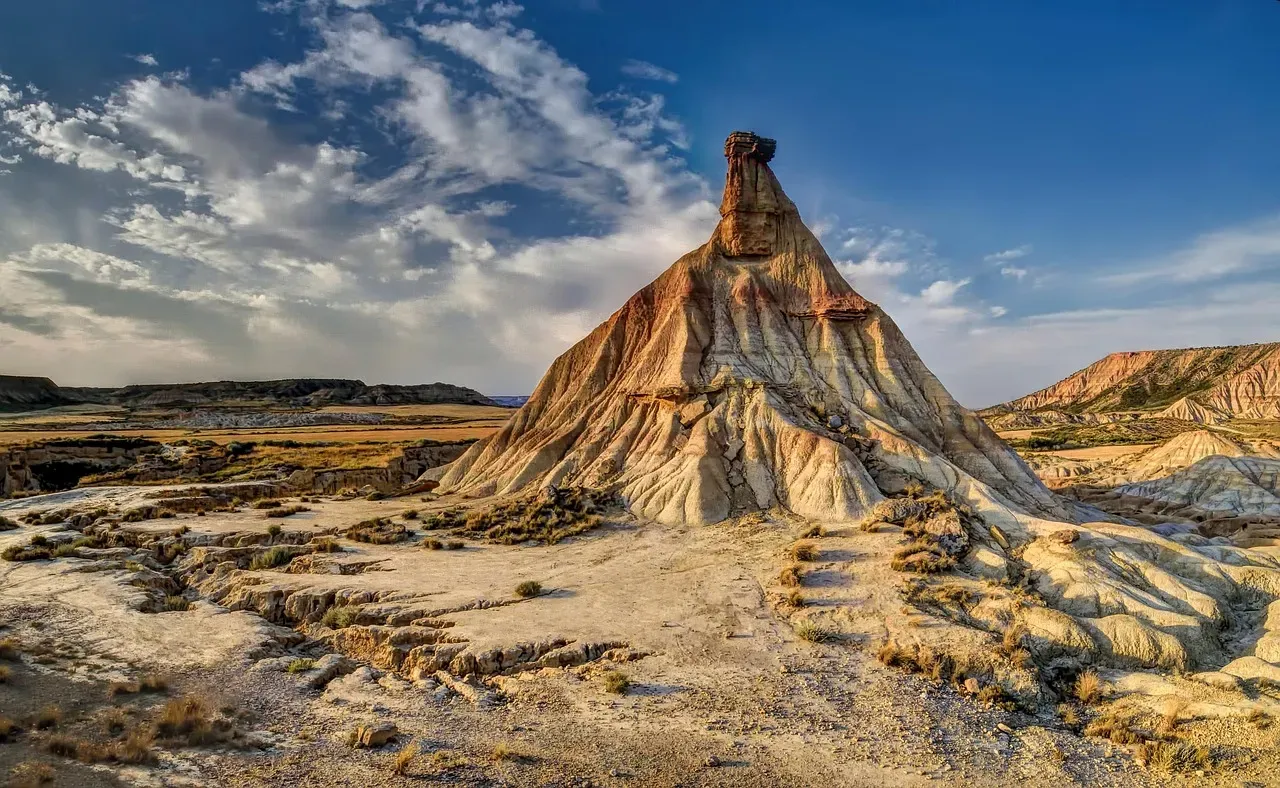
Conclusion (Image Credits: Pixabay)
Reflecting on the Midwest’s submerged past offers a profound perspective on the ever-changing nature of our planet. From tropical seas to glacial plains, the region’s history is a testament to the dynamic forces of geology. Embracing this history not only enriches our understanding but also underscores the importance of preserving and respecting the natural world. Isn’t it remarkable to think that the land we know so well was once a thriving marine ecosystem?
Did you find this helpful? Share it with a friend who’d love it too!
Gargi is an MA in History and a B.Ed graduate from India, with a deep passion for animals and wildlife awareness. As an article writer and editor at Animals Around The Globe, she combines her love for storytelling with her dedication to educating readers about animals, conservation, and responsible pet care. A devoted dog lover, Gargi enjoys creating engaging and informative content that inspires compassion and awareness toward the natural world.