

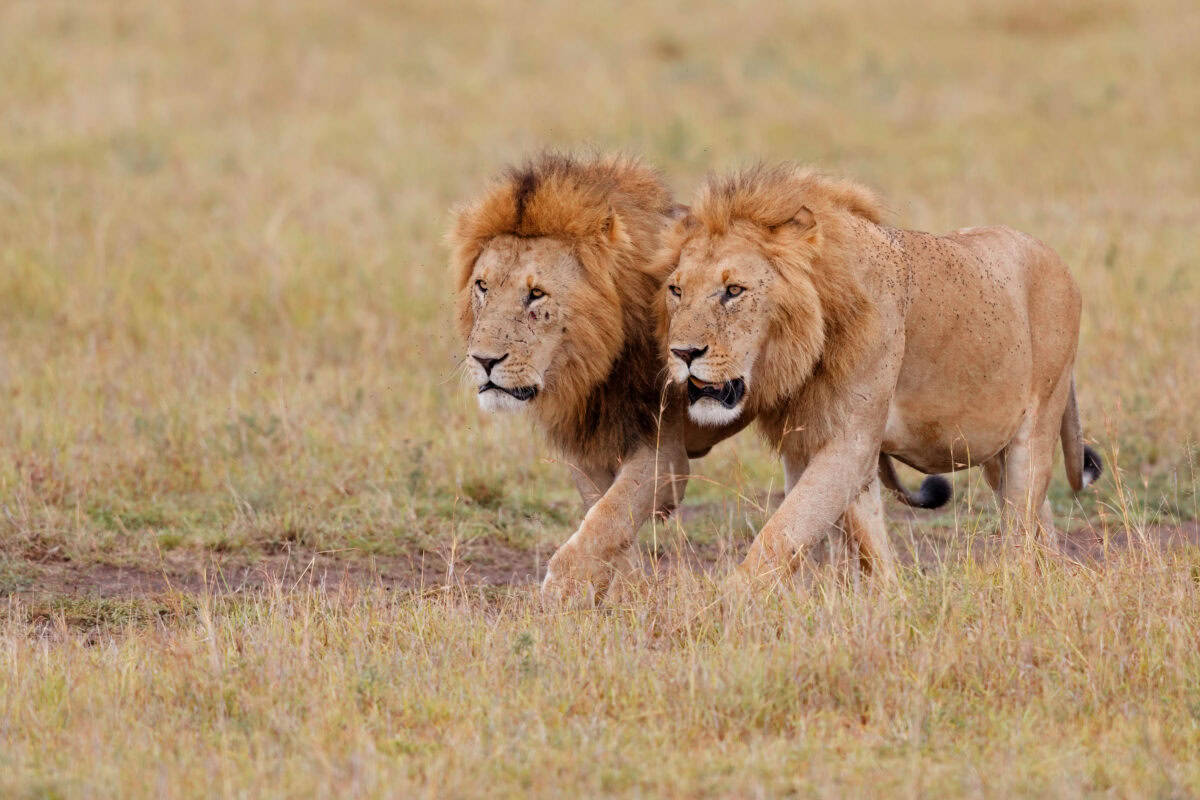
The African Lion, scientifically known as Panthera Leo, stands as a symbol of strength and courage. Revered for its majesty, the lion is also recognized for its formidable skills as a predator. Occupying the top of the food chain across its natural habitats in Sub-Saharan Africa, the African Lion’s existence is interwoven with tales of ferocity and power. In this article, we’ll explore why the African Lion holds the title of one of the most dangerous predators on the planet.
Anatomy of a Predator

The physical attributes of the African Lion contribute significantly to its prowess as a predator. Adult male lions, marked by their impressive manes, can weigh between 330 to 550 pounds (150 to 250 kg), while females, who are the primary hunters, range from 270 to 400 pounds (120 to 180 kg). These lions possess powerful forelimbs and retractable claws, perfect for grasping prey. Their strong jaws and sharp teeth can break through thick hides and bones, making them effective hunters.
The lion’s muscular build provides the necessary strength for hunting, coupled with a spine that enables quick and agile movements. Their eyesight is particularly adapted to nocturnal hunting, with a retina that collects six times more light than a human eye, rendering their vision highly efficient in low-light conditions. This physical toolkit enables lions to tackle prey much larger than themselves, cementing their reputation as fearsome predators.
Social Structure and Hunting Tactics

One distinct characteristic of lions is their social nature, forming pride that usually consists of related females, their offspring, and a small number of adult males. This social structure is unique among large cats and is foundational to their success as a predator. Working in groups, lions can strategize and bring down larger prey that would be unmanageable for a solitary hunter.
Lionesses, often the hunters of the pride, carry out meticulously coordinated hunts. They use teamwork to ambush prey, often utilizing the cover of darkness. By spreading out and using tactics like enclosing a herd or singling out the weakest member, they are able to increase their hunting success rate. This cooperative behavior, coupled with individual strength, makes the lion an exceptional predator.
Adaptable Diet and Hunting Versatility

The African Lion’s diet primarily consists of large ungulates, such as zebras, buffalo, wildebeests, and sometimes even giraffes. However, their adaptability extends to scavenging; lions will not hesitate to steal kills from other predators or feed on carrion if the opportunity arises. This opportunistic feeding behavior means lions can survive in a variety of habitats, from savannas to open woodlands.
Moreover, lions have been known to alter their hunting methods based on the terrain and the type of prey available. This adaptability allows them to exploit different ecological niches and remain apex predators across vast and varied territories.
Lion-Human Conflicts
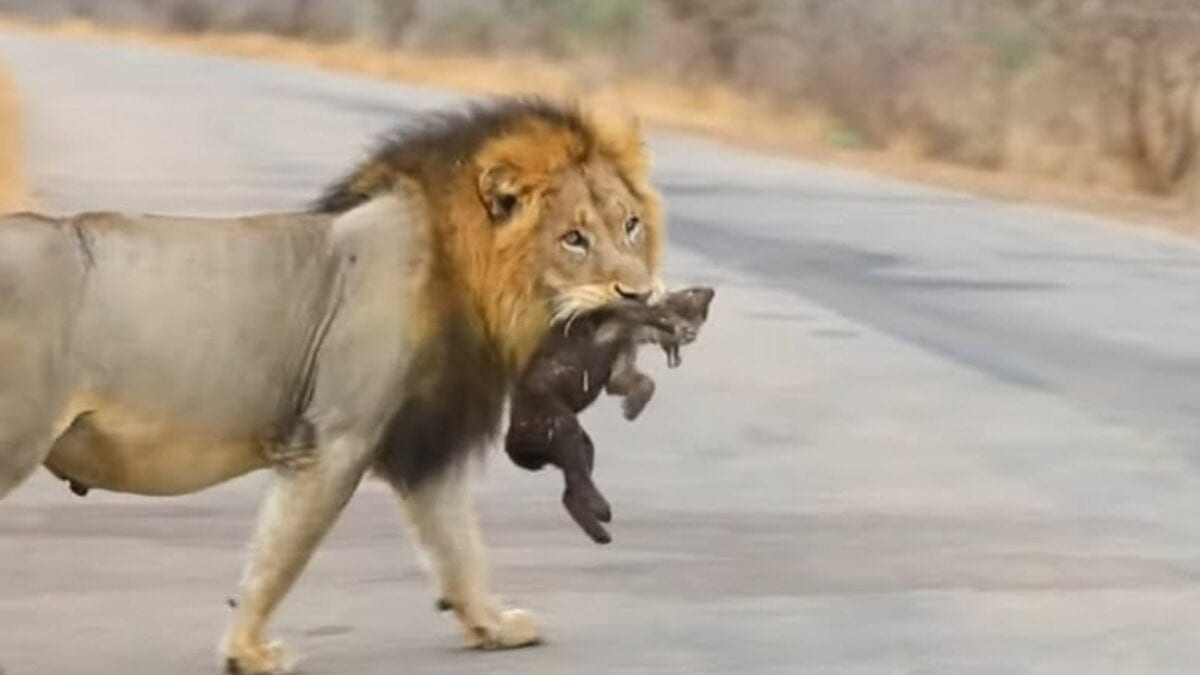
Due to their position at the top of the food chain, lions sometimes find themselves in conflict with humans. As human populations grow and encroach on lion habitats, these majestic predators occasionally prey on livestock, leading to retaliatory actions from farmers defending their livelihoods. Such interactions highlight the challenges of human-wildlife coexistence in rapidly changing landscapes.
While lions pose little direct threat to humans in most cases, they are capable of attacking when provoked or if they feel threatened. Conservation efforts are crucial in managing and minimizing these conflicts, ensuring both human safety and the survival of these magnificent creatures.
Conservation Status and Challenges
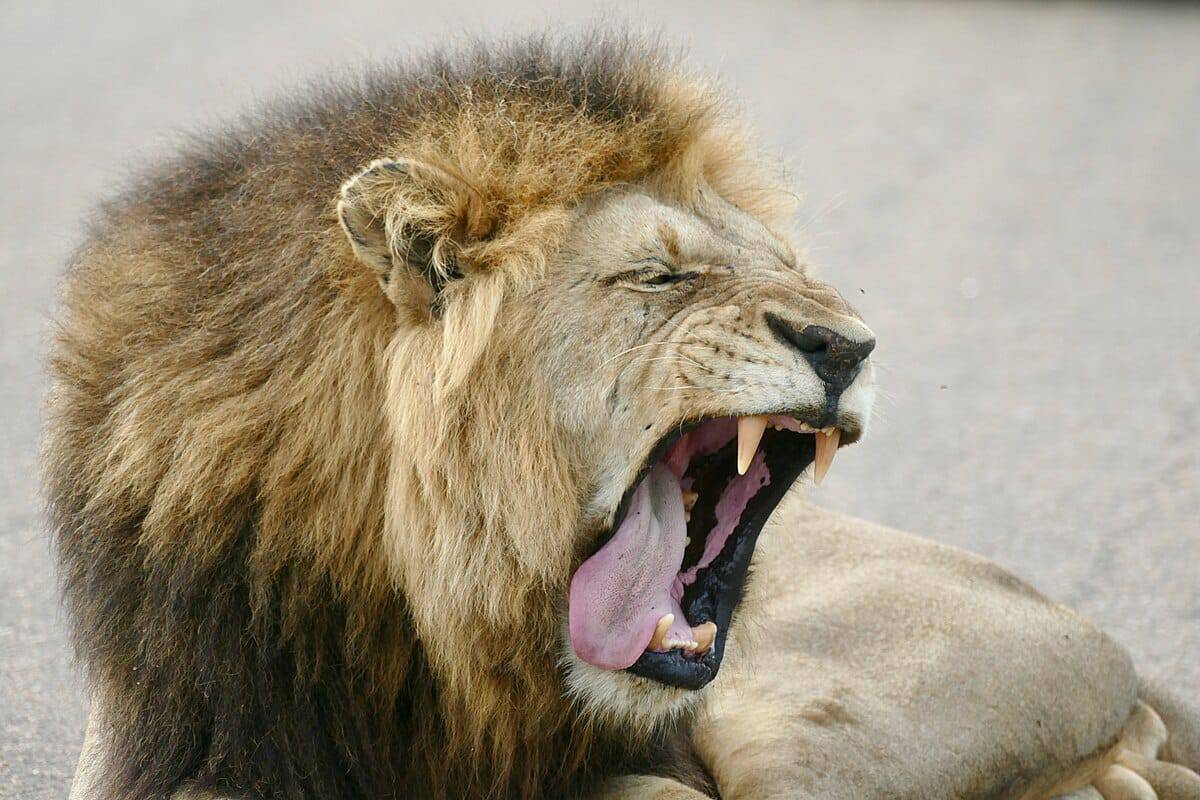
Despite their fearsome reputation, African Lions are a vulnerable species. The International Union for Conservation of Nature (IUCN) lists them as vulnerable, with populations decreasing due to habitat loss, human-wildlife conflict, and poaching. The conservation and protection of these animals are vital not only for maintaining biodiversity but also for preserving the ecological balance within their habitats.
Conservation programs focus on habitat protection, antipoaching initiatives, and community-based conservation efforts that aim to reduce conflicts and promote coexistence between humans and lions. Public awareness and education campaigns are also essential in highlighting the importance of these apex predators to the ecosystem.
The Everlasting Legacy of the King of Beasts
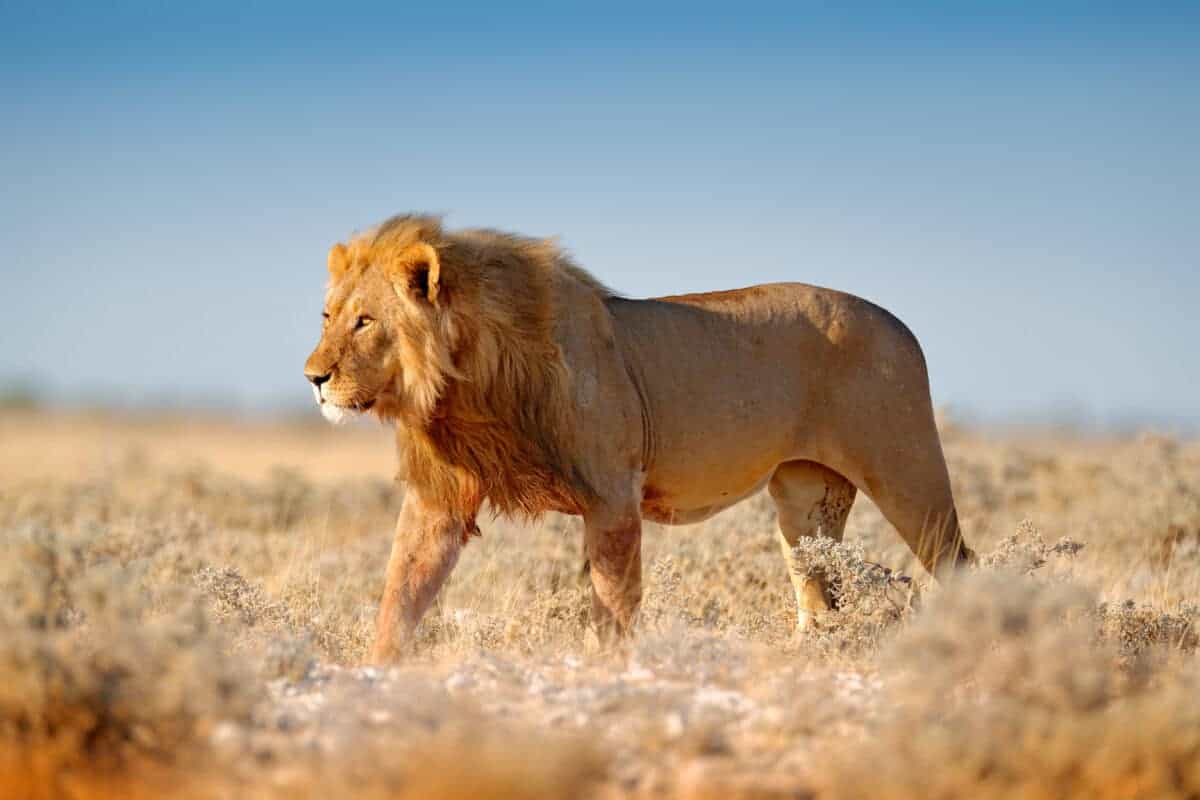
The African Lion’s status as one of the most dangerous predators is a testament to its evolutionary success and adaptability. With a combination of physical prowess, social cooperation, and versatile hunting strategies, lions continue to capture the imagination and respect of people worldwide. The challenge remains to ensure that future generations can witness these magnificent creatures roam the African plains, fulfilling their natural role at the pinnacle of the food chain.

From exploring the marine wonders in the Azores and witnessing the vast savannas of Kenya, to delving deep into the rich biodiversity of South Africa and traversing iconic landscapes in Australia and the US like Yellowstone, Chris's experiences are vast.
With a penchant for diving alongside sharks, the ocean holds a special place in his heart.
Through his academic insights, he champions wildlife conservation, striving with 'Animals Around The Globe' to cultivate a profound connection between humans and animals, enhancing our mutual appreciation.
Connect with him at Feedback@animalsaroundtheglobe.com.
- This Monkey Has a Mustache - July 21, 2026
- How Steve Irwin Changed the World’s View of Wildlife - July 21, 2026
- The Catfish That Caused Earthquakes in Japanese Folklore - July 21, 2026