

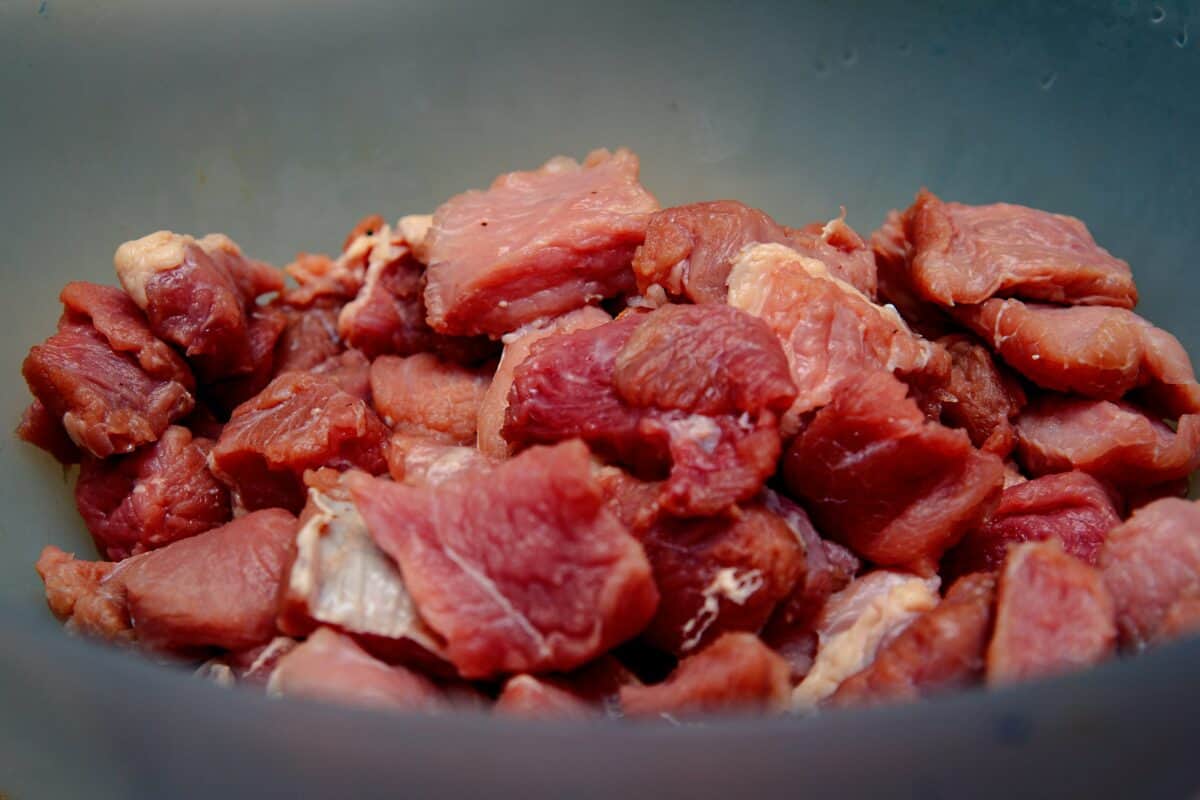
Few food choices elicit stronger reactions than veal. This pale pink meat, derived from young male dairy calves, has become one of the most contentious items on restaurant menus and in grocery store meat departments across the world. The debate surrounding veal consumption intertwines animal welfare concerns, cultural traditions, economic realities, and personal ethics in a complex web that continues to divide consumers. While some view veal as a traditional delicacy that utilizes animals that would otherwise be discarded by the dairy industry, others see it as emblematic of unnecessary cruelty in our food system. This article explores the multifaceted ethical considerations of veal production and consumption, examining why this controversial meat continues to spark passionate debate among consumers, producers, and animal welfare advocates alike.
The Historical Context of Veal Production
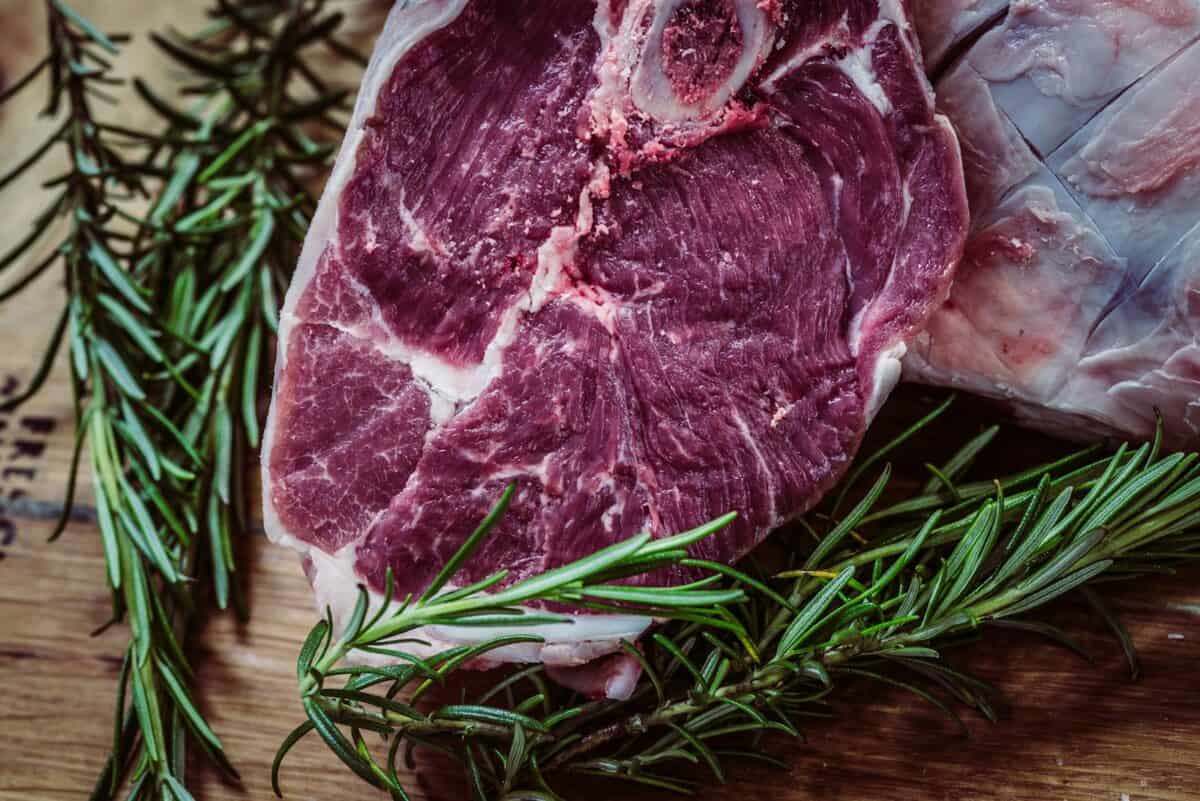
Veal has deep roots in culinary history, particularly in European cuisine. Dating back to ancient Rome, veal was considered a luxury product valued for its tenderness and delicate flavor. The word “veal” itself comes from the Old French “veel,” derived from the Latin “vitellus,” meaning “calf.” Throughout medieval Europe, veal became established as a prestigious meat, often featured in elaborate banquets for nobility. The traditional production of veal evolved alongside dairy farming, as male calves born to dairy cows held little value for milk production.
Rather than disposing of these animals immediately after birth, farmers found economic value in raising them for meat, establishing a symbiotic relationship between dairy and veal industries that persists today. However, the intensive farming methods that developed in the mid-20th century dramatically changed veal production, shifting from pasture-raised calves to confined systems that prioritized producing the palest meat possible—a practice that would eventually spark significant ethical controversy.
Understanding Modern Veal Production Methods

Modern veal production falls primarily into three categories, each with different welfare implications. The most controversial method, though increasingly rare in many countries, is the crate system. Under this approach, calves are confined in narrow stalls that restrict movement, fed a liquid milk-replacement diet deliberately low in iron to produce the pale meat prized by traditional consumers. This method prevents muscle development and natural behaviors, leading to significant welfare concerns.
The second approach is “group-housed” veal, where calves are raised together in pens, allowing for social interaction and more movement while still controlling their diet for consistent meat quality. The third and most welfare-oriented method is pasture-raised or “rose veal,” where calves have access to the outdoors, consume some roughage in addition to milk, and develop more normally. This produces darker meat than traditional veal but addresses many welfare concerns. The stark differences between these production methods represent a key factor in the ethical debate, with consumers increasingly demanding transparency about how their veal is produced.
Animal Welfare Concerns: The Core of the Controversy

The central ethical objection to veal consumption stems from welfare concerns about how these young animals are raised. Traditional veal crates prevent calves from turning around or even lying down comfortably throughout their 16-20 week lives. This extreme confinement often leads to abnormal behaviors indicating distress, such as excessive licking, chewing on stall parts, and attempting to groom themselves despite the restrictions. The liquid diet traditionally fed to these calves, deliberately low in iron and fiber to produce pale meat, causes anemia and digestive discomfort, as it denies the natural development of their digestive systems.
Critics also emphasize the psychological distress of isolating these highly social animals from birth, preventing natural behaviors like play and social bonding. The early separation from their mothers—typically within 24 hours of birth—adds another layer of concern, as both calf and cow show signs of distress at this separation. These welfare issues have been documented extensively in scientific literature, with research demonstrating higher stress hormone levels and compromised immune function in confined calves compared to those raised in more natural environments.
The Dairy Industry Connection: Male Calves as “Byproducts”

Understanding the veal industry requires acknowledging its inextricable link to dairy production. For dairy cows to produce milk, they must give birth, resulting in approximately equal numbers of male and female calves. While female calves become replacement dairy cows, male calves have traditionally been considered a byproduct of the industry. These males, particularly from dairy breeds like Holsteins, grow more slowly and produce less desirable beef than specialized meat breeds, making them economically inefficient for conventional beef production.
This reality creates a difficult situation: without veal production, many male dairy calves would be euthanized shortly after birth as economically unviable, a practice some argue is more wasteful and potentially less ethical than raising them for veal. Advocates for ethical veal production argue that consuming these animals represents a pragmatic approach to an unavoidable consequence of dairy consumption. Critics counter that this system reflects the fundamental problems with industrialized animal agriculture, where animals are valued purely as commodities. This connection to the dairy industry means that ethical discussions about veal necessarily involve considering the broader implications of dairy consumption and production methods.
Regulatory Changes and Industry Responses
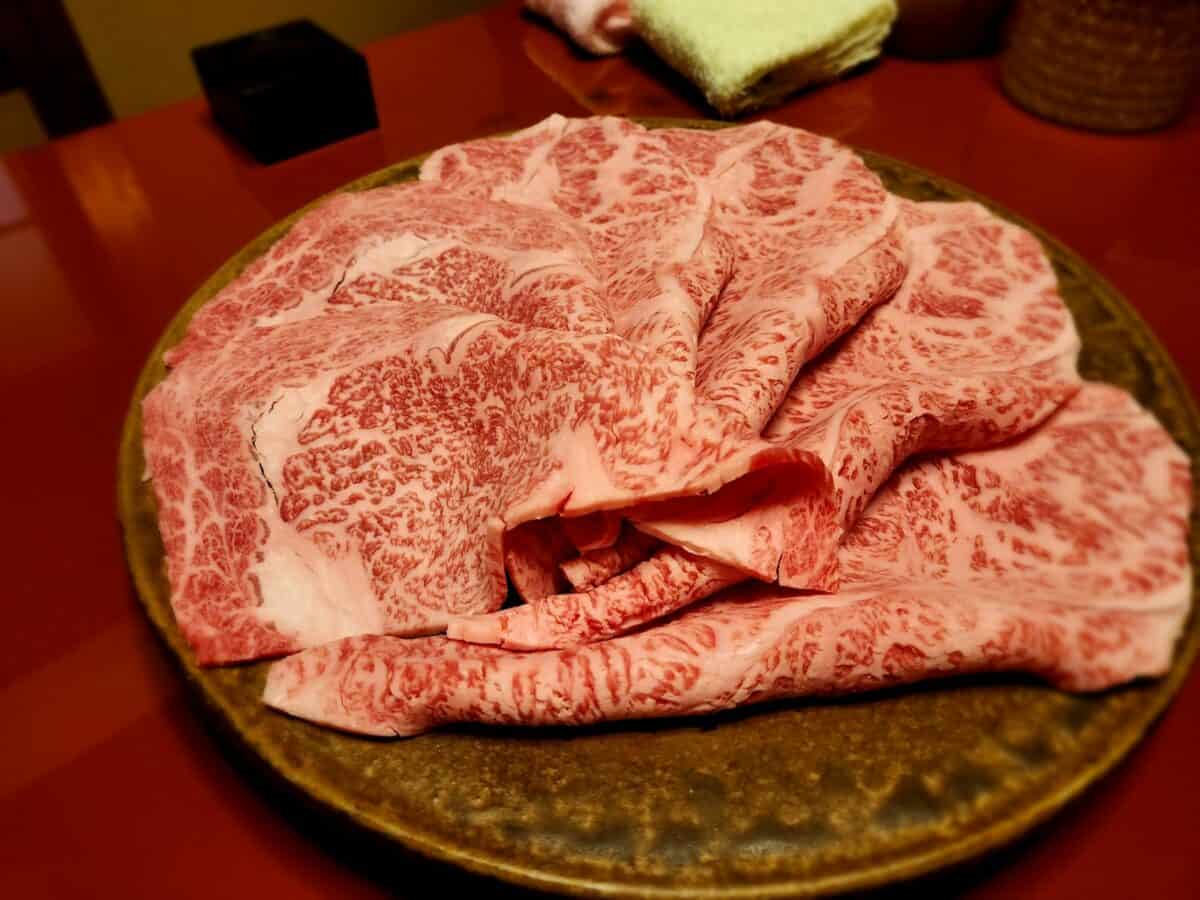
Public concern about veal production practices has driven significant regulatory changes across many regions. The European Union led the charge with a complete ban on individual veal crates implemented in 2007, requiring group housing for calves after eight weeks of age. In the United States, similar changes have occurred more gradually and with greater regional variation. Several states including California, Michigan, and Ohio have enacted legislation restricting or banning veal crates, while industry groups like the American Veal Association committed to phase out individual housing entirely by 2017.
These regulatory shifts have prompted many producers to adapt their practices, developing alternative production systems that allow for more movement and social interaction while still managing the animals for meat production. Some producers have gone further, embracing pasture-raised methods and marketing their products as more ethical alternatives to conventional veal. The industry’s willingness to reform in response to public concern demonstrates how consumer ethics can drive meaningful change in production practices, though critics argue these reforms remain insufficient to address the fundamental ethical questions about raising young animals specifically for early slaughter.
Cultural and Culinary Traditions: Preserving Heritage vs. Evolving Ethics
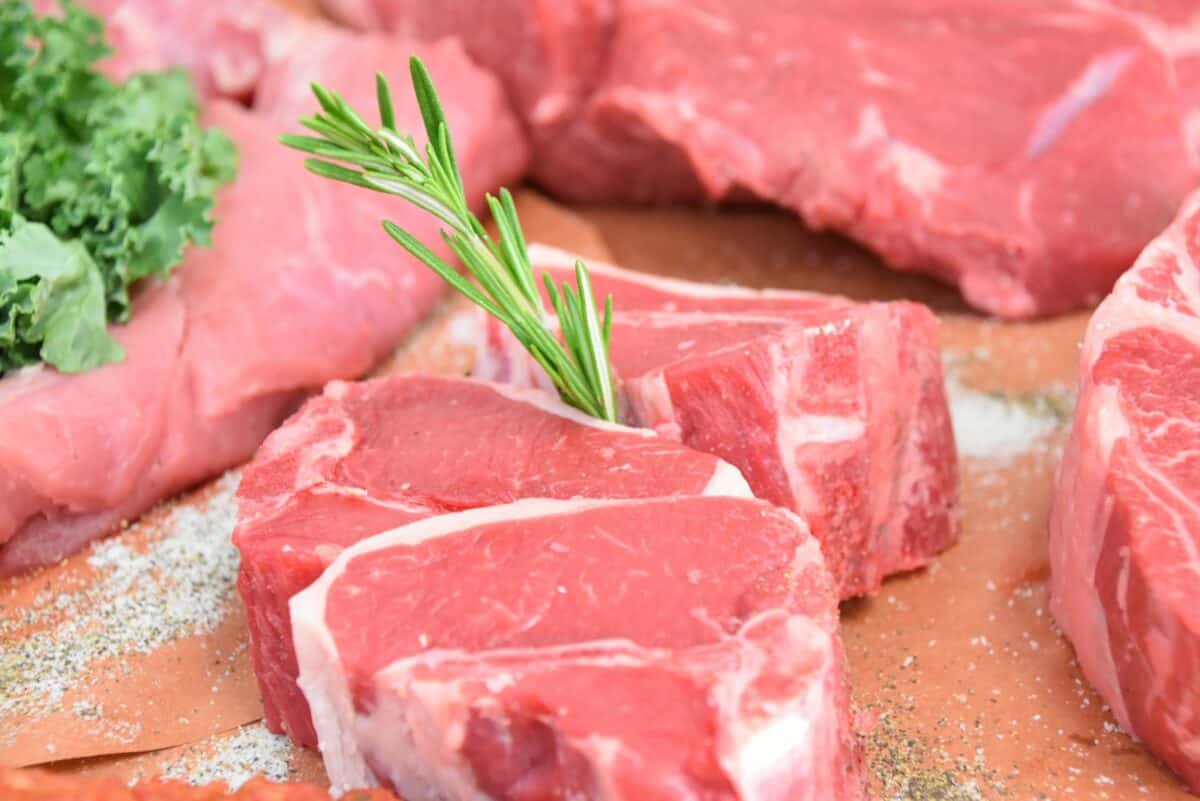
Veal occupies a significant place in numerous culinary traditions, particularly in European cuisines where dishes like Italian osso buco, French blanquette de veau, and German wiener schnitzel are considered cultural heritage items. For many communities, these dishes represent connections to ancestral traditions and family history, making the ethical questions surrounding veal consumption particularly complex. Chefs and cultural preservationists often argue that abandoning these traditional dishes means losing important aspects of cultural identity and historical knowledge.
This perspective creates tension between preserving culinary heritage and evolving ethical standards regarding animal welfare. Many chefs have responded to this dilemma by seeking compromise—adapting traditional recipes to use more humanely raised veal or even developing plant-based alternatives that capture the essence of classic dishes without using animal products. Consumers face similar questions when navigating their own food choices, weighing the value of participating in cultural traditions against personal ethical standards. This cultural dimension adds significant complexity to the veal debate, demonstrating how food choices are never simply about nutrition or even ethics in isolation, but are embedded in deeper questions of identity, community, and heritage.
The Rise of Ethical Alternatives: Rose Veal and Beyond
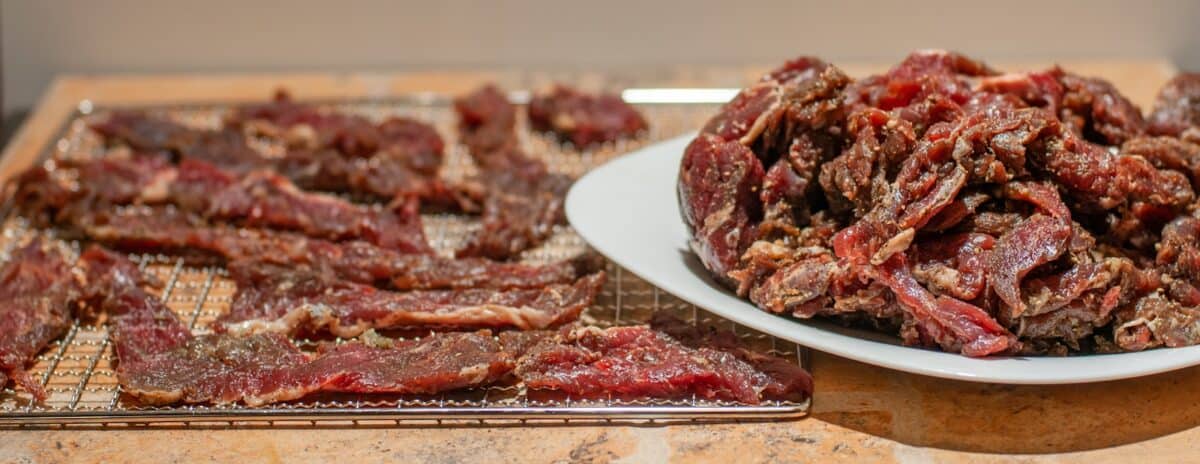
As ethical concerns about traditional veal production have grown, alternative approaches have emerged to address these issues while still providing options for consumers who wish to eat veal. Rose veal, sometimes called “humane veal” or “red veal,” represents the most significant development in this area. This approach involves raising calves on a more varied diet that includes roughage, allowing them more movement and often access to the outdoors, resulting in meat with a darker pink or light red color. Advocates argue this system respects the animals’ natural behaviors while still utilizing male dairy calves that would otherwise face early euthanasia.
Beyond production methods, alternative protein sources offer another solution for those who enjoy veal dishes but have ethical concerns. Plant-based veal alternatives have begun appearing in specialty markets, using combinations of vegetable proteins to mimic the tender texture and mild flavor of traditional veal. Cellular agriculture researchers are also working on cultivated veal, grown from animal cells without requiring slaughter. These innovations suggest a future where consumers might enjoy the culinary experiences associated with veal without the ethical dilemmas of conventional production, though questions remain about the environmental impacts and economic feasibility of these alternatives.
Economic Realities: Farmers, Markets, and Profit Margins

The economic dimensions of veal production significantly influence the ethical debate. For dairy farmers, selling male calves for veal production provides essential income that supports their financial viability—income that would disappear if veal consumption declined without alternative uses for these animals. The economics of transitioning to more humane production methods present additional challenges. Group housing and especially pasture-raised systems require more land, labor, and management expertise, increasing production costs by an estimated 10-20% compared to conventional methods.
These higher costs must be passed on to consumers, creating market segmentation where more ethical veal becomes a premium product accessible primarily to higher-income consumers. This economic reality creates tension between improving animal welfare and maintaining affordability. The market for veal has already contracted significantly in the United States, declining from 3.4 pounds per capita in the 1960s to less than 0.3 pounds today, driven partly by ethical concerns. This decline has pushed the industry toward quality over quantity, focusing on higher-value specialty markets where consumers are willing to pay premiums for more humanely raised products. The economic precariousness of this transition highlights how ethical improvements in animal agriculture often depend on consumers’ willingness to absorb higher costs—a financial reality that complicates purely moral arguments about how animals should be treated.
Consumer Psychology and Ethical Decision-Making
The psychology behind consumers’ ethical decisions about veal reveals fascinating complexities in how people navigate moral choices around food. Research in consumer psychology shows that many people experience what experts call the “meat paradox”—caring about animal welfare while continuing to eat animal products. This cognitive dissonance becomes particularly acute with veal due to its association with young animals, which typically evoke stronger protective instincts. Studies have shown that consumers often employ various psychological mechanisms to manage this discomfort, including avoiding information about production practices, creating distance between the meat and its animal origin, or justifying consumption through appeals to necessity, tradition, or naturalism.
Interestingly, research has found that consumers’ stated ethical concerns don’t always predict their actual purchasing behavior—a phenomenon known as the “attitude-behavior gap.” When faced with real purchasing decisions, factors like price, convenience, and social influences often override previously expressed ethical principles. This gap explains why, despite widespread concern about veal production methods, consumers who express these concerns may still purchase veal when dining out or seeking special occasion meals. Understanding these psychological dynamics helps explain why ethical debates about veal consumption remain unresolved despite decades of public discourse, as the decision to consume veal often involves complex trade-offs between competing values rather than straightforward moral calculations.
Religious and Philosophical Perspectives on Animal Consumption

Different religious and philosophical traditions offer varied perspectives on the ethics of consuming veal. Within Judaism, veal can be kosher if properly slaughtered, though some contemporary Jewish ethicists question whether intensive farming methods violate broader principles of preventing animal suffering (tza’ar ba’alei chayim). In Christianity, while no specific prohibitions exist against veal, many Christian ethicists emphasize stewardship principles that include humane treatment of animals. Islamic traditions permit veal consumption when it’s halal, but also emphasize the concept of khalifah (stewardship) that includes compassionate treatment of animals.
Beyond religious perspectives, philosophical approaches to animal ethics offer contrasting frameworks: utilitarian perspectives might evaluate veal based on the total suffering caused versus pleasure created; rights-based approaches might argue that calves have inherent rights that are violated by intensive farming; and virtue ethics might question whether consuming veal cultivates compassion or callousness in the consumer. Feminist care ethics emphasizes the importance of empathy and relationship in moral decisions, often leading to criticism of severing the maternal bond between cow and calf. These diverse ethical frameworks demonstrate why consensus remains elusive—people operate from fundamentally different starting assumptions about humanity’s proper relationship with animals and the moral status of animals themselves, leading to divergent conclusions about whether consuming veal can be justified.
The Environmental Footprint of Veal Production

The environmental implications of veal production add another dimension to its ethical evaluation. Compared to beef production, veal has a smaller carbon footprint per pound—approximately 16.09 kg CO2-equivalent emissions per kg of veal versus 27 kg CO2-equivalent for beef—primarily because the animals are slaughtered at a younger age, requiring fewer resources throughout their shorter lives. However, the environmental efficiency varies dramatically depending on production methods. Intensive crate systems use less land but concentrate waste, creating potential water pollution issues if not properly managed. Group housing systems require more space but can implement better waste management practices.
Pasture-raised systems have the largest land footprint but may provide ecosystem benefits through proper grazing management. All animal agriculture, including veal production, contributes to greenhouse gas emissions, water usage, and potential habitat disruption, raising questions about environmental sustainability regardless of welfare considerations. Some environmental ethicists argue that using male dairy calves for food represents an efficient use of animals that already exist as a result of dairy production, potentially reducing waste. Others counter that this perspective fails to question the sustainability of the dairy system itself. These environmental considerations demonstrate how ethical evaluations of veal must extend beyond immediate animal welfare concerns to include broader ecological impacts, adding further complexity to consumers’ ethical calculations.
Global Perspectives: How Different Cultures View Veal Consumption

Attitudes toward veal consumption vary dramatically across different cultures, reflecting diverse ethical frameworks, culinary traditions, and regulatory environments. In Italy, where veal is central to dishes like vitello tonnato and saltimbocca, consumption remains relatively high at about 4 kg per person annually, with consumers generally favoring quality and tradition over ethical concerns. By contrast, the United Kingdom has seen veal consumption plummet to less than 0.1 kg per person annually following intense animal welfare campaigns in the 1980s and 1990s, though interest in humanely raised “rose veal” has recently shown modest growth.
In Japan, where Western-style veal consumption is limited, there exists a luxury market for a similar product called “wagyu veal,” derived from specialized beef cattle breeds and subject to different production standards. India presents a stark contrast due to religious reverence for cattle in Hinduism, making veal consumption culturally taboo for much of the population. The Netherlands, once Europe’s largest veal producer, has transformed its industry in response to EU regulations, pioneering group housing systems that have become models for welfare improvements. These global variations demonstrate how veal ethics are not universal but deeply embedded in cultural contexts, economic systems, and regulatory frameworks, making cross-cultural ethical judgments particularly challenging. The diversity of perspectives globally suggests that ethical consensus on veal consumption may remain elusive, with different societies likely to continue developing distinctive approaches based on their particular values and circumstances.
The Future of Veal: Ethical Innovations and Consumer Trends

The future of veal production and consumption appears likely to develop along several parallel tracks as the industry responds to evolving ethical concerns. Technological innovations are already transforming production methods, with automated monitoring systems that track individual calf health and behavior, potentially improving welfare while maintaining economic viability. Genetic advances in dairy breeding are also creating opportunities for “dual-purpose” cattle that produce both milk and quality meat, potentially reducing the need for specialized veal production. Consumer trends suggest continuing market segmentation, with premium markets for ethically produced veal growing while conventional veal consumption continues to decline in Western countries.
This bifurcation may accelerate as labeling requirements become more stringent, allowing consumers to make more informed choices. Alternative proteins may capture some traditional veal markets, with plant-based schnitzel and other veal alternatives already appearing in European markets. Looking further ahead, cultured veal grown from animal cells without slaughter remains in development but could eventually offer a solution that satisfies both traditional culinary demands and ethical concerns. The diversity of these developments suggests that rather than resolving into a single ethical consensus, the future will likely offer consumers increasingly differentiated choices that reflect their personal ethical priorities, price sensitivity, and culinary preferences.
Conclusion: Navigating Personal Ethics in a Complex Food System

The ethics of eating veal remain divisive because they touch on fundamental questions about our relationship with animals, our responsibilities as consumers, and the tensions between tradition and evolving moral standards. While significant improvements in veal production methods have addressed some of the most severe welfare concerns, the philosophical questions about raising young animals specifically for early slaughter continue to challenge consumers and producers alike. Perhaps the most constructive approach to this ongoing ethical debate is to acknowledge its complexity and embrace informed, reflective decision-making rather than seeking a one-size-fits-all answer.
For some, that may mean choosing only veal from pasture-raised or group-housed systems; for others, it might mean avoiding veal entirely or exploring plant-based and cultured alternatives. What’s clear is that consumer awareness and ethical scrutiny have already shaped the industry and will continue to drive innovation and reform. In a world where food choices are increasingly viewed as moral acts, veal remains a powerful case study in how values, culture, economics, and empathy intersect on our plates. Ultimately, navigating the ethics of veal consumption demands not only information, but introspection—and a willingness to question how our daily choices align with our deepest values.

From exploring the marine wonders in the Azores and witnessing the vast savannas of Kenya, to delving deep into the rich biodiversity of South Africa and traversing iconic landscapes in Australia and the US like Yellowstone, Chris's experiences are vast.
With a penchant for diving alongside sharks, the ocean holds a special place in his heart.
Through his academic insights, he champions wildlife conservation, striving with 'Animals Around The Globe' to cultivate a profound connection between humans and animals, enhancing our mutual appreciation.
Connect with him at Feedback@animalsaroundtheglobe.com.
- This Monkey Has a Mustache - July 21, 2026
- How Steve Irwin Changed the World’s View of Wildlife - July 21, 2026
- The Catfish That Caused Earthquakes in Japanese Folklore - July 21, 2026