
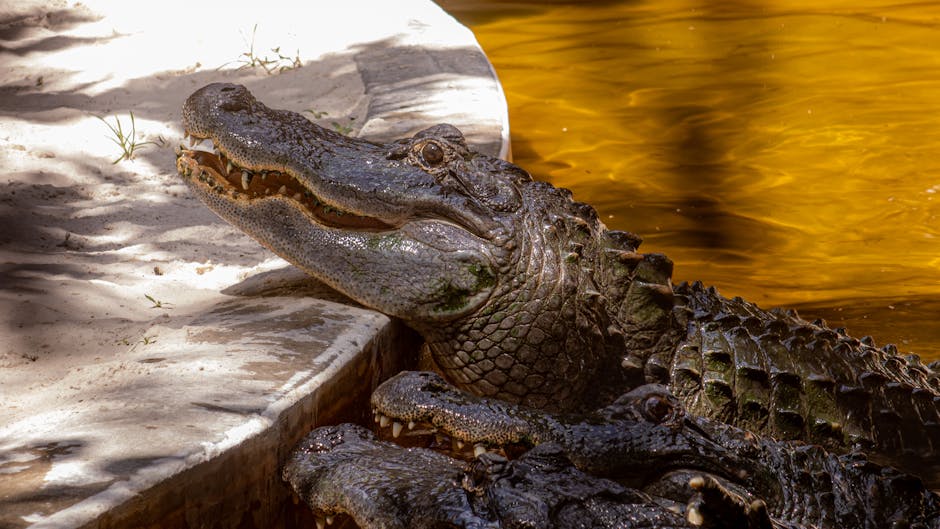
The Numbers Tell a Very Different Story
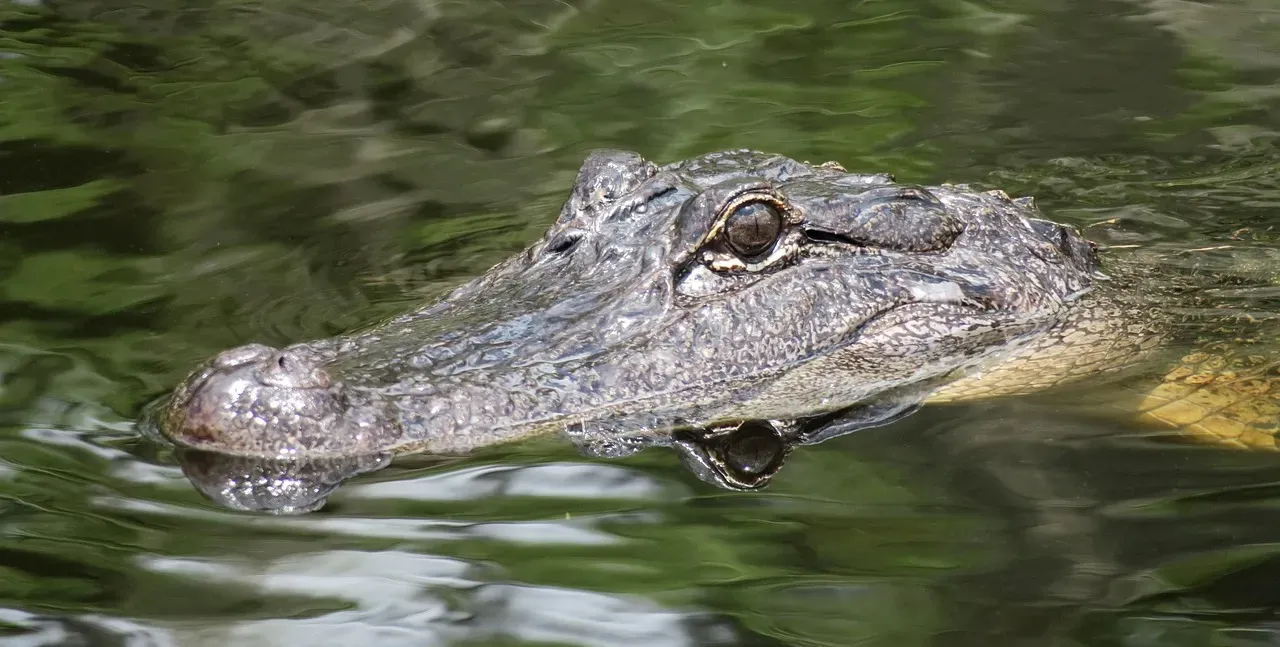
Florida is home to approximately 1.3 million alligators spread across an estimated 6.7 million acres of suitable habitat. That is an extraordinary number of animals sharing space with an equally extraordinary number of people. Given the sheer density of both species, you might expect conflict to be constant. It isn’t.
From 1948 to 2022, 453 unprovoked bite incidents occurred in Florida, and only 26 of those bites resulted in fatalities. To frame this more sharply: spread across more than seven decades of coexistence between millions of alligators and tens of millions of humans, those numbers are remarkably modest.
The probability of a Florida resident being seriously injured during an unprovoked alligator incident is roughly one in 3.1 million. That is not a figure that suggests a lurking predator systematically targeting people. It is closer to background noise in the statistical landscape of everyday risk.
Alligators Are Not Stalking You
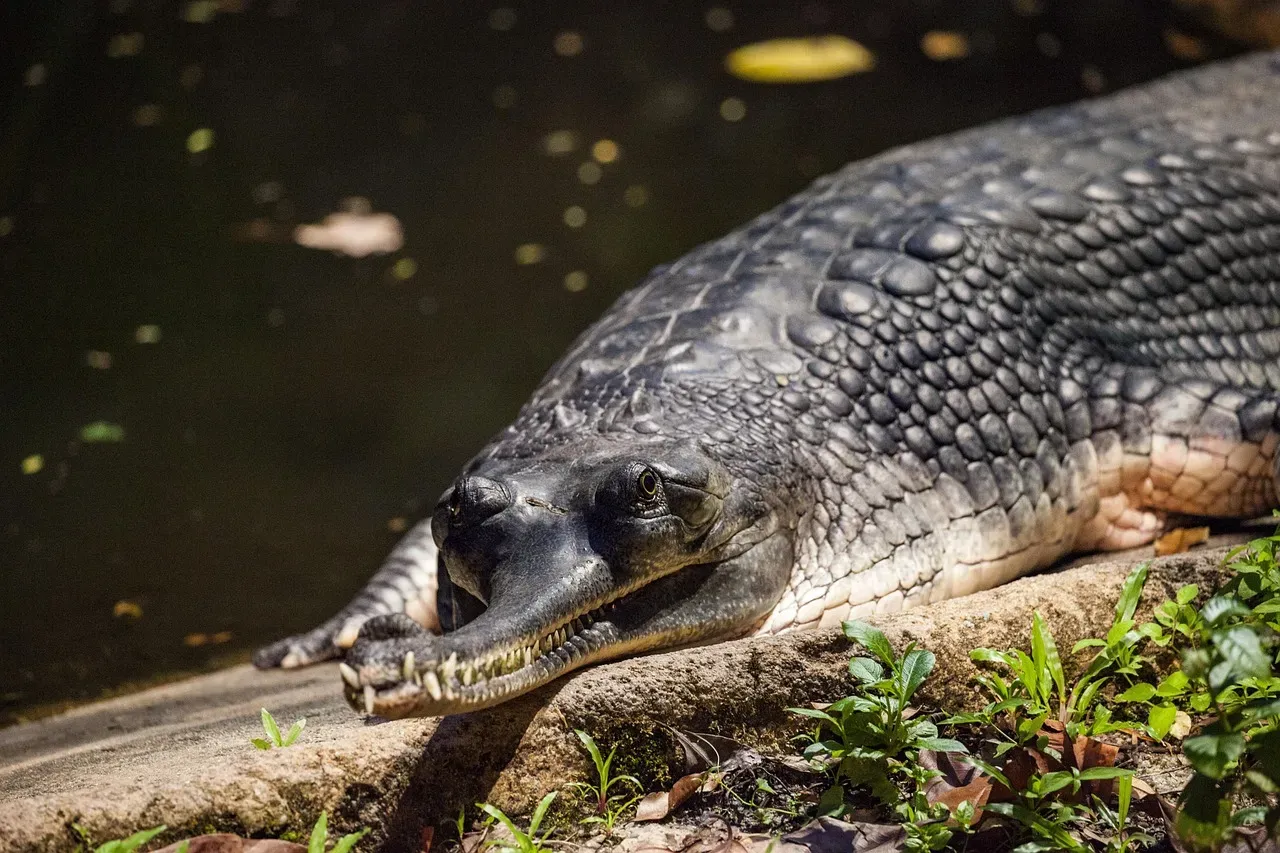
Alligators are not generally aggressive toward humans, but aberrant behavior may occur. That distinction matters enormously. There is a significant difference between an animal that is inherently dangerous to humans and one that, under specific and largely preventable circumstances, may respond defensively or opportunistically.
Alligators are opportunistic feeders and will eat animals that are readily available to them. They prefer to go after prey they can overpower easily. Opportunity is the primary factor that causes an alligator to pursue prey. A healthy adult human wading cautiously along a riverbank is not an obvious opportunity. A splashing dog at the water’s edge is a different matter entirely.
Alligators are not typically stalking humans as prey. Instead, a mix of learned behavior, habitat overlap, food conditioning, curiosity, and environmental changes explains why some encounters create the impression of pursuit. The fearsome predator of popular imagination is largely a constructed one.
Human Behavior Is the Real Variable
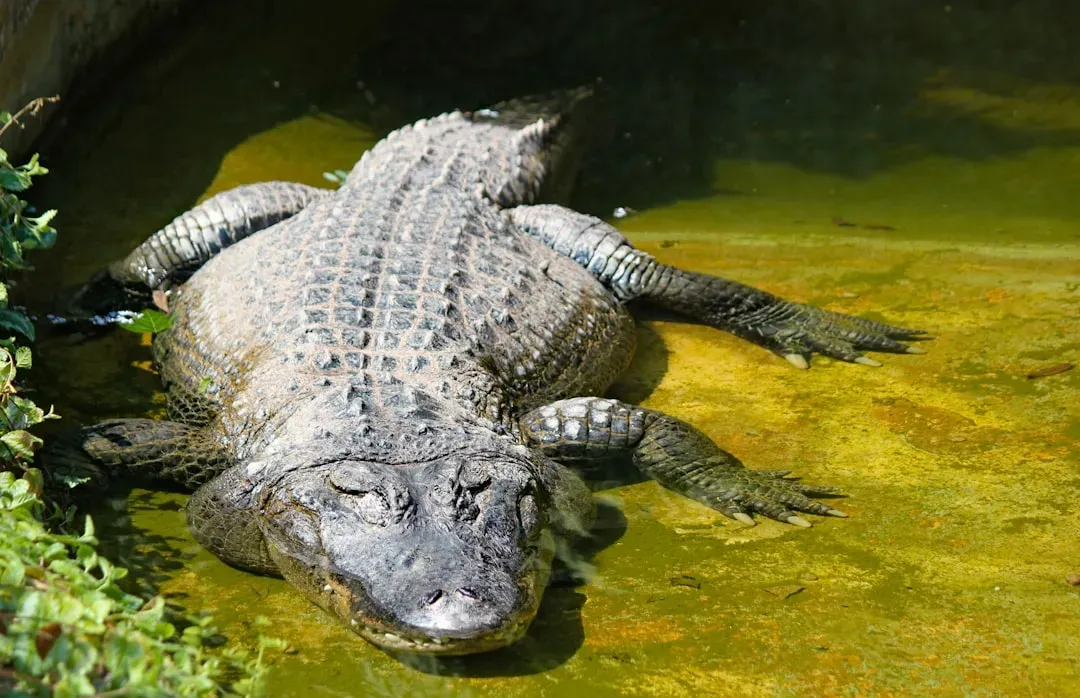
Perhaps the most striking finding to emerge from recent research is just how directly tied alligator incidents are to what people do, not to what alligators do. According to a 2025 study published in Human-Wildlife Interactions, the majority of alligator attacks are caused by “risky human behavior, not aggression by alligators.” Alligators are not actively seeking out people or their pets.
Researchers found that in 96% of recorded incidents, some form of human inattention or risk-taking preceded the bite, meaning the attacks usually aren’t random. Swimming in waterways where alligators are known to be present, walking small pets along pond edges, wading at dusk when alligators are most active: these are the behaviors that consistently appear in the record.
As it turns out, “risky human behavior” is what led to 96% of recorded incidents. According to the study, most bites happened when people were swimming or wading in areas where alligators were known to live. It is a finding that effectively shifts the burden of responsibility, and the reasonable fear, in a new direction.
Feeding Changes Everything
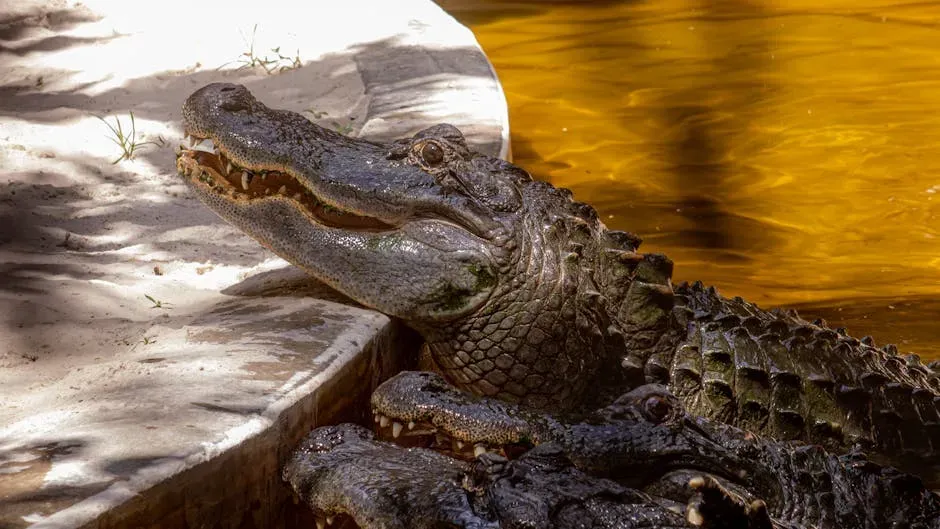
One of the clearest ways that alligators become genuinely dangerous is when humans feed them. This is not a minor footnote. It represents a fundamental shift in how an alligator perceives and approaches people. Most alligators are naturally afraid of humans but may lose that fear when people feed them. Feeding alligators teaches them to associate people with food. Alligators seldom bite people for reasons other than food.
Normally, alligators avoid humans, but alligators that have been fed by humans will move toward humans and can become aggressive. Alligators that have been fed by humans are dangerous and should be reported to the Florida Fish and Wildlife Conservation Commission. This is precisely why feeding wild alligators is illegal in Florida, a law that exists not just to protect people but to protect the alligators themselves.
Over time, an alligator that repeatedly receives food near humans may begin approaching people proactively. This behavior does not necessarily reflect aggression. It reflects learned expectation. That is a meaningful distinction. The “dangerous” alligator is often, in practice, a conditioned one.
Natural Fear and the Question of Coexistence
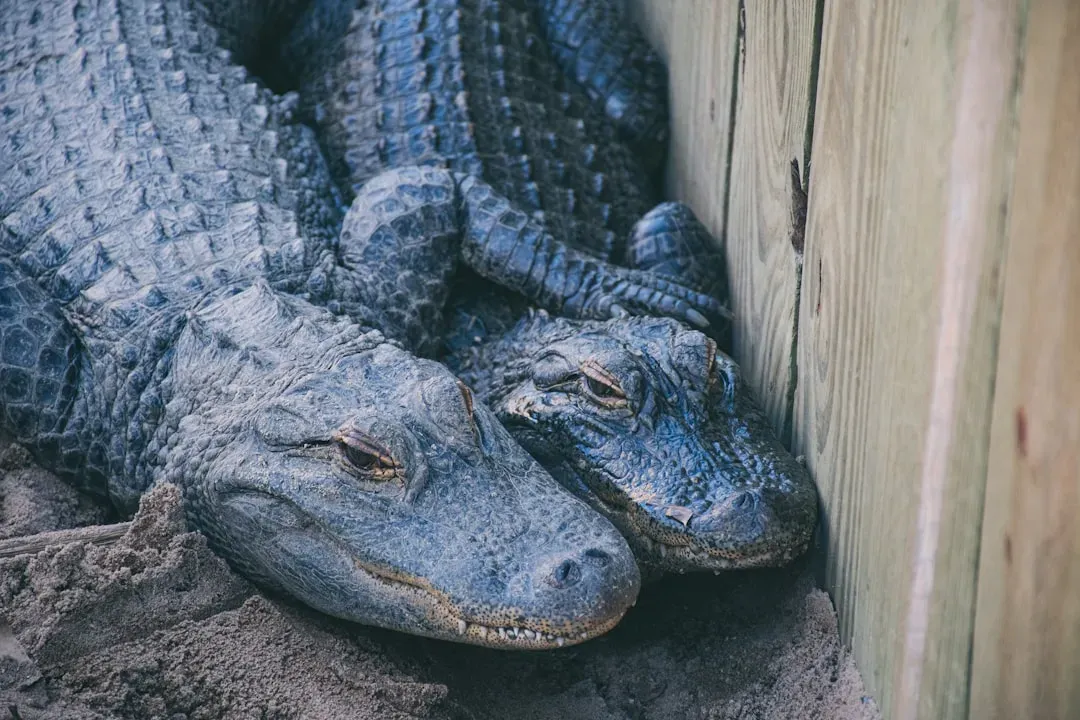
Alligators have a natural fear of humans, and usually begin a quick retreat when approached by people. If you have a close encounter with an alligator a few yards away, backing away slowly is the recommended response. This instinctive wariness is something wildlife managers actively try to preserve and, in some cases, restore.
Research from Clemson University studying alligator behavior in coastal communities found that the relationship between alligators and humans is genuinely malleable. “Alligators are learning to live with humans, but whether they learn to be tolerant or wary of humans depends on human behavior.” That dynamic places considerable agency with people, which is both reassuring and worth taking seriously.
Florida wildlife agencies actively manage alligator populations through monitoring programs, relocation efforts, and public education campaigns. Strict feeding bans help prevent conditioning, while nuisance removal programs address individuals that pose safety concerns. The infrastructure of coexistence is already in place. What it requires is a public willing to engage with it honestly.
Conclusion: Respect, Not Fear
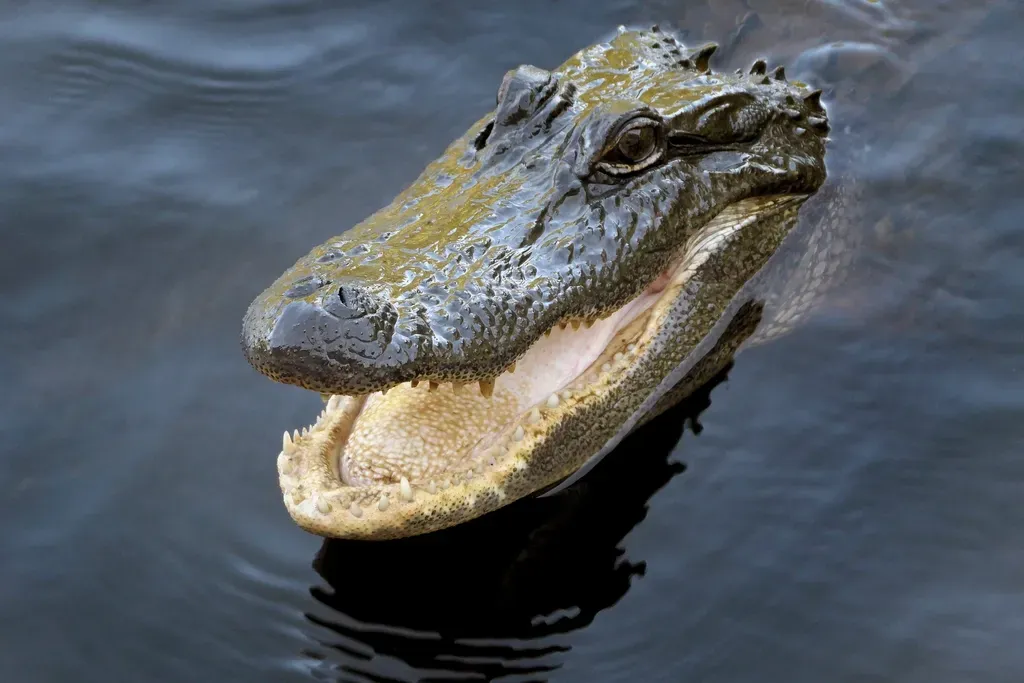
The Florida alligator deserves respect. It is a large, powerful, and ancient animal perfectly adapted to its environment, and dismissing that entirely would be foolish. However, there is a significant gap between warranted caution and the outsized dread that the species so often provokes.
The evidence, gathered across decades of careful record-keeping and peer-reviewed research, consistently points to the same conclusion. American alligators are often less aggressive towards humans than crocodiles, which are larger and of which some species may prey on humans with some regularity. The alligator’s fearsome reputation owes more to appearance and cultural narrative than to documented behavior.
Ultimately, the most honest thing that can be said is this: in a state with over a million alligators and tens of millions of residents, the data simply does not support widespread fear. What it does support is awareness, behavioral responsibility, and the understanding that most encounters never escalate because, left to their own instincts, alligators would rather slide quietly into the water than confront the one creature that genuinely makes them nervous: us.
