


The Sahara Desert, one of the most enigmatic and expansive landscapes on the planet, is home to a rich tapestry of life uniquely adapted to its harsh conditions. Among its most fascinating inhabitants is the adorable and elusive fennec fox. Join us on a journey through the sands as we explore why the Sahara Desert is the best place in the world to observe these captivating creatures in their natural habitat.
Understanding the Sahara: A Unique Ecosystem

🔥 Would you like to save this?
We'll email this post to you, so you can come back to it later!
The Sahara Desert, stretching over 9 million square kilometers across North Africa, is the largest hot desert in the world. Despite its brutal environment characterized by extreme temperatures and minimal rainfall, it boasts a diverse ecosystem. Many species have evolved remarkable adaptations to survive in such conditions, with the fennec fox being a prime example.
The Fennec Fox: An Introduction

🔥 Would you like to save this?
We'll email this post to you, so you can come back to it later!
The fennec fox, known scientifically as Vulpes zerda, is a small nocturnal fox distinguished by its large ears, which can measure up to six inches. These tiny predators are native to the Sahara Desert and are well-adapted to the desert’s extreme conditions. Their unique adaptations are the reason they thrive in this environment.
Anatomical Marvels: Ears Built for the Heat

🔥 Would you like to save this?
We'll email this post to you, so you can come back to it later!
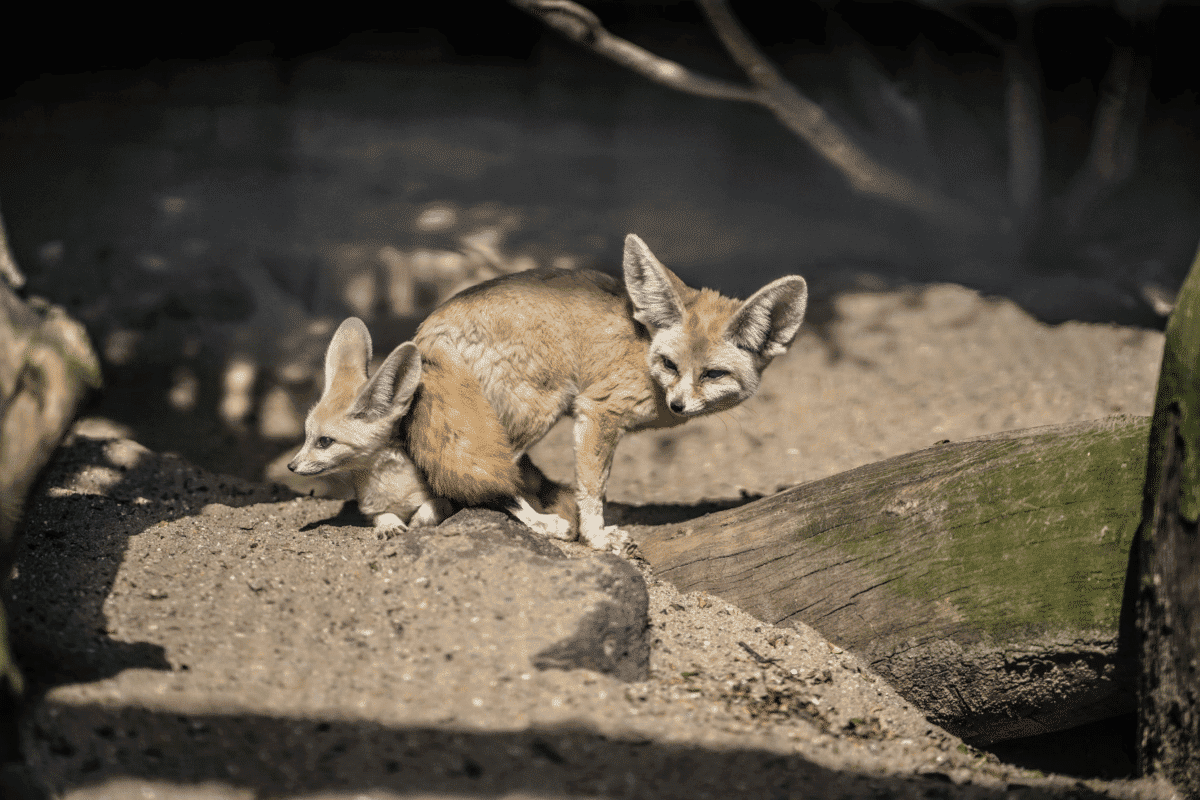
The most striking feature of the fennec fox is undoubtedly its ears. These oversized appendages serve a crucial function beyond just hearing. They help dissipate heat, a necessary adaptation for surviving the scorching daytime temperatures of the Sahara. Moreover, their acute sense of hearing allows them to detect prey moving underground.
Coat of Resilience: Fur That Defies the Sands

🔥 Would you like to save this?
We'll email this post to you, so you can come back to it later!
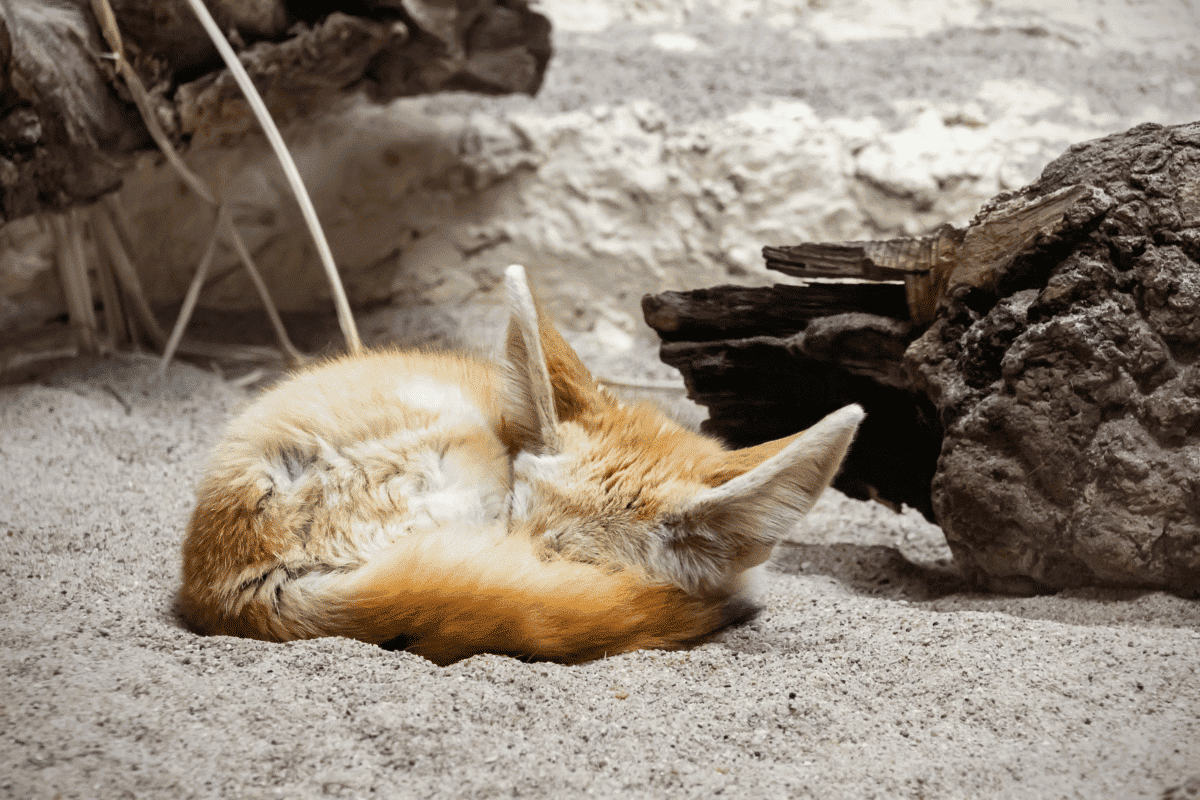
The fennec fox’s dense coat plays a pivotal role in its survival, serving as insulation against the chilly desert nights and reflecting sunlight during the day. The sandy coloration provides excellent camouflage against the dunes, making it difficult for predators or keen-eyed observers to spot them during the day.
Nocturnal Habits: Life Under the Stars
🔥 Would you like to save this?
We'll email this post to you, so you can come back to it later!
Fennec foxes are primarily nocturnal, venturing out after sunset to hunt and socialize. This behavior allows them to avoid the extreme heat of the day and conserve energy. Nighttime activities include foraging for insects, small mammals, and plants, a diet that provides essential hydration and nutrients.
Adaptive Diet: Surviving on Sparse Resources
🔥 Would you like to save this?
We'll email this post to you, so you can come back to it later!
Living in an environment with scarce water has driven the fennec fox to adapt its dietary habits. In addition to insects and small animals, they consume roots and fruits when available, which help to fulfill their water intake needs. This varied diet enables them to survive without direct water sources for extended periods.
Social Structure: The Life of a Fox Family

🔥 Would you like to save this?
We'll email this post to you, so you can come back to it later!
Fennec foxes display complex social behavior, often living in communities within interconnected burrows. These social units typically consist of monogamous pairs and their offspring. Communal living allows them to protect each other from predators and collectively care for their young.
Burrow Construction: Engineering Digging Skills

🔥 Would you like to save this?
We'll email this post to you, so you can come back to it later!
Fennec foxes are adept diggers, using their powerful claws to construct intricate burrow systems that provide refuge from the heat and predators. These burrows can be several meters deep and often feature multiple entrances, efficiently managing their exposure to the challenging desert climate.
Threats and Conservation: A Delicate Existence

🔥 Would you like to save this?
We'll email this post to you, so you can come back to it later!
Although fennec foxes are well-adapted to their environment, they face threats from habitat destruction and the pet trade. Conservation efforts are underway to protect their natural habitats and regulate their capture, ensuring these desert dwellers continue to thrive in the Sahara.
Spotting Fennec Foxes: A Traveler’s Guide

🔥 Would you like to save this?
We'll email this post to you, so you can come back to it later!
For wildlife enthusiasts, the best time to observe fennec foxes is during the cooler parts of the night. Guided tours conducted by experienced naturalists can enhance the experience, providing insights into their behavior and the broader ecosystem. Remember, patience and respect for these creatures are paramount during these excursions.
The Role of Fennec Foxes in the Ecosystem

🔥 Would you like to save this?
We'll email this post to you, so you can come back to it later!
Fennec foxes play a vital role in the Sahara’s ecosystem. As predators, they help control the populations of insects and small mammals, maintaining ecological balance. Their foraging also aids in seed dispersal, contributing to the desert’s sparse vegetation cycle.
Appreciating Nature’s Resilience: The Fennec Fox’s Story

🔥 Would you like to save this?
We'll email this post to you, so you can come back to it later!
The fennec fox is a testament to the extraordinary resilience of nature. Despite the harsh realities of desert life, these small mammals have not only adapted but also flourished. Their survival against the odds speaks volumes of their evolutionary ingenuity and the delicate balance of life in one of the world’s most extreme environments.
The Sahara Desert provides the perfect backdrop to witness the extraordinary adaptations and behaviors of the fennec fox. As stewards of such precious environments, it is our responsibility to protect their habitats and ensure these fascinating creatures continue to thrive for generations to come. Observing fennec foxes is not just an adventure; it’s an opportunity to learn and appreciate the wonders of evolution and the resilience of life in extreme conditions.

From exploring the marine wonders in the Azores and witnessing the vast savannas of Kenya, to delving deep into the rich biodiversity of South Africa and traversing iconic landscapes in Australia and the US like Yellowstone, Chris's experiences are vast.
With a penchant for diving alongside sharks, the ocean holds a special place in his heart.
Through his academic insights, he champions wildlife conservation, striving with 'Animals Around The Globe' to cultivate a profound connection between humans and animals, enhancing our mutual appreciation.
Connect with him at Feedback@animalsaroundtheglobe.com.
- 15 Wild Animals You Might Spot in U.S. National Parks - November 5, 2026
- Top 10 Animals and Wildlife in Hawaii - November 4, 2026
- Top 10 Animal Encounters in Europe - November 3, 2026