
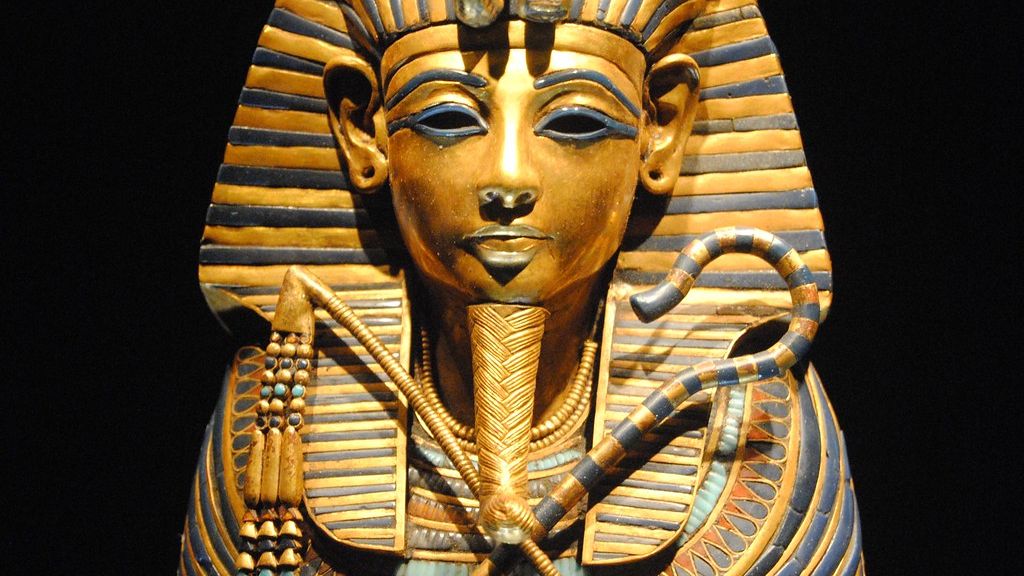
Imagine discovering mummies in one of the harshest places on Earth, only to find out their DNA tells a story completely unlike anything we expected. Picture the Sahara Desert, a relentless sea of sand and scorching heat. Now roll back the clock roughly seven millennia, and that barren wasteland transforms into lush grasslands, dotted with lakes and teeming with life.
Two 7,000-year-old mummies from the Takarkori rock shelter in the Sahara have been found to be from a group with a previously unknown ancestry. Here’s the thing, though: when scientists analyzed their genetic material, they discovered something extraordinary. These ancient herders belonged to a lineage that has no direct connection to the people living in the region today.
A Desert That Once Flourished With Life
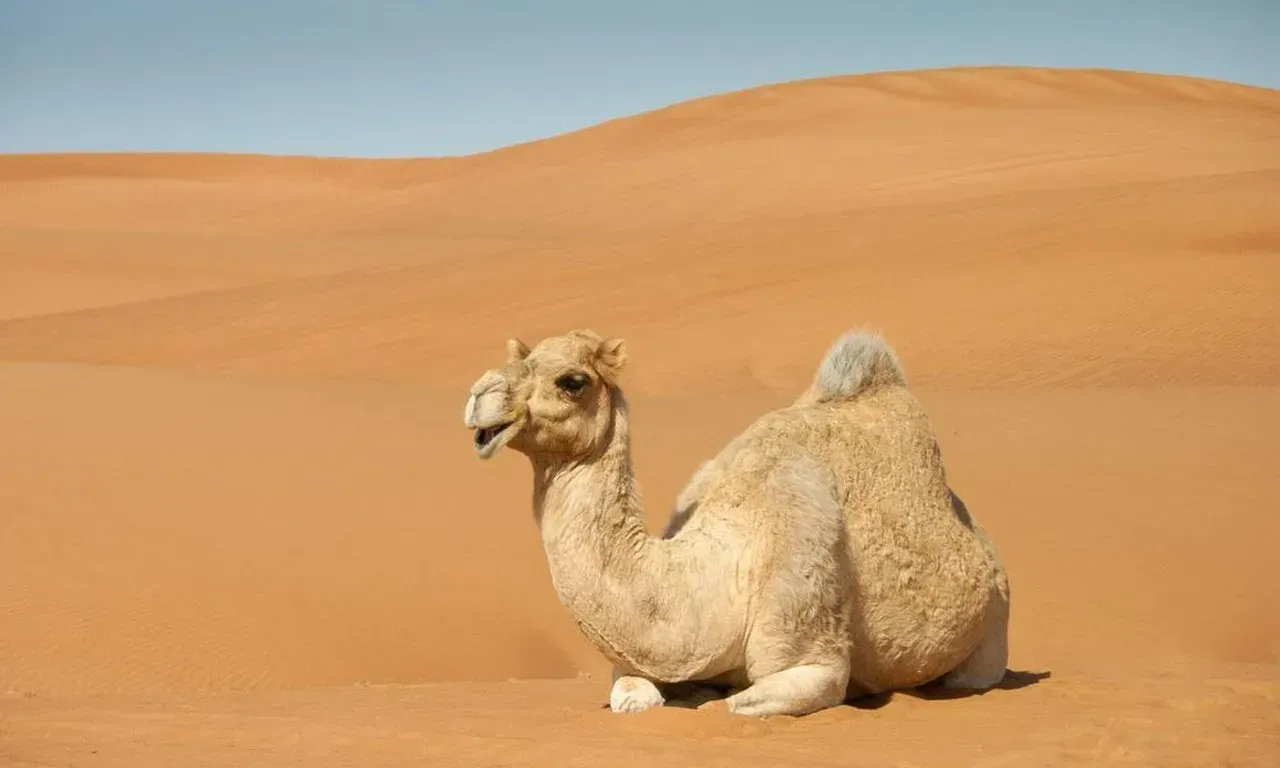
It sounds impossible, yet the evidence is overwhelming. Between 14,800 and 5,500 years ago, during what is known as the African Humid Period, the desert known for being one of the driest places on Earth actually had enough water to support a way of life. This wasn’t just a slightly wetter version of today’s Sahara.
The Sahara was a lush, green savannah, teeming with wildlife, dotted with lakes – including one the size of modern-day Germany. Think about that for a moment. Where endless dunes now stretch toward the horizon, ancient people once gazed upon vast bodies of water, forests, and thriving ecosystems. Early human communities lived off fish and herded sheep and goats.
The environment was perfect for human settlement. The Green Sahara wasn’t a flat expanse. It was filled with lakes, mountains, forests, and deserts, all crammed together. This varied landscape would eventually play a crucial role in keeping certain populations genetically isolated from one another.
The Discovery That Challenged Everything We Knew
Excavation of the Takarkori rock shelter, reachable only by a four-wheel drive vehicle, started in 2003, with the two female mummies among the first finds. The discovery itself was remarkably swift and dramatic. Let’s be real, finding naturally mummified remains is already rare enough, especially in such an environment.
The preservation was nothing short of miraculous. The region’s high temperatures can quickly break down the DNA in human remains, leaving few examples of ancient DNA in the region. The fact that any genetic material survived at all defies the odds. Heat, time, and the elements should have destroyed everything.
Yet somehow, researchers at the Max Planck Institute for Evolutionary Anthropology were able to extract enough DNA from the two mummies to sequence their genomes. This wasn’t just a partial picture either. Full genome sequencing gives researchers a complete genetic blueprint, allowing them to trace ancestry back thousands upon thousands of years.
A Ghost Population Hidden In Plain Sight

The two women belonged to a so-called ‘ghost population’ – one that had only ever been glimpsed as faint genetic echoes in modern humans, but never found in the flesh. The term itself sounds almost supernatural. Ghost populations are genetic lineages that scientists suspected existed based on traces in modern DNA, but had never directly observed.
Their analyses revealed the green Sahara individuals likely branched off from the ancestors of sub-Saharan Africans roughly 50,000 years ago. Think about that timeline. While other groups were migrating across continents, mixing with Neanderthals, and spreading throughout the world, this particular lineage remained in North Africa. Isolated. Separate.
They remained genetically isolated for tens of thousands of years – a revelation that still perplexes researchers. What kept them so separate? The varied geography of the Green Sahara likely created natural barriers. Even in a time of abundance, mountains, dense forests, and shifting deserts could prevent groups from mingling. Those natural barriers likely kept human groups apart long enough for their genes to splinter off into different directions.
Genetic Mysteries That Don’t Add Up
The DNA analysis revealed puzzling details. The Taforalt people also have half the Neanderthal genes of non-Africans, while the Takarkori have ten times less. What is strange is that they still have more Neanderthal DNA than other sub-Saharan peoples who were around at the time. How does that even make sense?
Honestly, it suggests these ancient North Africans had some contact with populations carrying Neanderthal ancestry, but far less than groups living outside Africa. While these Green Saharans were related to the very first humans to leave Africa, they didn’t have contact with later populations who carried larger quantities of Neanderthal DNA.
The Takarkori individuals are actually close relatives of 15,000-year-old foragers from Taforalt Cave in Morocco. This connection stretches across thousands of years and hundreds of miles. Both groups shared similar genetic profiles and both remained largely separate from Sub-Saharan African populations. The isolation wasn’t a temporary phenomenon but something that persisted across millennia.
There are also traces of evidence for admixture with farmers from the Levant. Otherwise, the genes of the Takarkori reveal them to have been mostly isolated. So while they weren’t completely cut off from the outside world, interactions were minimal at best.
Where Did They Go? The Lost Lineage
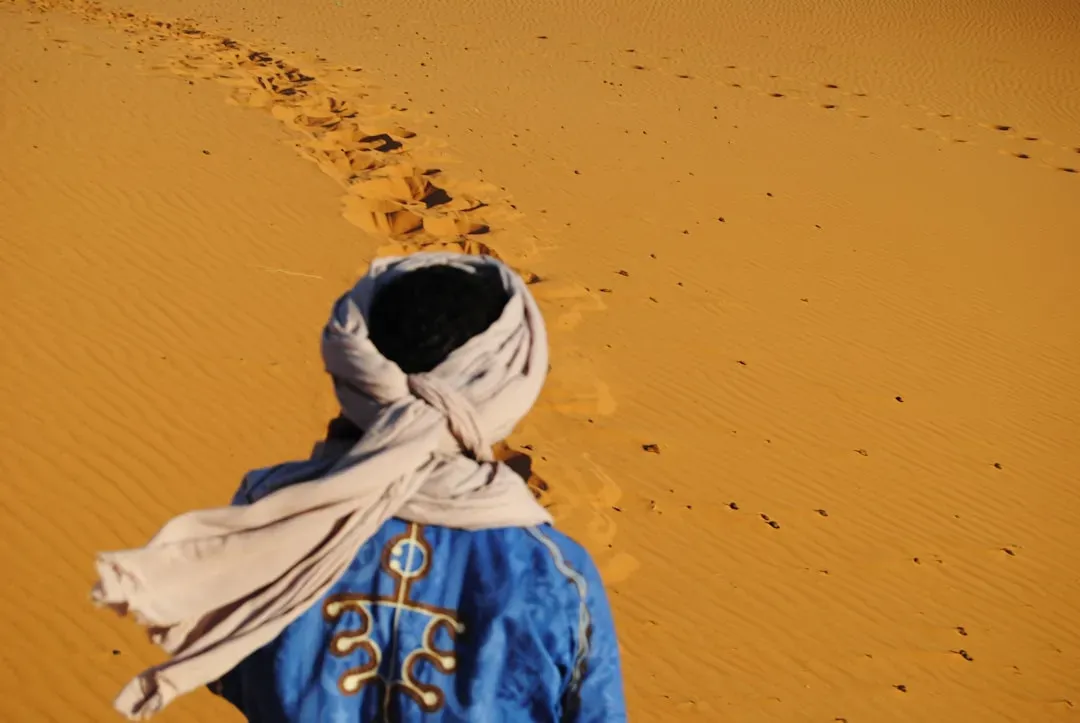
Here’s where it gets even more intriguing. They must have remained isolated for tens of thousands of years. A lost Eden perhaps? But where were they between the time they split from Sub-Saharan populations and when the Sahara turned green again? “So we actually don’t know where they were hanging out between 50,000 years ago – when they split from the southern African population – and 15,000 years ago.”
The Sahara wasn’t always hospitable. For much of that period, it was a desert barrier as formidable as it is today. So where did these people survive? Did they find isolated pockets of habitability? Did they retreat to coastal regions or mountain ranges? The answers remain tantalizingly out of reach.
What’s clear is that when the African Humid Period arrived, they were there. They thrived. The genomic analysis yielded surprises for the study team, revealing that the inhabitants of the green Sahara were a previously unknown and long-isolated population that had likely occupied the region for tens of thousands of years. They herded animals, fished in abundant waters, and lived in a paradise that would eventually vanish.
Fragments of their DNA still persist in modern North African populations, a silent genetic whisper from a vanished civilization. The Takarkori lineage seems to have vanished with the drying of the land. When the climate shifted again and the Sahara returned to desert, these people either perished, migrated, or their genetic signature became so diluted it’s barely detectable today.
Conclusion: Echoes From A Lost World
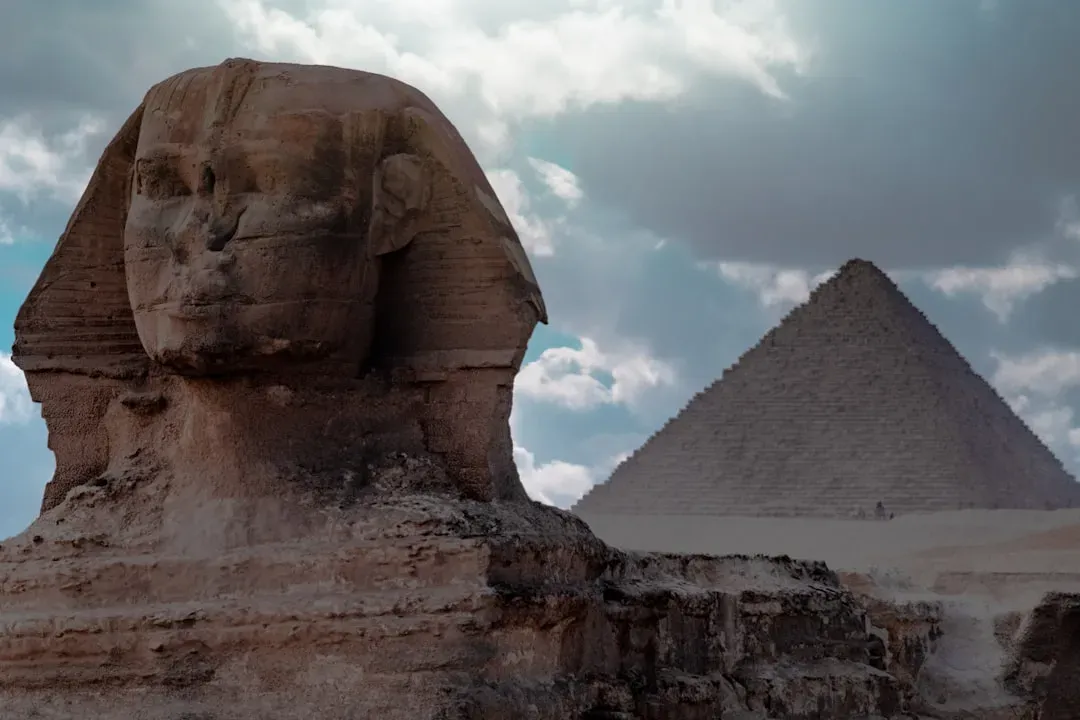
This discovery fundamentally reshapes how we understand human history in North Africa. “Our research challenges previous assumptions about North African population history and highlights the existence of a deeply rooted and long-isolated genetic lineage”. These weren’t just another group of ancient herders. They were a distinct branch of humanity that remained separate for an almost incomprehensible span of time.
The findings open new doors into one of the least understood chapters of human prehistory: the lives of people who flourished in a green Sahara, then disappeared. Somewhere beneath those endless sands lie more secrets, perhaps more mummies, more evidence of a world that once thrived where now nothing grows.
It makes you wonder what else is hiding out there, doesn’t it? What other ghost populations existed, lived full lives, and vanished without leaving more than genetic whispers? Did you expect that ancient DNA could rewrite the story of an entire region? Tell us what you think in the comments below.

- 9 Cat Breeds That Love Kids (And 9 That Prefer Adult Company) - June 30, 2026
- Which Zodiac Signs Would Choose Pit Bull For Their Pet - June 30, 2026
- Gardening Is Becoming More Popular Among Older Americans - June 30, 2026