
Picture this: approximately 46 million turkeys grace American tables every single Thanksgiving, creating a ritual so deeply embedded in our culture that most people can’t imagine the holiday without it. Yet the story of how this magnificent bird became such a powerful symbol of North American identity stretches back thousands of years, weaving through Indigenous traditions, colonial misunderstandings, and even presidential politics.
The turkey’s journey from sacred animal to national icon represents one of the most fascinating chapters in North American cultural history. From ancient ceremonial practices to modern holiday traditions, this remarkable bird has shaped our collective identity in ways that might surprise you.
Sacred Beginnings with Indigenous Peoples
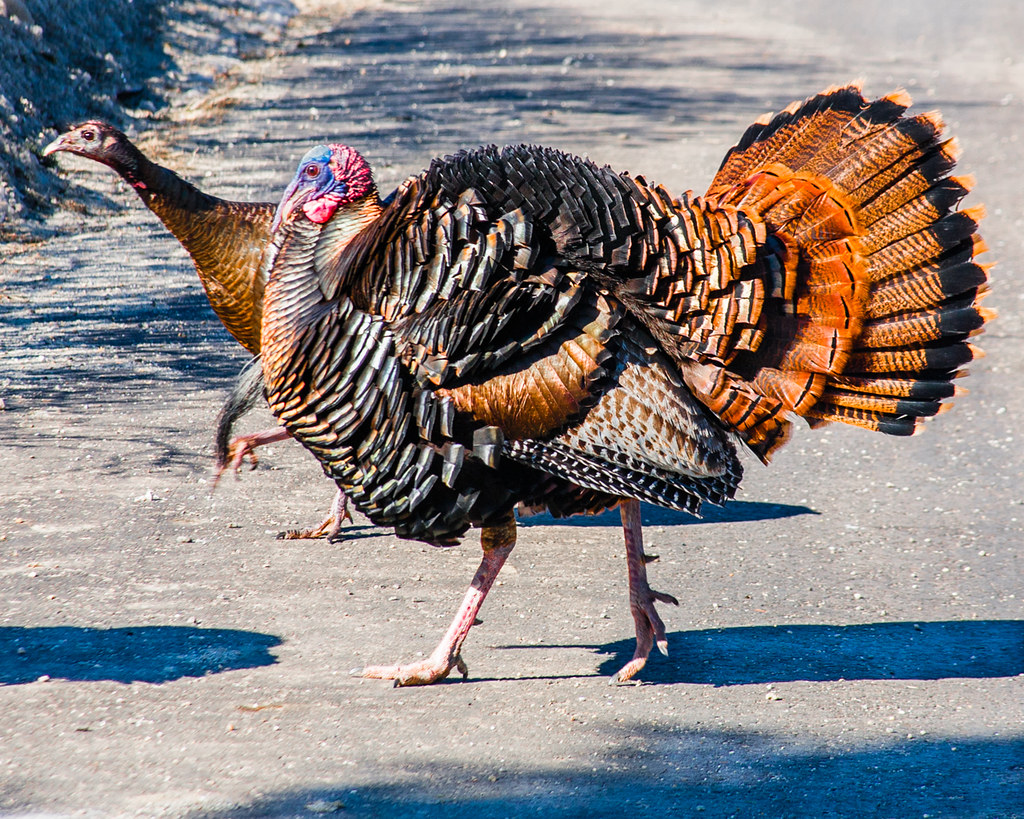
Long before European settlers arrived, turkeys had been an important part of the food and cultural systems of Native Americans for thousands of years, with early domesticated turkey remains appearing in archeological sites dating back more than 2,000 years. However, their significance went far beyond mere sustenance.
The bird has long played a vital spiritual role in Pueblo culture, with its feathers often used for prayers and ceremonial regalia. Particularly prized were the white or thunderhead-black feathers, which represent clouds and their attendant, life-giving rains. This spiritual connection was so profound that archeological studies of cooking hearths show very few turkey bones during the height of Chaco civilization, with people only eating the sacred birds more widely during the climate-driven collapse in the 14th century.
The Wampanoag tribe in the east used turkey feathers for cloaks, while the Tuscarora and Catawba in the south used plumage for headdresses. The Caddo have a prestigious Turkey Dance related to tribal songs of war, honor and pride. A feather from a turkey symbolizes abundance, pride and fertility.
Ancient Domestication and Practical Uses
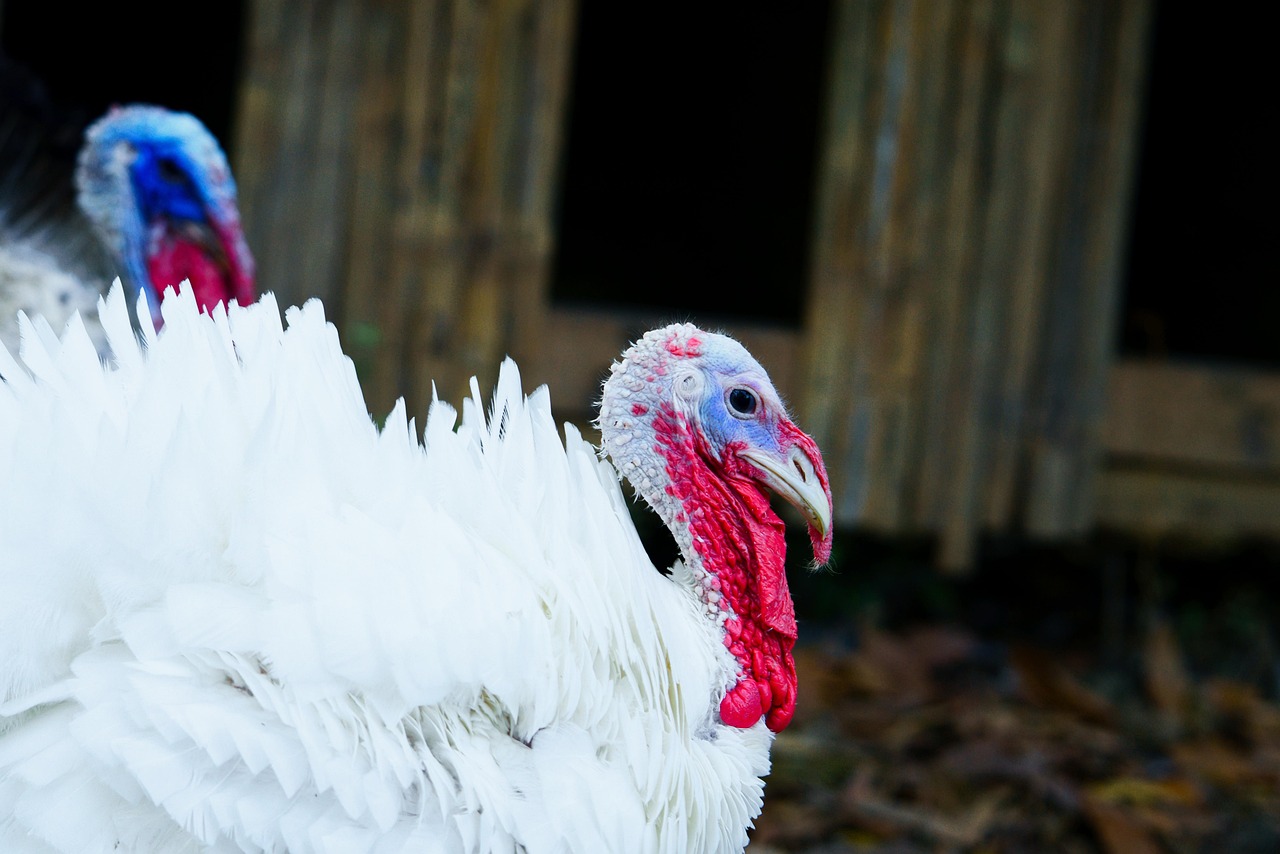
There is archaeological evidence of wild turkeys being domesticated by certain indigenous groups as far back as 2,000 years ago, with tribes in the American southeast, southwest, central Mexico, and Guatemala being especially known for their domestication of turkeys. This wasn’t just about farming for food.
The turkeys’ wing and tail feathers make excellent arrow fletching, and their fluffy down creates durable, warm blankets that can take as many as 11,500 individual feathers to make. Throughout the ancient U.S. Southwest, turkey bones were worked into awls, tubes, beads, flutes, whistles, and more, while elsewhere in North America, turkey leg bones were worked into tattooing implements.
While hunting wild birds for feathers can be a headache, turkeys release their feathers readily when grabbed, which makes them “a good herd animal”. This practical advantage made them incredibly valuable to Indigenous communities across North America.
The Misunderstood Connection to Thanksgiving
Here’s where the story takes an interesting turn. Despite popular legend, wild turkey was not served at the 1621 meal shared between the Wampanoag natives and the pilgrims. Instead, deer meat was provided by Wampanoag hunters. Winslow’s firsthand account of the first Thanksgiving included no explicit mention of turkey, though he mentions the Pilgrims gathering “wild fowl” for the meal, which could just as likely have meant ducks or geese.
So how did turkey become synonymous with Thanksgiving? Some give credit for the turkey’s preeminence to Sarah Joseph Hale, the “Godmother of Thanksgiving,” whose accounts of early New England celebrations emphasized a roast turkey and eventually became the model for the festivities adopted by the rest of the country after Abraham Lincoln declared it a national holiday in 1863. In her 1827 novel Northwood, she devoted an entire chapter to a description of a New England Thanksgiving, with a roasted turkey “placed at the head of the table,” and her efforts finally paid off in 1863 with a presidential proclamation by Abraham Lincoln.
Turkeys became the meat of choice for Thanksgiving celebrations because they were easy to harvest and their size was enough to feed a large family. A roasted turkey makes a perfect celebratory centerpiece and is also practical for serving to a large crowd, being bigger than other birds raised or hunted for their meat, and cheaper to produce than a cow or pig.
Benjamin Franklin’s Famous Turkey Defense
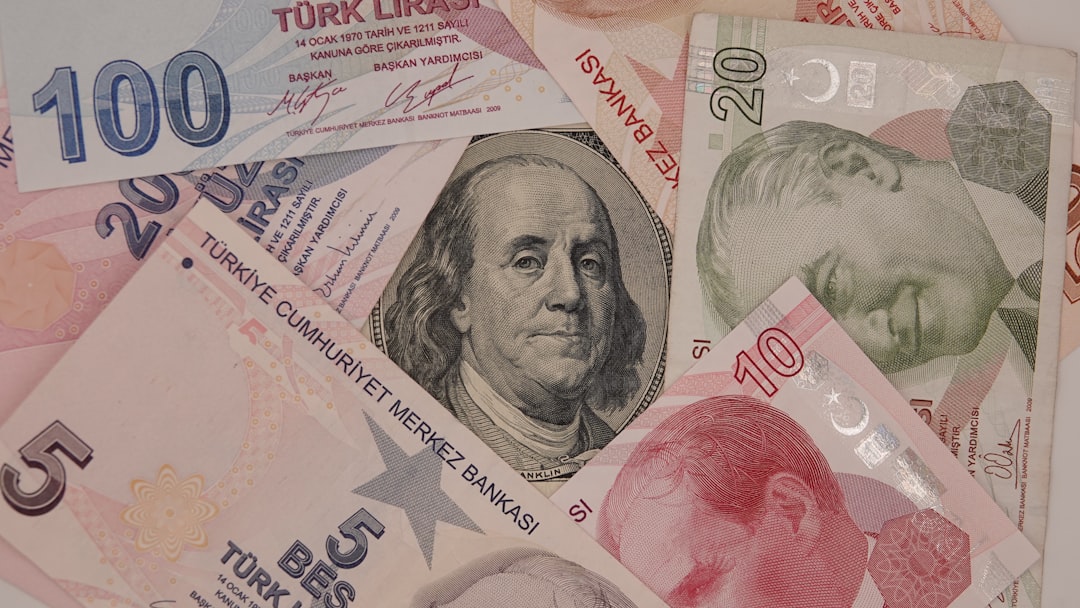
One of the most persistent myths in American history involves Benjamin Franklin supposedly wanting the turkey as our national bird instead of the bald eagle. The story about Benjamin Franklin wanting the National Bird to be a turkey is just a myth. However, Franklin did have strong opinions about both birds.
In a letter to his daughter, he described his antipathy for the bald eagle: “For my own part I wish the bald eagle had not been chosen as the representative of our country. He is a bird of bad moral character. He does not get his living honestly”. About the turkey, Franklin wrote: “For in truth, the turkey is in comparison a much more respectable bird, and withal a true original native of America” and “a bird of courage, and would not hesitate to attack a grenadier of the British guards who should presume to invade his farm yard with a red coat on”.
Franklin wasn’t directly rebuking the Great Seal of the United States – he was rebuking the insignia of the Cincinnati. He wasn’t calling for the turkey to be the symbol of the nation, but he was drawing an interesting parallel. While this passage shows Franklin was not enthusiastic about the bald eagle on the Great Seal, it does not constitute an endorsement of a turkey in its stead.
The Great Turkey Drives of America
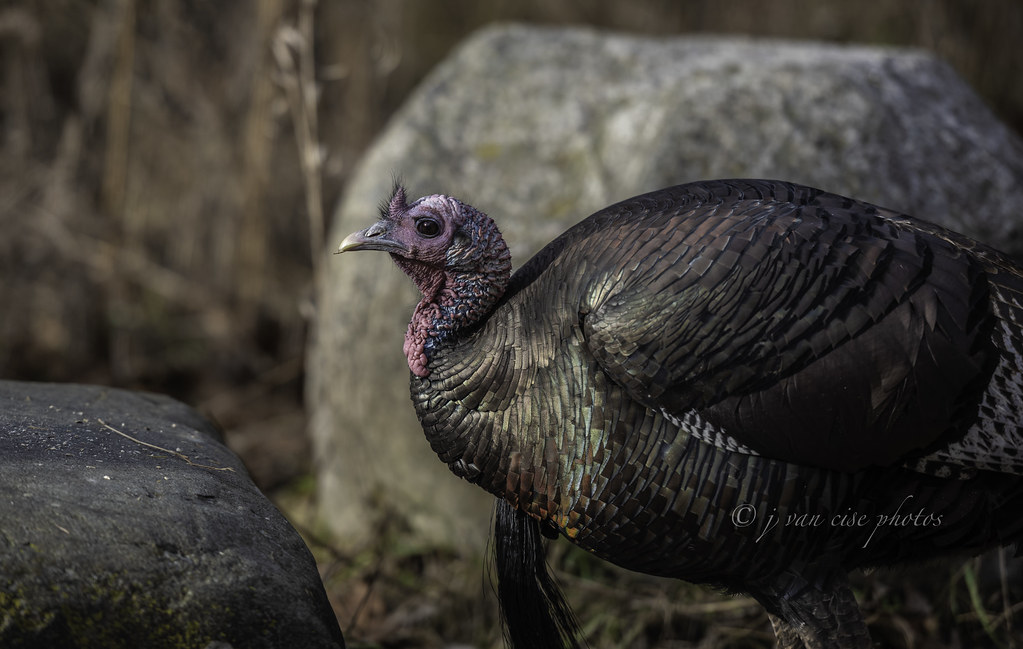
There have been more “Turkey” drives than “Cattle” drives in America’s history. This fascinating chapter of American history reveals how deeply embedded turkeys became in our national commerce and culture.
The turkeys walked to our forefather’s tables, and “Many have been the tales of the great cattle drives. Hardly anyone remembers the great turkey walks,” as in antebellum America a parade of thousands of turkeys gobbling their way down country roads to urban markets was a regular sight in the weeks before Thanksgiving. The long march of the turkeys was a slow business, with flocks typically ambling at a top speed of one mile per hour, though a turkey drive could cover 20 miles in a single day.
These massive forced migrations of birds occurred well into the 1930s in some regions of the United States, particularly in the turkey towns of Texas, which held great celebratory “Turkey Trots” for the birds streaming in by the thousands for the slaughter. Each night it was the particular habit of the turkeys to roost in adjacent trees and bushes, and much to the annoyance of their human counterparts, the birds often disregarded the actual time of day and mistook an overcast sky or heavily shaded portions of road as indications that the sun was going down.
Modern Presidential Turkey Traditions
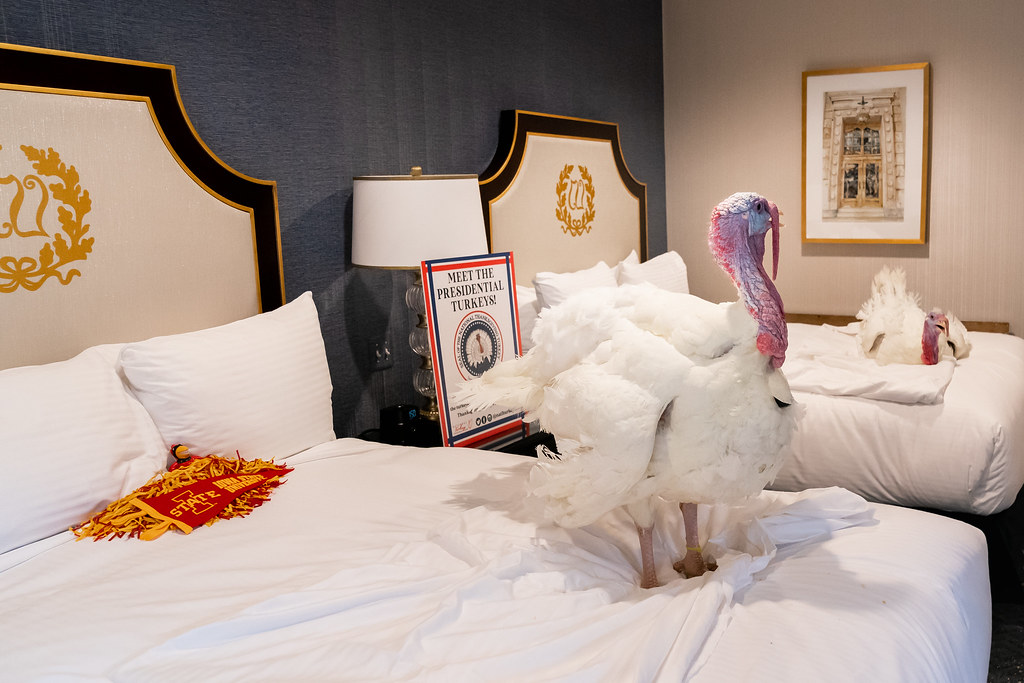
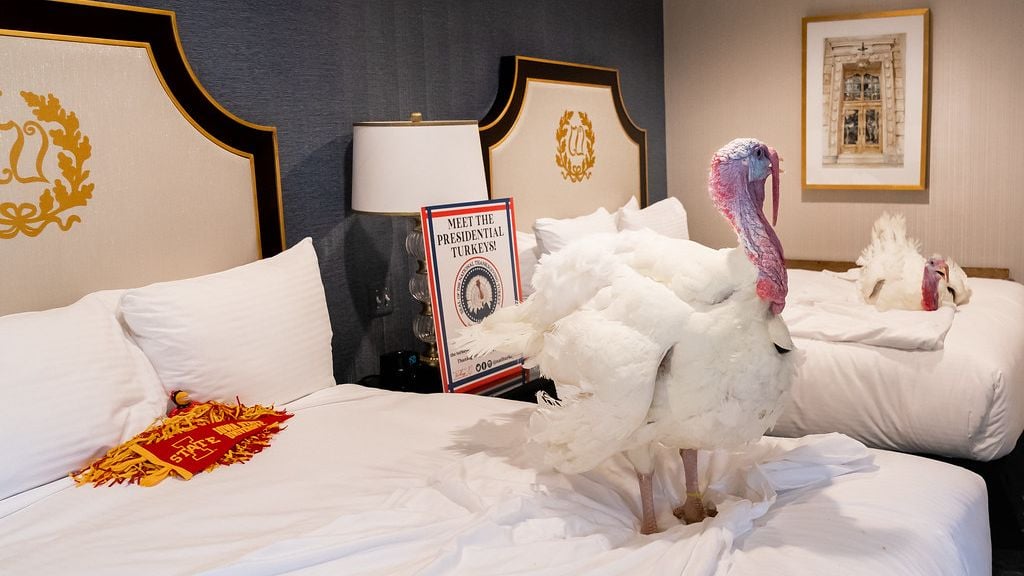
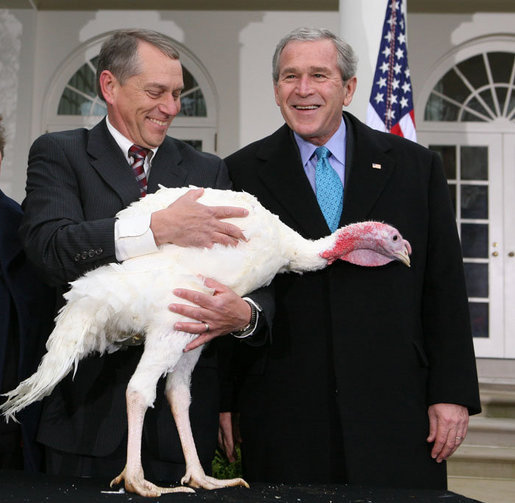
The consumption of turkey on Thanksgiving is so ingrained in American culture that each year since 1947, the National Turkey Federation has presented a live turkey to the president of the United States prior to each Thanksgiving, with these turkeys initially being slaughtered and eaten for the president’s Thanksgiving dinner, but since 1989, the presented turkeys have typically been given a mock pardon to great fanfare.
This modern tradition reflects how completely the turkey has become woven into American political and cultural life. The presidential turkey pardon has become a lighthearted annual ceremony that millions of Americans watch, representing a moment of unity and humor in our political discourse. The symbolism is powerful: the nation’s leader showing mercy to the bird that has become synonymous with American gratitude and abundance.
Today more than 40 million turkeys are eaten at Thanksgiving in the United States each year. In fact, figures suggest around 45 to 46 million turkeys are consumed during Thanksgiving every year. The scale of this consumption demonstrates just how central the turkey has become to American identity.
Cultural Legacy and Continuing Significance
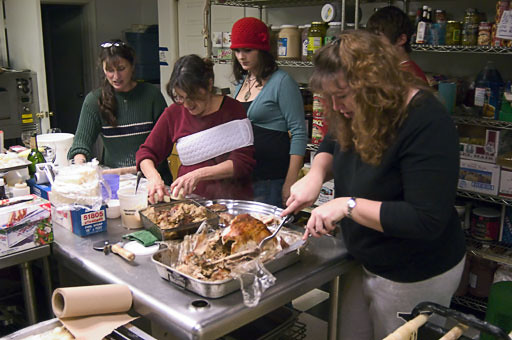
The cultural links between Pilgrims, turkeys, and Thanksgiving became an inextricable and integral part of American schoolchildren’s education. By the end of the 19th century, people across the country were calling the holiday “Turkey Day”. This transformation from Indigenous sacred animal to national symbol represents a complex cultural evolution that continues today.
One of the core reasons why turkey became so embedded within the cultural consciousness was because of migration from New England, where the bird was plentiful and popular. As Americans gradually spread across the American west, they brought with them their traditional foods and harvest festivals, and turkey farming became widespread across all areas of the US. Whether on ceramics, on rock art, in stories, or in song, turkey iconography and representation is an important aspect of the long-running relationship with these birds throughout the ancient U.S. Southwest, with numerous forms of turkeys appearing in artwork throughout this region, and turkey tracks being one special type of stylistic turkey design that appears frequently on rock art and ceramics.
Even through generations of genocide, forced removal from their lands, and substantial portions of culture that have been lost forever, turkeys still carry importance in the lives and ceremonies of many tribes today. This enduring significance demonstrates how deeply rooted the turkey’s cultural importance truly is in North American society.
Conclusion
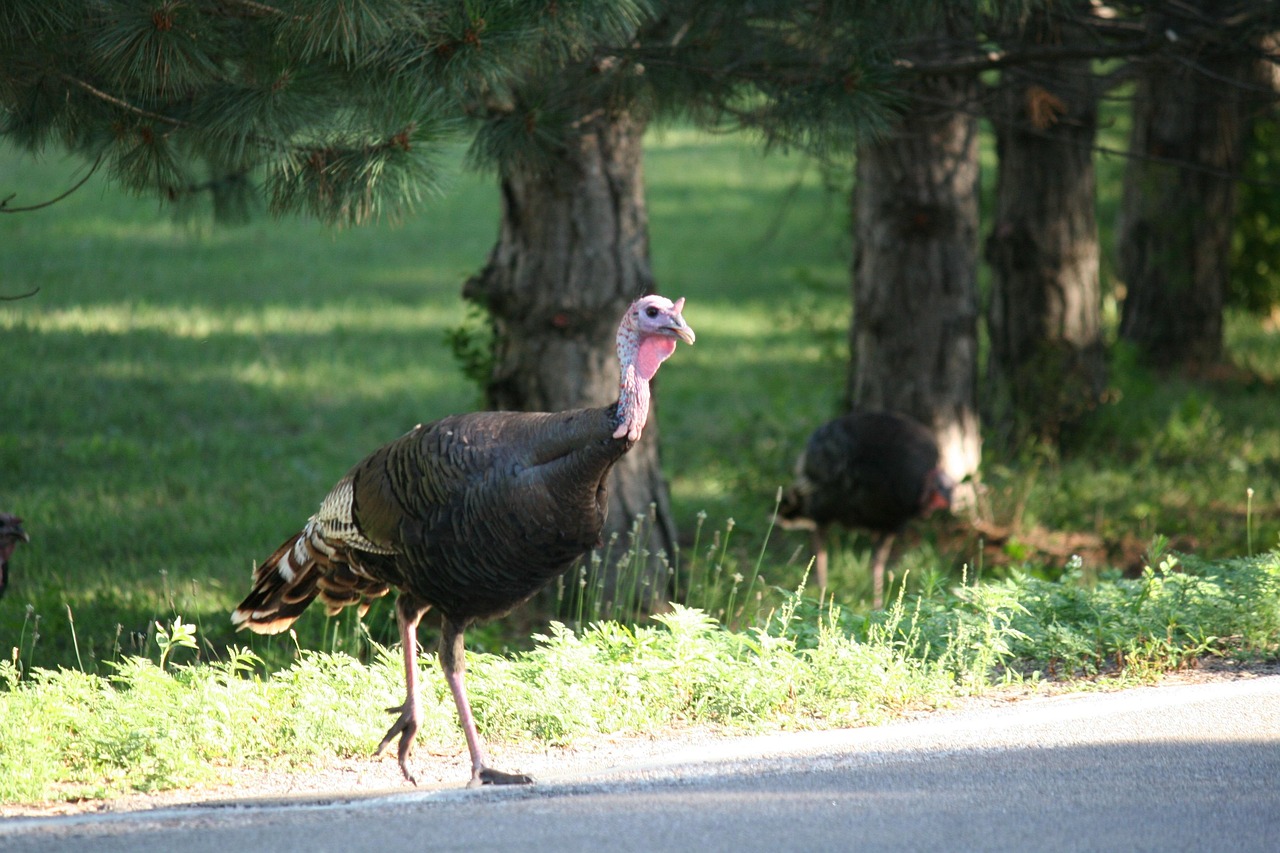
The turkey’s significance extends far beyond a simple holiday meal. From its sacred role in Indigenous ceremonies to its practical importance in colonial survival, from Benjamin Franklin’s spirited defense of its character to the great turkey drives that fed growing cities, this remarkable bird has been interwoven with our continent’s story for millennia.
Today, as families gather around Thanksgiving tables laden with roasted turkeys, they’re participating in a tradition that connects them to thousands of years of North American history. The turkey represents abundance, gratitude, resilience, and the complex cultural exchanges that have shaped this continent. It stands as a uniquely North American symbol that bridges ancient Indigenous wisdom with modern American traditions.
What did you expect when you think about the turkey’s role in our culture? Tell us in the comments.
