
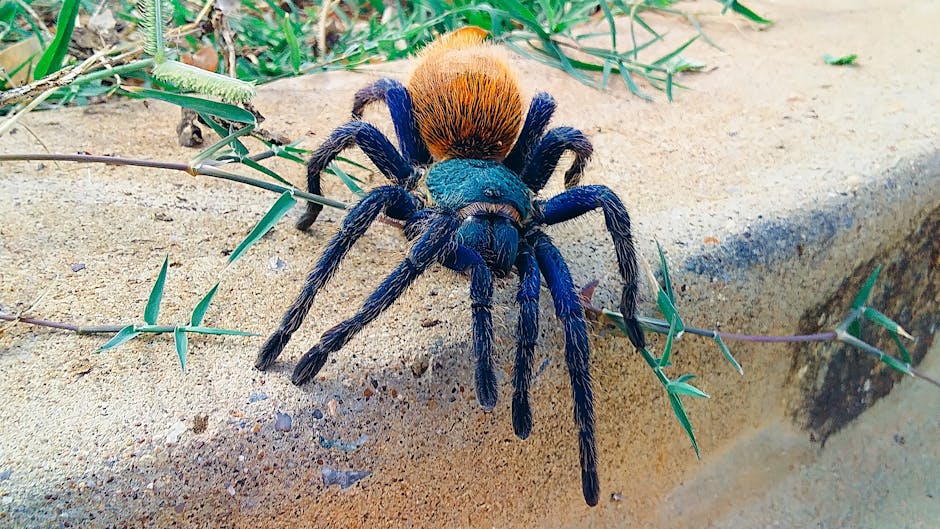
There are spiders. Then there is this spider. Somewhere deep in the humid, ancient rainforests of southern India lives a creature so visually extraordinary that people who see it for the first time genuinely question whether the photos have been edited. It looks less like an arachnid and more like something dreamed up in a science fiction film. Shimmering. Metallic. Alive with color.
Deep in the humid rainforests of India’s Western Ghats lives a creature that looks more like a colorful digital glitch than an actual living animal. Formally known as Cilantica devamatha, this spider is commonly called the “psychedelic earth tiger” or the “Indian rainbow tarantula.” Its beauty is staggering, and its story, well, that’s even more compelling. Let’s dive in.
A Spider That Looks Like It Belongs in a Dream
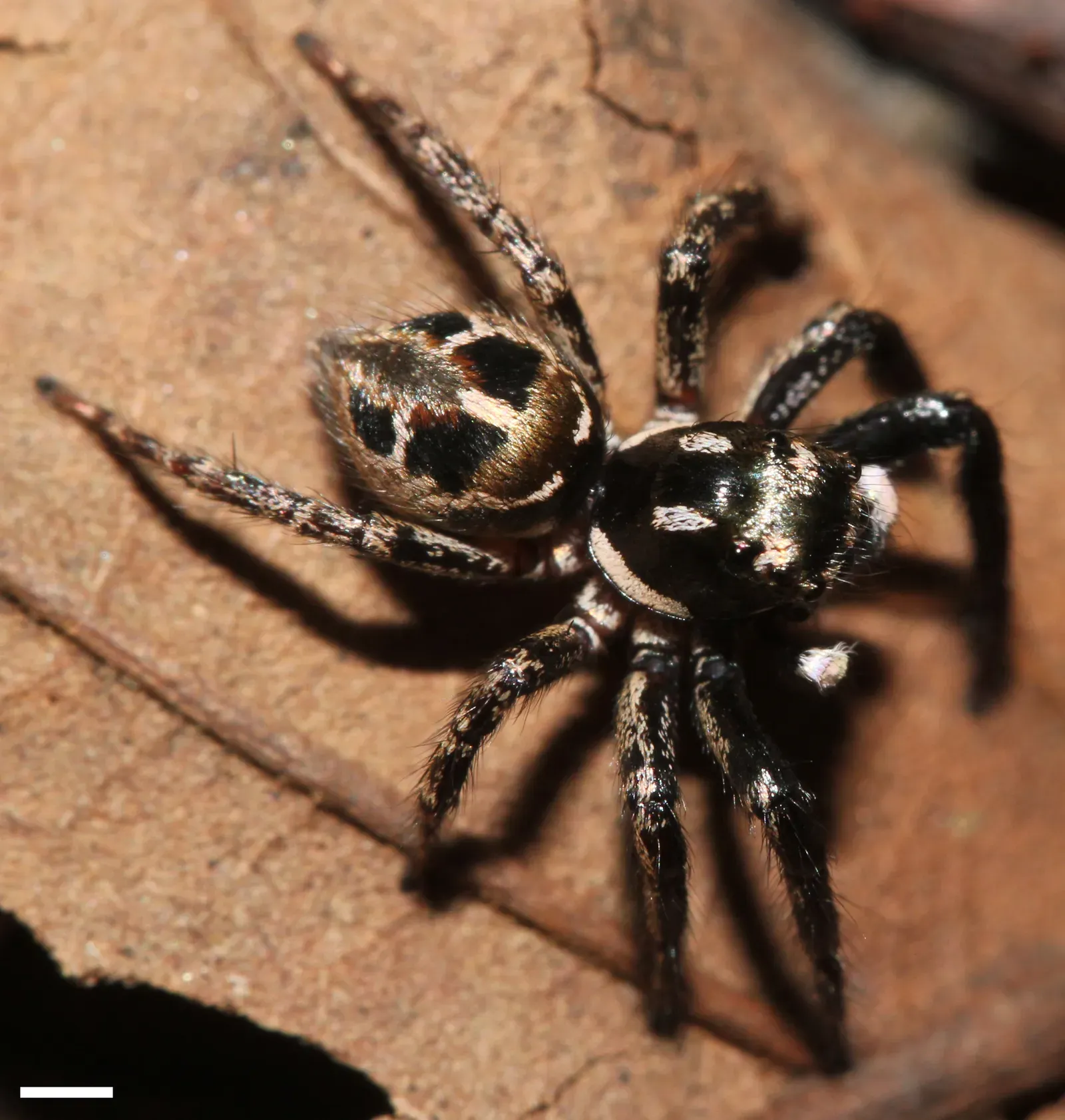
Honestly, let’s start with the obvious. This spider’s appearance is nothing short of jaw dropping. Most animals that look this vivid are either poisonous dart frogs in Amazonian jungles or tropical fish gliding through coral reefs. A burrowing tarantula from India? Nobody expected that.
This tarantula’s “rainbow” effect comes from structural coloration, not pigment. Microscopic structures on its hairs bend and reflect light. This creates an iridescent shimmer that shifts between deep violet, electric blue, and neon green depending on the angle. Think about that for a second. It’s essentially the same optical trick that makes soap bubbles shimmer, but on a living, breathing spider.
This spider dazzles viewers with its enchanting metallic iridescence, which shifts between blue, violet, green, and other hues depending on the light. Native to the tropical forests of Kerala in southwestern India, the Psychedelic Earth Tiger burrows deep into the soil and adapts to extreme seasonal changes, including intense heat and heavy monsoons.
The name “earth tiger” refers to both the spider’s appearance and its ecological role. It’s a patient, silent predator, an ambush hunter. Picture a living jewel that sits perfectly still in the dark, waiting. It’s terrifying and beautiful in equal measure.
Underground Architect: The Secret Life Beneath the Soil
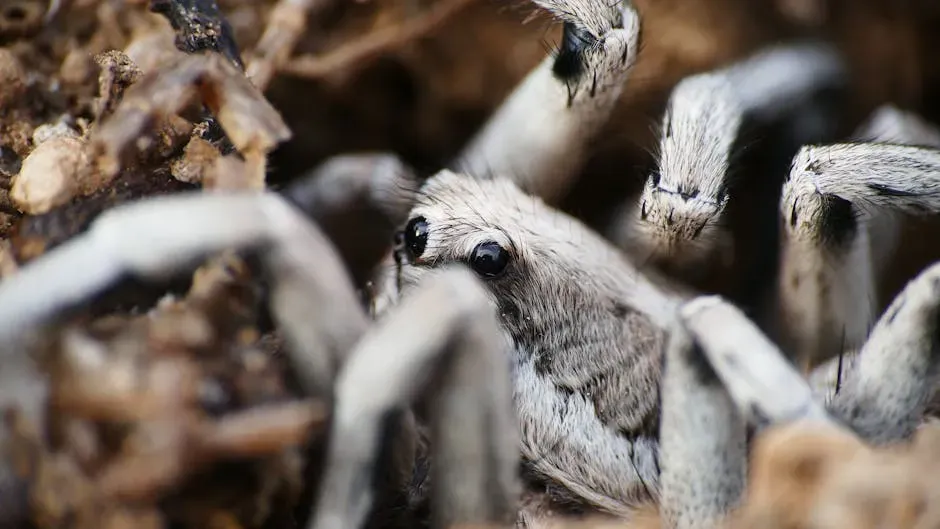
Here’s the thing most people miss: this spider isn’t just a pretty face. It’s an engineer. A genuinely impressive one. While the world obsesses over its color, what’s happening underground is arguably just as fascinating.
The spider is also an impressive engineer. As a fossorial species, it lives in deep, silk-lined tunnels that function as climate-controlled bunkers, maintaining the precise temperature and humidity needed to survive the tropical heat. That’s not just a hole in the ground. That’s a precision-built habitat, engineered by an animal with no hands.
A patient, energy-efficient predator, it waits motionless at the entrance of its burrow until unsuspecting prey wanders too close. Imagine sitting absolutely still for hours, days even, conserving every calorie. It’s like the spider equivalent of a chess grandmaster: calculating, disciplined, lethal when the moment is right.
Known for its metallic iridescence and deep burrowing behavior, this species has long been a favorite among experienced keepers who appreciate its vibrant coloration and intricate webbing tendencies. Even the silk structures it builds are considered remarkable. For a creature that lives almost entirely unseen, it leaves quite a mark.
Beautiful and Deadly: The Danger Behind the Color
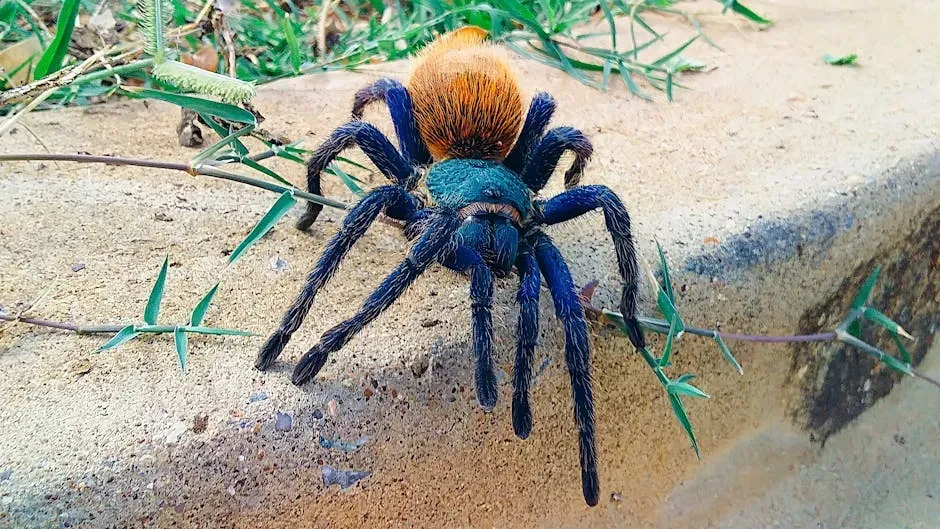
Let’s be real. There’s a certain type of person who looks at a wildly colorful, fast-moving spider with defensive instincts and thinks “I want that in my home.” And, I get it. The allure is undeniable. Still, the reality of this spider as a captive animal is far more sobering than its glamorous appearance suggests.
Despite the high demand for this spider, even experienced keepers approach the species with caution. It is not a traditional pet in any sense. As a burrowing tarantula, it is highly defensive and prefers to be left undisturbed. You’re not going to be picking this one up for an Instagram photo.
Known for their startling speed, these spiders can move from the bottom of a burrow to the surface in a fraction of a second. Though not lethal to healthy adults, their venom can cause intense pain, muscle cramping, and swelling that lasts several days. That’s not a bee sting level situation. That’s several miserable days of regret.
Ironically, the collectors driving demand are often the least prepared for the reality of keeping such a volatile animal. It’s a pattern that repeats across the exotic pet world. The rarer and prettier the creature, the more people want it. The more people want it, the worse the outcomes tend to be for both the animal and its new owner.
A Beauty That Became a Target: The Poaching Crisis
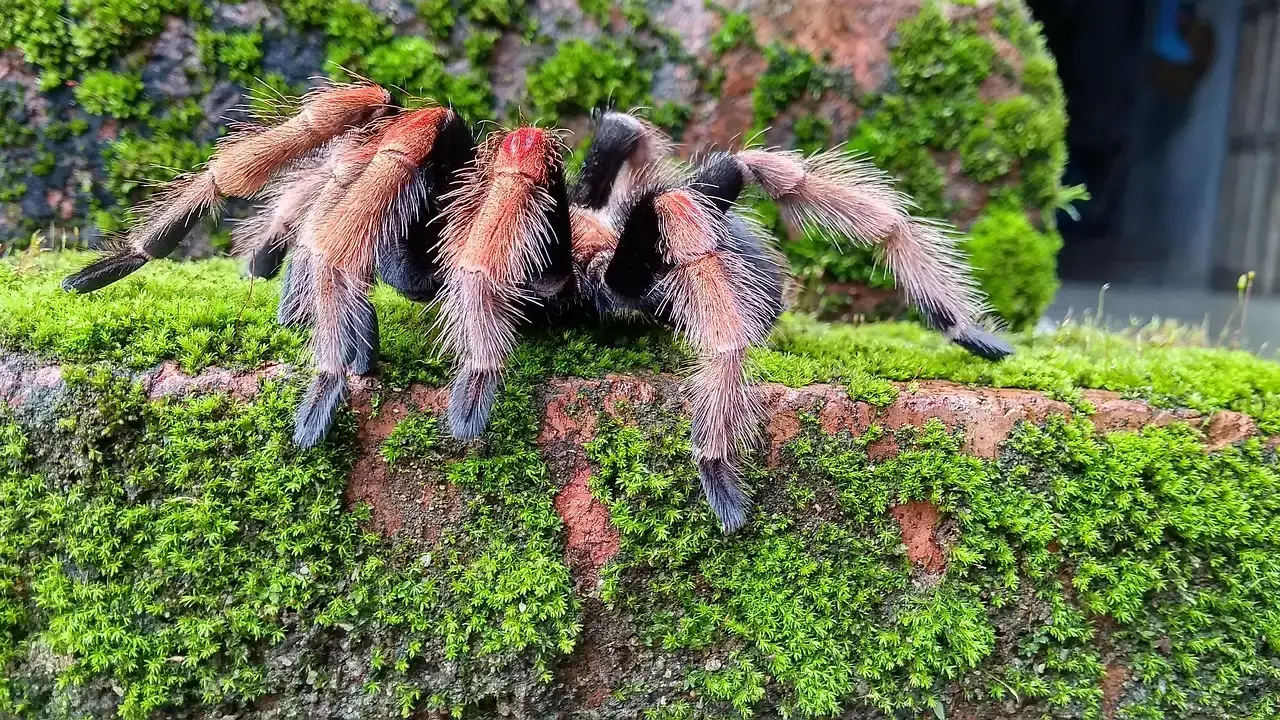
This is the part of the story that shifts from fascinating to genuinely alarming. The psychedelic earth tiger’s stunning appearance, which should have been its greatest evolutionary achievement, has become the very thing threatening its survival. It’s a cruel irony that is hard not to feel angry about.
The spider’s decline was swift and alarming. Specimens appeared for sale on underground forums just eight months after the species was officially named. Eight months. The scientific community had barely finished writing up their findings before traffickers had already moved in.
Because tarantulas lack bones, they are difficult to detect with standard airport X-ray machines, making them easy to smuggle. Traffickers often pack them into tiny containers with very little oxygen, and many spiders do not survive. The ones that do survive the transit often end up in the hands of people completely unprepared to care for them.
The damage caused by poaching starts long before a spider reaches a buyer. Removing a wild tarantula destroys its complex, deep-seated burrow, which may have taken years to build. This disruption affects the surrounding microhabitat and weakens the local ecosystem. In other words, one poached spider doesn’t just remove one spider. It unravels something far larger and more intricate. Like pulling a thread from a tapestry.
Racing Against Extinction: The Fight to Save the Psychedelic Earth Tiger
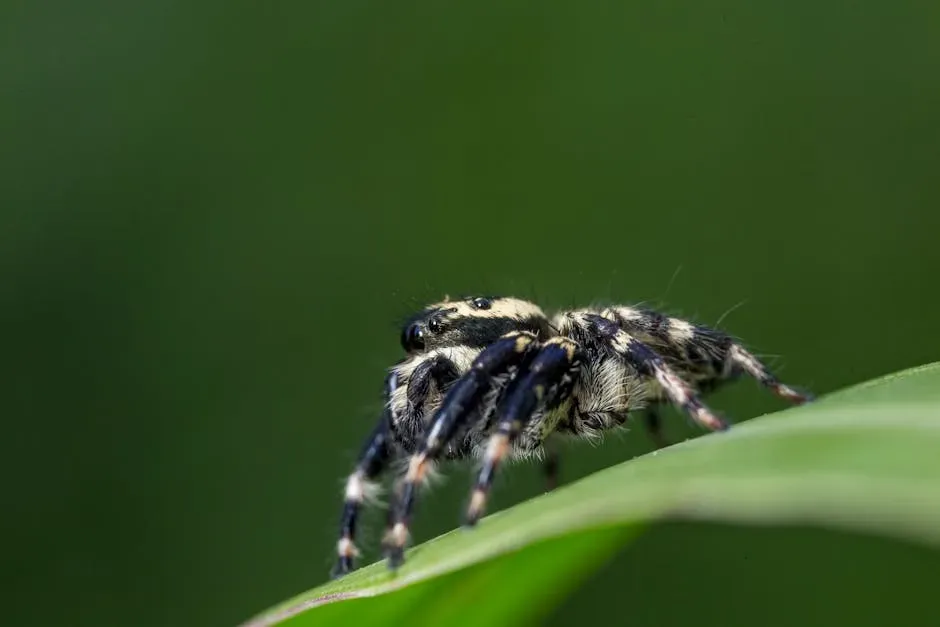
It would be easy to feel hopeless here. The species was formally described in 2014, and by 2026, it had already landed on a global extinction watch list. That’s an astonishingly short window of time. However, the people fighting for this spider are not giving up without a serious battle.
The conservation crisis has reached a critical point. In 2026, international organizations like Fauna & Flora and Animal Survival International added the psychedelic earth tiger to their “10 Species to Watch” list. This designation places the spider alongside high-profile threatened animals like the clouded leopard and the saker falcon. That’s a significant recognition for a spider, a group of animals that rarely earns headline-level conservation attention.
Backed by the Conservation Leadership Programme (CLP), Aswathy Sankar Singh and her research team are working to prevent the spider’s disappearance. Their data-driven efforts recently earned them the CLP Future Conservationist Award. Singh’s team is doing the kind of meticulous, ground-level work that conservation actually depends on.
Singh’s team is documenting the exact environmental conditions, including soil pH, temperature, humidity, and burrow structure, to build a detailed ecological blueprint. Their work also includes studying Cilantica kayi, a rare relative, to ensure broad ecosystem protection.
The project prioritizes community engagement. The team is working directly with local communities in Kerala through education and burrow monitoring programs. These efforts are reframing the psychedelic earth tiger from a collector’s item to a conservation symbol and a proud example of India’s incredible biodiversity. That reframing is perhaps the most powerful tool of all.
Conclusion: The Spider That Reminds Us What’s at Stake
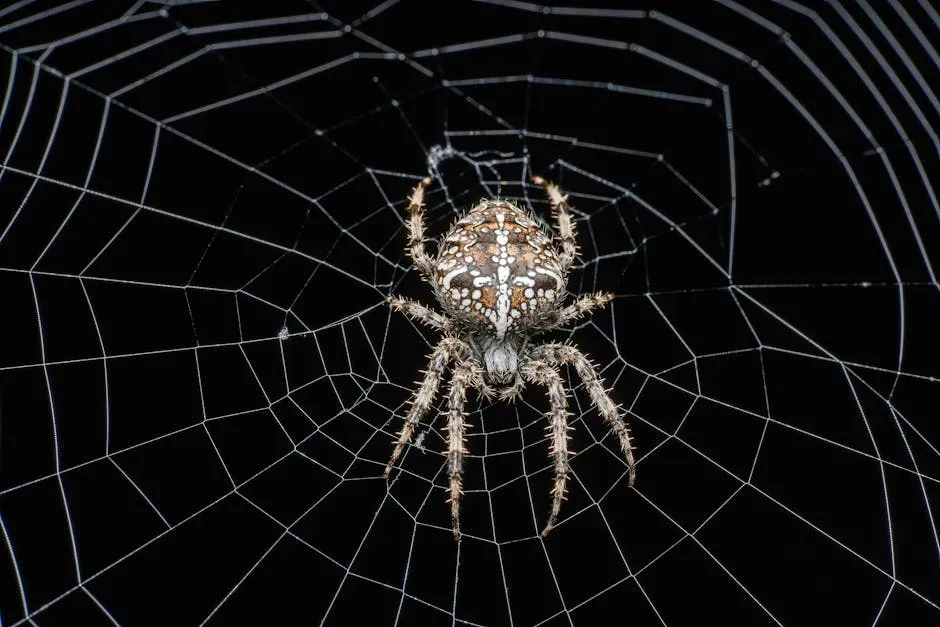
The psychedelic earth tiger is, in many ways, a mirror. It reflects our fascination with the natural world, our tendency to love something so intensely that we endanger it, and our capacity, when we choose to use it, to course correct before it’s too late.
Cilantica devamatha joined the extinction watch list status only 12 years after its initial 2014 discovery. In 2026, this species was added to a global watch list for animals facing immediate extinction. Twelve years from discovery to the brink. That timeline should shock all of us.
Due to its complex taxonomic history and conservation concerns, supporting captive breeding efforts is essential to reduce the need for wild collection and ensure a sustainable population. The solution exists. The science is there. The will needs to follow.
I think what makes this spider’s story so powerful is how perfectly it encapsulates the broader tension between human desire and ecological responsibility. We see something extraordinary, we want to possess it, and in doing so, we risk losing it forever. The psychedelic earth tiger deserves better than a life in a glass box purchased through a dark web forum.
It deserves its rainforest. Its burrow. Its silence.
What would it take for us to truly value a creature’s existence in the wild more than its price tag on a collector’s market? That question, I think, is worth sitting with.
