
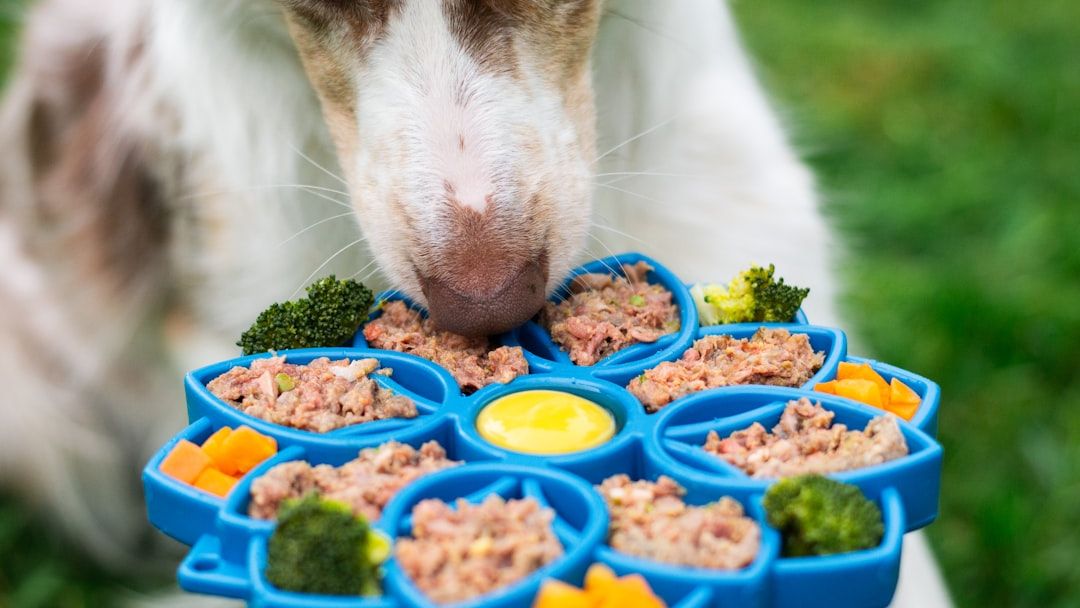
Ever wonder why some pets seem to bounce with energy well into their senior years while others slow down much earlier? The answer might be sitting in their food bowl. We tend to focus on regular vet checkups and exercise routines, which are obviously important, yet many of us overlook the single most powerful tool we have to extend our pets’ lives: their daily diet.
Nearly all dog owners believe that diet can influence their animal’s life longevity, which shows we instinctively understand the connection. Still, here’s the thing: knowing it matters and actually doing something meaningful about it are two completely different things. Let’s be real, most of us grab whatever bag looks good at the store or stick with what we’ve always used. What if I told you that small shifts in what you feed your cat or dog could add years to their life? Not just any years, either, but healthy, vibrant ones where they’re still chasing toys and greeting you at the door.
The Science Behind Nutrition and Lifespan Extension

Research has proven something remarkable about the connection between diet and how long our pets live. A landmark study showed that median life span was extended by nearly two years, or 15 percent, with the mean lifespan for lean-fed dogs reaching 13 years compared to 11.2 years for control-fed dogs. Think about that for a second. Nearly two extra years with your best friend, simply by managing their nutrition properly.
Pet owners worldwide now view nutrition as the cornerstone of animal health, with a significant majority seeking products that may extend pet lifespan. This isn’t just wishful thinking or marketing hype. The scientific evidence keeps piling up, showing us that what goes into our pets’ bodies directly affects not just how long they live, but their quality of life throughout those years. Fresh whole food diets have been linked to remarkable health improvements, with some research suggesting they could add up to three years to a dog’s lifespan.
The biological mechanisms make sense when you think about it. Better nutrition means healthier cells, stronger immune systems, and bodies that can fight off disease more effectively. It’s not magic, honestly, just good science applied consistently over time.
The Hidden Dangers of Heavily Processed Pet Foods
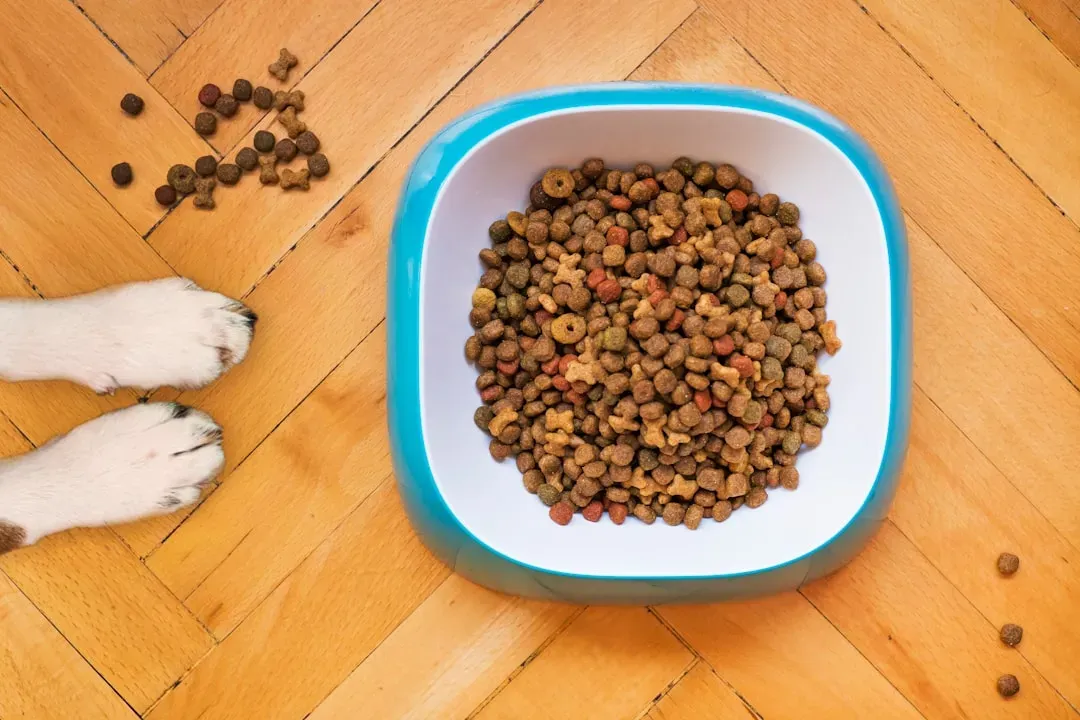
Walk down any pet food aisle and you’ll see bags promising complete nutrition, shiny coats, and boundless energy. The reality might surprise you, though. Heavily processed diets often contain low-quality proteins with grains as a main ingredient, and many processed pet foods contain a long list of preservatives, synthetic vitamins, additives, and other chemicals harmful to animals.
The processing itself creates another problem most people don’t even know exists. High temperatures used in manufacturing can destroy vital nutrients and create harmful compounds. Fresh food maintains roughly three-quarters natural moisture content, similar to what we eat ourselves, while kibble gets baked at extreme temperatures that alter its nutritional structure. I know it sounds a bit dramatic, but think about what happens to your own food when you overcook it. Now imagine eating only that, every single day, for your entire life.
The high temperatures used to cook kibble can destroy some of the nutrients in the food, and fresh ingredients are more easily digested than kibble by a significant margin. Your pet’s body has to work much harder to extract nutrition from heavily processed foods, which means more goes to waste and less actually nourishes them. Over years and decades, that deficit adds up in ways we’re only beginning to understand.
Fresh Food’s Impact on Disease Prevention
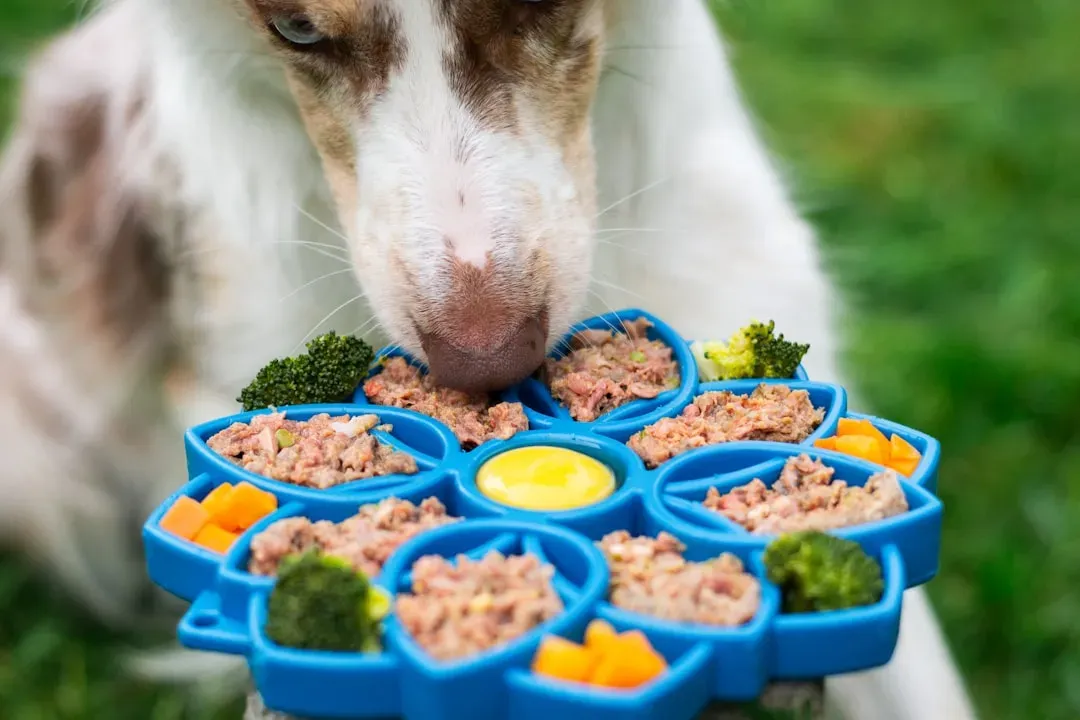
Here’s where things get really interesting. Research shows fresh diets can significantly reduce cancer risks, with dogs needing just 20 percent fresh food in their diet to see a dramatic reduction in cancer cell growth. That statistic still amazes me every time I see it. Just one-fifth of their diet being fresh ingredients, and the impact on cancer prevention is that substantial.
A balanced diet can help prevent chronic diseases such as diabetes, arthritis, and obesity. These aren’t minor inconveniences for our pets. They’re life-altering conditions that cause pain, reduce mobility, and often shorten lifespan considerably. When you consider that proper nutrition can significantly reduce the risk of all three, the importance becomes crystal clear.
The immune system benefits are equally compelling. Fresh diets help boost immune function naturally, allowing pets’ bodies to fight off infections and diseases more effectively. Natural antioxidants in fresh foods fight harmful free radicals that can damage cell membranes and DNA, which is basically your pet’s body getting the tools it needs to repair itself at the cellular level. Lower inflammation markers in pets eating fresh food suggest better overall health as they age, which translates to more comfortable senior years.
Digestibility and Nutrient Absorption Differences

Let me ask you something: would you rather eat a meal where your body absorbs most of the nutrients, or one where half of it just passes through? Obvious answer, right? Yet that’s essentially what happens with different types of pet food. Studies show that dogs digest fresh food exceptionally well, with absorption rates above 82 percent, especially for proteins and fats, meaning pets need less food to get the same nutrients.
Freeze-dried raw, hybrid freeze-dried raw, frozen raw and fresh diets outperformed extruded diet in terms of higher amino acid digestibility coefficients and greater true metabolizable energy values. Translation? Your pet’s body can actually use what they’re eating, rather than just processing it and eliminating most of the nutritional value. This efficiency matters tremendously over the course of a lifetime.
Better digestion also means other benefits you’ll notice pretty quickly. Dogs fed a fresh whole food diet produced significantly less waste than when eating premium kibble. Less waste out means more nutrients stayed in, nourishing your pet’s body. Honestly, the difference in stool volume alone tells you something important is happening at the digestive level. Pets also tend to experience fewer digestive problems, less gas, and better stool consistency when switched to quality fresh food options.
The Protein Quality Factor
Not all protein is created equal, and this might be the most misunderstood aspect of pet nutrition. The quality of protein is important, meaning both the amino acid levels in the protein and the protein’s digestibility. You can have two pet foods with the exact same protein percentage on the label, yet one delivers far more usable nutrition than the other.
Prioritizing adequate protein in pet diets can help them build lean muscle, support their bodies as they age, and keep them energized, with quality proteins helping pets maintain healthy weight and stay active. Think of protein as the building blocks for basically everything in your pet’s body. Muscles, organs, immune cells, even their skin and coat all depend on getting sufficient high-quality protein.
The source matters tremendously too. Real meat from identifiable sources provides complete amino acid profiles that pets’ bodies recognize and utilize efficiently. Mystery meat meals or plant-based protein substitutes simply don’t compare in terms of bioavailability. Cats especially, being true carnivores, absolutely require animal-based protein sources to thrive. Pet dogs and cats are living longer, with the percentage of dogs and cats over seven years old representing over half of all pets, which means maintaining muscle mass and vitality through quality protein becomes even more crucial as our pet populations age.
Practical Steps Toward Better Pet Nutrition
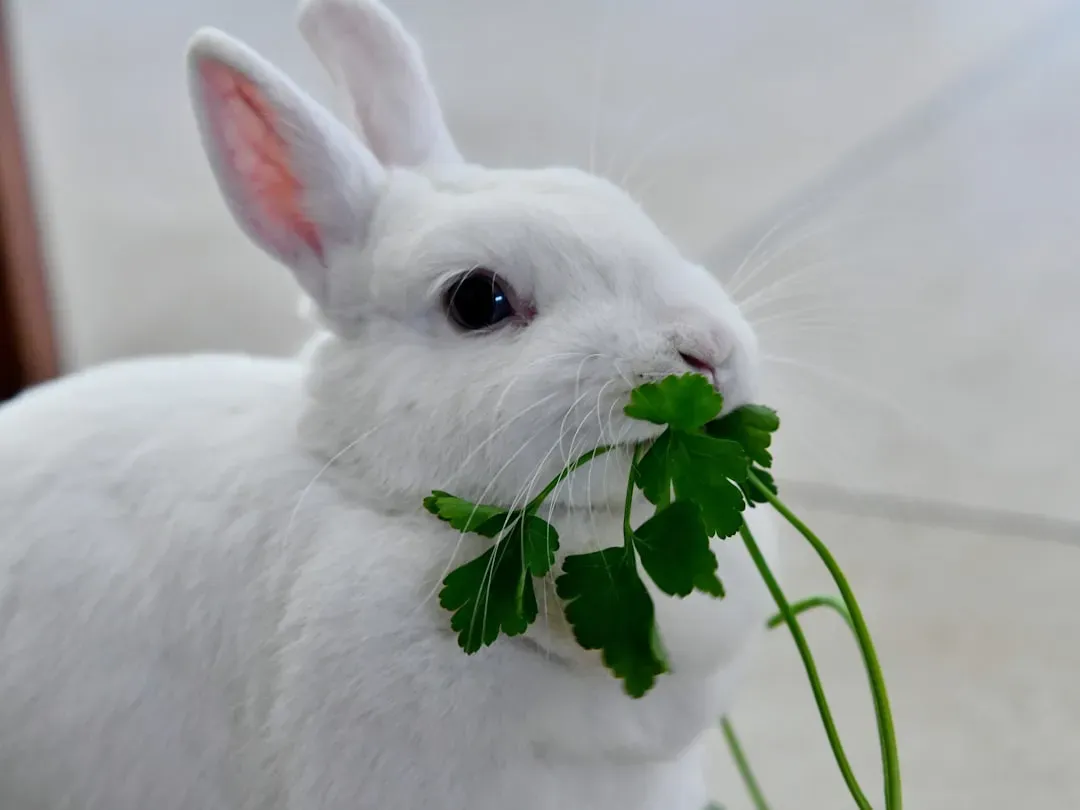
So what can you actually do with all this information? First off, don’t panic and throw out everything in your pantry tonight. Gradual transitions work best for pets’ digestive systems. A vast majority of pet owners now believe proper nutrition and supplements are as important for pets as for humans, with most U.S. pet owners willing to pay more for healthier pet food options.
Start by reading ingredient labels more carefully. Look for named protein sources as the first ingredient, not vague terms like “meat meal” or “animal byproducts.” Consider incorporating some fresh food into your pet’s diet, even if you’re not ready to switch completely. Remember that 20 percent fresh food figure? That’s totally achievable for most pet parents without breaking the bank or spending hours in the kitchen.
Feeding a pet a diet that contains fresh food would not be safe unless supplemented with necessary vitamins, minerals and essential fatty acids, making it essential to work with your veterinarian to ensure the diet is safe and effective. Professional guidance matters here. Your vet or a veterinary nutritionist can help you choose appropriate foods based on your pet’s specific needs, age, and any health conditions. They can also help you transition gradually, which prevents digestive upset and gives your pet time to adjust.
What do you think about it? Looking at your own pet’s food bowl differently now? The evidence is pretty compelling that nutrition isn’t just about keeping our pets fed, it’s about giving them the longest, healthiest life possible. Those extra years of tail wags and purrs? Totally worth the effort of choosing better nutrition.
